
















The European Union is once again facing an old contradiction: it has economic weight, diplomatic tools and a direct dependence on stability in the Middle East, yet too often behaves as if the most important decisions are made without it. Cyprus is now stating that problem plainly.
Cypriot Foreign Minister Constantinos Kombos has argued that the EU must become more active in the region, build practical agreements with Arab and Gulf states, and help search for a way to end the war in Iran. His point is simple: Europe can no longer afford to remain a “distant observer.”
The message came during a summit in Nicosia, where European leaders held rare talks with representatives from Egypt, Lebanon, Syria, Jordan and the Gulf states. For Cyprus, which holds the rotating presidency of the Council of the EU, the meeting was an attempt to bring the Middle East back into the center of European strategy, not merely crisis management.
According to Daycom’s analysis, the EU’s main weakness in the region is not a shortage of statements, but the gap between ambition and presence. Brussels speaks the language of geopolitics, yet often acts with bureaucratic caution. At a moment when the war in Iran is hitting energy, trade and security, that slowness has become a political risk.
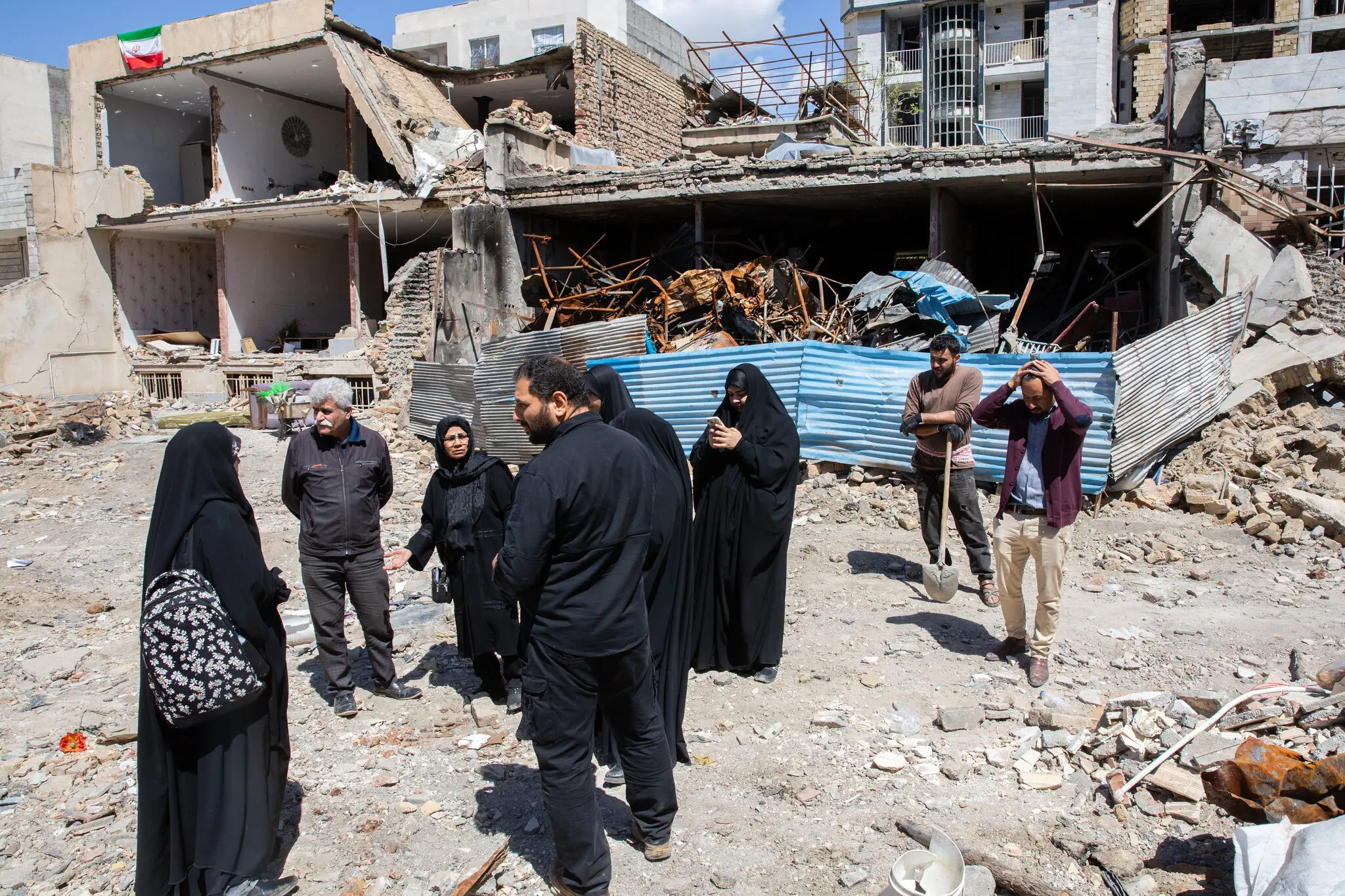
The crises in Gaza, the Red Sea, Lebanon and Iran can no longer be treated separately. They overlap, damage trade routes, complicate energy supplies, weaken investment projects and strengthen outside powers that act faster and more forcefully than Europe.
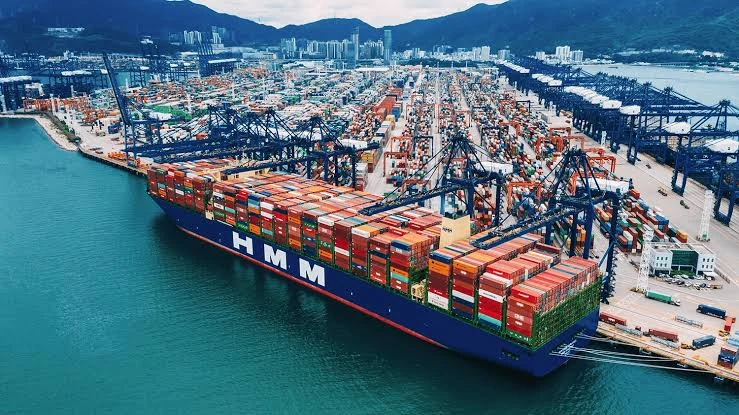
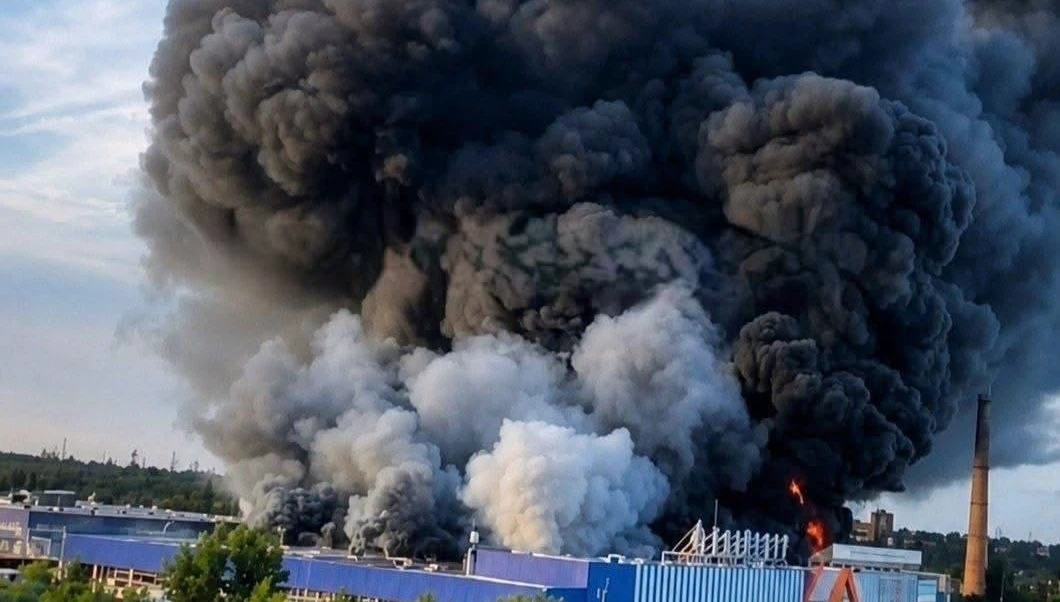
The sharpest symbol of this dependence is the Strait of Hormuz. Stranded oil and gas tankers, surging energy prices and fears of a new wave of global inflation have shown that instability in the Middle East is not a distant theater for the EU. It quickly becomes a bill for businesses, industries and households.
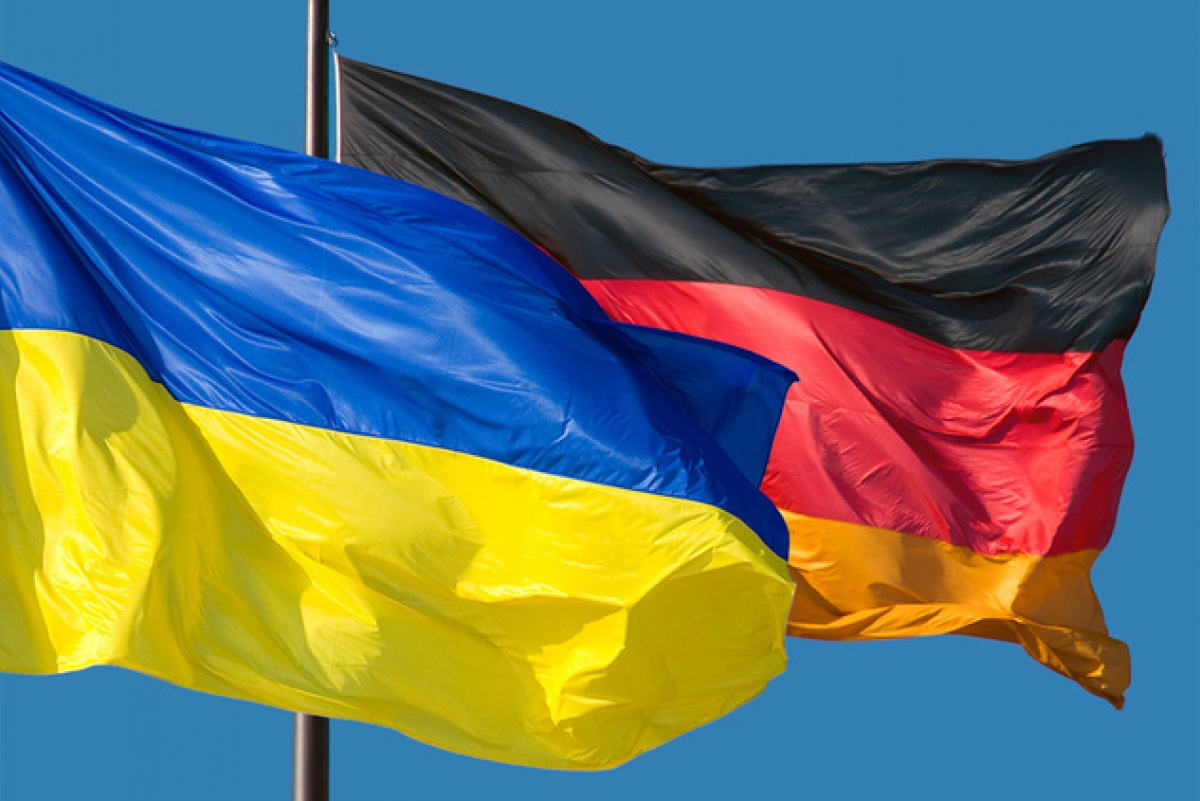
Yet European capitals still have no common answer on how to secure the strategic waterway. Germany has signaled openness to a maritime operation demanded by Donald Trump. France, by contrast, links such a step to a broader peace settlement. The gap between those approaches exposes the limits of Europe’s operational readiness.
For Cyprus, this debate is not theoretical but geographical. The island sits at the intersection of Europe, the Middle East and the Eastern Mediterranean. It is physically closer to many regional crises than most major EU states, and therefore feels the consequences of European passivity more sharply.
Kombos is not calling for Europe to replace the United States or create a force capable of dictating terms in the region on its own. The point is different: if the EU wants to be a geopolitical actor, it must be visible in negotiations, present in partnerships and able to offer not only sanctions, but deals.
That is where the difficulty begins. Europe’s relations with Gulf and Arab states have been strained by their refusal to join Western sanctions against Russia. For Brussels, this is a painful issue, since regional financial and trade channels can be used to move money, goods and schemes that help the Kremlin evade restrictions.
But the Cypriot argument is that viewing the Gulf only through the Russian lens is strategically too narrow. The EU needs these countries on energy, trade, investment, maritime security, conflict mediation and the containment of wider instability. Moral frustration cannot substitute for political work.
That does not mean abandoning pressure on networks that help Moscow. On the contrary, scrutiny of illicit flows of goods and money must intensify. But alongside that, Europe has to build pragmatic arrangements where its interests overlap with those of regional states. Otherwise, the vacuum will be filled by others.
Against this backdrop, Cyprus’s support for Ursula von der Leyen’s warning about Russian, Turkish and Chinese influence was revealing. For many Europeans, placing Turkey in that sequence sounds controversial, since Ankara is a NATO member. For Nicosia, it is not a diplomatic abstraction, but part of daily reality.
Cyprus has been divided since 1974, when Turkish forces landed on the island after a Greek-backed coup. The northern part, supported by Ankara, is recognized only by Turkey. The Republic of Cyprus, an EU member, remains the internationally recognized authority over the entire island, but the de facto partition still defines its security policy.
That is why Turkish influence is not a theoretical category for Nicosia, but a visible landscape. From the site of the summit, leaders could look across to the mountains and see the flag of the unrecognized administration marked into the hillside. It was a rare case in which a geopolitical problem was literally in the participants’ field of vision.
Ankara has also blocked Cypriot efforts to move closer to NATO. That makes the island especially sensitive to any discussion of European security, autonomy and outside influence. When Cyprus speaks about the need for a strategic EU presence, it is speaking not only about Iran or Gaza, but also about its own unfinished history.
For the EU, this creates a difficult dilemma. Turkey is needed on migration, the Black Sea, NATO, energy and regional diplomacy. But its role in the Eastern Mediterranean, its pressure on Cyprus and its disputes with Greece prevent Brussels from treating Ankara solely as an ally by formal status.
The Nicosia summit showed that the Middle East is again becoming a test of European maturity. The EU cannot claim to be a global actor while leaving the most important regional negotiations to Washington, Moscow, Beijing, Ankara or Gulf capitals. An economic giant that cannot act politically near its own borders will inevitably depend on the decisions of others.
At the same time, activity should not mean haste or blind alignment with Washington. Europe’s strength may lie precisely in its ability to connect maritime security, diplomatic channels with Iran, partnerships with Arab states, humanitarian policy in Gaza and a long-term economic offer for the region.
Kombos has effectively placed before the EU a question that has long been waiting: is European geopolitics merely summit rhetoric, or the capacity to act when a crisis becomes costly, close and dangerous? The Middle East no longer gives Brussels the luxury of slow observation.
If the EU does not use this moment, its place will be taken by powers for which the region is not a question of values, but a field of deals, bases, ports, energy leverage and political influence. That is why Cyprus’s warning sounds less like criticism than a strategic alarm: in the new Middle East, Europe’s absence will also be a decision — but one made against its own interests.