


















Summer in eastern Latvia usually begins quietly: cold lake water, wooden guesthouses, fishing, birdwatching trails, pines and birches standing almost in formation. But this season, in the “Land of Blue Lakes,” the silence has changed. It is no longer restful. It is uneasy.
At Birdwhistles Guesthouse, a wooden retreat in the forest about 50 kilometers from the Russian border, all eight rooms stood empty at a time when they should have been booked. Two wedding parties canceled at the last minute, unwilling to risk guests having to search for shelter during a drone alert.
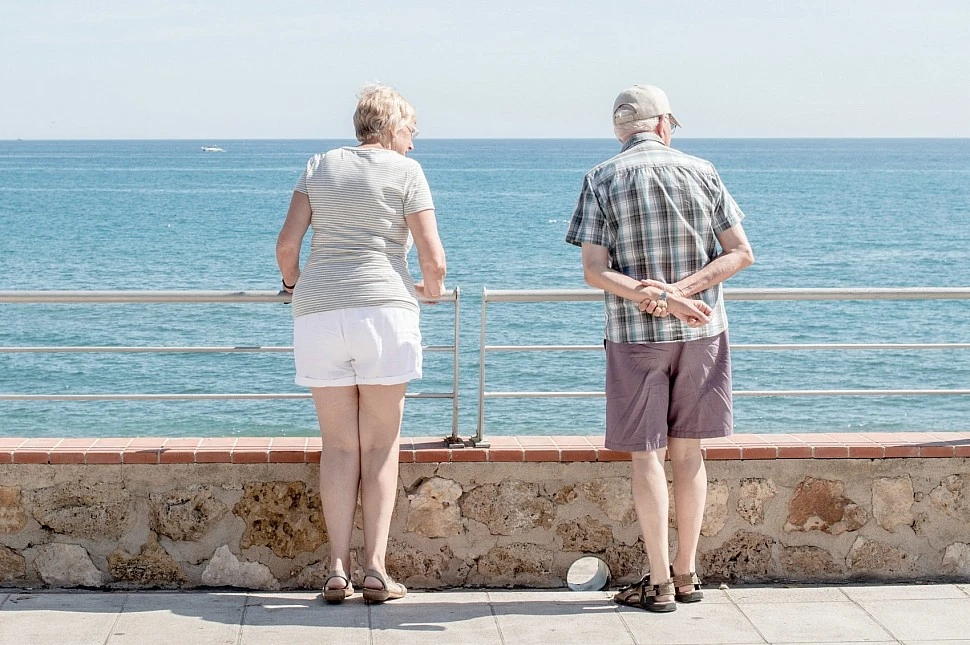
For Latgale, this is not a minor seasonal loss. It is a blow to the region’s economic model. Local life depends on small tourism businesses: guesthouses, boats, cafés, farm products, excursions, festivals and family celebrations. When fear cancels bookings, it hits far more than one hotel owner.
According to Daycom’s assessment, the central fact is that the war is now affecting NATO territory not only through military incidents, but through the expectation of danger. A drone may not fall. There may be no explosion. But the possibility of an air alert is already changing behavior and breaking the tourist season.
Since March, drones heading toward targets in Russia have repeatedly entered the airspace of Latvia and other Baltic states. Kyiv and NATO countries attribute such deviations to Russian electronic warfare, which disrupts navigation and can push drones off their intended routes toward neighboring countries.
Formally, these aircraft are linked to Ukraine’s long-range strikes on Russia. But for residents of Latgale, the technical explanation changes little. When a phone warns of an air threat, people are not thinking about electronic jamming. They are thinking about the nearest concrete wall and whether a wooden guesthouse has a basement.
This is the new absurd geography of the war. Ukraine attacks Russian military infrastructure. Russia jams signals. A drone loses its route. Latvian towns and villages receive alerts. Tourists cancel trips. Small businesses hundreds of kilometers from the Ukrainian front count their losses.
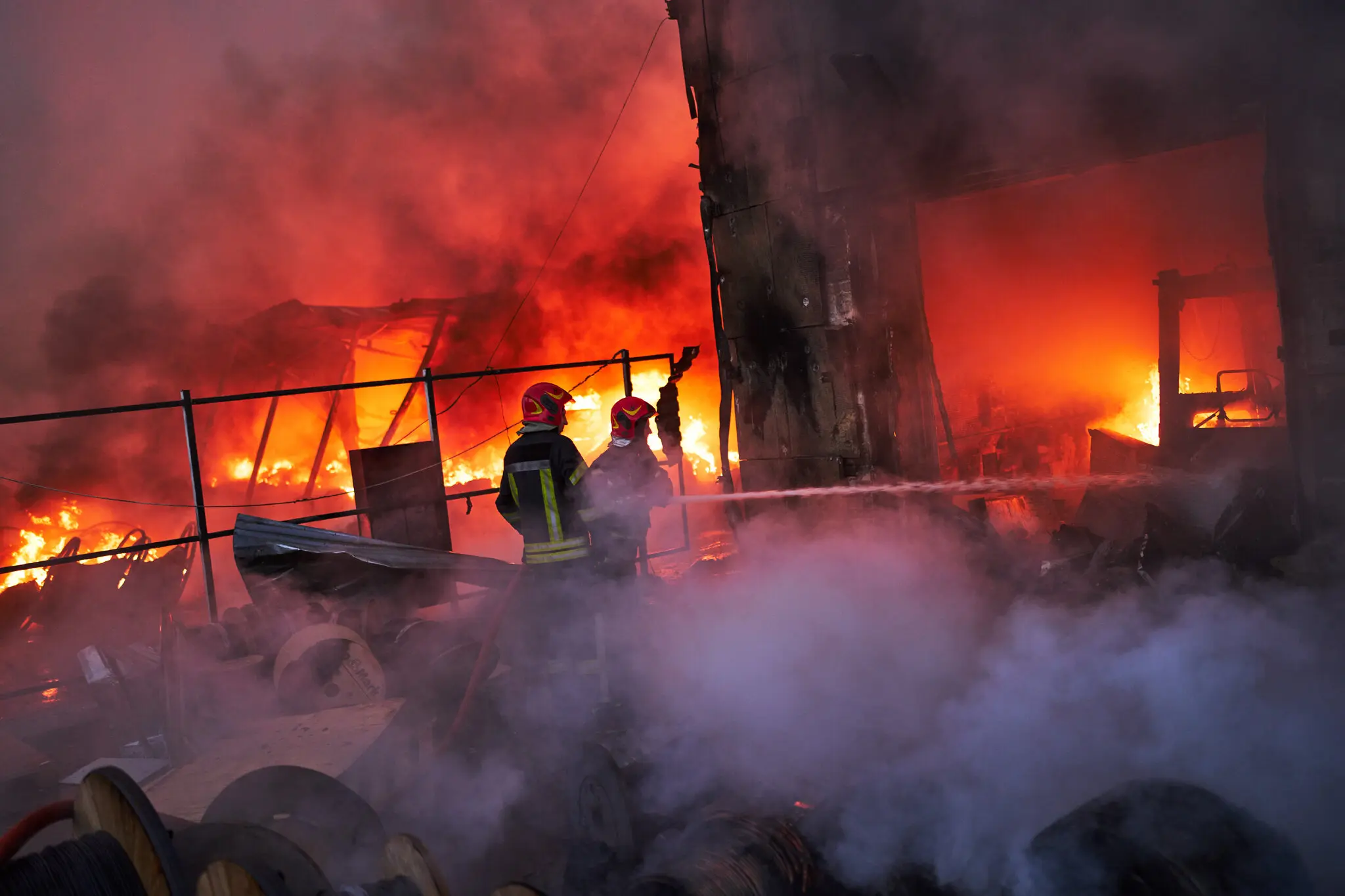
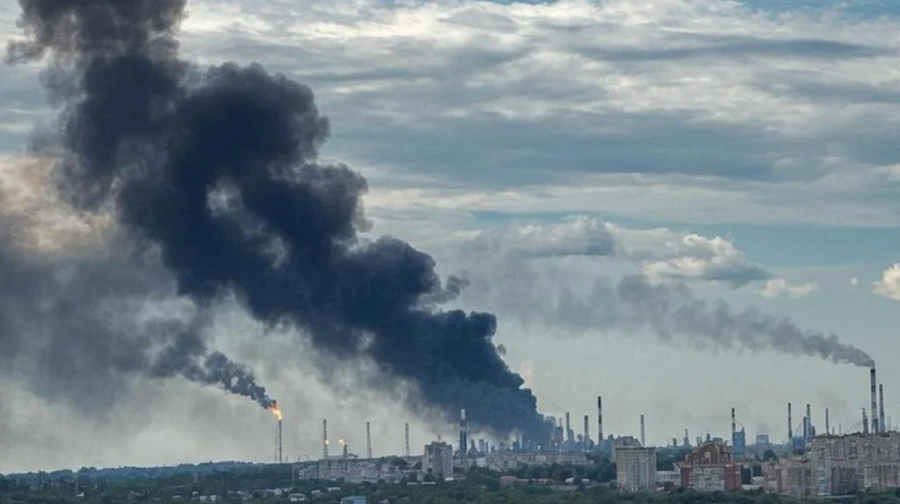
In May, two drones exploded near Rēzekne, a town normally visited for its ruined hilltop castle and old Latgalian architecture. Other drones hit a nearby oil storage facility and caused a fire. No one was killed, but the psychological effect proved stronger than the physical damage.
After two weeks without new incidents, the region had begun to hope the threat was receding. Then a French fighter jet operating under a NATO mission shot down another drone in Latvian airspace. For local tourism, this was not just a military update. It was a signal that the season could again unfold under the shadow of air warnings.
The main problem for Latgale’s guesthouses is not only the number of drones, but the lack of shelters. Many rural properties were built for nature, wood and silence, not for civil defense. Basements, heavy walls and protected rooms were never a requirement for countryside tourism.
Now the very architecture of comfort has become a vulnerability. What once attracted visitors — wooden houses, remoteness, forest, quiet, distance from urban infrastructure — becomes a source of doubt during an alert. Tourists want not only a lake and a sauna, but an answer to a simple question: where do we go if the sky becomes dangerous?
The local tourism association has warned that hundreds of businesses could face financial trouble. Some entrepreneurs have already lost a large share of future bookings. In a big city, that would be an unpleasant statistic. In a border region with a short season, it can be the difference between survival and closure.
Latvian authorities are trying to reassure citizens that eastern Latvia remains safe for holidays. Public gestures matter: when senior officials plan vacations in Latgale, they are trying to restore a sense of normal life. But trust is hard to rebuild with words alone when alerts keep returning.
The paradox is that the real risk to tourists may be statistically small. The chance of being in a road accident in Riga is almost certainly higher than being hit by a drone in the forest. But tourism does not live on statistics. It lives on the feeling of safety. When a holiday becomes associated with shelter, it stops feeling like a holiday.
For NATO, the story carries a broader meaning. Drone warfare is no longer only about the front line, air defense and military maps. It now reaches into the civilian space of allied countries: business, insurance, tourism, local budgets, psychological resilience and the ability of border communities to live beside Russia.
Russian electronic warfare acts here as an invisible multiplier of chaos. It may not strike Latvian targets directly, but it can alter trajectories, create air incidents and transfer part of the war’s tension to territories where no combat is taking place. That is the danger of the gray zone.
For Ukraine, the situation is also difficult. Long-range strikes on Russia have become an important part of its strategy to wear down the aggressor. But every drone that is shot down or loses its route over allied airspace creates diplomatic friction, even when Russian interference is the cause. Drone warfare demands not only range, but political precision.
Latgale has become a quiet indicator of how the war expands without formally expanding the front. It has not become a battlefield, but it has already lost part of its sense of peaceful rear. That may be the most subtle form of spreading danger: missiles do not fall, but life is already reorganized around the possibility that they could.
The empty rooms at Birdwhistles are not the central event in European security. But they show its new scale. Russia’s war against Ukraine has reached Latvia’s lakes not with columns of armor, but with canceled weddings, vacant guesthouses and a question that would once have seemed absurd: how do people take a holiday where the sky no longer feels reliably peaceful?