









Dubai staged the Dubai World Cup on Saturday even though the war in the region has long ceased to be a distant television backdrop. Formally, it was the 30th edition of the emirate’s flagship racing spectacle: nine races and a total prize pool of $30.5 million.
In reality, it was also a public test of the Emirati model’s ability to maintain the appearance of calm during a major Middle Eastern crisis. In a single day, the city moved between two realities at once: one shaped by public safety alerts and the threat of incoming attacks, the other by the rituals of elite leisure, where dress codes, hospitality, and spectacle still governed the scene.
That contrast is what made the event politically revealing. While war edges closer to the Gulf, Meydan Racecourse received its guests as though the evening’s central concern was not missiles or drones, but ripped jeans, designer distressing, and whether a hat completed the outfit.
In Daycom’s assessment, that is the real meaning of Dubai World Cup 2026. It is no longer simply a horse race, and not merely an exhibition of elite leisure. It is a public performance of managed normalcy: a state exposed to the risks of a regional war showing the world that its main showcases — Dubai, luxury, tourism, prestige, and service — remain open, orderly, and impeccably styled.
For the United Arab Emirates, this strategy is not cosmetic. It is directly tied to the country’s economic model, which depends not only on oil, but also on its status as a safe haven for capital, tourism, business relocation, premium consumption, and international transit. That is why every major event in Dubai now functions in two ways at once: as a cultural or sporting occasion, and as a signal to markets, investors, residents, and visitors that safety and order are still supposedly under control.
The organizers, notably, did not forget to stress the aesthetics of control. In the text provided, this detail reads almost like an epigraph for Dubai in 2026: alongside public alerts, the city was still instructing guests how to dress for its biggest social spectacle of the season.
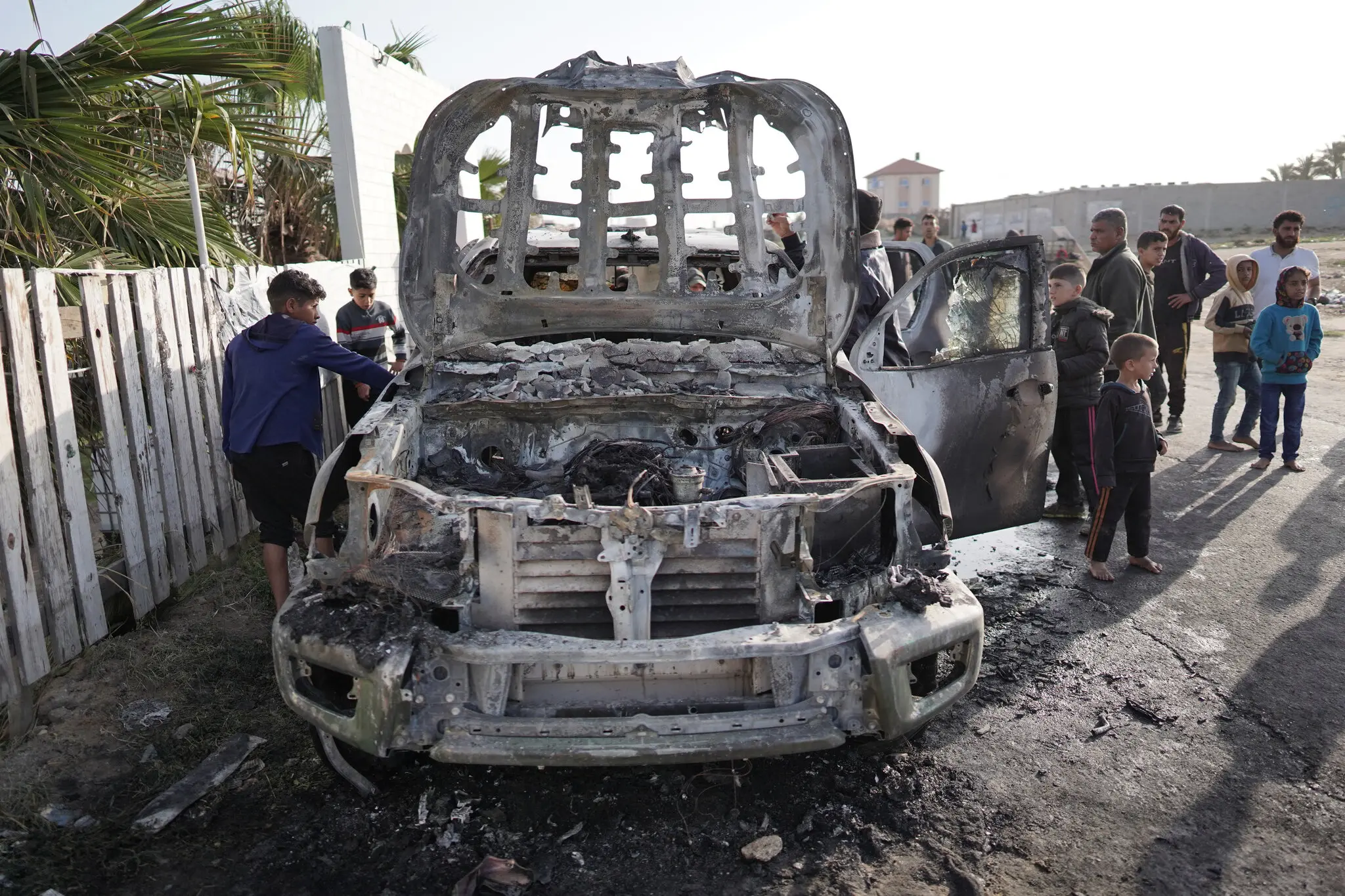
And yet the limits of that normalcy are already visible. War is increasingly entering the everyday experience of the UAE, which means that even successful air defense can no longer fully guarantee the one commodity Dubai has always sold best: predictability. Once alerts, debris, and disrupted routines enter urban life, the myth of effortless calm begins to fracture.
It is telling that not every event in the country was willing or able to sustain the same tempo of deliberate continuity. Some platforms kept operating as if nothing had changed, while others effectively acknowledged that missile threats are already reshaping the architecture of the cultural calendar. At that point, the issue is no longer organizational courage. It becomes a question of where symbolic defiance ends and pragmatic recognition begins.
Against that backdrop, the Dubai World Cup looks less like a sporting celebration than a state-level manifesto. The races were not canceled because their function now extends beyond sport. They are meant to prove that the UAE still controls the symbolic space: that it can host the richest day in horse racing, welcome guests, judge fashion contests, and refuse to let war dictate the rhythm of city life.
It also matters that the Dubai World Cup has long been not only a sporting event, but a social stage. In its 30th year, it has fully cemented that dual identity: people go not only to watch horses, but to observe the city’s brand power, the social hierarchy of the grandstands, the composition of the guest list, and how convincingly Dubai continues to perform its role as a global capital of luxury.
The text provided captures that class theater with unusual precision: in the more affordable sections, people studied race booklets and Emirates caps appeared more often than elegant hats, while real glamour concentrated in the VIP areas and around the best-dressed competitions. That detail matters because it shows that even during war, Dubai reproduces not simply normalcy, but the hierarchy embedded within it.
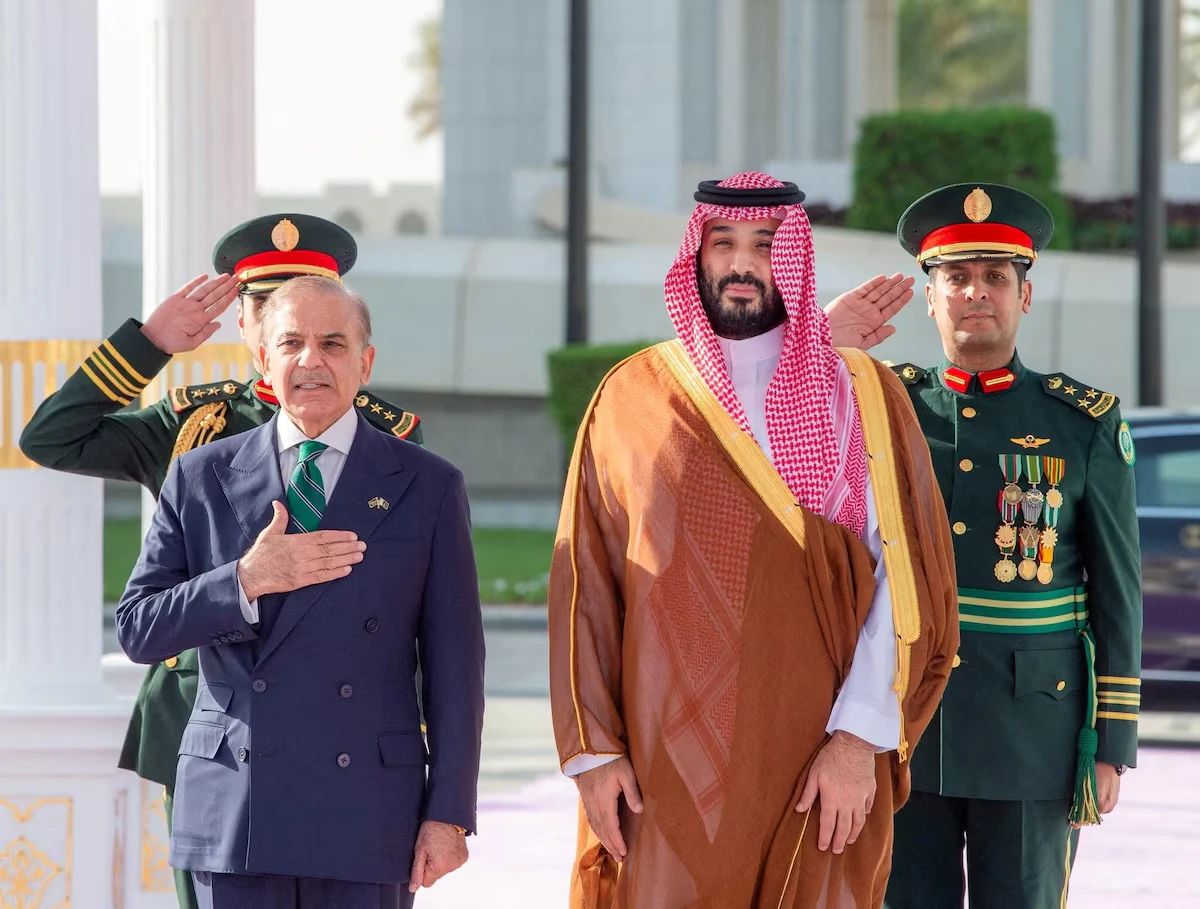
The presence of Sheikh Mohammed bin Rashid Al Maktoum only reinforced that message. In systems like this, rulers do not appear at major public spectacles merely as sports enthusiasts. They appear as guarantors of continuity. When the ruler attends the city’s signature event on a day marked by military danger, that too is a message: the state wants both its citizens and the outside world to see control, not anxiety.
And this is where the central paradox emerges. The war in the Middle East threatens Dubai not only through the possibility of direct strikes or falling debris. It threatens the city more deeply by undermining its founding myth: the idea that the Gulf is a space where money, luxury, tourism, and real estate can exist at a nearly sterile distance from politics.
Once phones begin to normalize emergency alerts and calendars begin to absorb postponements and disruptions, that distance starts to dissolve. And once it dissolves, even the most carefully curated dress code cannot fully protect Dubai’s main product: its promise of carefree ease. In that sense, Dubai World Cup 2026 should not be read as frivolity, but as an attempt to defend the city’s reputation in its own native language — spectacle.
In the short term, that strategy may still work. As long as the service functions, the lights stay on, the races go ahead, and the urban stage remains illuminated, Dubai can preserve the impression that order is stronger than regional chaos. But in the longer term, that may not be enough. If alerts, attacks, and interruptions become part of everyday life, the script of “normal luxury” will grow steadily less persuasive.
That is why this year’s Dubai World Cup will be remembered not only as a day of major racing. It will remain as a moment when one of the world’s most glamorous cities was publicly trying to prove that normalcy itself can be a form of state strategy.