
























The Ebola outbreak in East Africa quickly became more than a medical emergency. As the virus spread in Congo and Uganda, accusations moved almost as fast as the alarms from hospitals — against African health institutions, international organizations and the United States, which has sharply reduced its role in global health aid.
For many African doctors, the tone of that criticism sounded painfully familiar. Once again, the old frame appeared: Africa had failed, local institutions had been late, and rescue was expected to come from elsewhere.
For a continent where health workers have spent decades entering outbreak zones first, often without full protection and at the risk of their own lives, this is not merely criticism. It is a colonial reflex returning in epidemiological language.
According to Daycom’s earlier analysis, the current crisis is dangerous precisely because of this double truth. There were delays, weak points in laboratory diagnosis, shortages of equipment and broken aid chains. But to explain all of that simply as “African failure” is to ignore who has long shaped the architecture of funding, supply and global priorities.
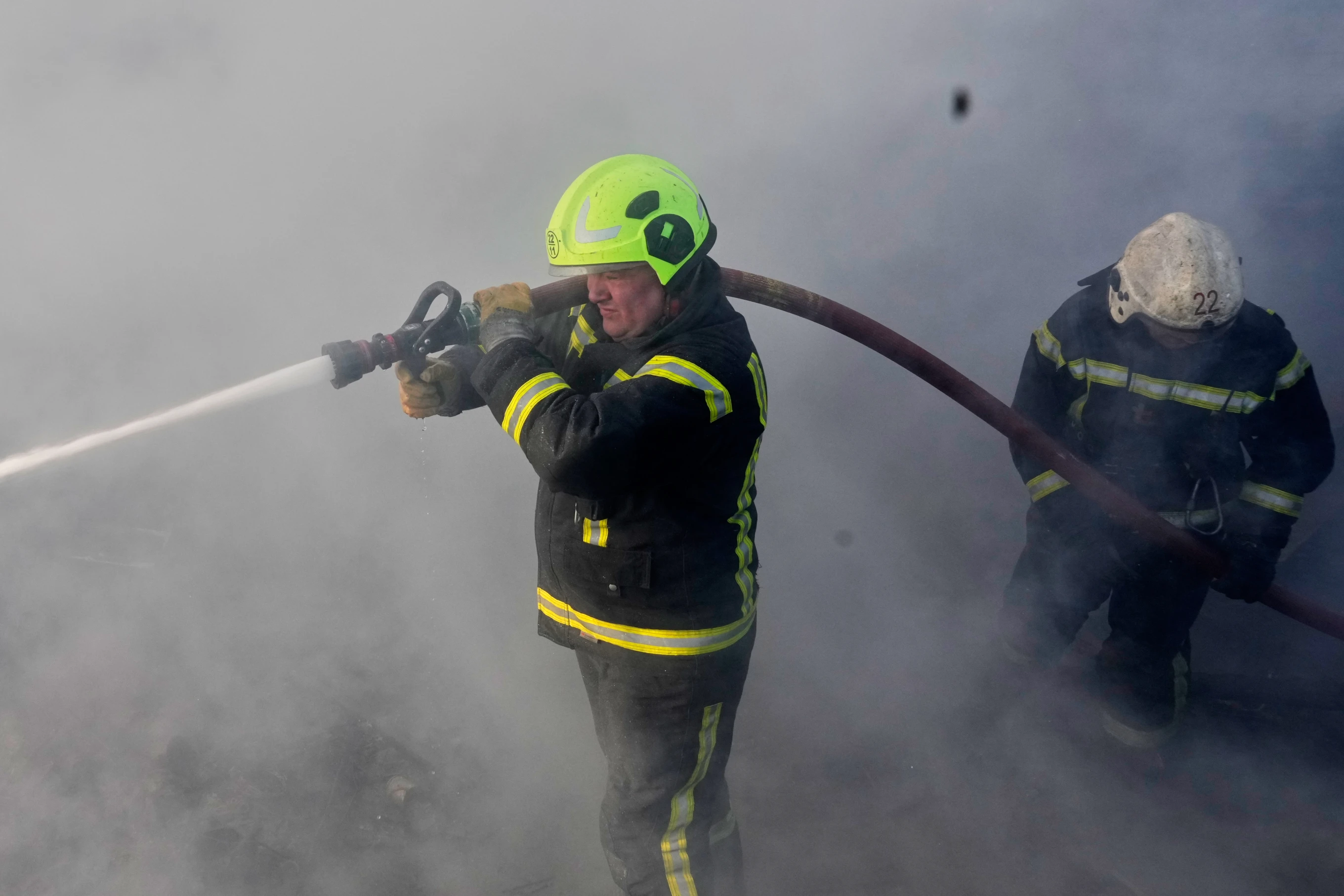
African health workers have deep experience with Ebola. They are the ones who receive the first patients, isolate families, persuade communities to change burial practices and work in regions where the virus moves alongside armed groups, poverty and distrust of the state.
During the 2014 West African epidemic, hundreds of health workers died. They were not background figures in someone else’s humanitarian mission. They were the front line. Yet global memory often preserves different images: foreign doctors, evacuations to Western hospitals and the drama of saving those who arrived to help.
That does not diminish the importance of international assistance. Ebola has shown repeatedly that dangerous outbreaks are extraordinarily difficult to contain without strong partnerships. But partnership is not paternalism. The first strengthens local systems. The second strips them of authorship, then blames them for weakness.
This outbreak is complicated by the Bundibugyo species of Ebola, for which there is no ready vaccine or specific treatment. Standard tests may fail to detect it, meaning the virus may have circulated longer than initially understood.
That partly explains the delay. But it does not answer the deeper question: why do regions that have faced Ebola repeatedly still have to wait for equipment, laboratory capacity and protective gear? Why does outbreak readiness depend so heavily on budget decisions made in Washington, Geneva or Brussels?
The Africa Centers for Disease Control and Prevention put the issue starkly: if this threat had primarily endangered wealthier regions of the world, medical countermeasures would probably already exist. That is not merely the language of grievance. It is an argument about inequality in science, pharmaceuticals and global security.
Ebola has been known for decades. It has a high fatality rate, inspires fear and requires rapid isolation, contact tracing, safe burials, community work and protection for health workers. Yet after repeated outbreaks, the world still has not built equal access to vaccines, tests and treatments for all forms of the virus.
There is nothing accidental about that inequality. Diseases that mainly affect poorer regions receive less investment until they begin to threaten richer ones. That has been true of many tropical diseases. It has also shaped the history of Ebola, especially when fear began to cross Africa’s borders.
That is why the memory of 2014 matters. When an American doctor became infected, global attention intensified dramatically. Before that, thousands of African deaths had not carried the same political weight. That imbalance remains alive in the continent’s memory.
The current U.S. response has deepened the wound. Aid cuts, withdrawal from international health mechanisms, weakened field networks and then travel restrictions on people coming from affected countries create a contradictory signal: first, part of the early-warning system is dismantled; then borders are closed against the consequences.
Such restrictions may be politically understandable, but they are rarely the most effective answer to an epidemic. Broad travel bans can encourage concealment of symptoms, informal routes, stigma and fear. They also shift attention away from supporting health systems and toward protecting wealthy borders.
For Congo, the situation is especially difficult. Ituri Province, the center of the outbreak, has lived for years with violence, militarization and distrust of the state. There, a doctor must work not only against a virus, but against memories of people killed, displaced, deceived and abandoned.
Without trust, Ebola cannot be stopped. People must agree to isolation, name contacts, change funeral rituals, come to clinics and allow people in protective suits into their communities. This is not a technical procedure. It is a social contract at a moment of fear.
That is why global rhetoric matters. When African institutions are immediately cast as failures, their authority before their own societies is weakened. When outside actors speak in the language of “we will come and save you,” they may unintentionally deepen the distrust they later need to overcome.
At the same time, African governments cannot hide behind justified criticism of the West. Corruption, underfunded health systems, weak infrastructure, political violence and dependence on donors are real problems. They make every outbreak deadlier and do not disappear because outside criticism is sometimes arrogant.
The honest conversation has to run in both directions. Africa needs stronger health systems of its own: laboratories, logistics, trained personnel and domestic financing. The world, in turn, must stop treating those systems as secondary extensions of Western aid programs.
Ebola in Congo and Uganda can still be contained. But even if it is, this outbreak has already revealed a deeper diagnosis: global health remains built on inequalities of attention, money and trust.
This crisis does not need the myth of helpless Africa. It needs another model — one in which African health workers are not the backdrop to someone else’s rescue story, but are given resources, respect and the authority to lead the fight they have long been fighting first.