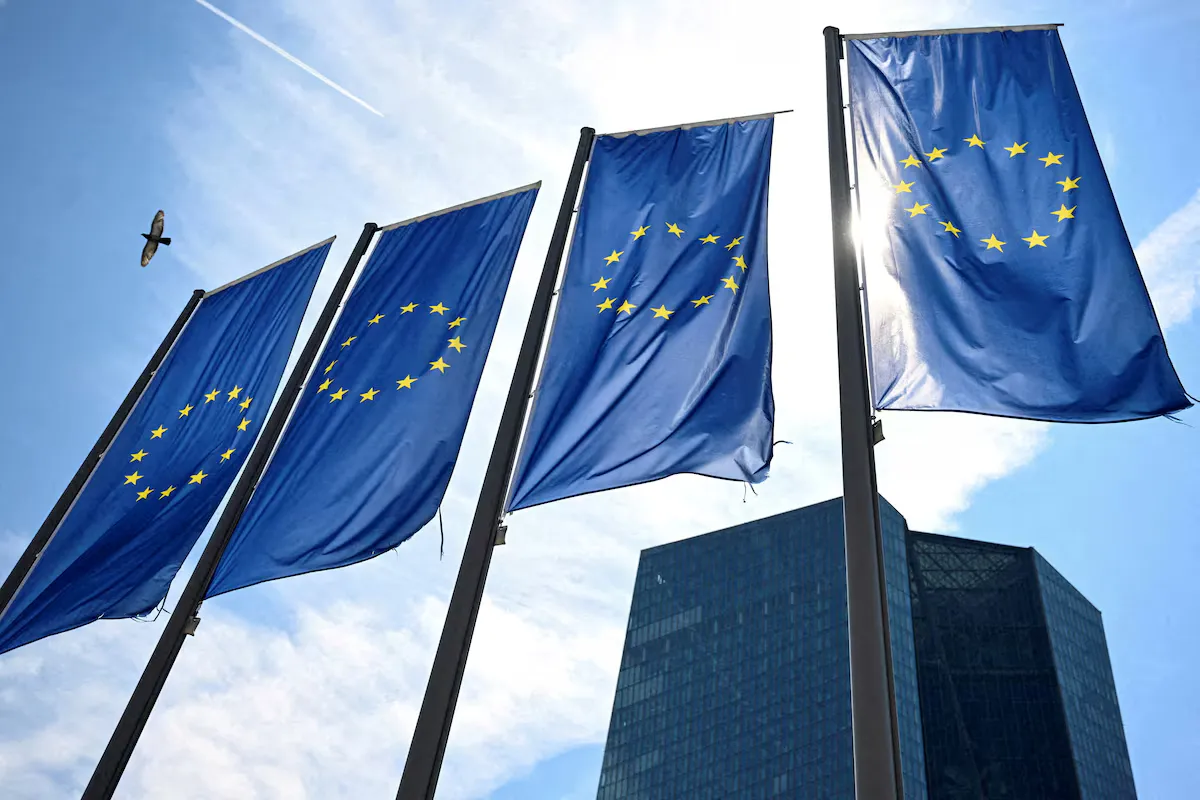


















The European Union does not like to describe itself as a bloc living under permanent emergency. After the pandemic, there was a brief hope that the age of improvised survival had ended. Then came Russia’s energy war against Europe. Now a new shock is arriving from the Middle East, and in Brussels an old tone is returning: move fast, coordinate centrally, and prepare to govern outside the comfort of normal rules.
That is why talk of a “Covid-style” response to the energy crisis is not just a media flourish. It reflects a genuine shift in the way the EU is thinking about risk. Emergency ministerial meetings, discussion of joint purchasing, and renewed concern over fragmented national responses all suggest that Brussels is once again treating energy not simply as a market issue, but as a problem of collective political stability.
The parallel with the pandemic lies not in the nature of the crisis, but in the governing logic it produces. Covid forced the EU to experiment with unusual tools — common procurement, coordinated stockpiles, continental planning for scarcity. The war around Iran is pushing Europe toward a similar instinct. Energy is once again being treated less as a commodity than as an instrument of security, budget discipline and social order.
In Deykom’s assessment, the real story is not that Europe fears higher oil and gas prices. Europe fears something more dangerous: the return of a moment in which every capital begins saving itself alone, and the common market starts to fracture under the pressure of subsidies, tax cuts, price interventions and political panic. That is the memory that still shapes Brussels. It shaped the pandemic response, and it shaped the energy crisis of 2022 and 2023.
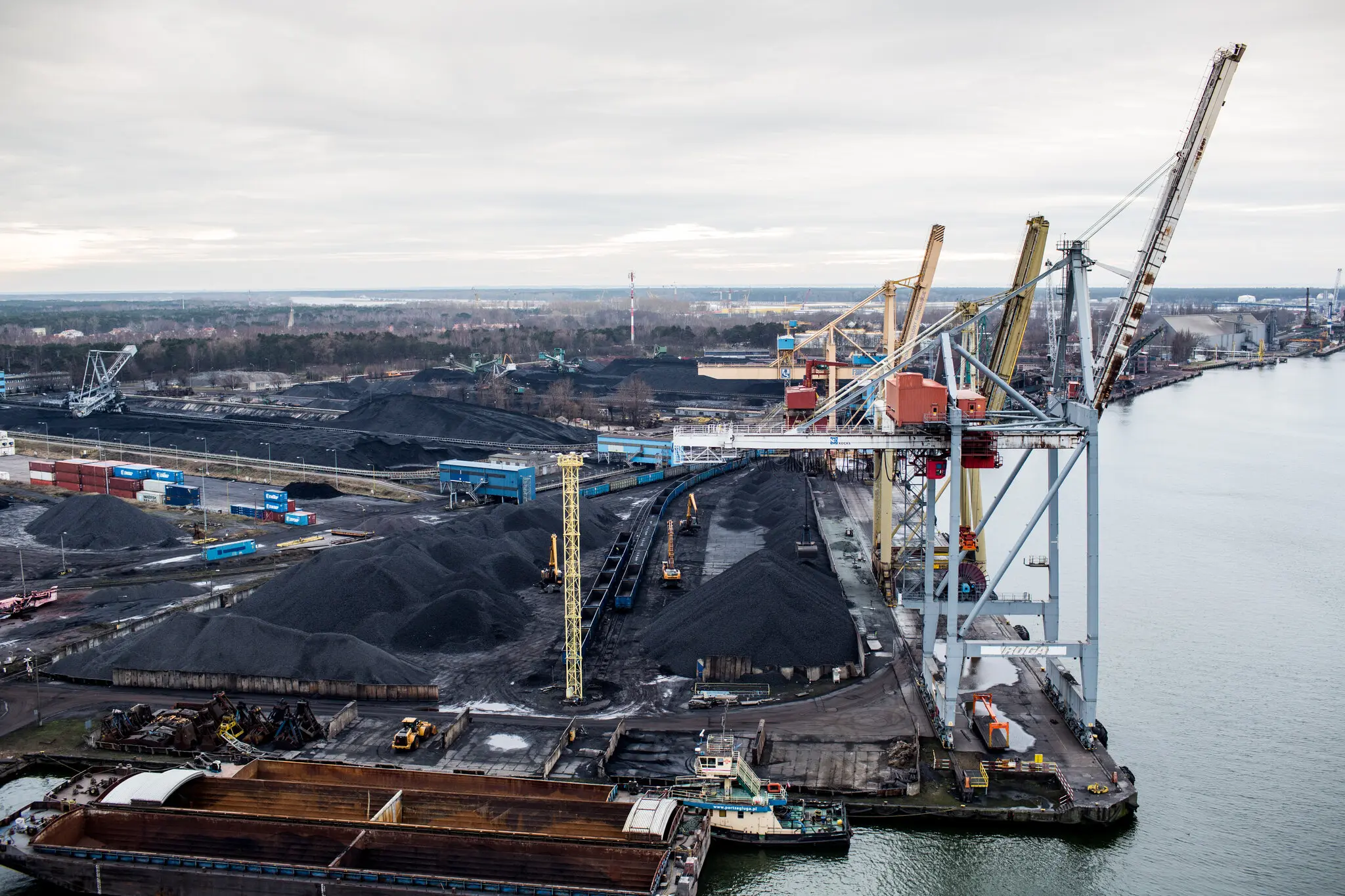
The current shock is different, but the structural danger feels familiar. Since Russia’s full-scale invasion of Ukraine, the EU has sharply reduced its dependence on Russian gas, expanded LNG imports, accelerated renewables and made its energy system noticeably more resilient. But resilience is not the same as insulation. Europe is less exposed to Moscow than it was. It is still exposed to global price shocks in fossil fuels, and still vulnerable to the political consequences that follow them.
That is where the deeper significance of the current debate begins. The problem for Europe is not only physical supply. It is the price of anxiety itself. In energy markets, fear quickly becomes economic reality. Prices rise not only because fuel is scarce, but because the possibility of scarcity changes expectations. Governments begin to worry about inflation, industry worries about competitiveness, households worry about bills, and every political leader begins to calculate how much social anger can be absorbed before it becomes electoral damage.
For that reason, Brussels is not looking for one perfect lever. It is assembling a defensive toolkit. The options being discussed include lower electricity taxes, targeted support for vulnerable consumers, pressure on excess profits, emergency relief for industry and tighter coordination of gas purchasing and storage. The logic is unmistakably crisis-driven. The aim is to prevent national governments from rushing into disconnected responses that weaken the common European position faster than the shock itself.
What makes this especially important is that the EU has learned from the cost of its earlier response. During the last energy crisis, governments spent enormous sums cushioning households and firms, but much of that support was too broad, too expensive and too politically convenient. It often protected more people than necessary while placing a heavy burden on public finances. Brussels now appears determined to impose a stricter discipline: aid must be temporary, targeted and designed in a way that does not simply stimulate more fossil-fuel demand in the middle of an energy shock.
That, however, is where the comparison with the pandemic begins to reach its limits. During Covid, centralized intervention could be defended by the sheer exceptional nature of the emergency, and demand management was not the central concern. Energy is more complicated. If governments make power too cheap for everyone, they risk encouraging higher consumption exactly when the market is under stress. If they do too little, they invite public anger, industrial decline and another wave of political fragmentation. Europe is therefore trying to walk a narrow line between two fears: inflation and disunity.
There is also a more important political lesson buried inside this moment. The pandemic taught Brussels that centralized coordination may be slow, bureaucratic and frustrating, but it is still less destructive than twenty-seven simultaneous national panics. Russia’s energy pressure reinforced that lesson. The crisis around Iran now pushes the Union toward a third version of the same conclusion: in the twenty-first century, the most serious shocks do not arrive one at a time. Security, energy, inflation, fiscal strain and electoral pressure now collide in the same space.
In such a landscape, emergency coordination stops looking like a temporary deviation from normal governance. It starts to look like the new normal. That may be the most important political fact hidden beneath the current technical debate. Europe is living less and less in the world of stable regulation and more and more in the world of permanent crisis management, where the task is no longer to eliminate shocks entirely, but to stop them from tearing apart the Union’s internal cohesion.
That is why the current debate matters far beyond the details of electricity pricing or joint procurement formulas. At stake is a much larger question: can Europe learn to live inside an era of prolonged instability without allowing every new war, pandemic or energy shock to pull it apart politically? After Covid, after Russia’s war against Ukraine and now after the Middle East escalation, the answer is becoming harder to avoid.
If Brussels is reaching once again for the crisis instruments of recent years, it is not because it wants to relive them. It is because the alternative, once again, looks like chaos.