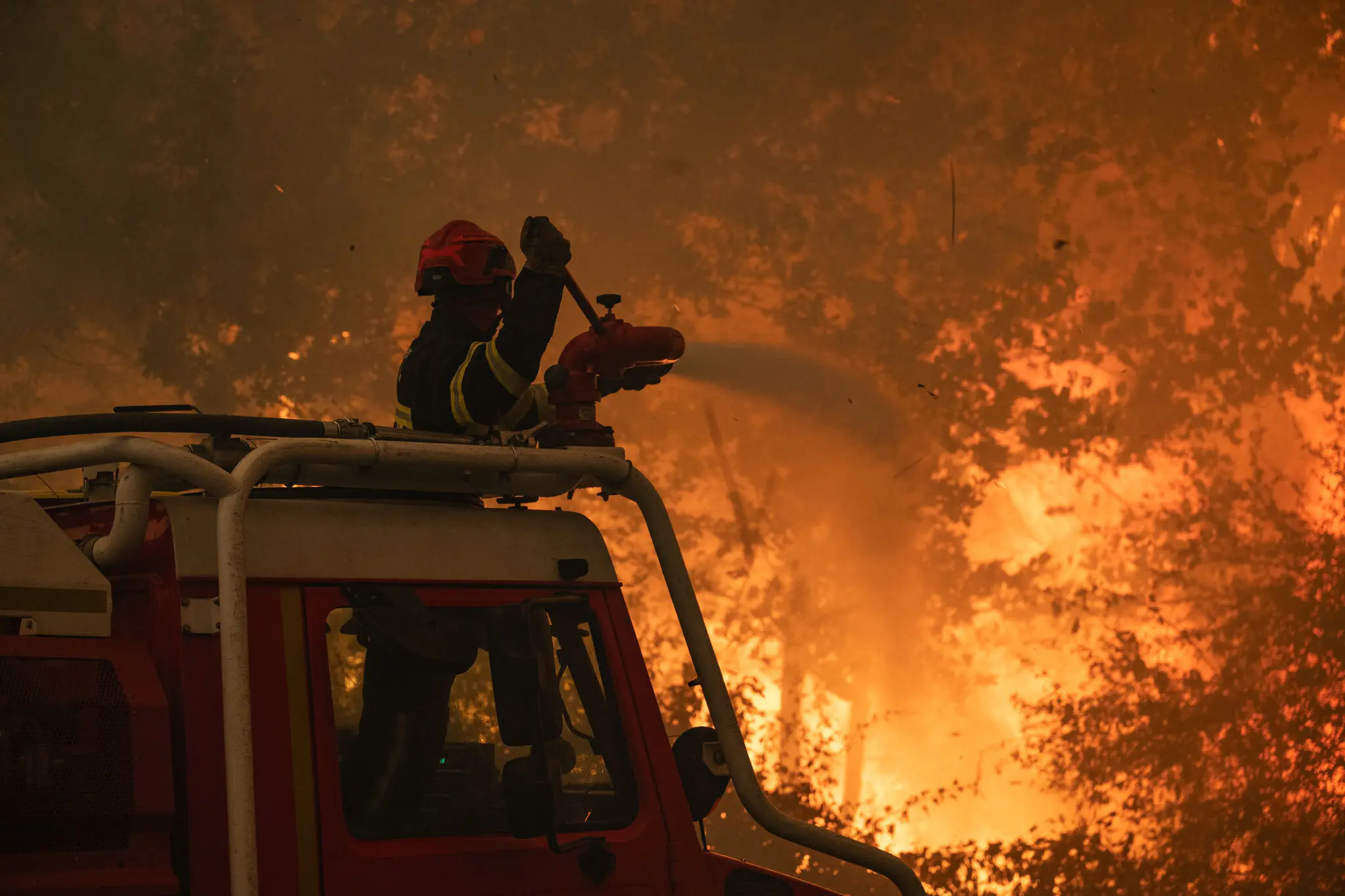
















The devastating wildfires sweeping across France and Spain are not an isolated natural disaster. They are the culmination of an extraordinary summer marked by record temperatures, weeks without meaningful rainfall and increasingly dry vegetation that created ideal conditions for fast-moving fires.
The regions now burning were among those hardest hit by intense heatwaves in June. Prolonged high temperatures drained moisture from forests, grasslands and shrubs, while persistent dry winds accelerated the spread of flames. A wildfire may begin with a single spark, but its scale is determined long before ignition by the condition of the landscape itself.
Although scientists cannot directly attribute any individual wildfire to climate change, the broader pattern is well understood. Rising global temperatures driven by fossil fuel emissions increase the likelihood of extreme heat, while warmer and drier conditions create what climate researchers describe as "fire weather"—the combination of high temperatures, drought, low humidity and wind that allows fires to spread rapidly.
As Daycom's earlier analysis suggests, the most important change is not simply rising temperatures but the accumulation of environmental stress. When weeks of extreme heat are combined with almost no rainfall, vegetation ceases to function as a natural barrier and instead becomes continuous fuel. That accumulated dryness makes fires larger, faster and significantly harder to control.
Western France provides one of the clearest examples. The Bordeaux region, where thousands of residents have been evacuated from surrounding communities, experienced its hottest period on record in late June, with temperatures reaching 42 degrees Celsius for three consecutive days.
Since the beginning of June, Bordeaux has recorded twenty days with temperatures above 35 degrees Celsius. During the same period last year, there were only five such days. Rain fell only a handful of times and never in sufficient quantities to restore soil moisture or meaningfully reduce fire risk.
June also became the hottest ever recorded in Western Europe. France and Spain simultaneously experienced widespread drought and soil moisture levels well below seasonal averages. Under these conditions, even highly equipped firefighting services encounter the physical limits of what they can contain.
Europe is warming faster than any other continent, and the consequences now extend well beyond forest fires. Water levels on the Danube have fallen enough to disrupt shipping, cargo vessels on the Rhine have been forced to reduce loads, the Netherlands has declared a water shortage and much of France has introduced restrictions on water use.
These developments all stem from the same underlying process. Persistent drought combined with extreme temperatures accelerates evaporation, dries soils, lowers river levels and weakens vegetation. Wildfires may be the most visible consequence, but they are only one part of a much broader climate-driven crisis.
For France, the current season has already become the country's worst in at least two decades. The number of major fires and the total burned area have exceeded previous records while much of the summer still remains. More than 300 significant fires have already burned over 70,000 hectares.
The contrast with previous decades is striking. Between 2006 and 2015, France averaged roughly fifteen major wildfires each year. That comparison does not mean every future season will resemble 2026, but it demonstrates how quickly extreme weather can overwhelm historical patterns.
Spain has not yet reached the level of destruction seen during its exceptionally severe fire season last year, yet the danger remains far from over. Across Europe, wildfire risk traditionally peaks during the second half of July and throughout August, leaving significant potential for further outbreaks.
Ironically, Europe has become better at fighting wildfires while the environmental conditions themselves have become more dangerous. Since the 1980s, improvements in monitoring systems, emergency coordination and firefighting strategies have helped reduce the average annual burned area across much of the Mediterranean.
Those gains, however, are increasingly offset by climate extremes. When temperatures exceed 40 degrees Celsius, humidity collapses and shifting winds drive flames in unpredictable directions, even the best-equipped emergency services struggle to contain rapidly expanding fire fronts. Institutional preparedness is gradually being outpaced by accelerating climate risk.
Another emerging concern is geography. Wildfires are increasingly appearing in parts of Central and Northern Europe that historically faced relatively low fire risk. Infrastructure, evacuation planning and emergency services in many of these regions were never designed for Mediterranean-style wildfire seasons.
That shift is gradually redrawing Europe's map of climate risk. Wildfires are no longer confined primarily to Portugal, Spain, southern France, Italy and Greece. Conditions favorable to major fires are expanding northward, reflecting broader changes in regional weather patterns.
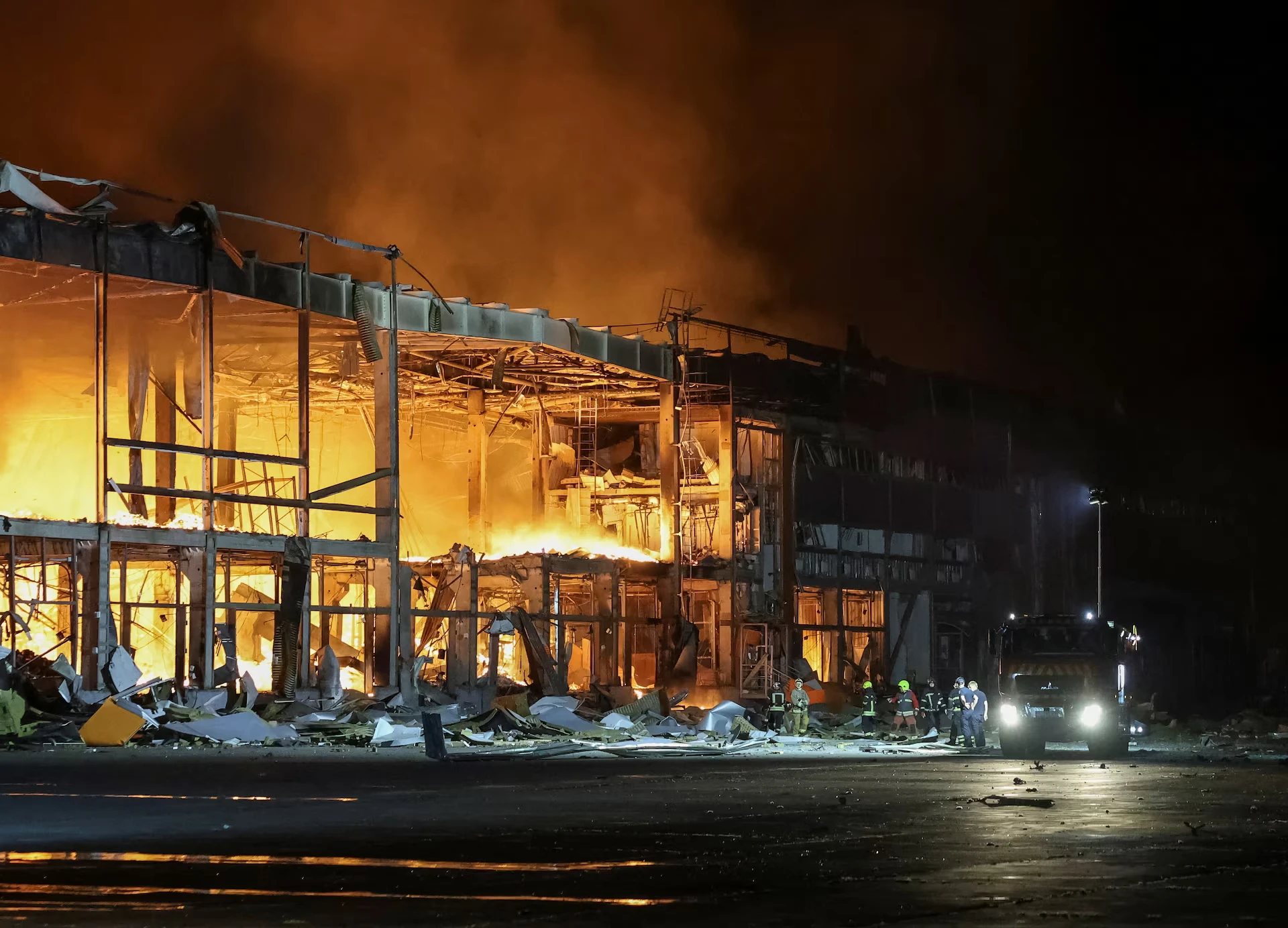
The consequences extend well beyond environmental damage. Fires destroy homes, force mass evacuations, damage tourism, vineyards, farms and protected ecosystems. Smoke degrades air quality hundreds of kilometers away, while suppression and recovery costs place growing pressure on public finances.
Rural communities face particularly difficult challenges. Population decline, abandoned farmland and the accumulation of unmanaged vegetation create additional fuel for future fires. Areas once maintained through agriculture and grazing increasingly become continuous landscapes of dry biomass ready to ignite.
Europe's response therefore cannot rely solely on more aircraft and additional firefighting equipment. Effective adaptation also requires better forest management, removal of hazardous vegetation, restoration of water systems, stricter planning near wildland areas and stronger evacuation strategies. Wildfire policy is becoming an essential component of climate adaptation.
Yet adaptation alone has limits. Governments can prepare more effectively for heatwaves, drought and fires, but they cannot indefinitely offset rising temperatures. Without meaningful reductions in greenhouse gas emissions, every new decade is likely to increase the probability that ordinary summers evolve into prolonged environmental emergencies.
The fires burning across France and Spain illustrate how climate change operates in practice. It does not necessarily ignite the first flame, but it prepares the landscape for combustion. Heat dries forests, drought lowers water supplies and wind transforms isolated fires into regional disasters.
This summer, Europe has experienced not a series of unrelated events but a connected chain of climate extremes. Record temperatures, water shortages, shrinking rivers and widespread wildfires all form part of the same system. The lesson is increasingly clear: wildfire season begins long before the first spark—it starts during the weeks of relentless heat, drying landscapes and delayed action.