

















Mykhailo Fedorov’s dismissal as Ukraine’s defense minister was not just a personnel decision. It exposed a tension that had been building inside the country’s wartime machine: the clash between a technological model of war built around drones, fast decisions and digital platforms, and an older military hierarchy.
Fedorov, who became the public face of Ukraine’s defense modernization, defended his record and effectively accused Commander in Chief Oleksandr Syrskyi of blocking change. His remarks came as protesters gathered in Kyiv, Kharkiv, Odesa and Lviv, demanding that the decision to remove him be reversed.
For Ukraine, this is a rare wartime moment: society is taking to the streets not over peace talks or domestic prices, but in defense of military reform. Protesters saw Fedorov’s dismissal not as an ordinary rotation, but as a victory for a system that has failed to keep pace with the new logic of the front.
According to Daycom’s earlier analysis, the core of this crisis is not the personal conflict between Fedorov and Syrskyi. It is the question of who will define the future of Ukraine’s army: a command tradition shaped by the Soviet school, or a generation that has made unmanned systems, digital procurement and asymmetric strikes central to the war.
Fedorov served as defense minister for only six months, but his political weight went far beyond the length of his tenure. He embodied a shift from defense as a closed bureaucratic structure to defense as a technological ecosystem. His name became associated with drones, long-range strikes, rapid production and an effort to give the front tools without waiting for slow approvals.
That image was especially powerful because the war in recent months appeared, in the eyes of many military analysts, to be shifting in Ukraine’s favor. Strikes deep inside Russia, the campaign against Crimea’s logistics, attacks on oil infrastructure and pressure on sea routes created a sense that Kyiv had found an asymmetric pressure capable of changing Moscow’s behavior.
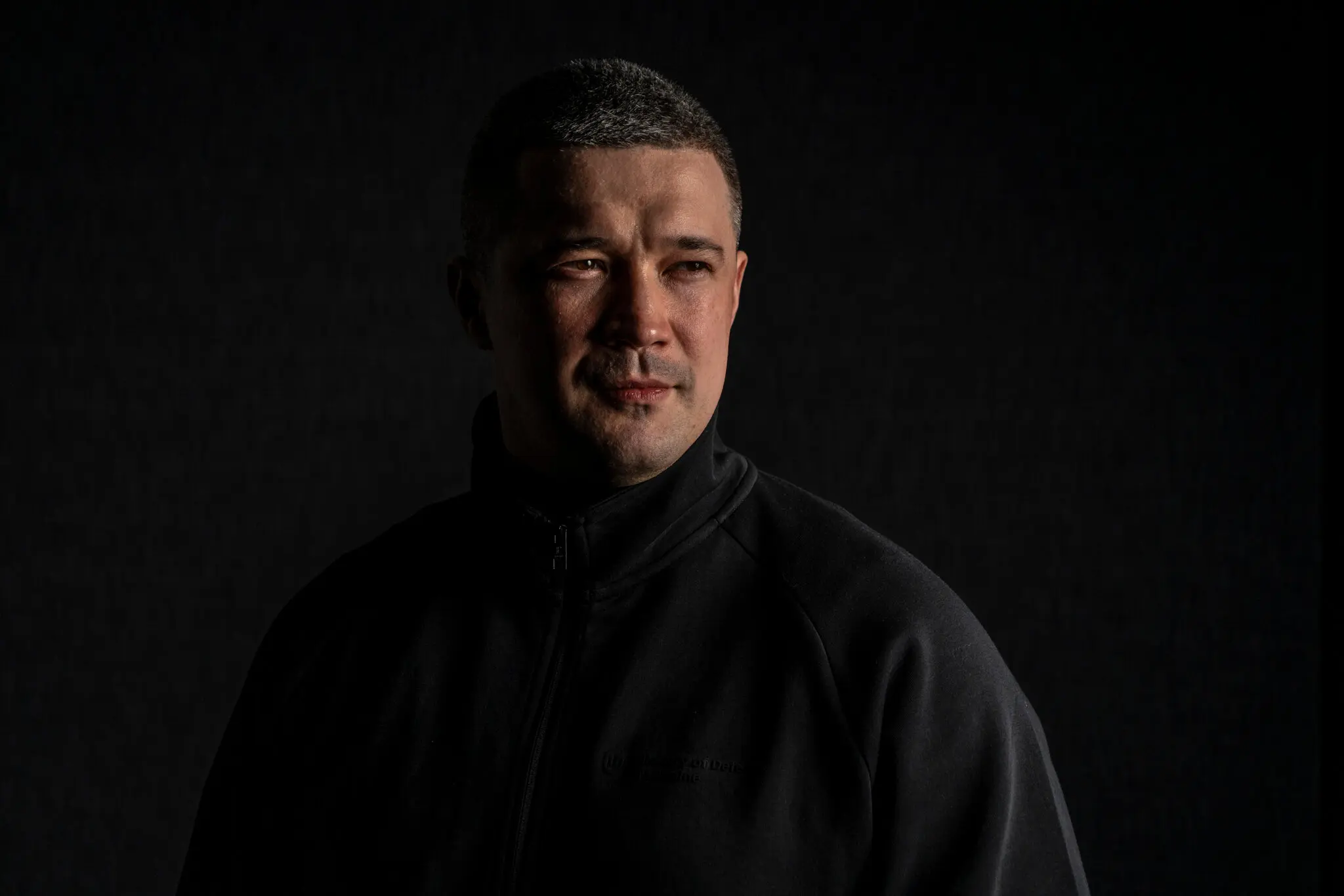
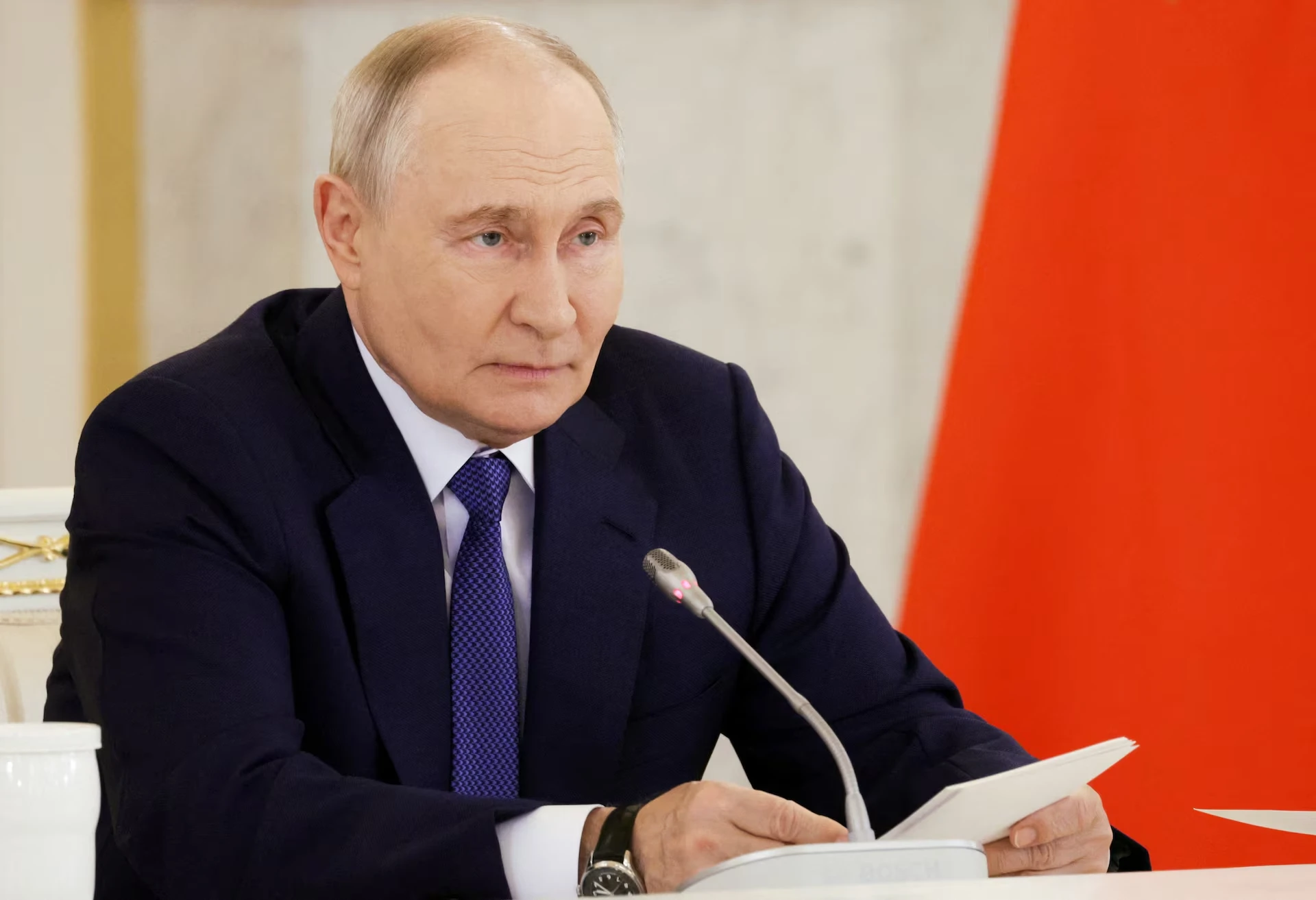
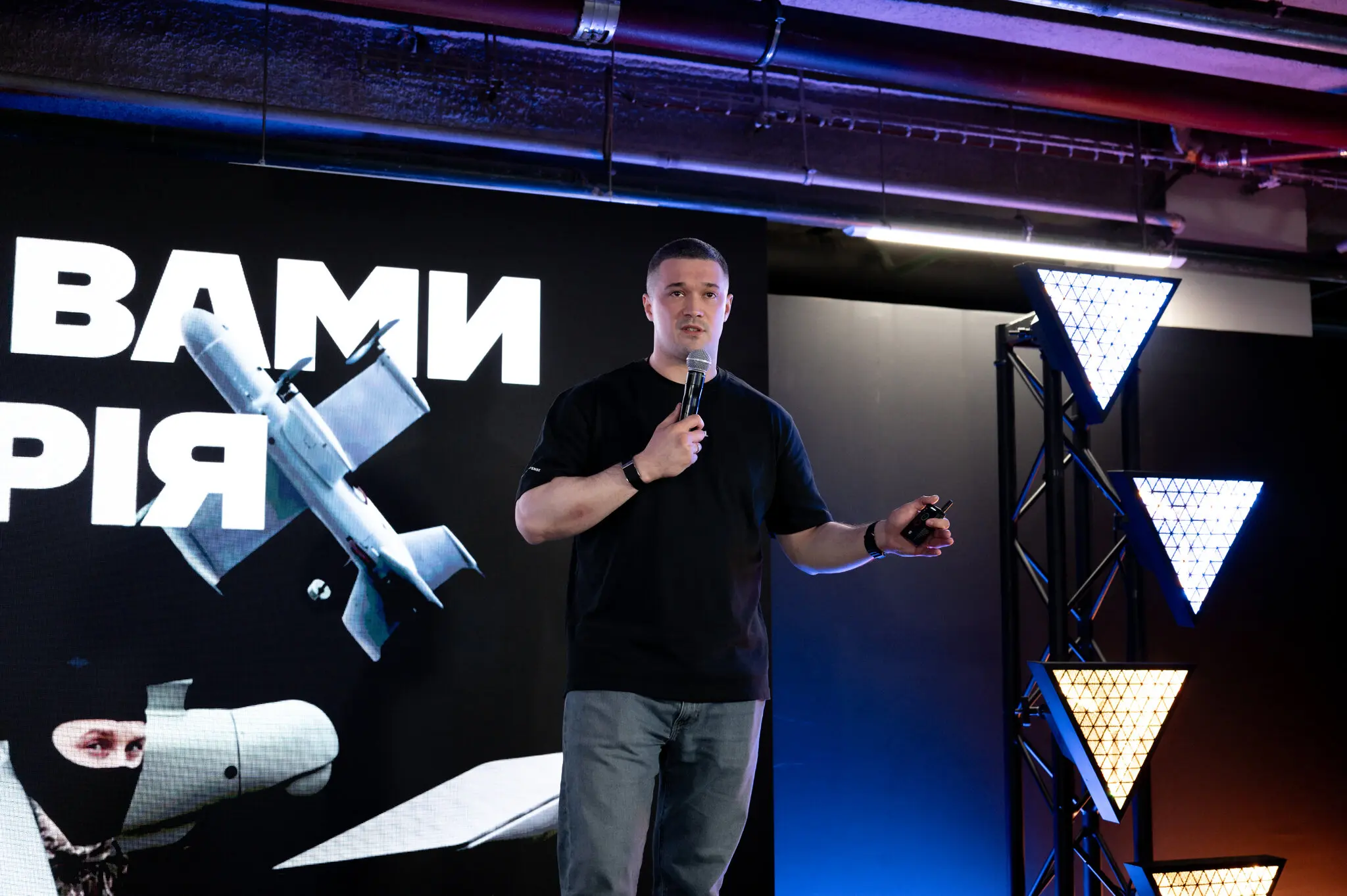 Пан Федоров у Києві у четвер. Він був обличчям технологічних інновацій української армії — Єджей Новіцький
That is why the minister’s removal at this particular moment was seen as a blow against what was working. The slogans on cardboard signs were simple but politically precise: bring back Fedorov, do not break what is effective, do not hand the army back to old methods. In Kharkiv, people chanted “Shame.” In Kyiv, they demanded Syrskyi’s resignation. Online, anger quickly became national.
It is only the second major eruption of street politics in Ukraine during the full-scale war. The previous one was linked to threats against anticorruption institutions and forced the authorities to retreat. This protest has a different cause, but the same logic: society is showing that war does not cancel public oversight of power.
Volodymyr Zelensky acknowledged the split and said that in such circumstances one has to choose a side. The phrase matters because it shows the scale of the conflict. This is not a misunderstanding between officials. It is a struggle inside the state system, where the president must balance the political legitimacy of a reformer against the military chain of command.
Syrskyi responded cautiously, stressing the need to focus on the war and an effective strategy. But that is exactly where the dispute lies: what counts as effectiveness. For the old army school, it means manageability, discipline, hierarchy and control. For the new military-technological culture, it means speed, scaling, unit autonomy, drones, data and the ability to strike where Russia does not expect it.
Fedorov tried to build the second model. His programs gave soldiers broader access to weapons, encouraged competition among producers, accelerated procurement and opened space for new companies. Such a system inevitably touched older interests: defense contractors, bureaucratic channels, command habits and those accustomed to solving everything through hierarchy.
There is no simple moral geometry in this conflict. An army fighting a large war cannot be a chaotic start-up. It needs discipline, planning, responsibility and unified command. But it also cannot remain a system that slowly digests innovation while the enemy adapts every day and searches for weak points.
Ukraine’s advantage in this war has often been born precisely where the formal system was too slow. Volunteer networks, private manufacturers, IT specialists, unmanned-systems units, small development teams and frontline operators created a model that Russia long underestimated. The removal of the person who symbolized that direction naturally raised fears of reversal.
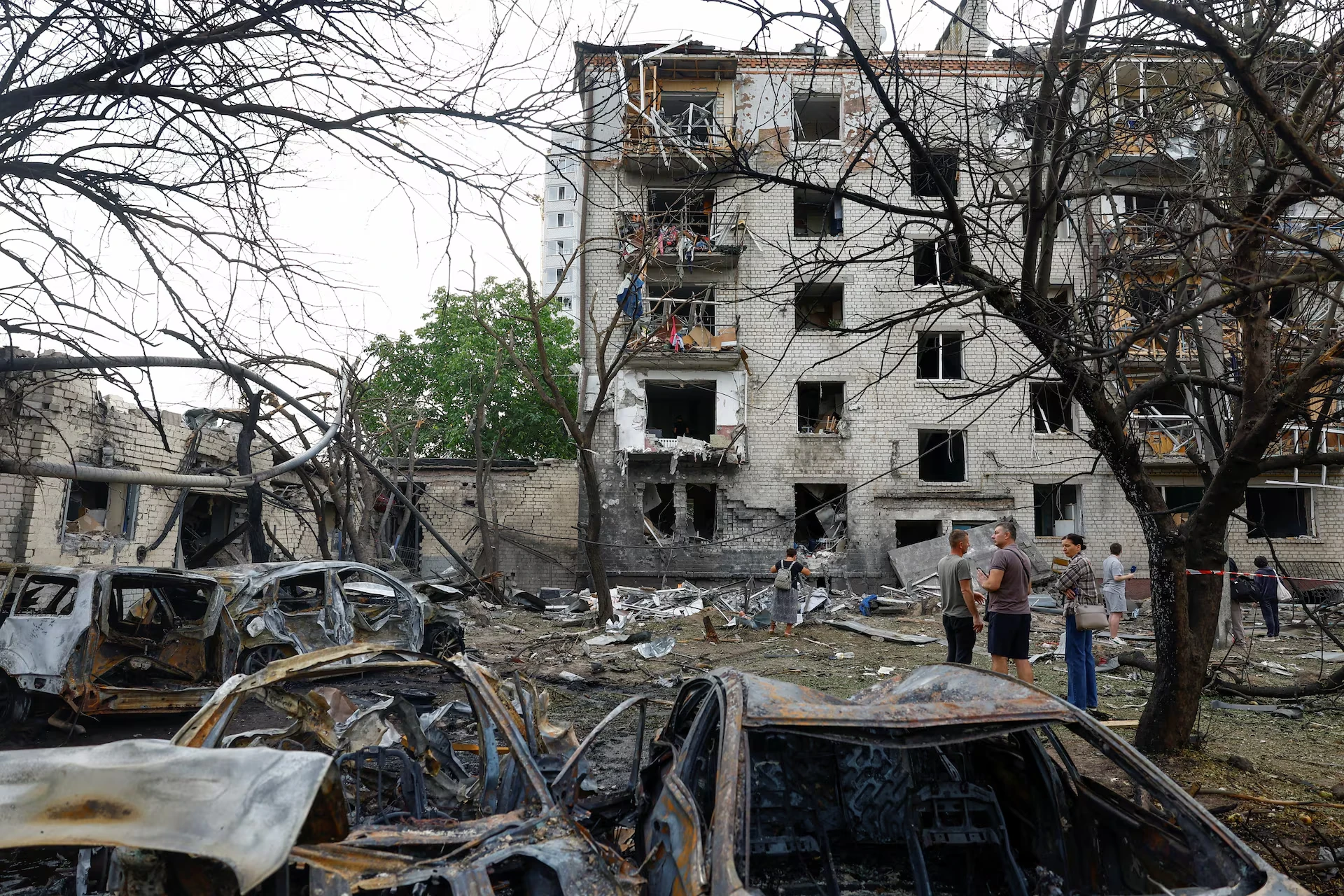
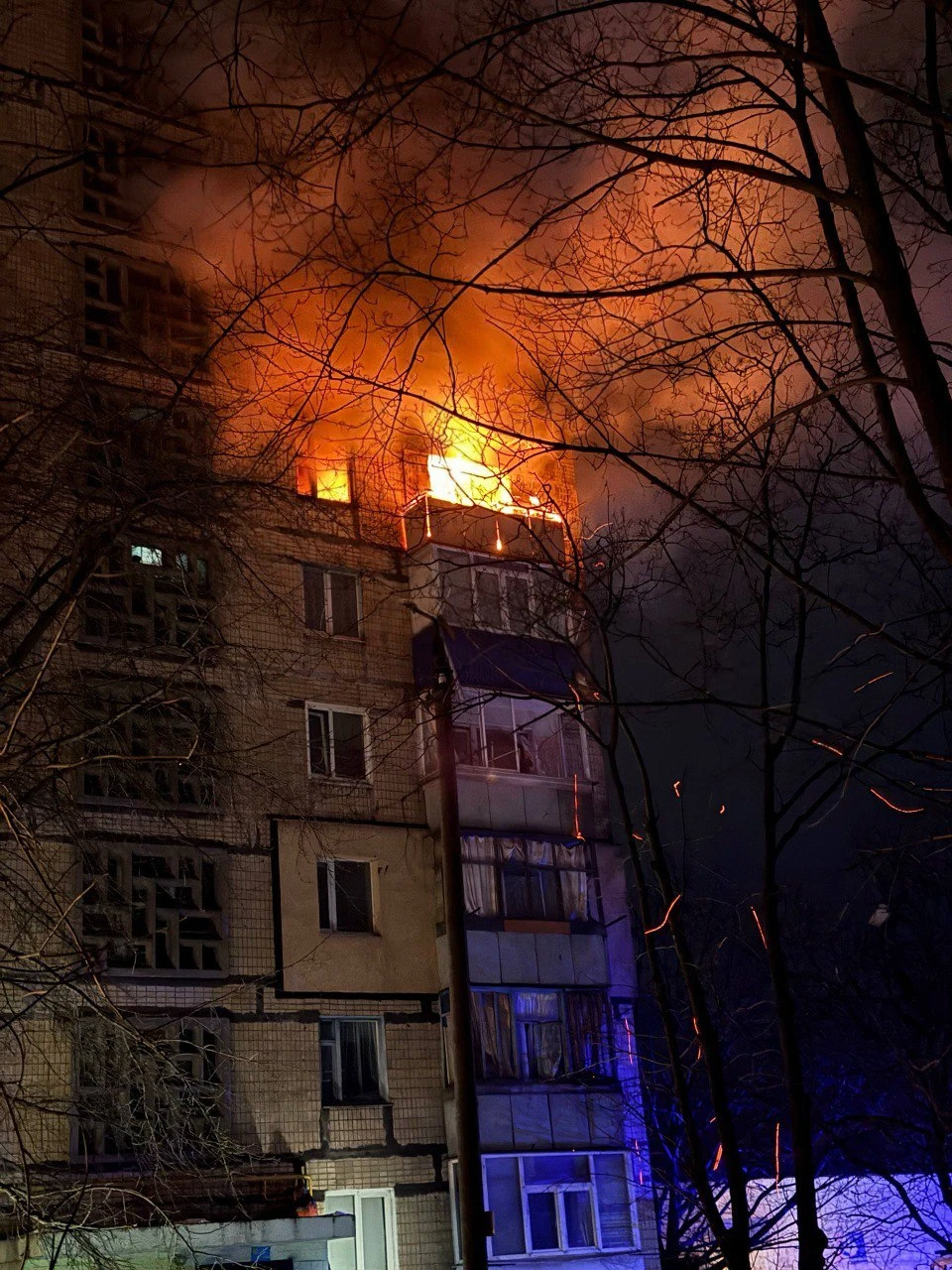
That fear is especially sharp in Kharkiv, Kyiv and other cities living under constant threat of missile and drone strikes. For people there, technological superiority is not an abstract discussion about reform. It is the question of whether the next missile will be intercepted, whether a Ukrainian drone will reach a Russian depot, whether the front will have enough tools to stop an offensive.
Against that backdrop, Fedorov’s dismissal became a symbolic mistake by the authorities, even for those who do not know all the internal details. It coincided with a moment when society wanted confidence that a successful trajectory would continue. Instead, it saw rupture, personal accusations and the risk that internal struggles for influence matter more than the pace of the war.
The reaction from the military added another layer of tension. The resignation of a senior Air Force officer in protest showed that dissatisfaction was not limited to civilian activists. If parts of the military also see the dismissal as a threat to defense capability, a personnel decision becomes an institutional crisis.
Public support for Fedorov also reflects the fact that he spoke the language of results. Ukrainian strikes on Moscow, the campaign against Crimea, long-range drones and digital solutions produced visible effects. People saw not presentations, but consequences: explosions at Russian refineries, disrupted routes, limits on fleet activity and a rising cost of war for the Kremlin.
That is why the slogan “Fedorov means innovation, old generals mean degeneration” appeared so often on protest signs. It is crude, but it captures the emotion of a generation that does not want to return to an army where decisions move more slowly than drones. Ukrainians have paid too high a price to let the system become self-contained, closed and indifferent to efficiency again.
For Zelensky, the situation is dangerous. The president who held together an international coalition and became a symbol of resistance now risks facing protest from his own wartime society. This protest is not pro-Russian, not antiwar and not aimed at weakening defense. On the contrary, it appeals to victory. That makes it harder to dismiss as emotion or political theater.
The Kremlin certainly benefits from Ukrainian internal divisions, but that does not mean every criticism of the authorities is a gift to Moscow. Wartime democracy lives by a more complex logic. It must hold the front and allow society to correct government mistakes at the same time. If that mechanism disappears, the country loses one of its main differences from the enemy.
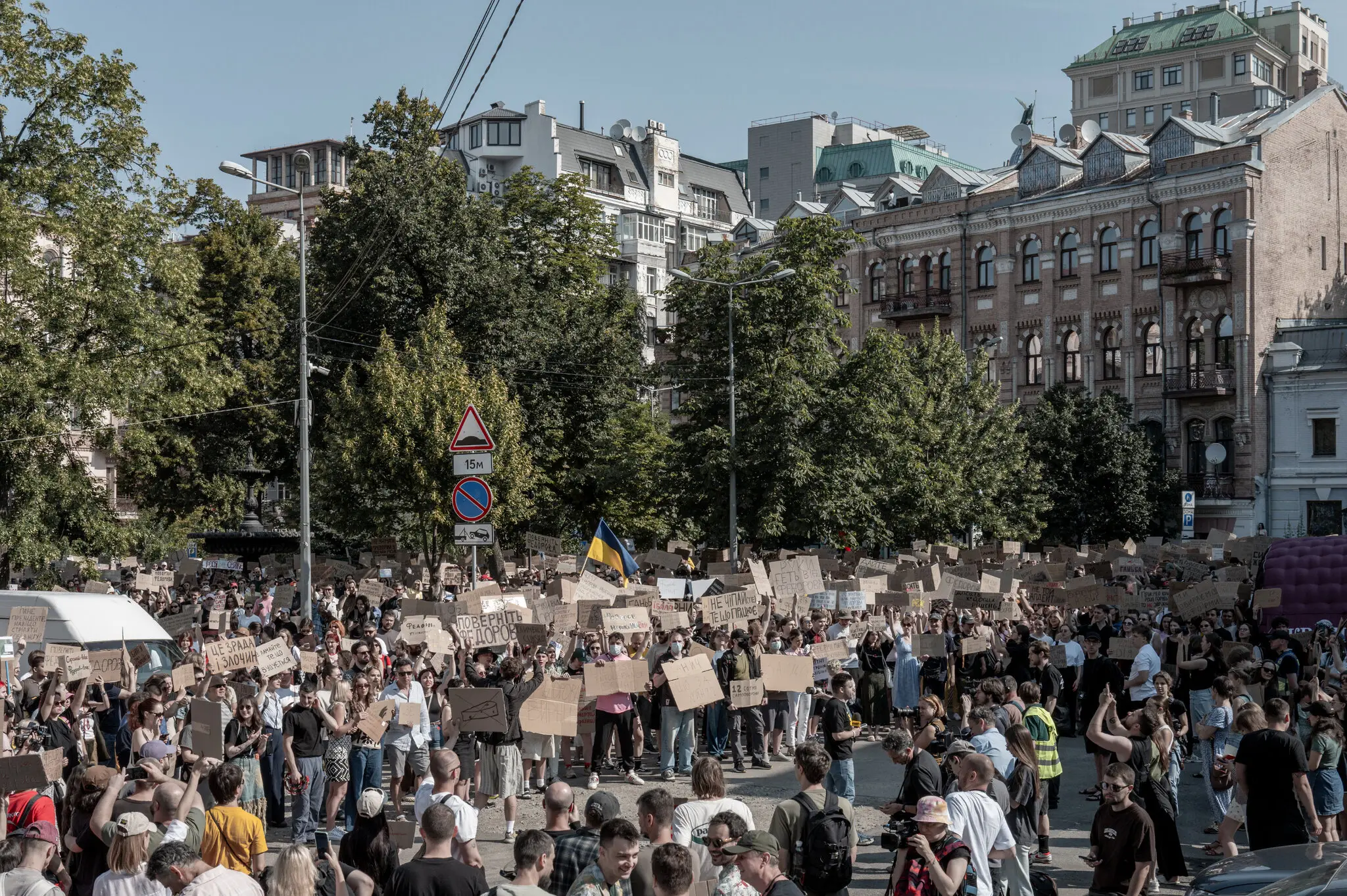 Протест у Києві, столиці України, у четвер — Єджей Новіцький
The problem for the presidential administration is that Fedorov’s dismissal came without a persuasive public explanation. When society sees results and does not hear a clear reason for dismantling a team, it fills the silence with suspicion. In a war where trust is a resource as important as ammunition, such a vacuum is dangerous.
Parliament’s delay in approving a new defense minister suggests that the president’s decision may have a more complicated path than expected. If lawmakers feel public pressure, a reshuffle could turn into a political test for the entire power structure. The appointment of an acting minister only underlines that the crisis is not over.
For Ukraine, the most damaging scenario would not be the dismissal itself, but the freezing of reforms. If the state preserves the course after Fedorov — drones, digital procurement, rapid scaling of production, transparency and technological asymmetry — the conflict can become a painful but manageable phase. If the system rolls back, the protest will be proved right after the fact.
The war with Russia has long moved beyond an artillery contest. Its outcome increasingly depends on production speed, data quality, cheap mass solutions, strike range, air defense and the ability to learn faster than the enemy. This does not negate the role of generals. But it reduces the right of an old hierarchy to block what works.
The Fedorov crisis is a warning to Ukraine’s authorities: society is not ready to watch silently as effective tools are broken during the war. It can endure restrictions, losses and exhaustion. It is much less willing to endure the feeling that a winning trajectory is being stopped by internal ambition.
In this conflict, victory is needed not by Fedorov and not by Syrskyi. It is needed by an army that must receive the best model of command, not a winner in an internal power struggle. If Ukraine can combine command discipline with technological speed, it will emerge from the crisis stronger. If not, the dismissal of one minister will become a symptom of a deeper illness.
The central question today is not whether Fedorov returns to the defense ministry. It is whether his course remains part of Ukraine’s defense strategy. In a war where Russia has the advantage of mass, Ukraine can win only where it is faster, more precise, more flexible and bolder than the old military logic.