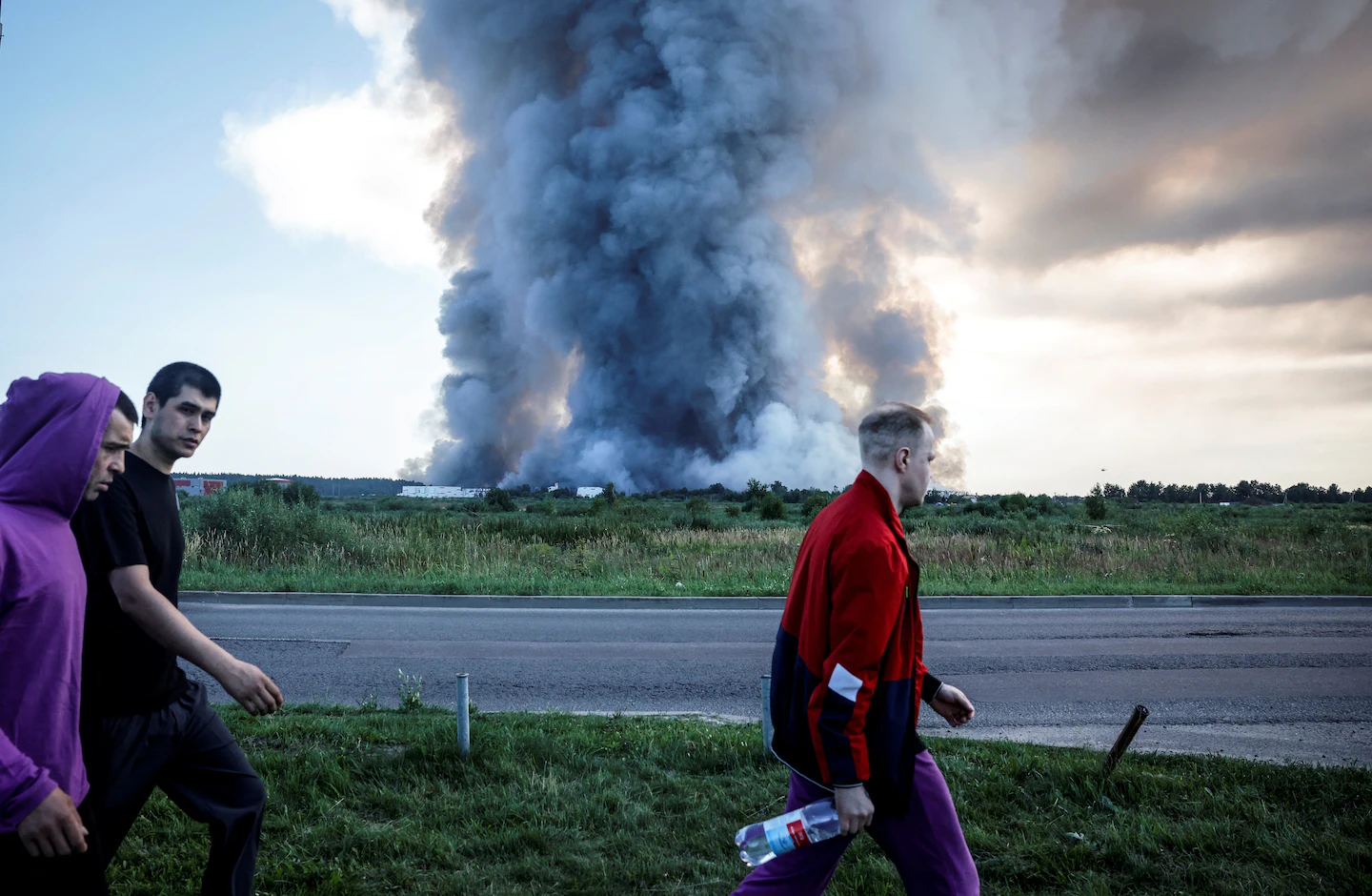























Thick black smoke rose over Yaroslavl after a fire broke out at one of Russia’s largest oil refineries. The facility lies more than 700 kilometers from the Ukrainian border and roughly 250 kilometers northeast of Moscow.
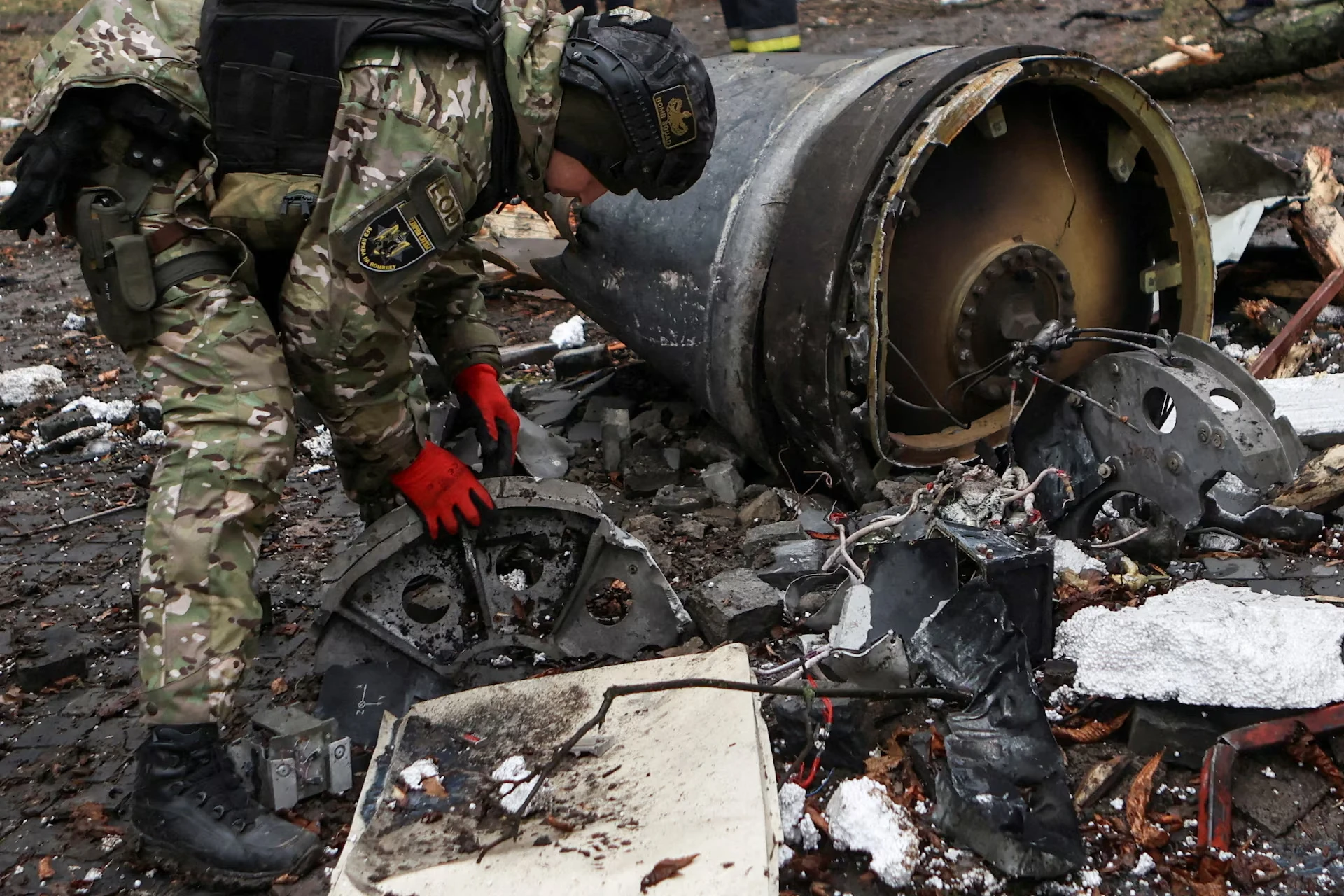
Russian authorities described the raid as the largest attack on the region since the war began. They said air-defense and electronic-warfare units had intercepted all 93 drones, yet debris struck refinery storage tanks. Four people were reported wounded by shrapnel.
The claim of a fully repelled attack sits uneasily beside a fire at a strategic industrial site. It illustrates a central problem for Russian air defense: even a drone destroyed directly above its target may still cause damage if its warhead, fuel or wreckage falls onto vulnerable infrastructure.
Daycom’s assessment is that the significance of the Yaroslavl strike extends far beyond the size of the blaze. Ukraine is showing that it can systematically push the war deeper into Russia, forcing Moscow to defend not just border installations but a vast network of refineries, storage tanks, pipelines and transport hubs.
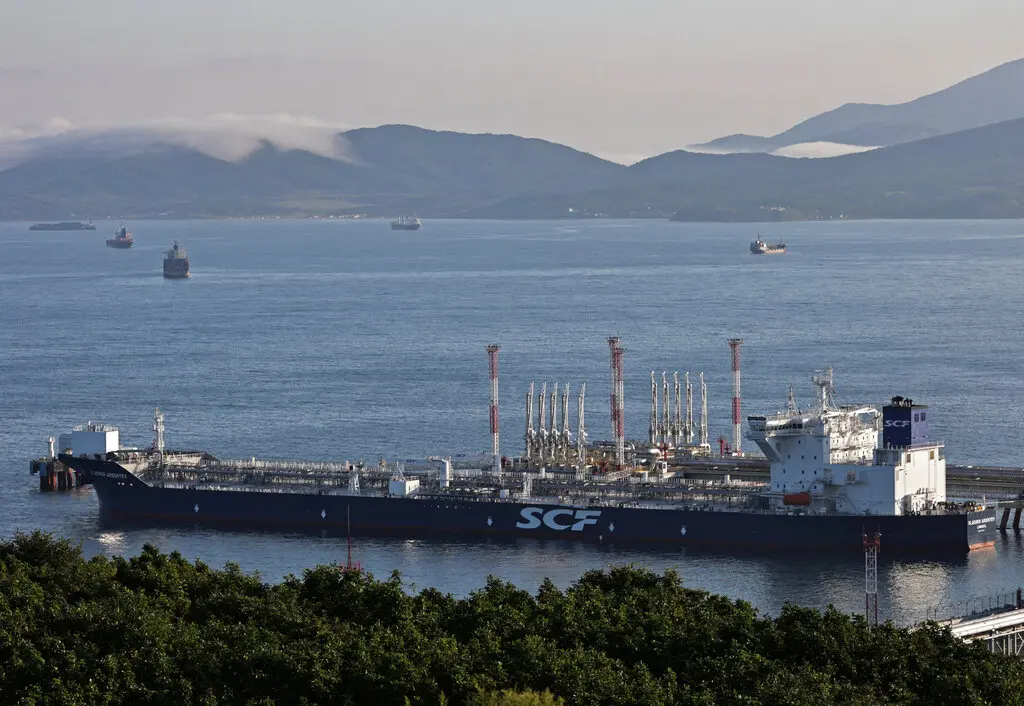
The target was the Slavneft-YANOS refinery, with annual processing capacity of roughly 15 million metric tons of crude, or about 300,000 barrels a day. The plant produces gasoline, diesel, aviation fuel, lubricants, bitumen, liquefied gas and other petroleum products.
This is not a peripheral fuel depot or a minor regional installation. The Yaroslavl refinery is an important part of central Russia’s fuel supply. Even a temporary reduction in output places additional pressure on other refineries, rail transport, reserve stocks and the domestic distribution system.
The same wave of strikes also hit the Bashneft-Novoil refinery in Ufa. Ukraine was therefore attacking major refining facilities in separate parts of Russia at roughly the same time, suggesting that the long-range campaign is no longer built around isolated targets of opportunity.
The geography matters. Russian defenses must now stretch across central regions, the Volga basin, Bashkortostan, the Black Sea coast, ports, fuel depots and military sites. Every additional location that requires protection increases the cost of leaving another one exposed.
Defending a major refinery requires radars, surface-to-air systems, electronic warfare and mobile firing groups. Those resources are finite. A battery deployed near an oil plant cannot simultaneously defend an air base, missile depot or settlement closer to the Ukrainian border.
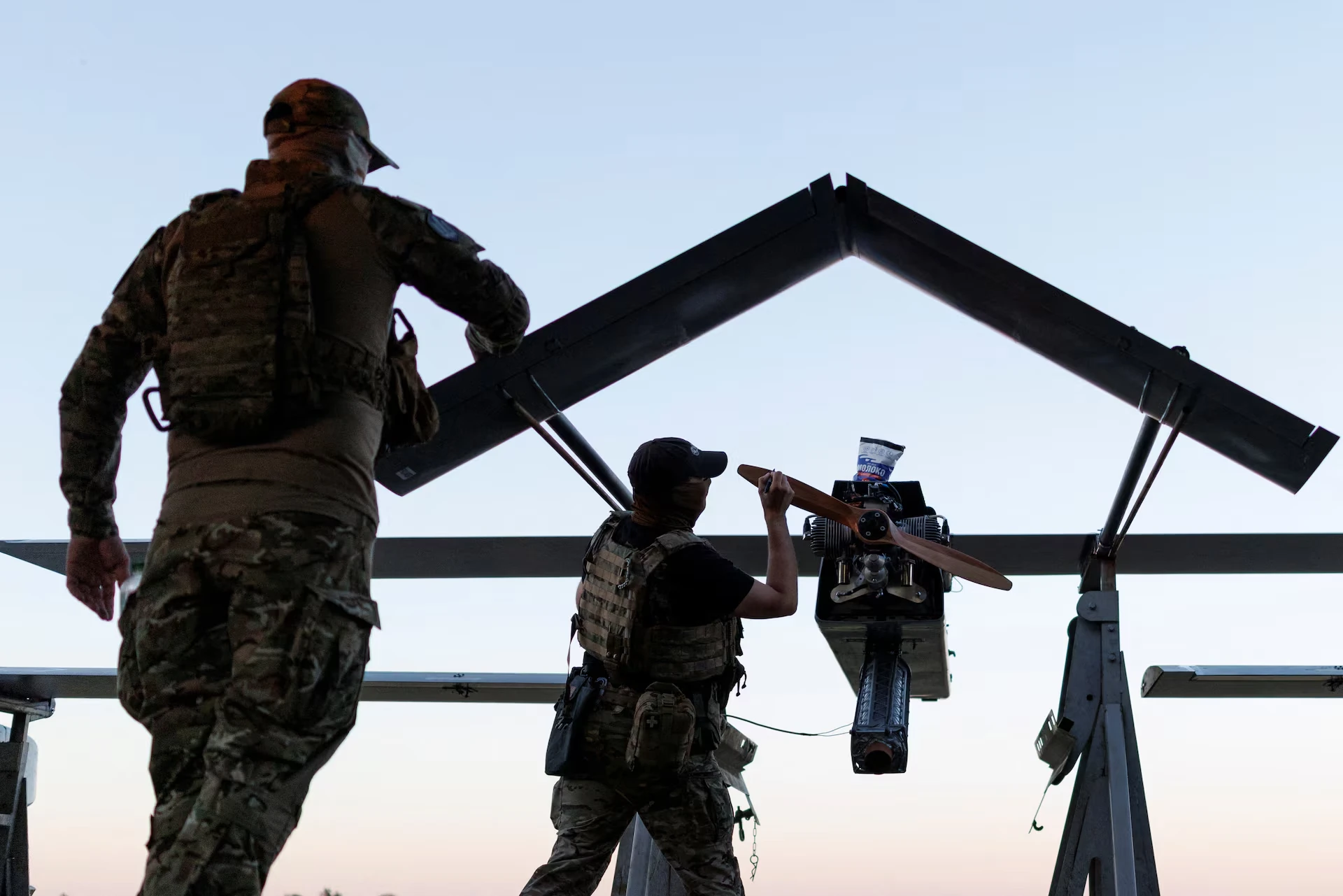
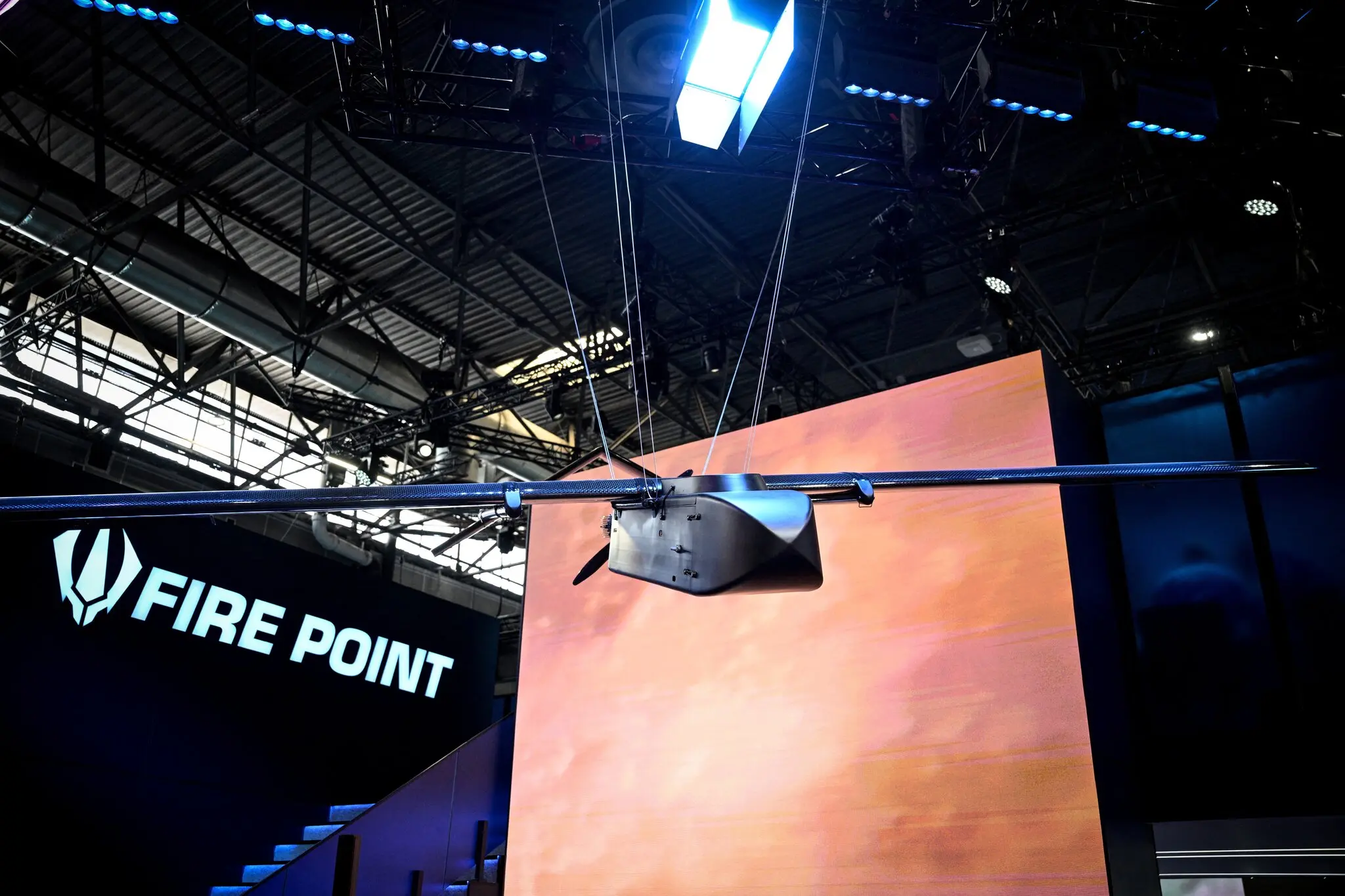
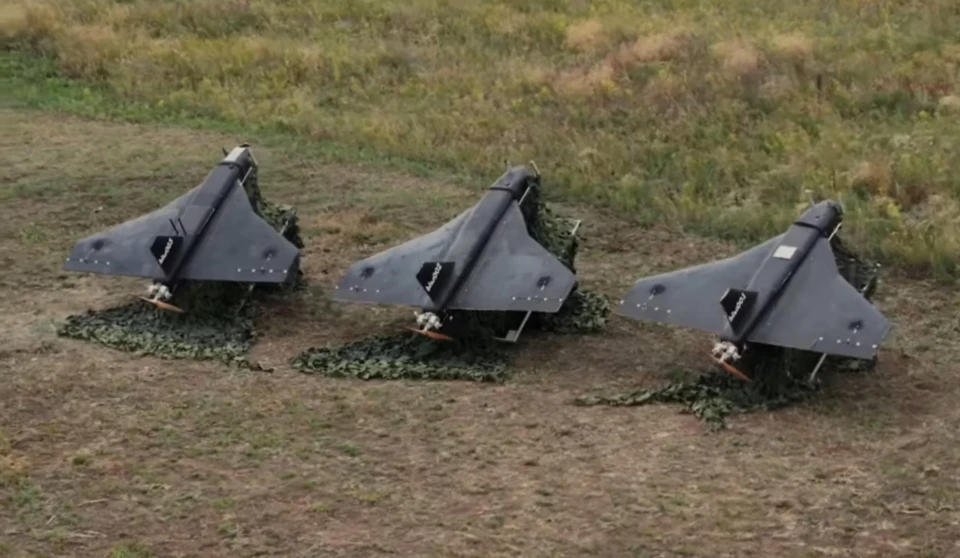
Long-range drones impose an unfavorable economic equation on Russia. A relatively inexpensive aircraft can force the use of costly interceptors, require permanent readiness and compel authorities to construct defenses around industrial sites designed in an era when such attacks were considered unlikely.
Oil refineries are particularly difficult to protect because of their size and complexity. Storage tanks, pipelines, pumping stations, electrical substations and primary processing units are spread across large areas. Building an impenetrable air-defense dome over all of them is practically impossible.
A fire by itself does not mean that an entire refinery has stopped operating. A burning storage tank can be isolated without causing prolonged production losses, while damage to a critical processing unit can remove part of a plant from service for weeks or months.
The strategic effect is therefore determined less by the height of the flames than by which components were hit. The full picture often emerges later through repair times, changes in processing volumes and disruptions in regional fuel movements.
Even repairable damage carries a cost. It requires spare parts, specialist crews, reserve equipment and components, some of which were once supplied by Western manufacturers. Sanctions have not halted Russian refining, but they have made complex repairs more expensive and slower.
Ukraine’s strategy increasingly rests on accumulating those costs. A single strike cannot alter Russia’s fuel balance. Repeated attacks can force repair teams to move from plant to plant, delay scheduled maintenance and push surviving units to operate under heavier loads.
That gradually reduces the resilience of the entire system. When several refineries are undergoing repairs simultaneously, even an unrelated technical failure elsewhere can produce regional shortages. Authorities may then have to redistribute reserves, curb exports or move fuel over much longer distances.
Refining matters to the war not only because of government revenue. Crude oil does not fuel tanks, trucks, aircraft or generators. Armies need diesel, gasoline, aviation kerosene and lubricants—the products that refineries turn crude into.
Russia has enough overall refining capacity to absorb the temporary loss of a single plant. But military logistics depend on more than total national output. Location matters, as do rail routes, fuel depots and the ability to move a particular grade of fuel quickly to the region that needs it.
Strikes on refining capacity therefore increase transport pressure. More fuel must be moved from distant facilities, adding strain to a rail network already carrying troops, ammunition, equipment and industrial cargo. A refining problem gradually becomes a logistics problem.
Uncertainty adds another layer. Plant managers do not know which facility may be targeted next, while regional governments must prepare for attacks they once considered remote. The war enters local budgets through surveillance systems, shelters, firefighting capacity and repair costs.
Yaroslavl is especially revealing because of the distance involved. The deeper Ukrainian drones reach into Russian territory, the fewer industrial areas remain genuinely safe. Strategic depth—long one of Russia’s fundamental advantages—is steadily losing its protective value.
That does not mean Ukraine can destroy any target at will. Most drones are intercepted, some are diverted, and their warheads are much smaller than those carried by ballistic or cruise missiles. But an attrition campaign does not require a perfect success rate.
It is enough for a few aircraft in a large wave to reach an industrial zone or to be destroyed directly above it. That is the paradox of reports claiming dozens of successful interceptions: tactical success for air defense can coexist with strategic success for the attacker.
Kyiv is, in effect, creating its own form of long-range sanctions. Western measures try to constrain Russian revenues through prices, exports and technology restrictions. Ukrainian strikes raise the physical cost of refining oil and protecting the energy infrastructure itself.
The two instruments operate differently but reinforce one another. Sanctions complicate access to equipment, while drone attacks increase demand for replacement parts. Export restrictions reduce revenue, while repairs add costs. Each serious new incident becomes more expensive than the last.
Russia will respond by reinforcing air defenses, dispersing stocks, adding electronic warfare and building physical protection around vulnerable units. Some facilities will receive netting or barriers. But an oil refinery cannot be relocated, and it cannot be completely hidden.
Moscow will also continue striking Ukrainian energy infrastructure with far greater explosive power. Russian missiles and drones systematically target power plants, gas facilities and transmission networks. The war is increasingly becoming a competition between the ability to destroy infrastructure and the ability to repair it faster than the enemy.
Ukraine’s main constraint remains the scale of long-range production. A sustained campaign requires more than occasional technical breakthroughs. It depends on serial output of engines, navigation systems, communications equipment and warheads. Every successful strike must be reproducible.
The Yaroslavl attack suggests that this scale is growing. Dozens of drones can now be launched in a single operation while targets are spread across distant regions. Russian defenses must prepare not for one aircraft slipping through, but for coordinated pressure across multiple directions.
The fire at Slavneft-YANOS will not by itself stop Russia’s war economy. It does, however, mean another repair effort, another air-defense deployment, another risk to fuel distribution and another reminder to Russian regions that distance no longer guarantees safety.
The real result of Ukraine’s campaign will not be measured by dramatic videos of burning refineries. It will appear in equipment downtime, lower processing rates, more expensive logistics, shortages of components and the need to defend thousands of kilometers of industrial territory.
Russia still possesses far greater resources and retains the capacity to repair damaged facilities. But every refinery now operates in a new reality: the front may be hundreds of kilometers away, yet the war can already be above its storage tanks. With each strike, Ukrainian drones are shortening that distance.