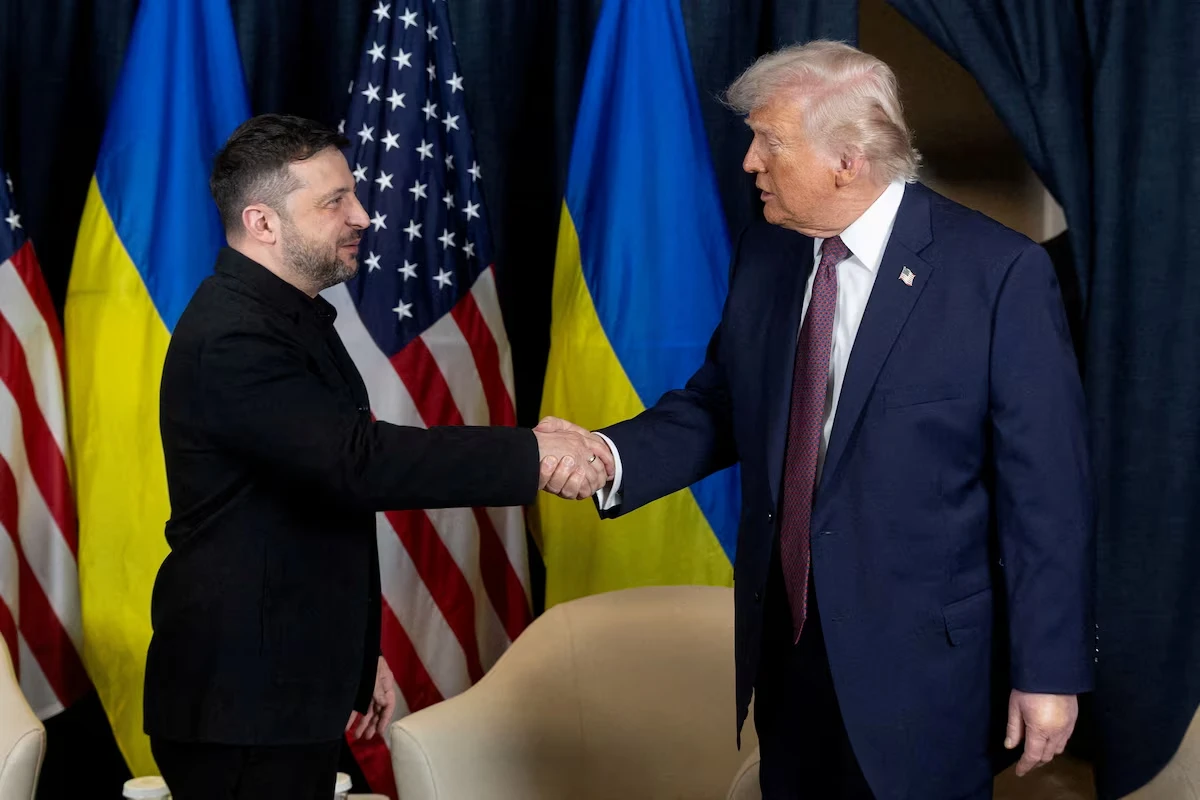



















The thaw between Donald Trump and Volodymyr Zelensky did not begin with reconciliation. Both presidents simply concluded that public confrontation had become more expensive than cooperation. What is now described as “better chemistry” is, above all, a new form of political calculation.
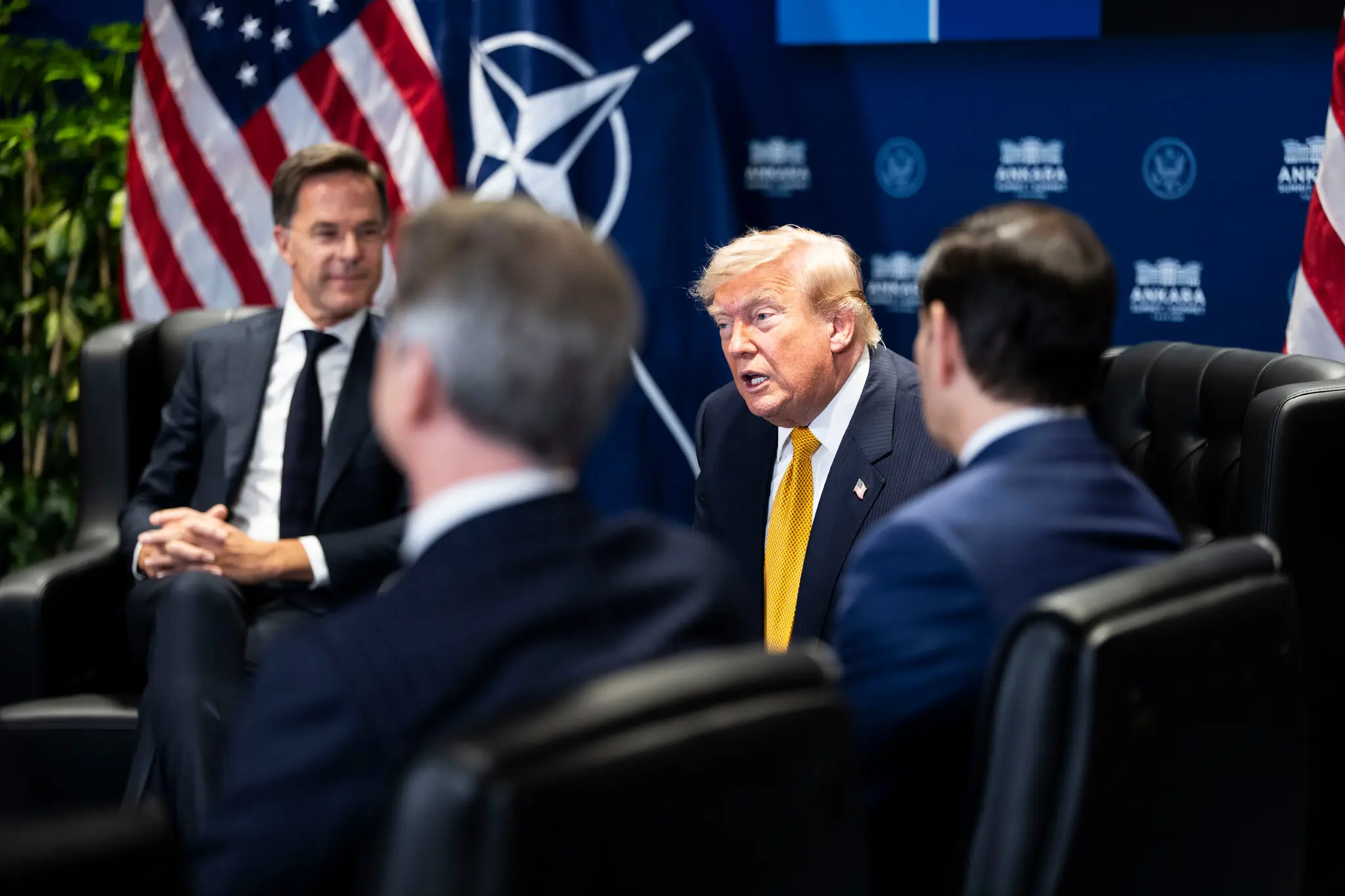
Zelensky arrived at the White House for talks on air defense, military production and the possible revival of negotiations over Russia’s war. He was also due to attend the funeral of Senator Lindsey Graham, Ukraine’s most influential advocate inside Trump’s political orbit.
The meeting comes at a moment when both leaders need a visible foreign-policy result. Zelensky is managing the domestic consequences of upheaval in Ukraine’s military leadership. Trump, meanwhile, is looking for a diplomatic success as tensions with Iran remain unresolved and the war in Ukraine continues without a credible path toward settlement.
According to Daycom’s earlier analysis, the warmer atmosphere does not mean that mutual trust has suddenly emerged. The more important change is that Ukraine has learned to speak to Trump in the language of strength, transactions and practical value, while Trump has begun to see Kyiv not only as a recipient of American support but as a source of military technology.
At the beginning of Trump’s second term, the relationship appeared close to collapse. Their first White House encounter ended in a public clash, after which Zelensky left earlier than planned. Washington sharply reduced military assistance, while Trump and his advisers repeatedly argued that Ukraine lacked the leverage to prevail.
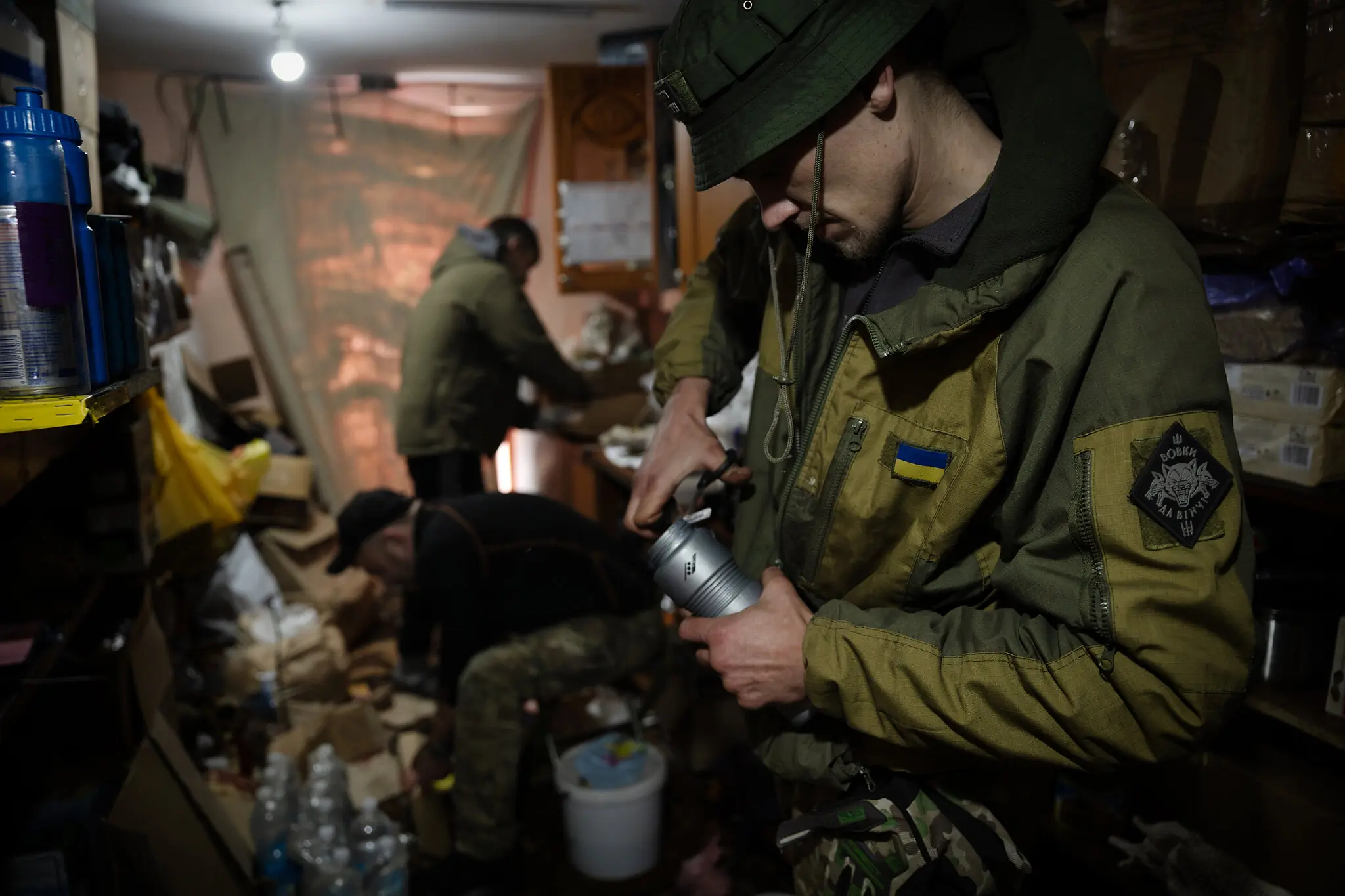
Kyiv’s diplomacy subsequently became less emotional and more disciplined. Zelensky stopped relying primarily on moral appeals about defending democracy. Instead, Ukraine began emphasizing what it could offer the United States: battlefield knowledge, rapidly developed drone systems, cheaper interception technology and experience from a high-intensity modern war.
That argument is better suited to Trump’s worldview. His foreign policy is built around deals, measurable returns and demonstrations of strength. Ukraine’s ability to continue resisting despite reduced American support altered its image in Washington. It began to look less like a state consuming resources and more like a partner with capabilities the United States may itself need.
The clearest example is the drone war. Ukraine has expanded production, increased strike range and developed lower-cost methods of intercepting unmanned aircraft. For the United States, facing the spread of Iranian drone technology across several theaters, that expertise is no longer relevant only to Ukraine.
This has created a new foundation for the relationship. Kyiv still needs Patriot interceptors and access to American defense technology, but it can now offer systems, manufacturing knowledge and operational experience in return. Cooperation on drone production turns military assistance into a more reciprocal exchange of capabilities.
The decision to allow Ukraine to produce Patriot interceptors marked one of the strongest signals of the shift. It offered Kyiv a path toward greater long-term independence in air defense and gave Trump a way to present support not as an open-ended transfer, but as an industrial agreement with shared benefits.
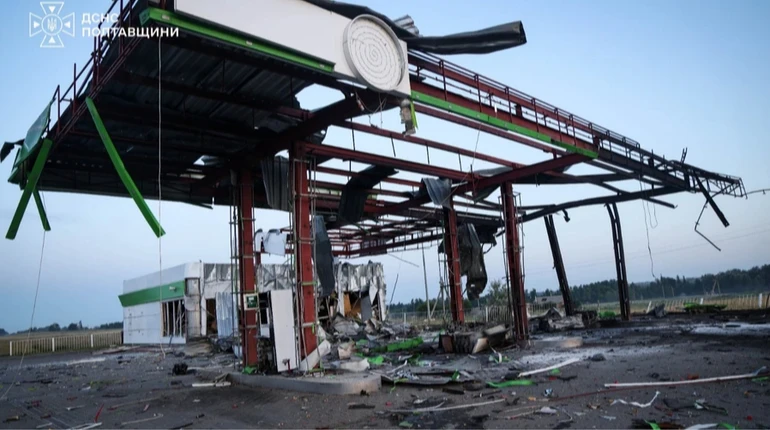
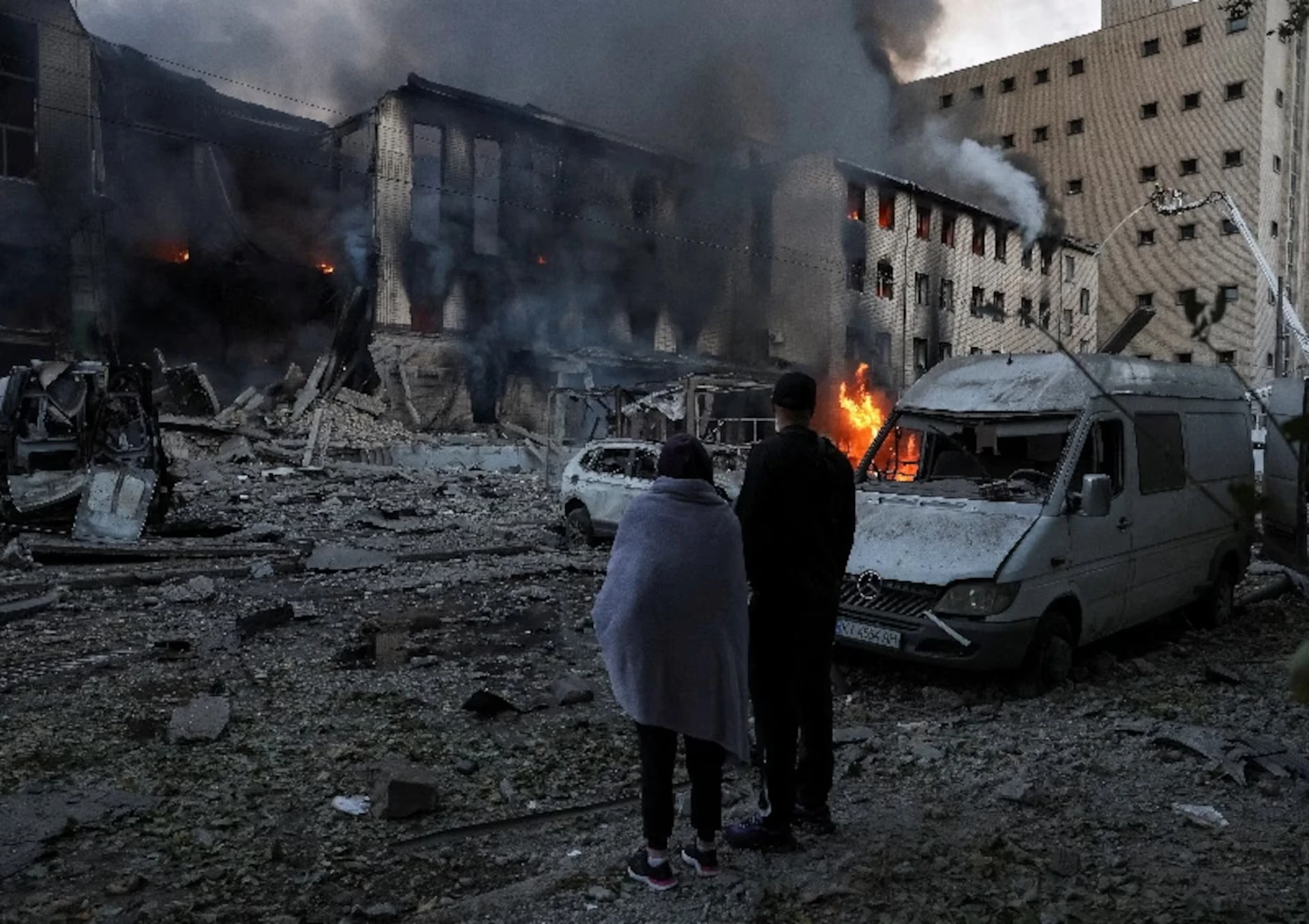
Yet a license is not a missile. New production lines require factories, trained personnel, supply chains, testing and years of investment. Ukraine’s air-defense problem operates on a much shorter timetable. Interceptors are needed before the next Russian strike, not after an industrial program reaches full capacity.
The real test of the new relationship will therefore be whether long-term manufacturing can be combined with immediate deliveries. Without a bridge between those two timelines, even a historic Patriot agreement would leave Ukraine exposed to the shortages Russia is exploiting now.
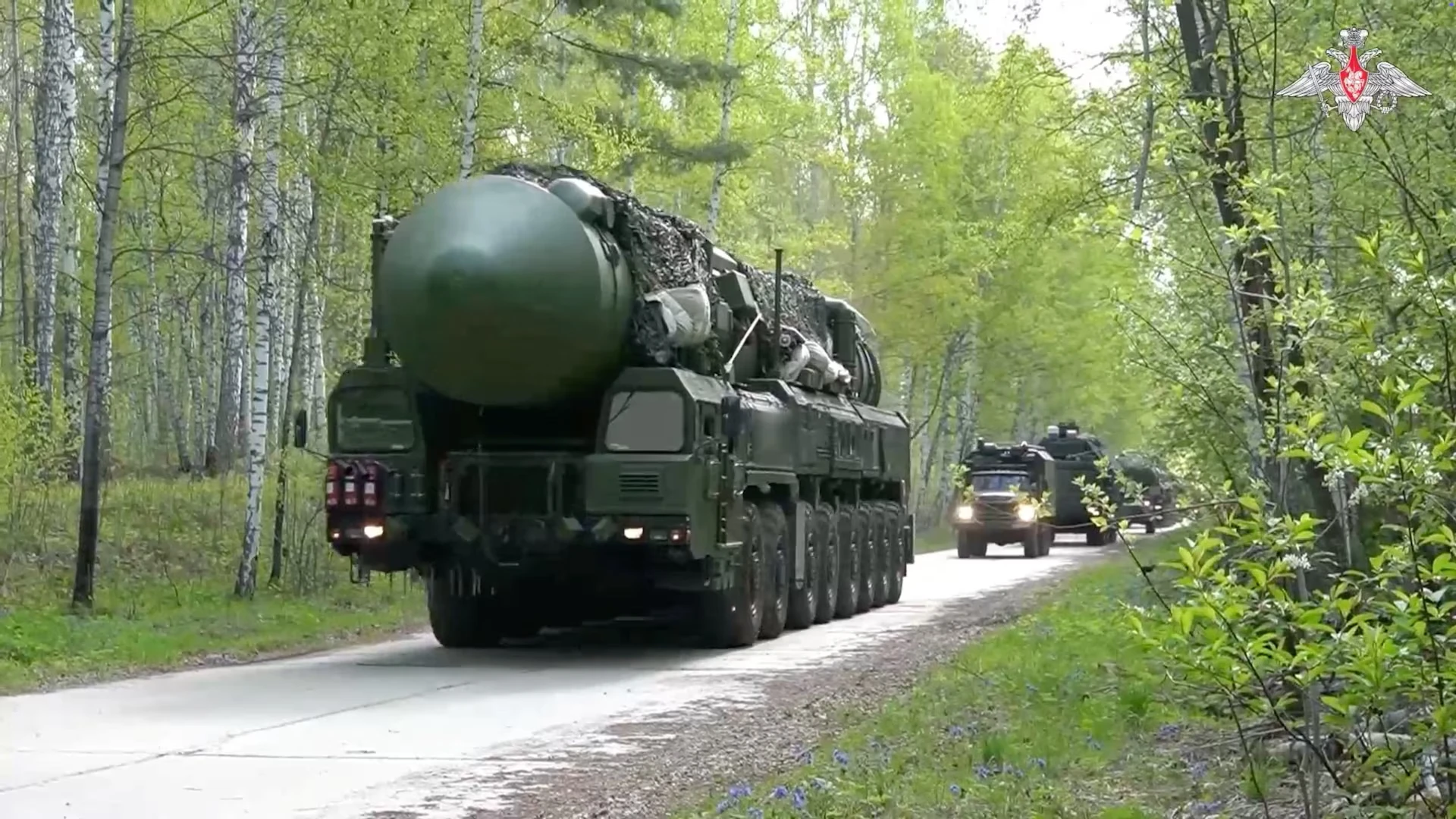
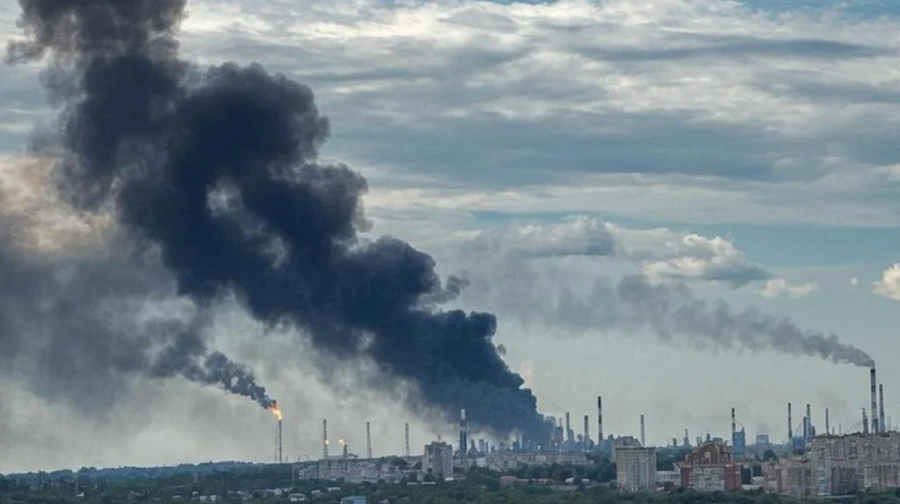
A limited halt to long-range air attacks may also be under discussion. Such an arrangement would give Trump a tangible diplomatic achievement, reduce pressure on Ukrainian cities and offer Moscow relief from strikes against military and industrial targets deep inside Russia.
But an air ceasefire would not automatically be balanced. Russia possesses a far larger arsenal of missiles, guided bombs and attack drones. Ukraine’s long-range operations partly compensate for its disadvantages on the ground. Poorly designed restrictions could remove one of Kyiv’s few instruments of pressure without stopping Russian advances.
Any agreement would therefore require precise definitions. It would need to specify which weapons are covered, what counts as a civilian target, how violations are verified and what consequences follow. Without enforcement, a pause could become an opportunity for Russia to rebuild missile stocks rather than a step toward a durable settlement.
Graham’s death adds a personal and political dimension to the meeting. He combined strong support for Ukraine with loyalty to Trump, promoted tougher sanctions on Russia and framed assistance to Kyiv as an expression of American power rather than charity.
His absence deprives Zelensky of a crucial intermediary. Graham could translate Ukraine’s strategic case into terms Trump found persuasive. He was also one of the few senior Republicans able to support Kyiv without appearing disloyal to the president.
The funeral may nevertheless increase the emotional weight of the Ukrainian question for Trump. Continued support can now be linked, at least in part, to the political legacy of a close ally. That does not guarantee a lasting shift, but it may strengthen Ukraine’s position at an unusually sensitive moment.
Trump’s approach remains inherently volatile. His foreign-policy judgments can change after a single conversation, television segment or perceived slight. A relationship dependent on one president’s personal instincts remains structurally fragile, regardless of how cordial a meeting appears.
The visit to Ukraine by Laura Loomer was therefore unusually revealing. The influential MAGA activist had previously opposed aid and repeated arguments favorable to Moscow. After meeting Zelensky and experiencing air-raid alerts, she publicly reconsidered her position.
Trump then shared part of her interview with the Ukrainian president and praised it. For Kyiv, this was more valuable than favorable coverage in traditional media. Ukraine’s case reached the political and information network that Trump follows most closely and often trusts more than institutional diplomatic channels.
One activist cannot transform the MAGA movement. Many conservative commentators still view Ukraine as an expensive foreign commitment with little direct value for the United States. But Loomer’s reversal suggests that the pro-Russian wing of the American right is less unified than it once appeared.
Ukraine’s strategy is to widen that divide. Kyiv is trying to persuade conservative audiences that Russia is not a guardian of traditional Western values, that military orders for Ukraine support American factories and that Ukrainian drone technology could eventually protect American soldiers.
This case is more effective than abstract appeals to solidarity because it fits Trump’s political logic. It presents support for Ukraine not as an obligation to Europe, but as an investment in American defense, industrial capacity and the ability to deter Russia and Iran.
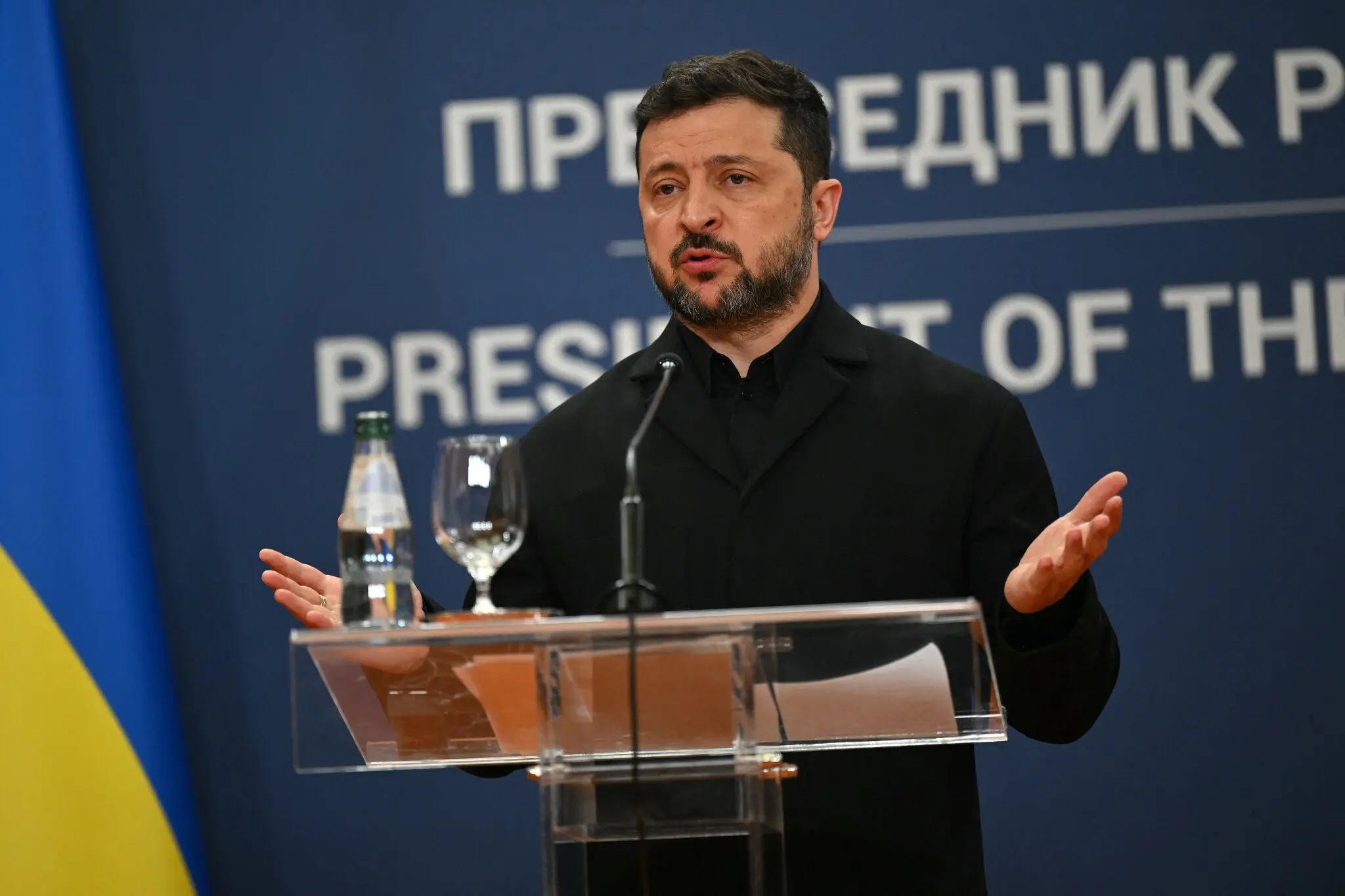
For Zelensky, the meeting also carries domestic significance. Changes at the top of Ukraine’s defense establishment have triggered questions about military management and political control. Agreements in Washington would allow him to argue that internal turbulence has not weakened Ukraine’s international position.
Trump, in turn, can use cooperation with Zelensky as evidence of his own diplomatic effectiveness. A deal on drones, Patriot production or restrictions on long-range strikes could be presented as movement toward peace without requiring another large aid package.
This is where the interests of the two presidents align most clearly. Zelensky needs weapons, production access and political backing. Trump needs a partner willing to enter negotiations, provide useful technology and help him claim a visible foreign-policy success.
The better chemistry is therefore real, but it should not be confused with friendship. Zelensky has learned not to challenge Trump in front of cameras. Trump has recognized that Ukraine did not collapse when American support narrowed and may be valuable in a broader security partnership.
The durability of the thaw will be determined not by gestures or compliments, but by institutional decisions: signed contracts, delivered interceptors, operating production lines, sanctions on Russia and a credible negotiating framework.
Without those elements, personal warmth will remain a temporary pause between disputes. The Washington meeting shows that Trump and Zelensky are no longer trying to change each other. They are searching for a formula of mutual advantage. Given their history, that is meaningful progress — but not yet a strategic alliance.