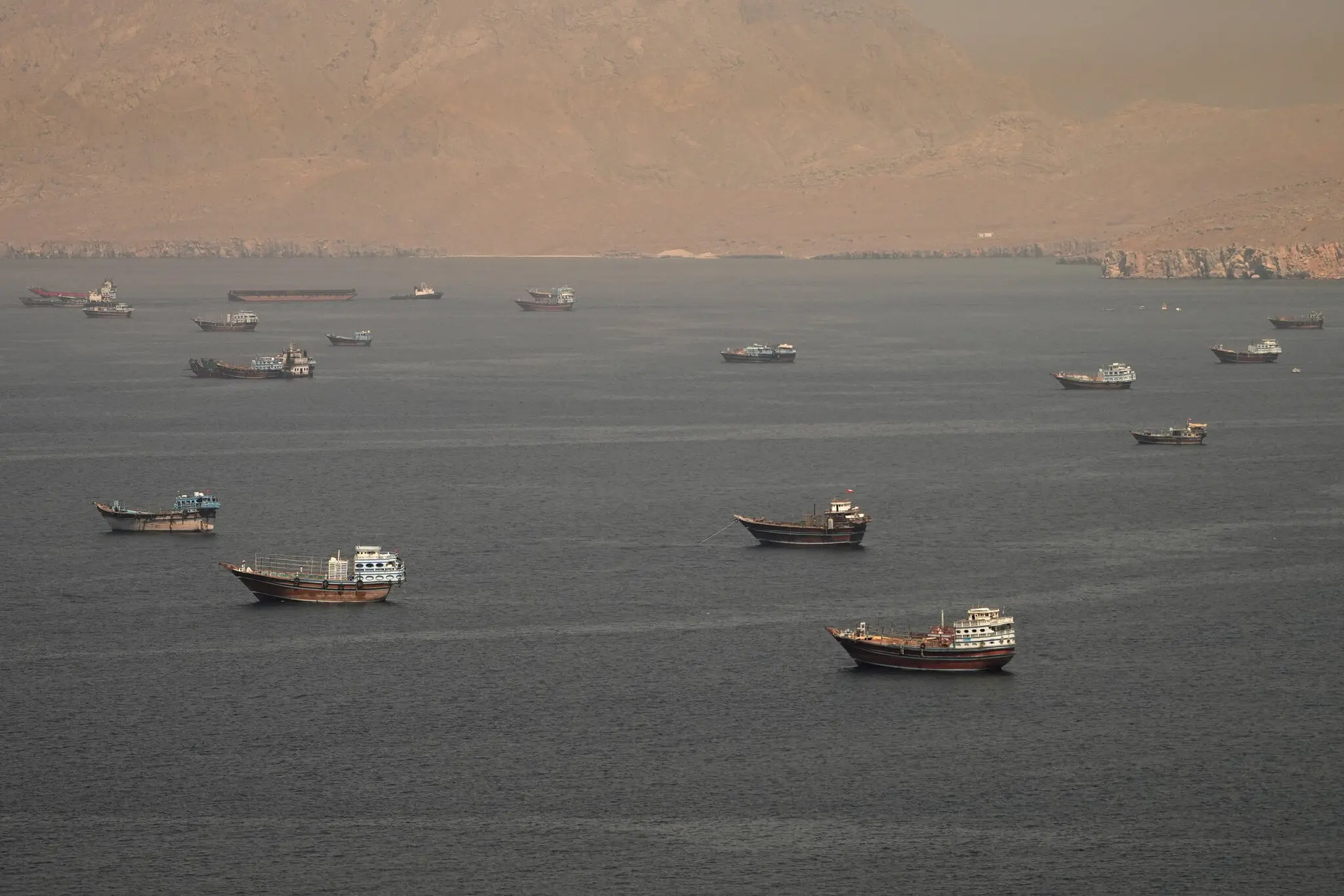





















The Black Sea is once again becoming a place where military logic directly determines the price of food. Attacks on ports, grain terminals and commercial vessels are already pushing wheat prices higher and making carriers less willing to operate in the region.
Russian grain exporters warn that continued Ukrainian strikes could block maritime routes and sharply reduce shipments. The danger extends beyond damage to individual terminals: the entire system of insurance, freight and port services could begin to break down.
Ukrainian agricultural groups are issuing a parallel warning. Russian attacks near Odesa are already restricting exports during the crucial harvest season, while the maritime corridor along the western Black Sea coast is losing the stability on which it depends.
In Daycom’s assessment, the central threat is not one damaged ship or grain elevator. The war is steadily destroying the confidence without which maritime trade cannot function, even when the grain itself remains physically available in storage.
A shipowner considers more than the condition of a port. The calculation includes the likelihood of attack, insurance premiums, whether crews are willing to sail, access to repairs and the risk that a vessel may remain trapped for weeks if a route closes.
When the danger becomes too great, the cargo does not necessarily disappear. It simply ceases to be available at an affordable price. Grain can remain in a warehouse, but without a ship, insurance coverage and a secure harbor, it cannot reach an importer.
Russia remains the world’s largest wheat exporter. Ukraine is also a major supplier of grain, corn and vegetable oil. Together, they account for a critical share of Black Sea shipments to the Middle East, North Africa and Asia.
That concentration makes the region unusually sensitive. The market can partly absorb a disruption in one country. Simultaneous problems in both Russia and Ukraine would remove far more available supply and rapidly increase the premium attached to risk.
Russia’s main grain industry group has warned that lost shipments could reach 30 million to 35 million metric tons, roughly 15 percent of global wheat trade. It is a maximalist estimate from an interested party, but its scale illustrates the possible cost of a prolonged closure.
The group also projected that export wheat prices could rise to between $340 and $370 per ton, and potentially above $400 if escalation continues. Those figures are not inevitable, but markets are already reacting to attacks before a physical shortage has emerged.
Grain prices are shaped by more than the harvest. Expectations, logistics, exchange rates, inventories, weather and political risk all matter. One destroyed terminal can move prices more sharply than several million tons of additional production elsewhere.
Importers still have carry-over stocks and some ability to redirect purchases. The United States, Canada, Australia, Argentina and the European Union could increase exports. None, however, can quickly replace the full volume normally moving through the Black Sea.
The problem is not only the amount of grain but its price and location. Russian and Ukrainian wheat is often cheaper for Mediterranean buyers because the shipping routes are shorter. Buying from more distant suppliers means higher freight and fuel costs.
For a wealthy state, that may require additional budget spending. For a poor importer, it may mean cutting purchases, reducing food subsidies or accepting lower reserves. This is the point at which a price shock becomes a humanitarian crisis.
Famine rarely begins simply because the world has run out of food. More often, people can no longer afford what is available. Even when global production is sufficient, currency depreciation, debt and expensive transport can place bread beyond the reach of the poorest households.
Countries in the Middle East and Africa are particularly exposed because many governments keep flour and bread prices low through large subsidies. A sudden increase in import costs can destabilize budgets and trigger social unrest.
In such states, bread is not merely a commodity. It is part of the political bargain between government and population. When authorities can no longer guarantee its basic price, an economic problem can quickly become protest, instability and migration pressure.
The world saw a version of this after pandemic-era disruptions and the beginning of Russia’s full-scale invasion. The blockade of Ukrainian ports, high energy prices and panic buying produced a wave of food inflation far beyond Europe.
The United Nations-brokered grain deal partly stabilized the market by allowing Ukraine to resume exports. After that arrangement ended, Kyiv created its own route along the western Black Sea, relying on coastal defense and the gradual displacement of Russia’s fleet.
That corridor became one of Ukraine’s most important wartime economic achievements. It restored export revenue, supported farmers and showed that Moscow could not maintain uncontested control over the sea.
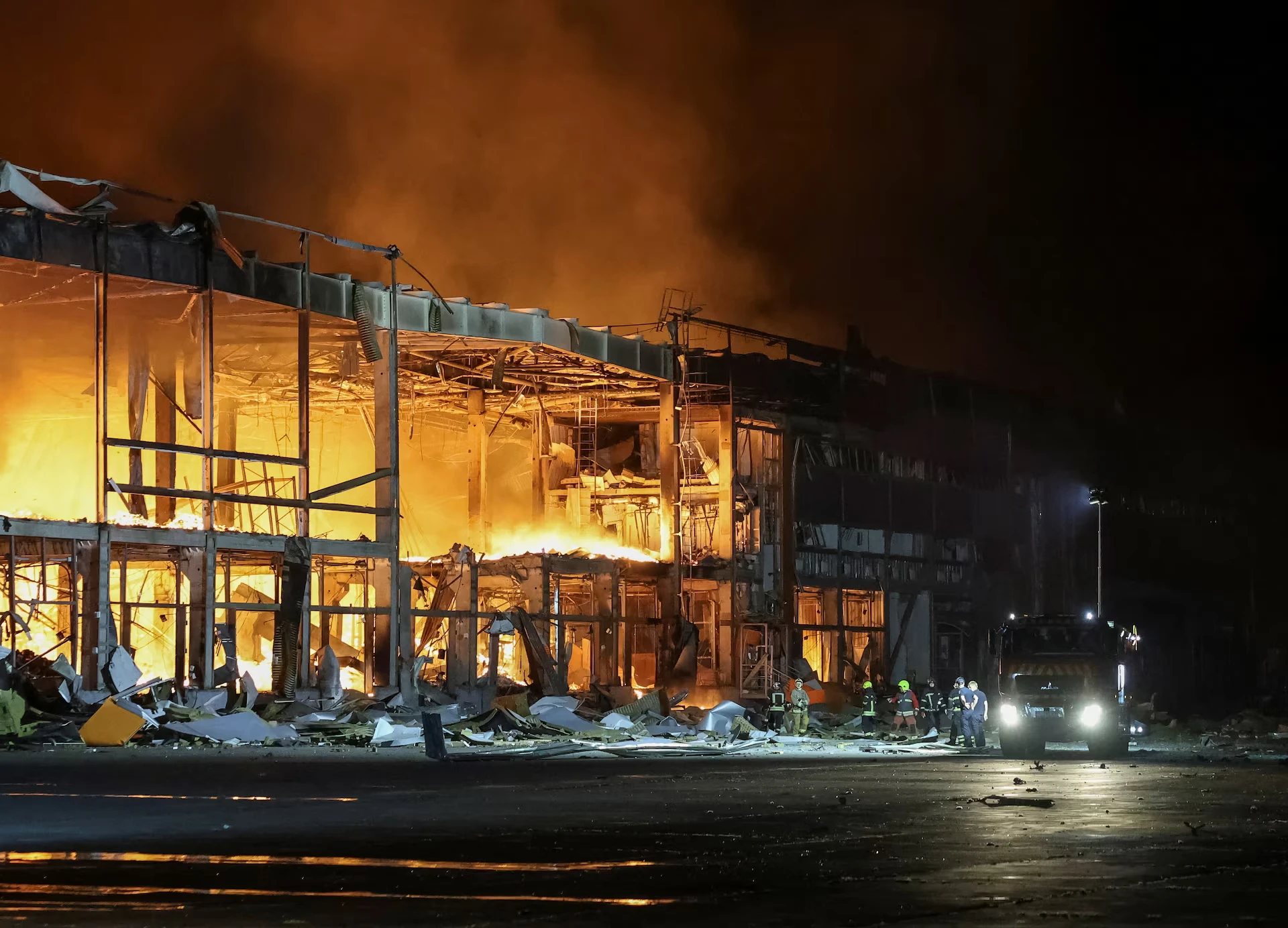
The system is now under pressure again. Russian strikes on vessels near Odesa are raising insurance costs and forcing carriers to reconsider routes. Ukrainian attacks on Russian ports and dry-cargo ships are creating similar effects elsewhere in the basin.
Moscow says it has struck dozens of ships linked to Ukraine’s military. Kyiv says Russian attacks threaten civilian shipping and global food security. Each side presents its own actions as militarily necessary and those of the opponent as a wider international threat.
The two campaigns are not fully symmetrical. Russia began the war, blockaded Ukrainian ports and used food exports as leverage. Ukraine’s strikes form part of its defense and its attempt to weaken Russia’s military logistics.
The origin of the war, however, does not eliminate the consequences for international trade. When an attack disables a grain terminal or drives civilian vessels away, the final cost is not paid only by the enemy state.
Agricultural infrastructure and commercial ships therefore require especially careful distinction. A port may handle grain, fuel, machinery and military cargo at the same time. A vessel may be civilian in status while carrying dual-use goods.
That ambiguity makes the Black Sea a zone of permanent legal and military danger. The attacker may describe the target as legitimate. An insurer or shipowner needs only to see the risk before refusing the voyage.
Russia’s warning about possible hunger also serves a political purpose. It shifts attention from Moscow’s war against Ukraine to Kyiv’s responsibility for the consequences of its attacks and creates an argument for international pressure on Ukraine’s long-range campaign.
Yet Russia itself is attacking Ukrainian exports and has effectively shut down the previous corridor. Its rhetoric on food security conflicts with its use of ports, shipping and grain markets as instruments of war.
Kyiv cannot rely only on reminding the world who started the conflict. Ukraine depends on support from countries where the price of bread may become a more immediate political issue than a distant European war. Every operation against Russian maritime infrastructure therefore requires a clear military rationale.
One possible way forward would be a limited agreement ending attacks on energy, port and shipping infrastructure. The idea of an air ceasefire has begun to appear in diplomatic discussions, though an actual arrangement remains distant.
Such a regime would not end the war, but it could reduce the risk of a food crisis. It would require cargo inspections, international monitoring, precise coordinates for safe routes and predetermined consequences for violations.
Without enforcement, any agreement would quickly collapse into mutual accusations. Russia could claim that a civilian vessel carried weapons. Ukraine could argue that a grain port was serving military logistics. Political promises alone would not be enough.
European partners could help through insurance guarantees, mine protection, surveillance and stronger air defenses around Ukrainian ports. No financial mechanism, however, can fully compensate for the risk of a direct strike on a crew.
The greatest danger now is normalization. If every new attack on commercial shipping is treated as just another wartime episode, the boundary of what is considered acceptable will continue to move.
The Black Sea has already endured blockade, mines, port strikes and attacks by naval drones. It is approaching a point at which an ordinary grain voyage may require something resembling a military operation.
In such a system, global food security depends on more than crop yields. It depends on whether a captain can safely leave port, whether an insurer will cover the cargo and whether a poor country can afford wheat after the price rises.
The warning of a crisis should not be dismissed simply as Russian propaganda. Nor should it be accepted without accounting for Moscow’s own role. The threat is real, and responsibility begins with the war that turned commercial routes into a battlefield.
If the Black Sea corridors close, the wealthiest importers will not feel the damage first. The heaviest burden will fall on countries where families already spend most of their income on food and governments lack the reserves to absorb another surge in global prices.
That is the harshest logic of the grain war: a missile may strike a port thousands of kilometers from Cairo, Beirut or Mogadishu, but the economic blast wave reaches those cities all the same.