






















Ukraine is entering the next energy season with a different mindset from the one that dominated the previous winter. The question is no longer just how to scrape through the cold months. It is how to build, in advance, an import system for gas and diesel that can survive missile strikes, regional bottlenecks and political disruption without collapsing around a single route or supplier. That is the real meaning of Naftogaz’s push for more LNG through Greek terminals and the Vertical Corridor.
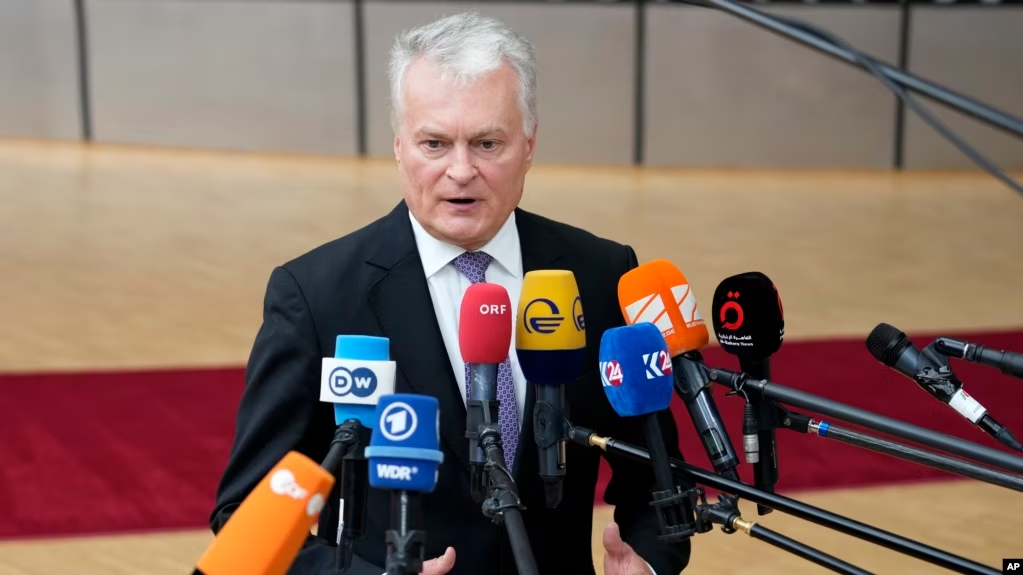
At first glance, the talks with Greece look technical. In reality, they point to a structural shift in Ukraine’s energy policy. After meeting Greek Deputy Foreign Minister Harry Theoharis, Naftogaz chief Serhii Koretskyi said the discussions focused on increasing gas supplies for Ukraine and Eastern Europe via Greek ports, while also covering diesel deliveries, the possible use of the Greek fleet and other joint projects. That is not a routine procurement conversation. It is the outline of a southern energy-security corridor.
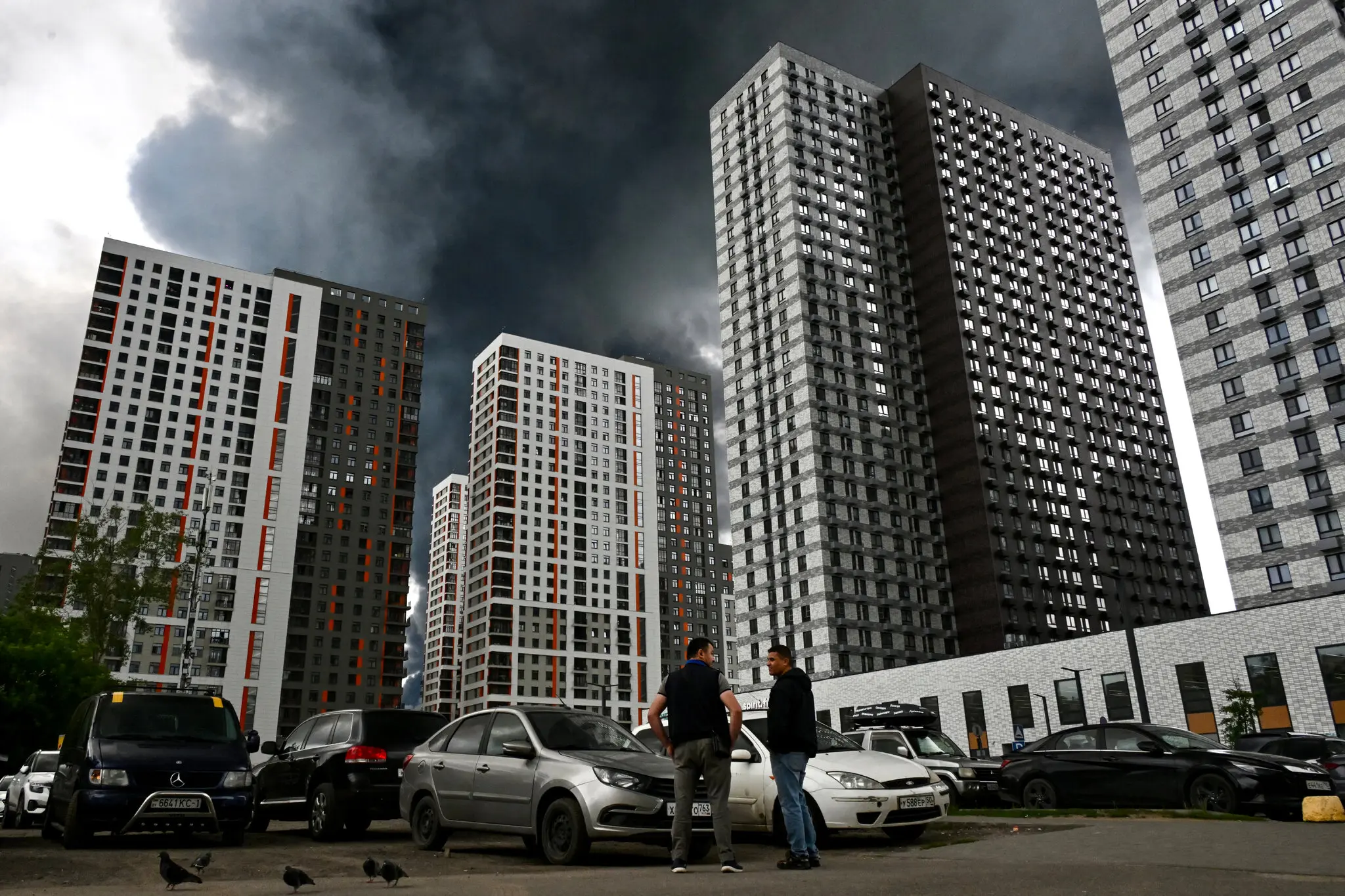
The timing is not accidental. Russia has continued to target Ukraine’s gas infrastructure this spring. On March 20, Naftogaz said Russian drone strikes hit its oil and gas facilities in the Poltava and Sumy regions, causing damage and a fire; on March 27, it reported another attack in Poltava that caused major destruction and halted operations at the site. The company has said its infrastructure has been struck about 40 times since the start of the year.
In Daycom’s assessment, the most important word here is not LNG, but geography. Greece is becoming Ukraine’s southern energy gate: a route through which American liquefied gas, Mediterranean logistics and Balkan transit infrastructure can be assembled into something more durable than emergency buying. In wartime, that matters because energy security is no longer just about price. It is about route diversity, physical survivability and political resilience.
This route is no longer theoretical. In November 2025, Greece and Ukraine signed a deal to route U.S. LNG through the so-called Vertical Corridor for the 2025–2026 winter period. Greek officials described it as a new secure artery running north from the Mediterranean and said it would support both Ukraine and wider European gas stability. That agreement matters now because the current effort is not being improvised from zero. It is an attempt to scale something that has already been politically and commercially tested.
The commercial side is already visible. ExPro reported that all March capacity on Route 1—the corridor from Greece’s Revithoussa LNG terminal to Ukraine—was fully booked at auction, equivalent to about 2.41 million cubic metres per day or nearly 75 million cubic metres for the month. The route, launched in July 2025, offers reduced transport tariffs and has become the first working proof that southern LNG can move into Ukraine on a regular booked basis rather than as a one-off political gesture.
Naftogaz is also broadening its LNG strategy beyond one entry point. In February, the company announced that it had secured its first U.S. LNG delivery to Ukraine in 2026—almost 100 million cubic metres—in partnership with Poland’s ORLEN, and said total U.S. LNG deliveries to Ukraine could reach 1 billion cubic metres this year. That particular cargo did not come through Greece, but it showed something equally important: Kyiv is now building a network of import options instead of betting on a single gateway.
That is what gives the Greek route its strategic weight. Poland remains important, but the southern path through Greece and the Balkans adds depth to Ukraine’s import map. The more functioning entry points Ukraine has for gas, the harder it becomes for Russian strikes, infrastructure congestion or political friction with a single neighbor to create a systemic crisis. In wartime, diversification stops being a market preference and becomes a form of defense.
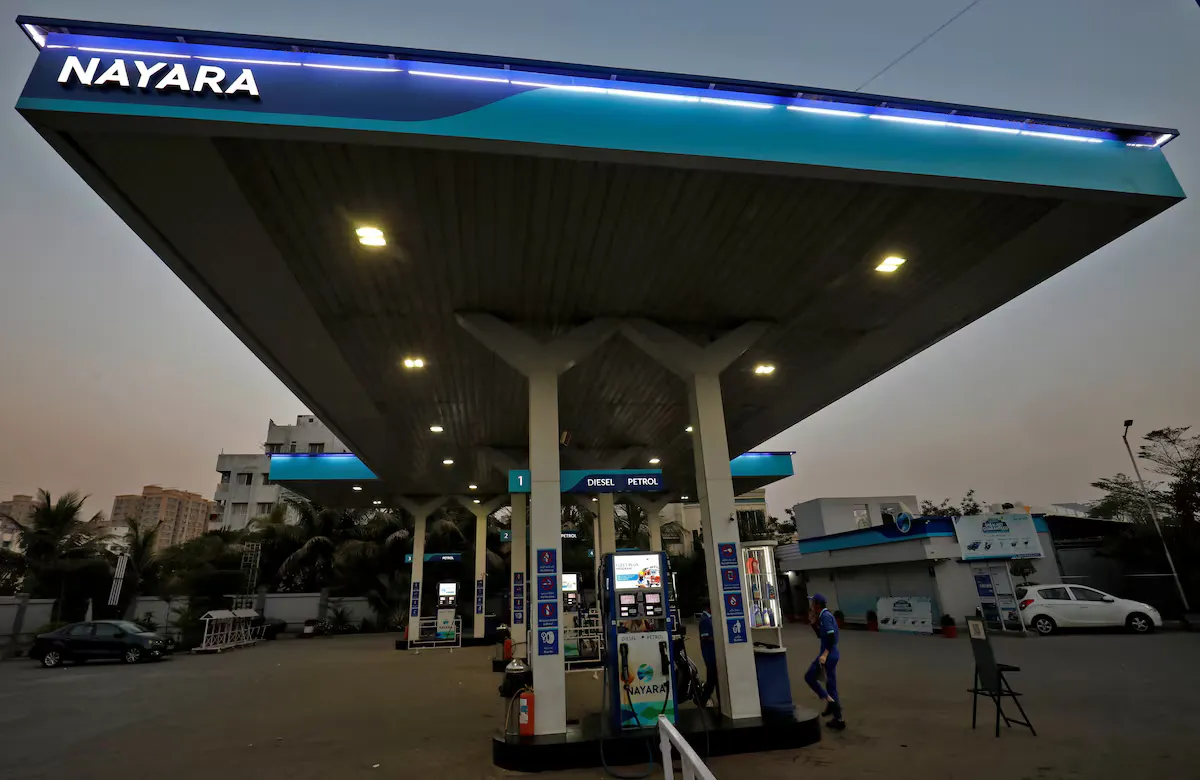
But gas is only half the story. Diesel matters just as much. After Russian missile attacks effectively destroyed most of Ukraine’s domestic refining capacity, the country became heavily dependent on imported fuel from western, central and southern Europe. That means diesel supply is no longer just an issue for transport or retail fuel sales. It directly affects the military, backup generation, agriculture, rail logistics and the broader functioning of critical infrastructure.
The current diesel picture is tense but not catastrophic. Reuters, citing the Enkorr consultancy, reported on March 23 that Ukraine’s diesel market was supplied through the end of March and that daily imports had risen by 3% to nearly 17,000 metric tons, though April remained uncertain amid rising prices. A week later, Reuters cited Ukraine’s Energy Ministry as saying the market was fully supplied for March and that about 70% of April volumes had already been secured. In other words, the immediate problem is less physical shortage than pricing pressure, contracting speed and route stability.
That is why the Greek discussion on diesel is not a secondary add-on to the LNG talks. It is part of the same strategy. Ukraine is trying to build an integrated wartime energy model: gas for winter storage and heating, diesel for the army and economy, ports and fleets for delivery, and interconnector systems for resilience. In that model, Greece is not simply a supplier. It is a logistics and energy node where maritime access, LNG infrastructure and regional transit all meet.
There is also a broader European dimension. The Vertical Corridor matters not only because Ukraine needs more gas. It matters because southeastern and eastern Europe are still redrawing their supply map after the decline of Russian gas. If Ukraine strengthens its southern entry through Greece, the gain is regional, not only national. What once looked like a peripheral Balkan route is increasingly becoming part of a new energy axis linking Mediterranean LNG, Balkan infrastructure and Ukrainian storage capacity.
That is why Naftogaz’s latest push should be read as more than a search for extra cargoes. It is an attempt to assemble a new Ukrainian energy architecture under wartime conditions: American LNG, Greek terminals, Balkan transit, imported diesel and storage filling begun early enough to reduce winter vulnerability. After repeated strikes on gas production and years of emergency improvisation, that is no longer a stopgap policy. It is a deliberate rewrite of the country’s energy map.