

























The hantavirus outbreak aboard the MV Hondius was more than a story about a rare infection in the Atlantic. It exposed a wider weakness in modern medicine: health systems can trace contacts, evacuate patients and sequence a virus quickly, but still lack a direct way to treat it.
Hantaviruses have long been known to science. They are carried by rodents, and people are usually infected after exposure to particles from the urine, droppings or saliva of infected animals. But once the illness advances into a severe pulmonary form, doctors may have only hours to act.
On the MV Hondius, a cluster of severe cases and several deaths drew attention to the Andes virus, a South American hantavirus known for a rare ability to spread between people after close contact. The risk to the wider public remains low, but for those infected, the disease can become catastrophic.
According to Daycom’s analysis, the central lesson of this outbreak is not that the world is facing another pandemic. It is that even for dangerous viruses capable of killing quickly, there is often a wide gap between laboratory progress and real medical readiness.
That gap has a simple clinical meaning. There is no specific antiviral treatment for the Andes virus and no widely available vaccine. Doctors can give oxygen, support breathing, manage fluids and move patients into intensive care. They cannot yet offer a drug that directly stops the virus.
For an infection with this trajectory, that matters. The first symptoms can look almost ordinary: fever, muscle pain, weakness, headache, nausea or diarrhea. Then the disease can move rapidly toward shortness of breath, pneumonia, acute respiratory distress, shock and cardiopulmonary failure.
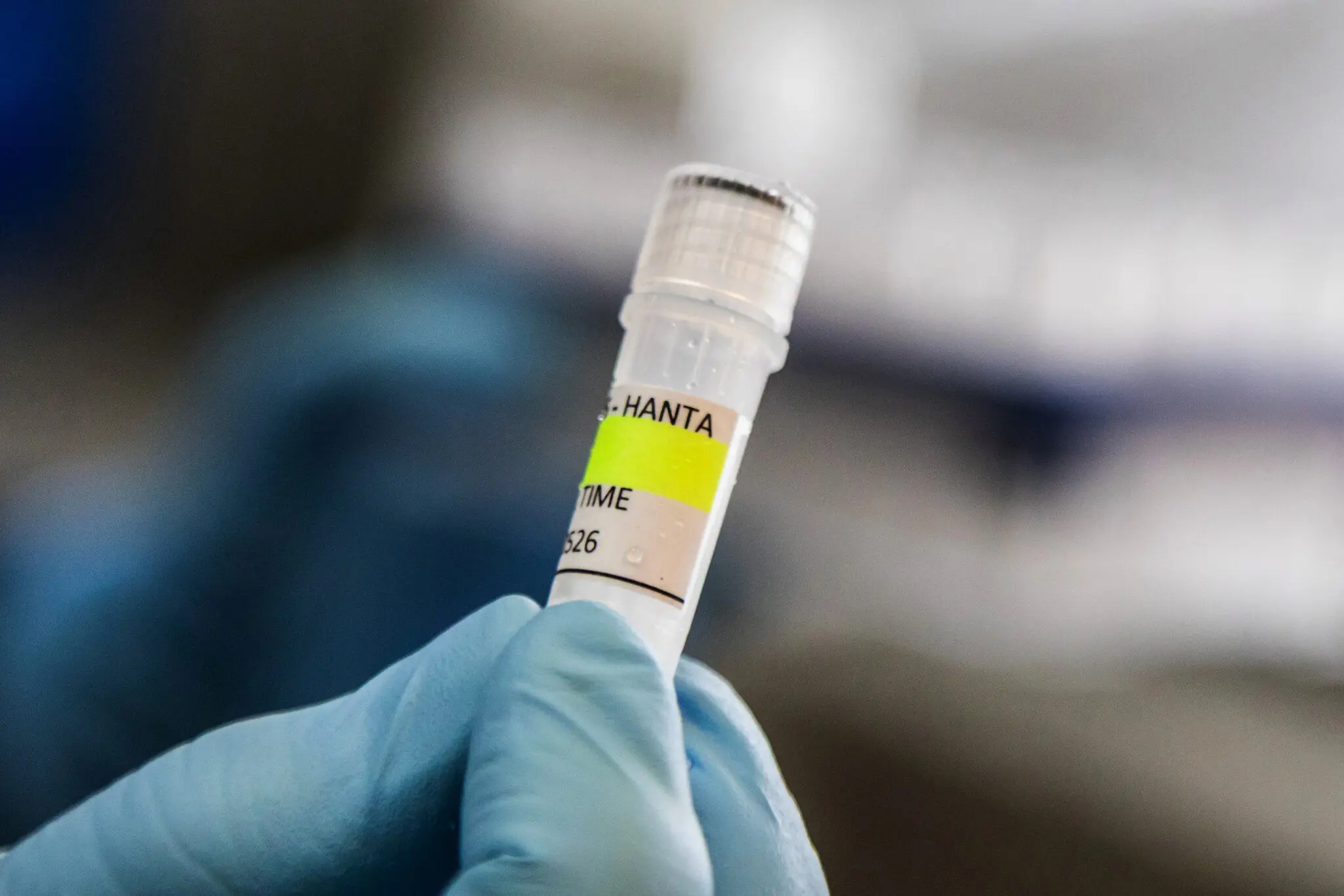 Збудником спалаху на круїзних лайнерах є вірус Анд, який циркулює в Південній Америці та є єдиним хантавірусом, який, як відомо, поширюється між людьми — Міністерство охорони здоров'я Аргентини
The outbreak on the ship therefore shifted attention not only to epidemiology, but to the economics of pharmaceutical development. Hantaviruses are dangerous, but rare. They do not circulate every year on the scale of influenza, they do not create an obvious mass market, and they rarely look like a commercial priority.
That is where the systemic failure begins. Pandemic threats attract fear, budgets, platforms, government orders and political memory. Rare zoonotic infections often depend on small research teams, narrow grants and projects that stall after promising animal studies.
Science, however, has not been idle. One of the most important lines of work is a DNA vaccine against the Andes virus. In early clinical research, it generated neutralizing antibodies in a significant share of participants. For such a rare pathogen, that is a serious scientific achievement.
But it is not yet a vaccine for pharmacies, hospitals or expedition vessels. Early-stage development can show safety and immune response, but it does not prove protection across a wider population. That requires further trials, manufacturing, regulatory review, financing and a difficult question: who should be vaccinated against a virus that appears only rarely?
The problem of clinical trials is almost paradoxical. To prove a vaccine works, researchers need cases of disease. But hantavirus outbreaks do not provide a steady stream of patients. They appear unevenly, often in remote places, shaped by rodent ecology, weather, housing, work conditions and travel routes.
That is why hantavirus vaccination has no obvious mass model. It could be imagined for military personnel, laboratory workers, foresters, farmers, people in endemic regions or teams operating in field conditions. Without government demand, however, such a vaccine can remain a “promising candidate” indefinitely.
A second path is monoclonal antibodies. The idea is to take the immune response of people who survived infection, isolate the strongest antibodies and turn them into a treatment. In animal studies, some of these antibodies have shown broad activity against different hantaviruses.
Antibodies look especially attractive for outbreaks. They could be used not for everyone, but for people at high risk after exposure or for patients early in the illness. Yet the path from a successful experiment to a drug available in intensive care costs tens of millions of dollars.
A third path is antiviral drugs. Ribavirin is sometimes used for certain hantavirus infections, but there is no strong evidence that it works against the severe pulmonary syndromes caused by New World hantaviruses. For now, supportive care remains the standard, not targeted treatment.
Researchers are also testing existing molecules. Human cell models and organoids allow scientists to study how the Andes virus affects the lungs, heart and other tissues, and to look for compounds that can block infection under experimental conditions. But between an organoid and a patient lies a long regulatory bridge.
The challenge is deeper because hantavirus is not a single virus. Old World hantaviruses, found largely in Europe and Asia, more often affect the kidneys and can cause hemorrhagic fever with renal syndrome. New World viruses, including Andes and Sin Nombre, are associated with severe pulmonary disease in the Americas.
A broad drug or vaccine would need to work not against one pathogen, but against a family of viruses with different geographies, clinical patterns and rodent reservoirs. That makes the task scientifically harder, but no less necessary.
The MV Hondius outbreak added a political layer to this problem. When a virus appears on a ship carrying passengers from many countries, it stops being a local infection. It becomes a test of international coordination: who tests, who evacuates, who isolates, who pays and who explains the risk to the public.
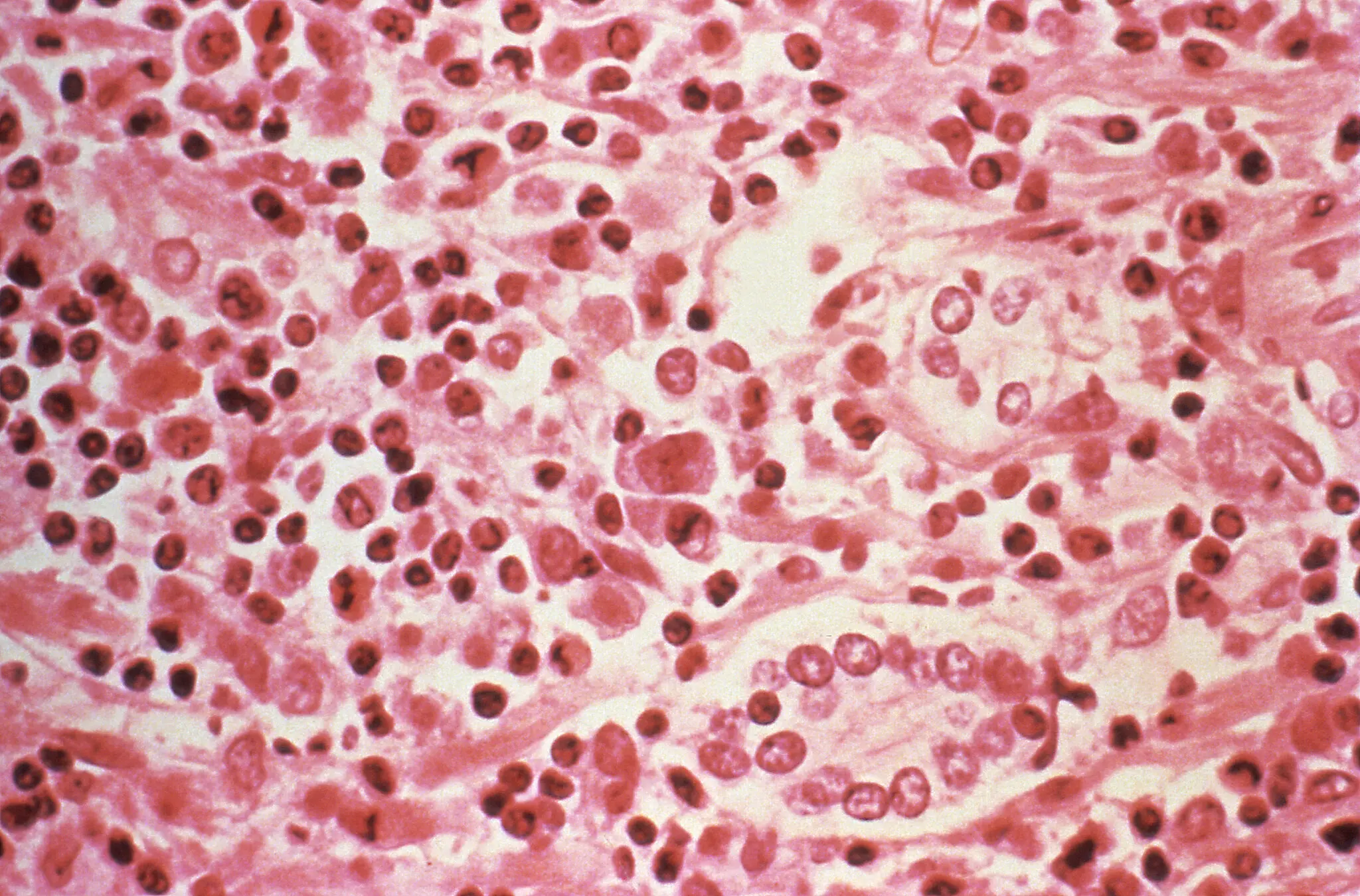 Зображення зразка тканини печінки, отриманого під мікроскопом, отриманого у пацієнта з легеневим синдромом, спричиненим хантавірусом — Центри контролю та профілактики захворювань, через Agence France-Presse — Getty Images
That is why low risk to the general population should not become an excuse for indifference. Low transmission risk is not the same as low disease burden. For an infected person, hantavirus can be devastating even when it does not pose a pandemic threat to the world.
This is the central lesson of rare infections. They rarely receive attention until there is a death, a ship, a flight or a famous victim. But public health systems cannot safely build priorities only around media attention.
Developing hantavirus vaccines and treatments requires not panic, but sustained demand. Governments can do what markets often will not: fund late-stage research, create strategic stockpiles for high-risk groups, support small-batch production and include treatments in outbreak response plans.
That does not mean every country should launch mass vaccination. Hantavirus requires precision. Health systems need maps of endemic zones, rodent surveillance, physician training for early recognition, rapid diagnostics, laboratory protection and protocols for expeditions, farms, military bases, ports and cruise routes.
Prevention remains the most reliable tool: rodent control, protected food storage, sealed buildings, safe cleaning of contaminated spaces, isolation of suspected cases and monitoring of close contacts. In outbreaks, these basic measures often matter more than the most advanced laboratory technology.
But basic measures are not enough for the future. Once a virus has pushed a patient toward respiratory failure, society cannot keep answering only with oxygen, ventilation and waiting. It needs a bridge from laboratory readiness to clinical tools.
The MV Hondius was a warning not because hantavirus has become another Covid-19. It is dangerous in a different way: rare, severe, unpredictable, often appearing where medical care is distant and diagnosis comes late. It is not a pandemic wave, but a precise strike against weak points in the system.
When the ship fades from the headlines, interest in hantaviruses may fade again. That would be the worst continuation of the story. The scientific groundwork already exists: DNA vaccines, antibodies, organoid models, antiviral candidates. What is missing is sustained political and financial will to carry them to the patient.
Rare viruses do not ask whether drug development will be profitable. They appear where rodents, people, travel, climate and chance converge. If medicine wants to be ready not only for the next pandemic, but also for the next quiet deadly outbreak, its arsenal against hantaviruses can no longer remain almost empty.