
























Hantavirus belongs to a category of infections that do not need airports, crowded events or dense human contact to become dangerous. Sometimes a closed shed, a country house after winter, an old storeroom, a grain warehouse or contaminated dust is enough.
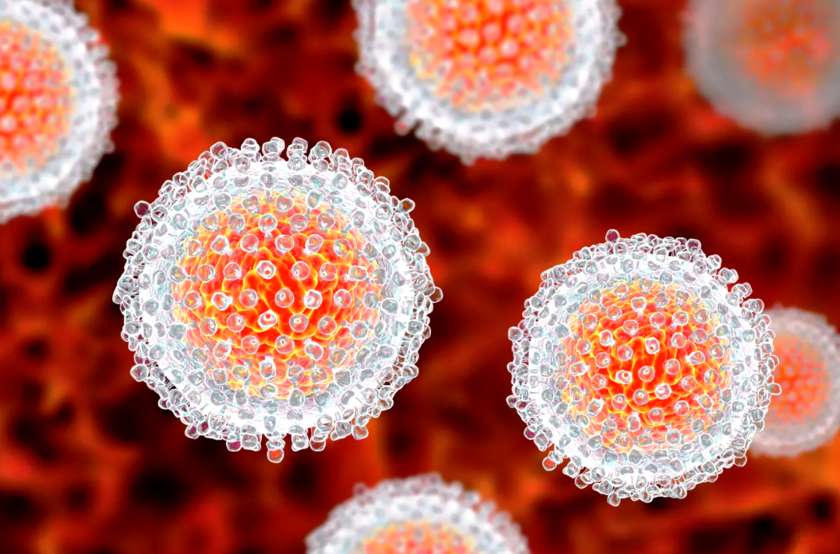
It is not a single virus, but a group of related RNA viruses. Their natural reservoir is rodents: field mice, rats, voles and other species. In many animals the infection causes little obvious harm, but in humans it can lead to severe disease.
The defining feature of hantavirus is its ecological precision. It does not circulate among people like influenza, and it is not simply “in the air” in the ordinary sense. Its path runs through places where human space overlaps with the habitats and traces of rodents.
Hantavirus belongs to a category of infections that do not need airports, crowded events or dense human contact to become dangerous. Sometimes a closed shed, a country house after winter, an old storeroom, a grain warehouse or contaminated dust is enough.
It is not a single virus, but a group of related RNA viruses. Their natural reservoir is rodents: field mice, rats, voles and other species. In many animals the infection causes little obvious harm, but in humans it can lead to severe disease.
The defining feature of hantavirus is its ecological precision. It does not circulate among people like influenza, and it is not simply “in the air” in the ordinary sense. Its path runs through places where human space overlaps with the habitats and traces of rodents.
According to Daycom’s earlier analysis, the danger of hantavirus lies not in its scale, but in the speed of its clinical turn. For several days it may resemble an ordinary viral illness, before suddenly moving into a phase that requires intensive medical care.
The name is linked to the Hantaan River in Korea. After the Korean War, doctors struggled to explain a severe fever with kidney damage among soldiers. Later, the virus was identified in field mice, and the name came to describe a wider family of pathogens.
By the late twentieth century, hantavirus had acquired another profile after outbreaks of a severe pulmonary syndrome in the United States. It became clear that different hantaviruses could strike the body in different ways: in Eurasia, kidney disease was more common; in the Americas, the threat often centered on the lungs and heart.
The mechanism of infection is usually simple and almost invisible. Infected rodents shed the virus in urine, droppings and saliva. When dried particles are disturbed during cleaning, a person can inhale contaminated dust and become infected.
The highest risk appears in closed, poorly ventilated spaces: basements, garages, barns, hunting cabins, farms, warehouses and seasonal homes. Dry sweeping, working without protection and moving old stored items can all raise the danger if rodents have been present.
Human-to-human transmission is not typical for hantaviruses. The main exception is Andes virus in South America, where limited spread between people has been documented after close contact. But the central rule remains unchanged: the main source of risk is rodents.
The incubation period usually ranges from one to eight weeks. The first symptoms can be deceptive: fever, severe fatigue, muscle pain, headache, nausea, vomiting and abdominal pain. This similarity to common infections is one reason early diagnosis can be delayed.
In hantavirus cardiopulmonary syndrome, the critical moment comes when cough, shortness of breath, chest tightness and signs of oxygen shortage appear. Fluid begins to build up in the lungs, blood pressure may fall, and the heart is forced into extreme strain.
Another form is hemorrhagic fever with renal syndrome. It is more often associated with Europe and Asia. Here the main damage falls on blood vessels and kidneys, with possible low blood pressure, clotting problems, bleeding and acute kidney failure.
The danger is not caused by the virus alone. The immune system’s reaction can also drive severe damage. Small blood vessels become more permeable, fluid leaks into tissues, and in the pulmonary form this can quickly become life-threatening.
That is why the crucial response is not home treatment, but early recognition of risk. Symptoms matter, but so do circumstances: recent contact with mouse droppings, cleaning an old building, work on a farm or in a warehouse, forest exposure or time spent in an abandoned house.
Diagnosis relies on laboratory testing, including specific antibodies, changes in immune response and sometimes PCR in the acute phase. But medical suspicion must arise before confirmation arrives, because severe hantavirus disease does not leave much time.
There is no universal drug that reliably eliminates hantavirus in every clinical form. Treatment is mainly supportive: oxygen, respiratory monitoring, mechanical ventilation when needed, careful fluid management, and support for blood pressure and heart function.
In kidney-related disease, dialysis may be necessary. In some cases of hemorrhagic fever with renal syndrome, ribavirin may be used early, but it is not a universal solution and does not replace intensive care in severe illness.
Prevention remains the strongest protection. Food should be stored in sealed containers, gaps in buildings should be closed, and rodent activity should be controlled. Contaminated areas should be moistened with disinfectant before cleaning, not swept dry into the air.
Hantavirus does not call for panic, but it does demand discipline. It reminds us that the boundary between human shelter and wild ecology does not exist only in forests. Sometimes it begins in a basement, a storeroom, a shed or a summer house left untouched for months.
The strongest defense against hantavirus starts before the hospital — with sanitation, safe cleaning, rodent control and doctors who pay attention not only to symptoms, but to the environment in which illness began. It is a rare threat, but its consequences are too serious to treat as a minor household problem.









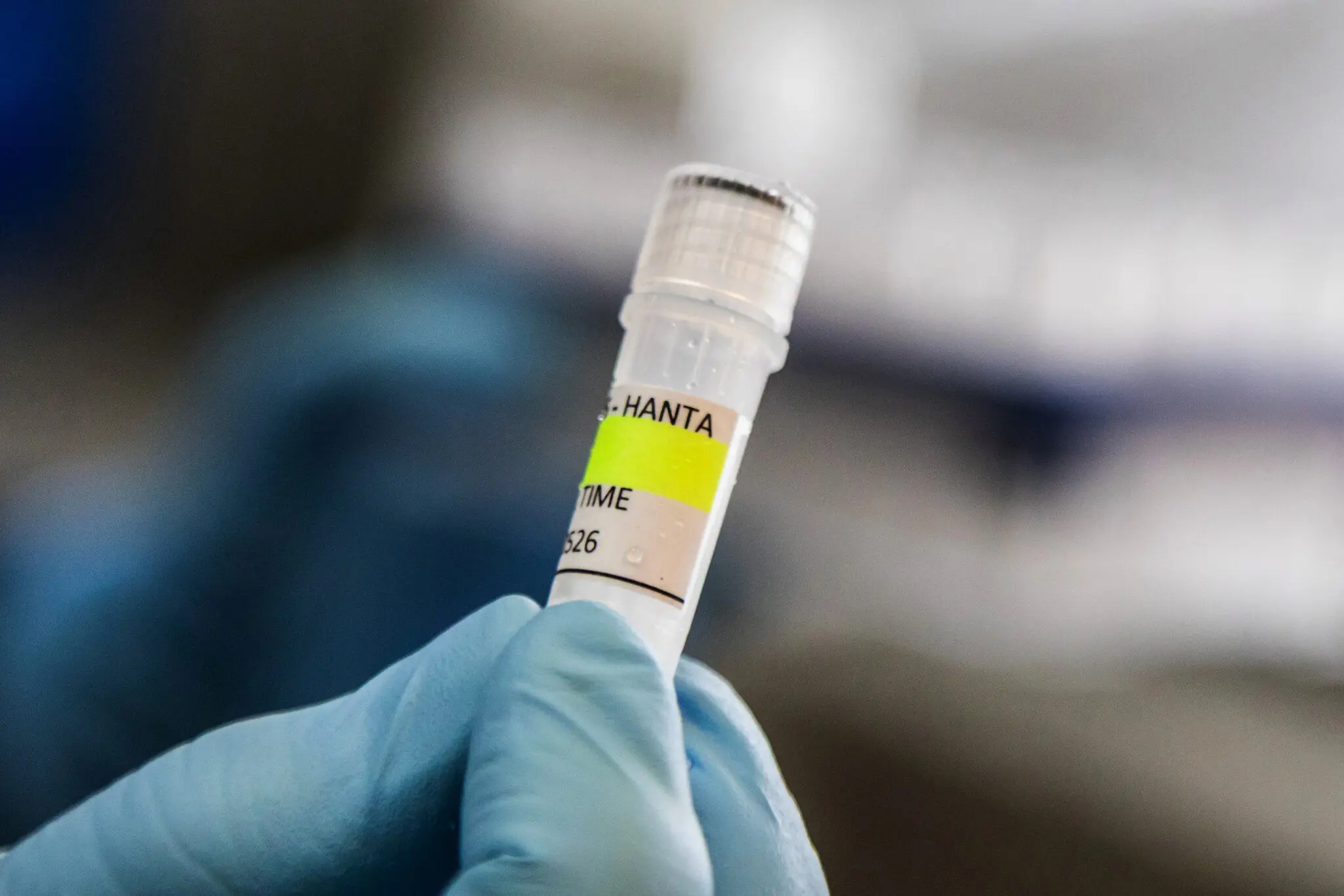 Збудником спалаху на круїзних лайнерах є вірус Анд, який циркулює в Південній Америці та є єдиним хантавірусом, який, як відомо, поширюється між людьми — Міністерство охорони здоров'я Аргентини
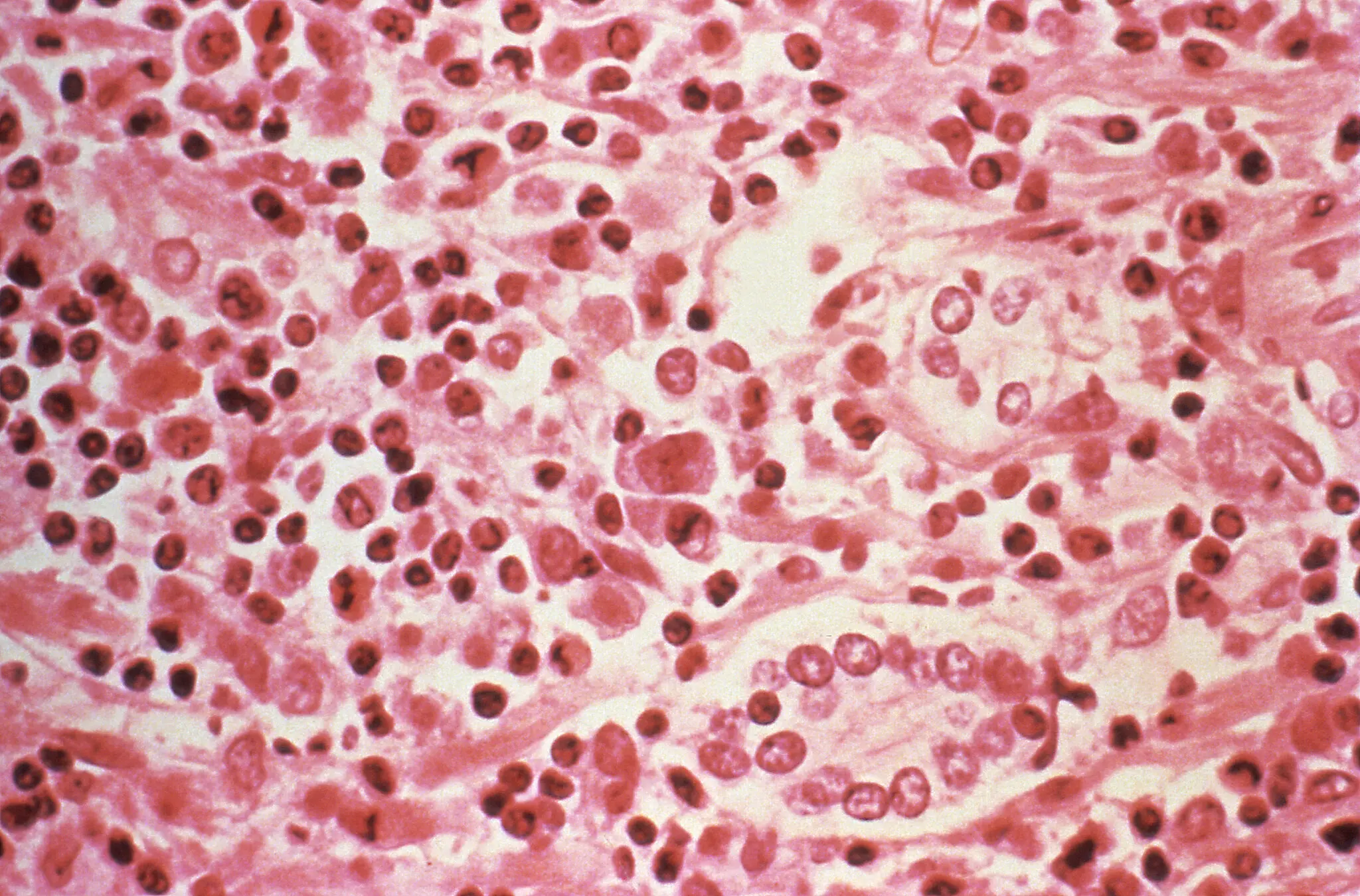 Зображення зразка тканини печінки, отриманого під мікроскопом, отриманого у пацієнта з легеневим синдромом, спричиненим хантавірусом — Центри контролю та профілактики захворювань, через Agence France-Presse — Getty Images









 Корабель вирушив з Кабо-Верде в середу, прямуючи до Канарських островів — Данілсон Секейра/Reuters
 Трьох хворих людей на борту судна MV Hondius евакуювали в середу — Данілсон Секейра
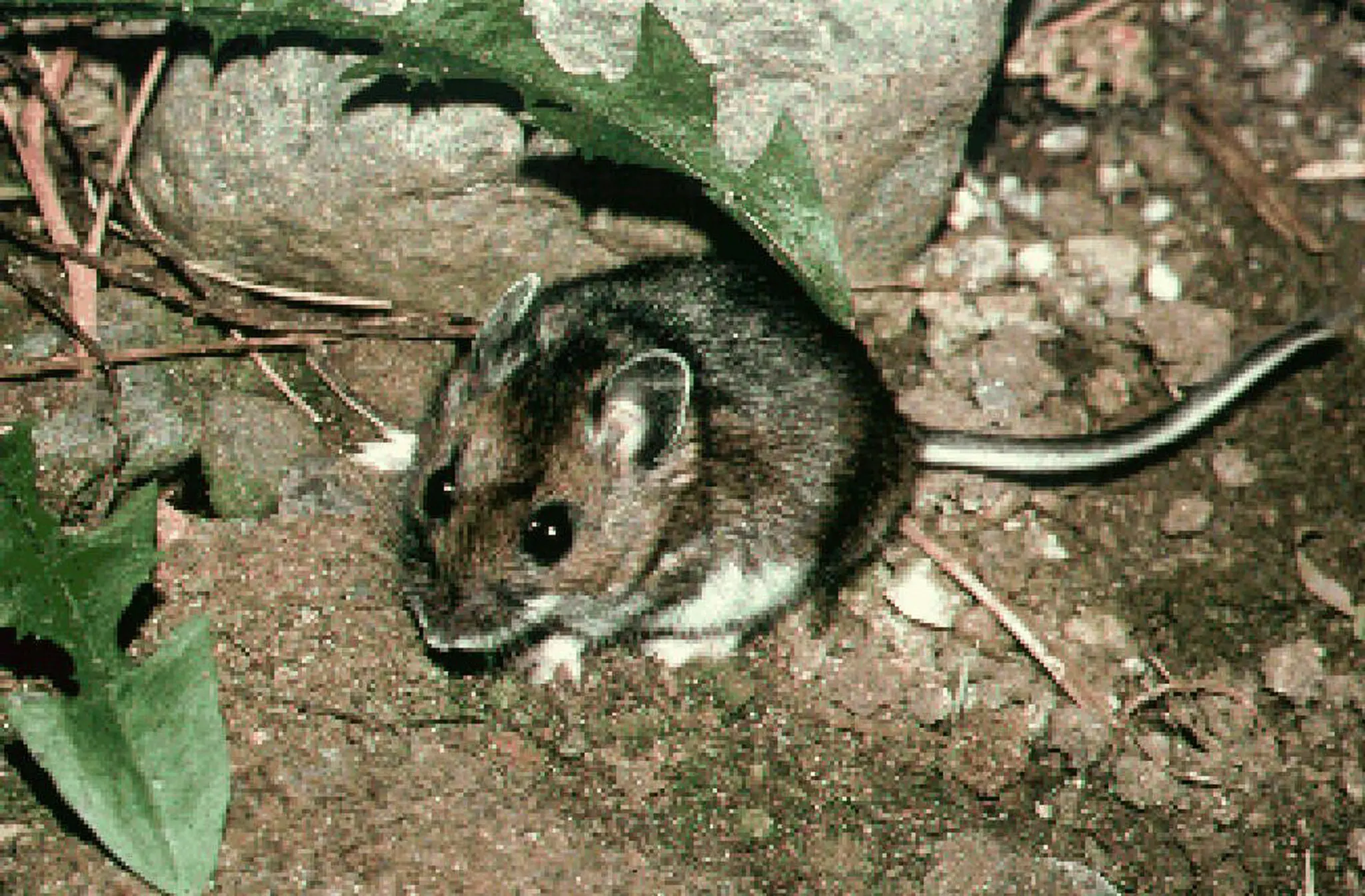 Відомо, що оленячі миші, яких можна знайти по всій території Сполучених Штатів, є носіями хантавірусу — Університет Мексики