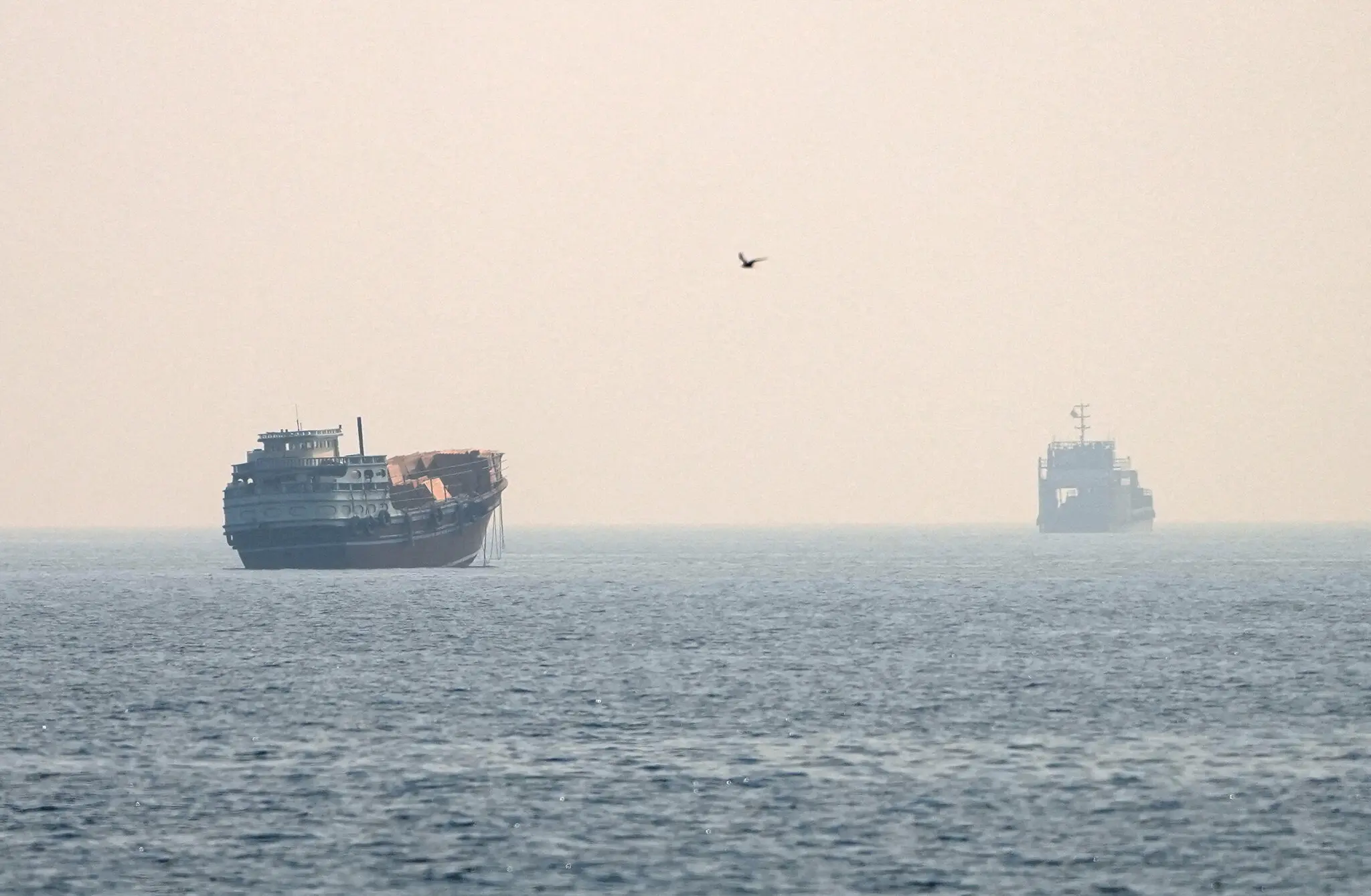























The Strait of Hormuz has again become the place where diplomacy is tested not by language, but by missiles, insurance premiums and the judgment of ship captains. The United States presents its escort of commercial vessels as a limited defensive mission. Yet the need for a military convoy already signals that normal navigation has been replaced by a managed crisis.
Pete Hegseth framed the U.S. operation as a temporary measure to reopen a vital maritime route. His message was aimed not only at Tehran, but also at shipowners, insurers, energy importers and American allies: Washington is prepared to absorb the first layer of risk, but does not want the strait to become the next front of a wider war.
The difficulty is that temporary military measures in the Persian Gulf rarely remain temporary. One mistaken launch, one damaged tanker or one unattributed attack can turn an escort mission into an operation of coercion.
According to Daycom’s earlier analysis, the danger of the current crisis lies in the fact that both sides are trying not to declare the cease-fire dead while acting as though it has already lost much of its political weight. Iran speaks of violations. The United States speaks of freedom of navigation. Markets see the harder fact: one of the world’s most important energy corridors no longer operates by ordinary rules.
The American mission, known as Project Freedom, is meant to secure passage for commercial ships through an international route central to oil, fuel, gas and fertilizer flows. Guided-missile destroyers, aircraft, unmanned systems and a substantial regional military presence have been folded into the effort. Formally, it is a defensive structure. In practice, it is a show of force in a zone where every show of force can be read as a challenge.
The first results look like both a success and a warning. Two U.S.-flagged vessels have passed through the strait under military protection. But that does not automatically reopen Hormuz for hundreds of tankers and container ships. Shipowners are weighing not only the presence of U.S. warships, but also insurance costs, the chance of renewed attacks, flag-state policy and the willingness of governments to share the political risk.
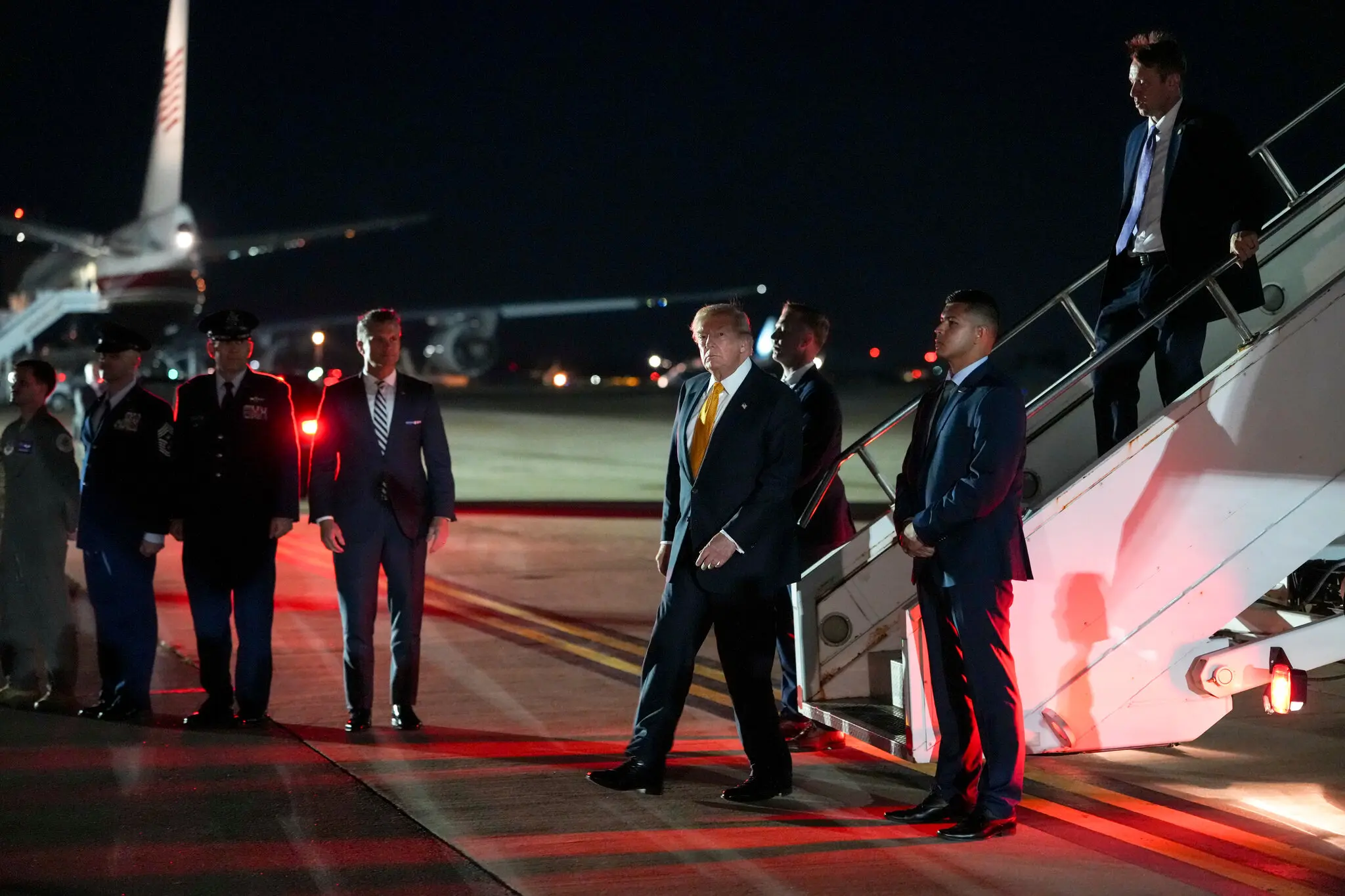
 Міністр оборони США Піт Хегсет заявив, що нові військові зусилля щодо проведення торговельних суден через Ормузьку протоку були тимчасовими оборонними зусиллями, незважаючи на обмін вогнем між США та Іраном у понеділок — Чіп Сомодевілла
Iran, for its part, is trying to show that it has not lost leverage. Missiles, drones, fast boats and threats against shipping do not need to halt all traffic to be effective. Their purpose is to turn every voyage into a political decision and every insurance contract into a measure of confidence in the American security umbrella.
That is why Gen. Dan Caine’s assessment that Iranian attacks remain below the threshold for renewed major combat is central to this phase of the conflict. Violence continues, but it is not yet called war. The cease-fire formally survives, but it now requires destroyers, fighter jets and attack helicopters to sustain it.
In this arrangement, Hormuz becomes a test of American power after a war Washington is trying to describe as concluded. If the United States can move ships through the strait on a regular basis, Tehran will lose part of its coercive leverage. If the passages remain rare and exceptional, Project Freedom will begin to sound less like a restoration of normal commerce than an admission that free navigation has become conditional.
The risks extend far beyond the military map. The Strait of Hormuz is not just a narrow waterway between Iran and Oman. It is one of the world’s essential energy arteries, carrying a major share of seaborne oil, petroleum products and liquefied natural gas. Instability there quickly becomes a global market event.
Every new incident in the strait therefore becomes a macroeconomic signal. Higher oil prices feed inflation, raise aviation and transport costs, pressure industry and strain the budgets of importing states. For Asia, it is an energy security problem. For Europe, it is another price shock. For Gulf producers, it is a test of whether they can remain reliable suppliers under military pressure.
The United Arab Emirates adds another layer of risk. Any strike on Emirati territory or on infrastructure tied to the country’s energy system could pull U.S. regional partners closer to a logic of retaliation. That is precisely the scenario all sides are trying to avoid while preserving the formal language of a cease-fire.
Iran’s diplomacy with Beijing adds a further dimension. China has no interest in an uncontrolled war around Hormuz; its economy depends on stable energy routes. But Beijing can also use the moment to strengthen its role as a broker and signal that no new security architecture in the Persian Gulf can be built without it.
Washington now faces a narrow strategic choice. A response that is too restrained may show Tehran that attacks below the threshold of major war still work. A response that is too forceful could shatter a cease-fire the Trump administration still wants to present as a political achievement. In that balance, every destroyer becomes not only a military asset, but also a negotiating instrument.
The coming days will show whether Project Freedom marks the beginning of restored regular navigation or merely a controlled corridor for a limited number of ships. For now, Hormuz belongs fully neither to Iran nor to the United States. It belongs to risk — and that risk is shaping the price of oil, the durability of the cease-fire and the outer limits of American power in the region.