

















Iran has entered a new diplomatic phase under a double strain. On one side lies a clear strategic need for renewed talks with the United States: without some form of agreement, it becomes harder to contain the country’s economic crisis, sanctions pressure and internal exhaustion. On the other lies a political reality just as unforgiving: for part of Iran’s ruling system, direct engagement with Washington still looks dangerously close to concession.
That is why Tehran now sounds so contradictory. In private, the Iranian establishment signals that the channel for negotiations remains open and that preparations for another round of contacts continue. In public, however, the tone hardens: suspicion, irritation, and repeated insistence that Iran will not walk into talks under pressure or on terms written elsewhere.
At first glance, the messaging looks confused. In fact, it is more disciplined than it seems. Iran is trying to do two things at once that nearly cancel each other out: preserve the possibility of a deal with Washington while avoiding any appearance that Donald Trump has forced the Islamic Republic to the table through threat, spectacle and coercion.
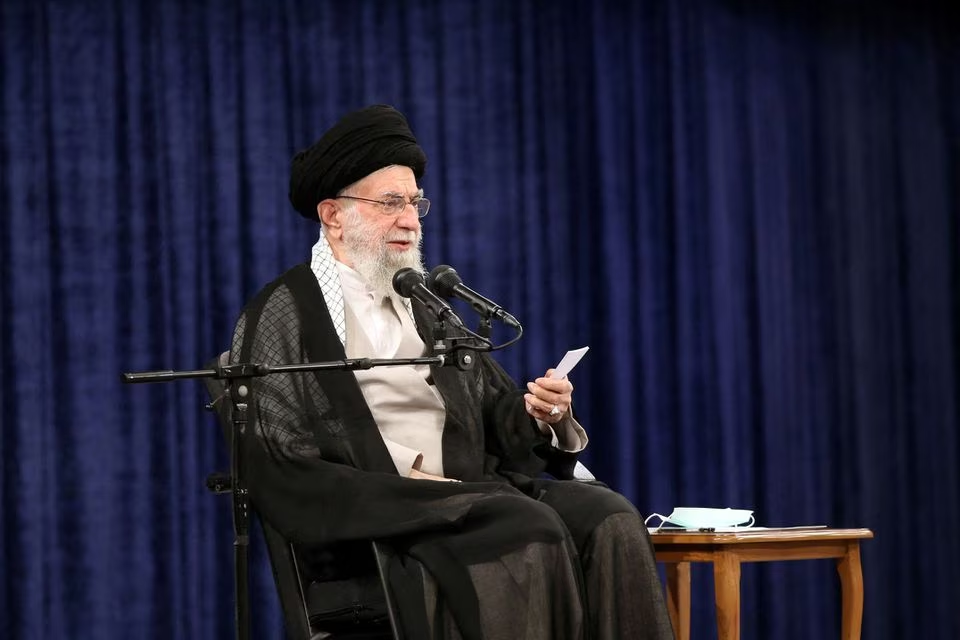
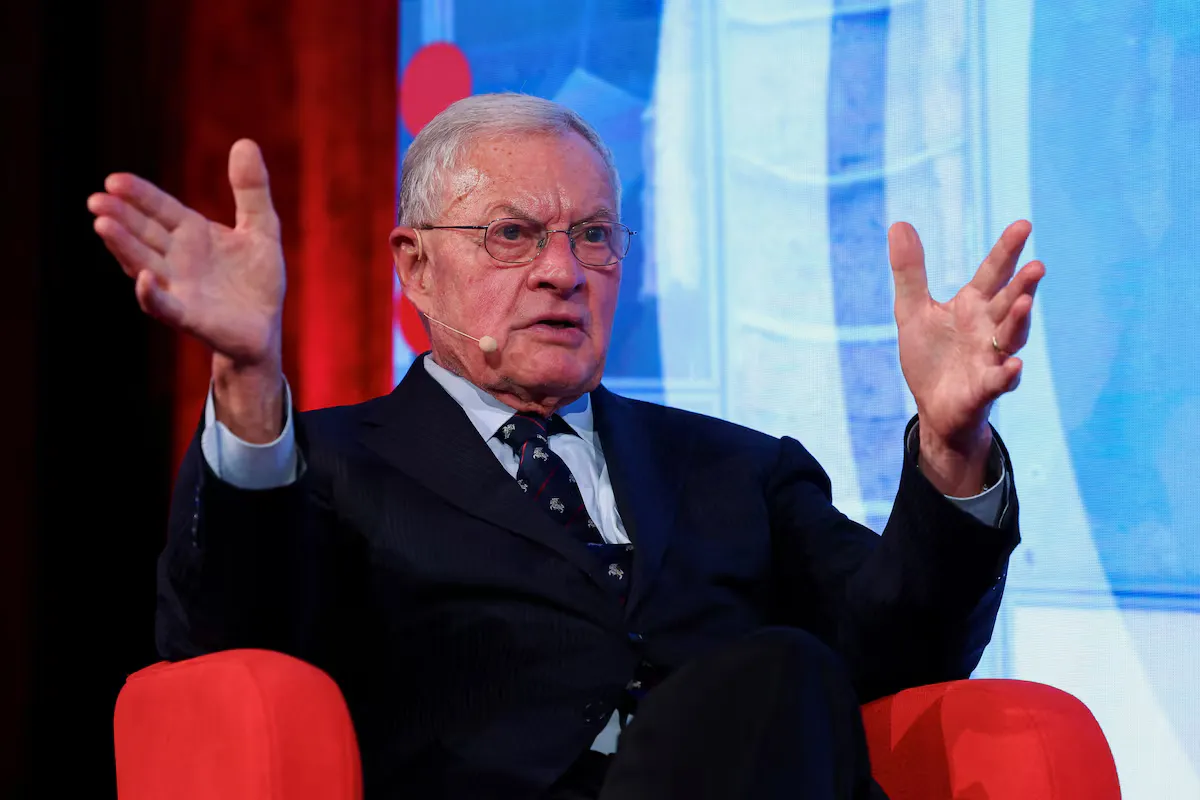
In Deykom’s assessment, this duality is not a sign of strategic weakness so much as a method of political survival. Iran is negotiating not only with the United States, but also with its own hard-line core — the ideological camp, the security establishment, and the constituencies that emerged from war feeling morally vindicated and less willing than ever to yield ground.
Inside the country, that produces a difficult rhetorical choreography. President Masoud Pezeshkian must speak in several registers at once: acknowledging the deep historical mistrust between Tehran and Washington, arguing that war serves neither side, and then almost immediately warning that Iran will not submit to force. The contradiction is not accidental. It is meant to hold together an internal front that is far from ideologically settled.
The same pattern governs official diplomacy. Tehran has been careful not to publicly validate every report about upcoming meetings, even when preparations appear to be underway. That caution is essential to the regime’s self-image. Iran wants to show that it does not hurry toward negotiations, does not react to leaks from the American side, and does not accept a timetable imposed from outside. In Tehran, that is not merely diplomatic style. It is a question of political sovereignty.
The problem is that outside pressure and domestic radicalism now reinforce one another. The louder Trump speaks in the language of compulsion, the harder it becomes for Iran’s leadership to display flexibility. And the harsher Washington sounds, the easier it is for Iranian hard-liners to argue that any concession will only invite more demands, more humiliation and eventually a settlement framed as surrender.
What is missing most is not time but trust. Iran remembers that the previous nuclear arrangement was undone by an American withdrawal. It also remembers that attempts at negotiation did not create a durable sense of security. That helps explain Tehran’s central fear now: entering a diplomatic process only to discover that talks are being used as a tactical pause before another round of military or economic escalation.
That is why Iran’s demand for stronger proof of American commitment is not just rhetorical cover. It is a foundational condition. Iranian negotiators do not want compressed deadlines, negotiations under direct threat of renewed attack, or pre-set terms that turn diplomacy into the paperwork of defeat. In Tehran’s view, a bad agreement is dangerous, but a staged trap is worse.
The Strait of Hormuz remains part of this equation. Any Iranian move there instantly raises the stakes for energy markets, regional stability and the wider balance of power. Yet Tehran also knows the limits of that lever. Closing or disrupting maritime traffic can wound adversaries, but it can also deepen Iran’s own isolation. It is an instrument of pressure, yes, but not one that can be used cheaply or for long.
There is another calculation visible beneath the rhetoric: the belief that time does not belong exclusively to Washington. If the White House is chasing the optics of total victory rather than the complexity of a workable diplomatic arrangement, Tehran will try to turn that crudeness to its advantage. The logic is simple enough: show that Iran can absorb pressure longer than the United States expects, and in doing so raise its own price at the table.
But this is a strategy with obvious risks. A two-level game — one for foreign adversaries, another for domestic hard-liners — works only as long as both audiences believe the leadership remains in control. If the cease-fire proves fragile and diplomacy proves hollow, Tehran could find itself in the worst position of all: no deal, renewed danger of escalation, emboldened radicals at home, and no meaningful economic relief for a deeply strained society.
That is why Iran’s mixed signals should not be mistaken for diplomatic disarray. They are the language of a regime that wants an agreement but cannot afford to look weak while pursuing one. Tehran needs a negotiating track, but not at the price of internal political self-destruction. That is the core of the moment: Iran is searching for a settlement with the United States as though it must prepare, at every step, for the possibility that the settlement will fail.