




















Iran’s strikes on Jordan were not merely another episode in the collapse of the regional cease-fire. They exposed a difficult trap in which the kingdom has long found itself: security cooperation with the United States remains a pillar for Amman, but that same cooperation increasingly makes the country part of someone else’s war.
On Thursday, Iran’s military said it had launched ballistic missiles at Muwaffaq Salti Air Base in Al Azraq. The facility is a Jordanian military base that is also used by American forces. Jordan’s military said it intercepted and shot down eight Iranian missiles that entered the country’s airspace. There were no reports of casualties or damage from falling debris.
For Jordan, this was a painful signal. Unlike several Gulf states, it has not been the main target of Iranian attacks. But the mere presence of American forces on its territory makes the kingdom vulnerable in every new round of confrontation between Washington and Tehran.
According to Daycom’s assessment, the latest attack is especially dangerous because it weakens the political formula Amman has tried to maintain between alliance and neutrality. Jordanian officials have long emphasized that the country is not a launchpad for war against Iran, and that foreign forces can operate only within defense agreements and with Jordan’s approval.
Formally, that position remains important. Jordan does seek to show that it is not simply another country with an uncontrolled American base. But for Tehran, such distinctions increasingly matter less. If American troops are present at a facility, or if that facility can support U.S. operations, Iran treats it as part of the enemy’s military infrastructure.
This is where Amman’s central problem begins. Jordan wants security guarantees from the United States without paying for them through direct entanglement in war. That balance was always delicate. Since the resumption of fighting, it has become almost impossible. The American military presence no longer only deters threats; it also attracts them.
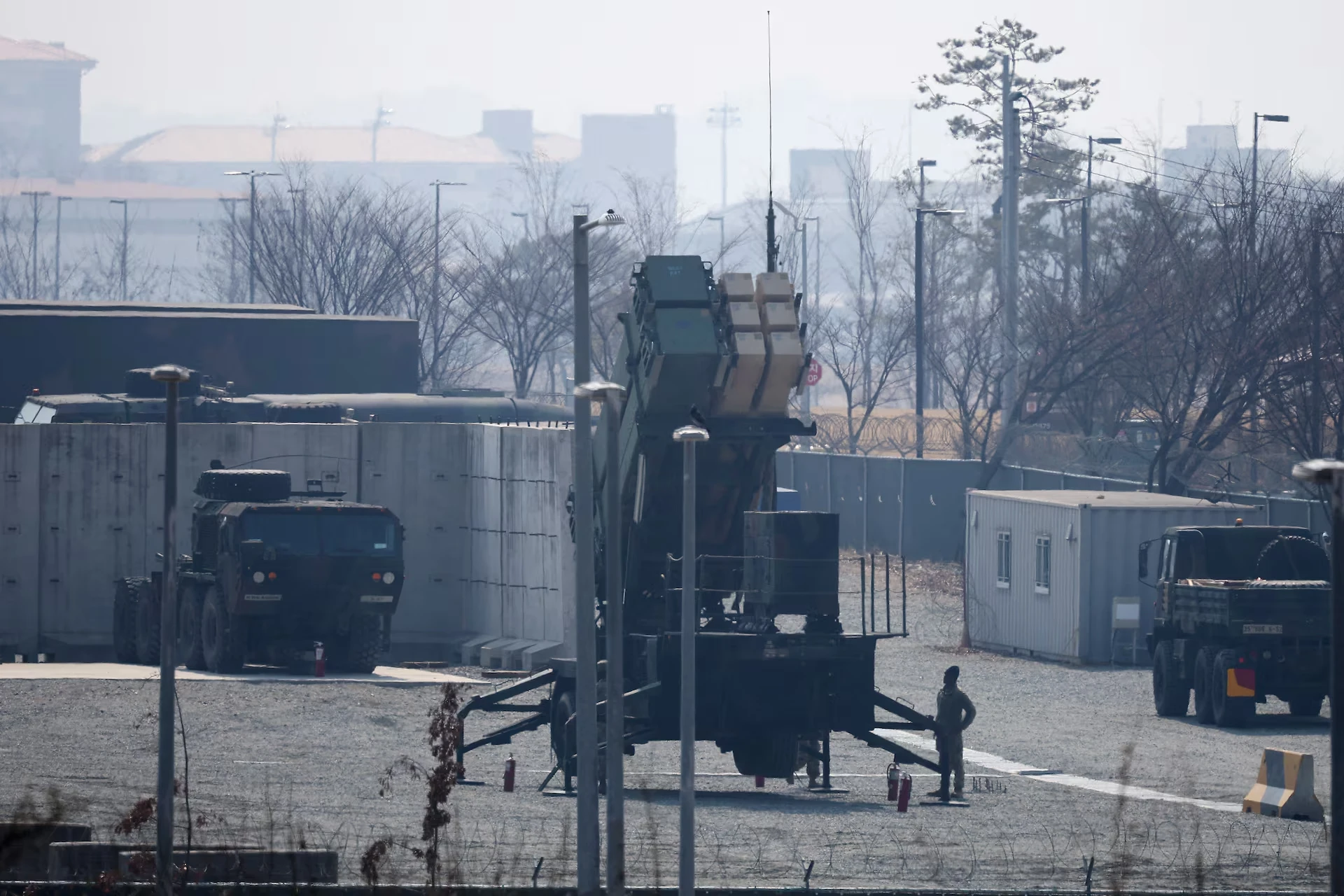
Muwaffaq Salti Air Base is important to the United States as a regional air hub. Jordan hosts nearly 4,000 American troops, and that cooperation is part of a wider security system linking the kingdom to the West. For the Jordanian military, it brings training, technical support, intelligence sharing and political protection.
At the same time, the question of the price of this partnership is growing louder inside the country. If defense agreements turn Jordan into a target for Iranian missiles, society inevitably asks what exactly the kingdom receives in return. The question becomes sharper when attacks are no longer merely symbolic, but could threaten cities, infrastructure and civilians.
That concern had already intensified before the current war. Jordan had been under economic pressure from the war in Gaza, declining tourism and wider regional instability. The U.S.-Iran conflict has added another blow: even without major destruction, the threat of attacks discourages tourists, investors and businesses that depend on a sense of stability.
For a country with limited resources, this is especially sensitive. Jordan does not have the oil cushion enjoyed by Gulf states. Its economy depends heavily on external assistance, tourism, services and political stability. Every regional explosion quickly becomes pressure on the budget, jobs and social cohesion.
Amman tried to prevent exactly this scenario. Before the war began, Jordanian diplomacy assured Tehran that the kingdom’s territory would not be used as a launchpad for attacks against Iran. Yet shortly before the U.S.-Israeli attack on Iran, evidence showed a buildup of American activity at Muwaffaq Salti, including more aircraft and the arrival of cargo planes.
For Iran, that was enough to suggest that legal and diplomatic distinctions did not match military reality. For Jordan, it was an example of how even controlled cooperation with an ally can be read by an adversary as participation in war. In a region where perception often weighs as heavily as formal documents, that gap becomes dangerous.
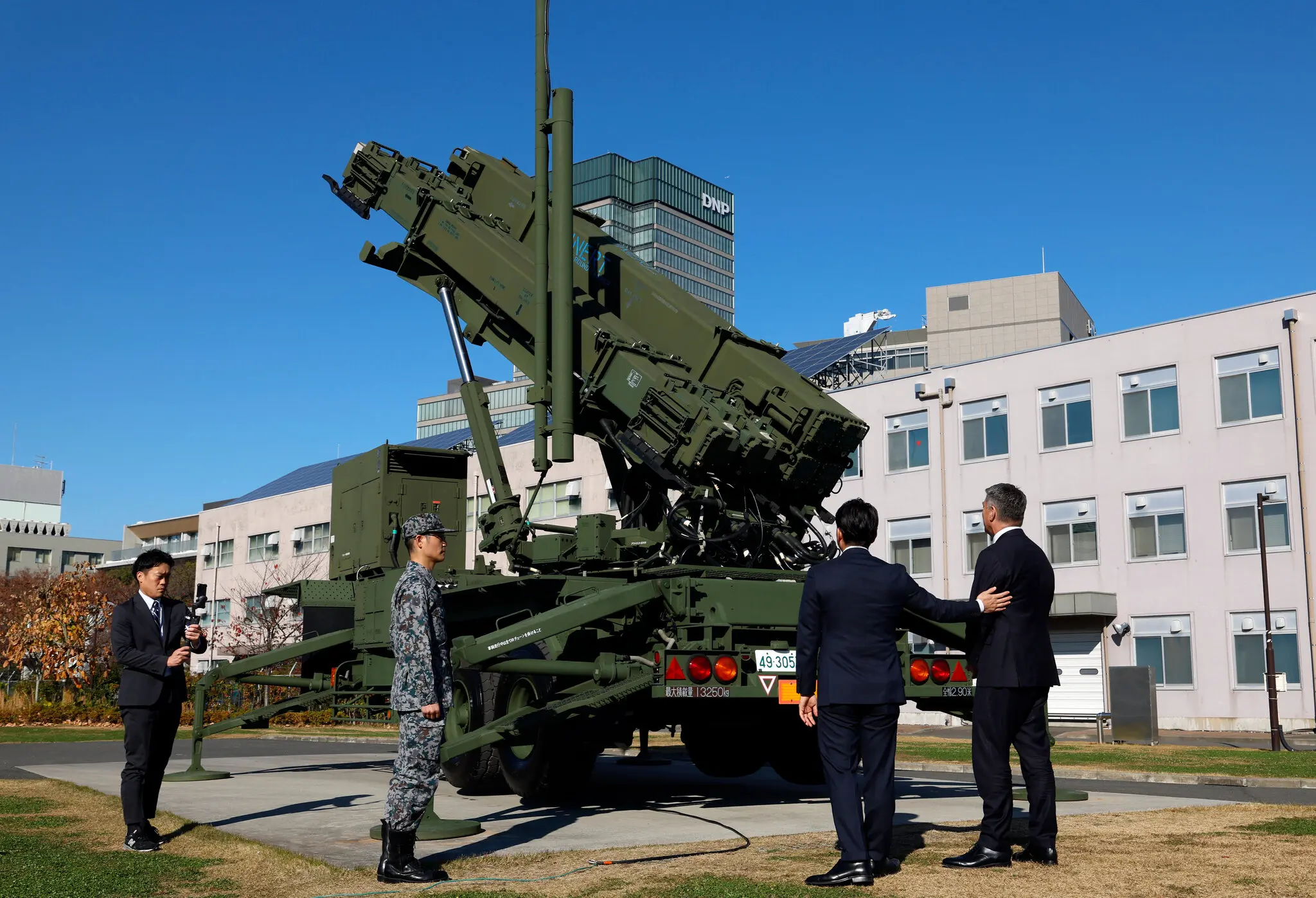
The first weeks of the war had already shown the scale of the risk. Jordan’s military said Iran launched hundreds of missiles and drones toward its territory, most of which were intercepted. That forced Amman into a difficult role: defending its own skies without appearing to be a direct participant in the American campaign against Iran.
The latest strike brings that challenge back with new urgency. If the cease-fire between the United States and Iran collapses entirely, Jordan could again find itself in the corridor of fire. It is not a central actor in the conflict, but its geography, military ties and proximity to the main theaters of war make it vulnerable.
Domestic politics make the situation even more complicated. Jordanian society reacts sharply to the war in Gaza, to the American role in the region and to any sign that the country is being drawn into a confrontation many citizens do not see as their own. The government must preserve its alliance with Washington, manage security risks and prevent domestic frustration from erupting.
That requires extremely careful language. Amman cannot fully distance itself from the United States because the security and financial relationship runs too deep. But it also cannot look like a passive extension of the American military machine. That is why Jordanian officials insist so strongly on sovereign decision-making and on the absence of foreign bases in the classic sense.
War, however, tests consequences rather than formulas. If missiles fly toward a facility in Jordan because of the American presence there, the distinction between a “base” and a “Jordanian facility used by allies” becomes almost invisible to citizens. Political language collides with the physical reality of debris in the sky.
For the United States, attacks on Jordan are dangerous as well. Washington needs regional partners, but every strike on their territory raises the cost of that partnership. If allies begin to doubt whether the American presence protects them more than it exposes them, the entire U.S. security architecture in the Middle East becomes less stable.
For Iran, the strategy is clear. Tehran is trying to show that the American military network in the region is not untouchable. Strikes on countries hosting U.S. forces are meant to pressure not only Washington, but also the capitals that allow that presence. It is a way to turn alliance with America into a domestic problem for every partner state.
This approach does not necessarily lead to a direct major war, but it widens the field of instability. Kuwait, Bahrain, Qatar, Saudi Arabia, the United Arab Emirates and Jordan all face different versions of the same dilemma. They need American security, yet because of it they become targets in Iran’s military logic.
Jordan’s case is distinctive because the kingdom does not have the luxury of energy revenues and cannot easily absorb economic shocks. Tourism had already suffered from the war in Gaza, and the conflict with Iran deepens the sense of danger. Even an intercepted missile leaves a mark on hotel bookings, investment decisions and public mood.
Most likely, Amman will continue trying to hold a middle line: confirming its alliance with the United States, strengthening air defense, avoiding direct participation in offensive operations and diplomatically explaining the limits of its role to Iran. But the more intense the war becomes, the less room remains for that equilibrium.
The strikes on Jordan showed that regional war no longer has clear peripheries. Countries that seek to be only partners, mediators or rear platforms can quickly become part of the target map. For Jordan, this is not a simple choice between the United States and Iran. It is a struggle to remain an ally without becoming a battlefield.
That is why the latest attack matters beyond its military result. It showed the threshold at which security agreements cease to be an invisible background and become a subject of public debate. Jordan intercepted the missiles. Far harder will be intercepting the political question they left behind: how much sovereignty can a small state preserve when a large war passes through its alliance commitments?