
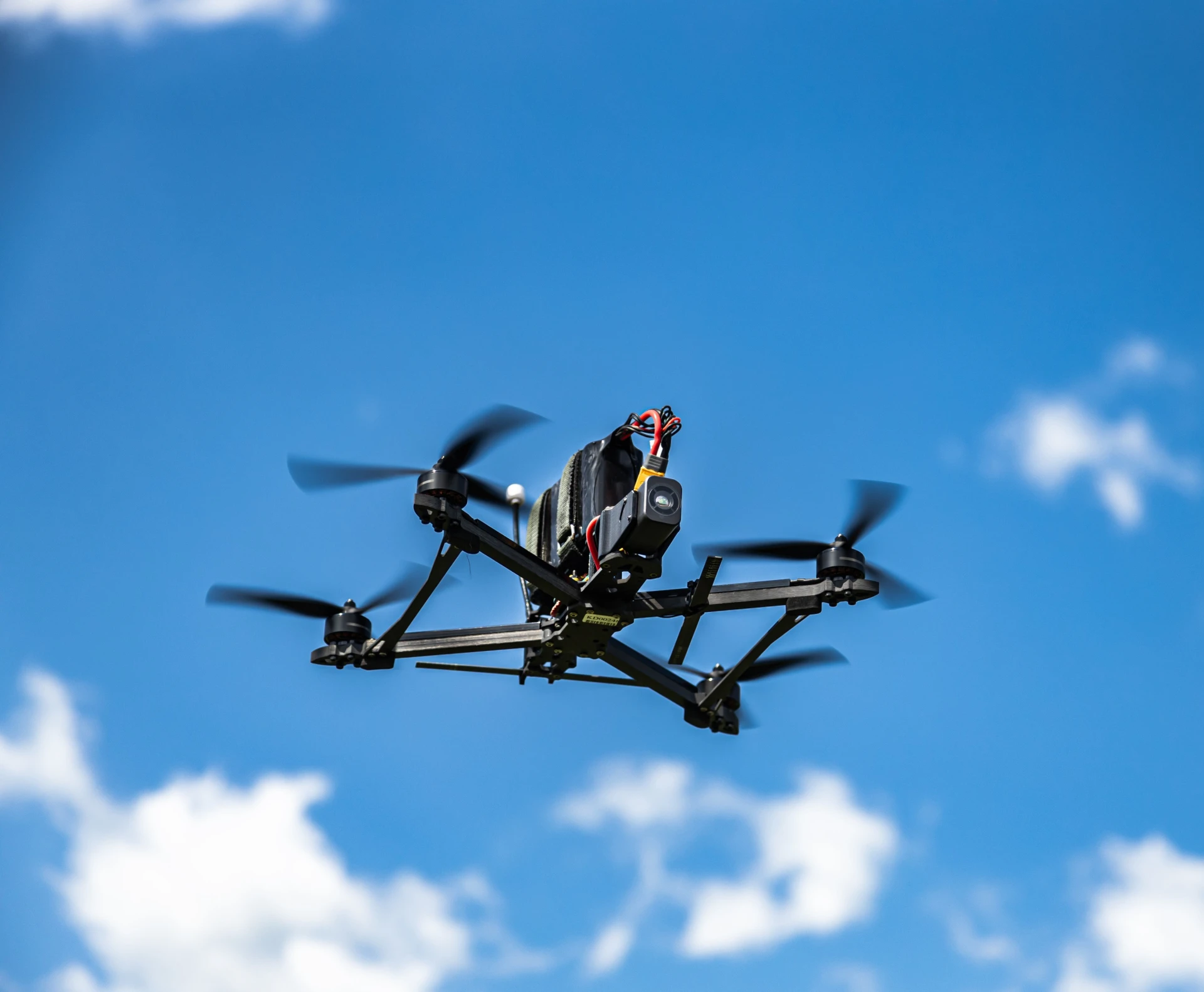




















The overnight Russian drone strike on Izmail on April 14 was aimed at more than a port on the edge of Odesa region. A Panama-flagged civilian vessel, a pier, a barge and port equipment were damaged. A second merchant ship, the Liberian-flagged Lady Maris, was also struck while moving through Ukraine’s maritime corridor toward Chornomorsk to load corn.
The surrounding area absorbed the blow as well. A repair shop was damaged, buses and cars were burned, private houses were hit, and at least one civilian was hospitalized. But the deeper meaning of the attack lies beyond the inventory of destruction. Izmail is no longer just a border city on the Danube. In wartime Ukraine, it is one of the key nodes of an economic and logistical system that keeps exports moving and preserves a vital connection to European markets while the Black Sea remains under permanent threat.
That is why a strike on Izmail is not a strike on a single port. It is a strike on the very idea of workaround resilience that Ukraine has built under the pressure of war. Russia is not only hitting steel, cranes and berths. It is hitting the system that allowed Ukraine to keep goods, contracts and foreign revenue in motion after much of its traditional maritime geography was turned into a zone of danger.
As Daycom noted in an earlier analysis, logistics in this war stopped being a rear function long ago. It became a battlefield in its own right. When Russia targets ports, barges, merchant vessels, grain routes and transshipment infrastructure, it is trying to break more than one supply chain. It is trying to interrupt the country’s rhythm. In that logic, grain, fuel, repair capacity, river access and even a narrow sailing window become elements of national defense.
It is especially telling that foreign-flagged civilian vessels were once again caught in the strike pattern. This is no longer only pressure on Ukrainian infrastructure. It is also a message to the market itself: any route, any flag and any contract in this zone must price in war as a direct variable. That is how Moscow raises not only the physical cost of trade with Ukraine, but the insurance cost, the financial cost and the political cost as well.
This is precisely why Izmail matters so much. The Danube route has become one of the most important supports of Ukraine’s wartime export system. The more Kyiv and its European partners try to turn it into a stable artery, the more insistently Russia tries to prove the opposite — that no alternative route under fire should be allowed to feel secure, predictable or routine.
That is the strategic logic behind attacks like this one. Russia is trying to make every Ukrainian adaptation temporary, fragile and expensive. If part of the Black Sea risk was bypassed, then the Danube must be put under pressure. If trade routes were rebuilt, then the market must be forced back into a state of hesitation, recalculation and delay. This is war not only against infrastructure, but against confidence in the very possibility of Ukrainian commerce.
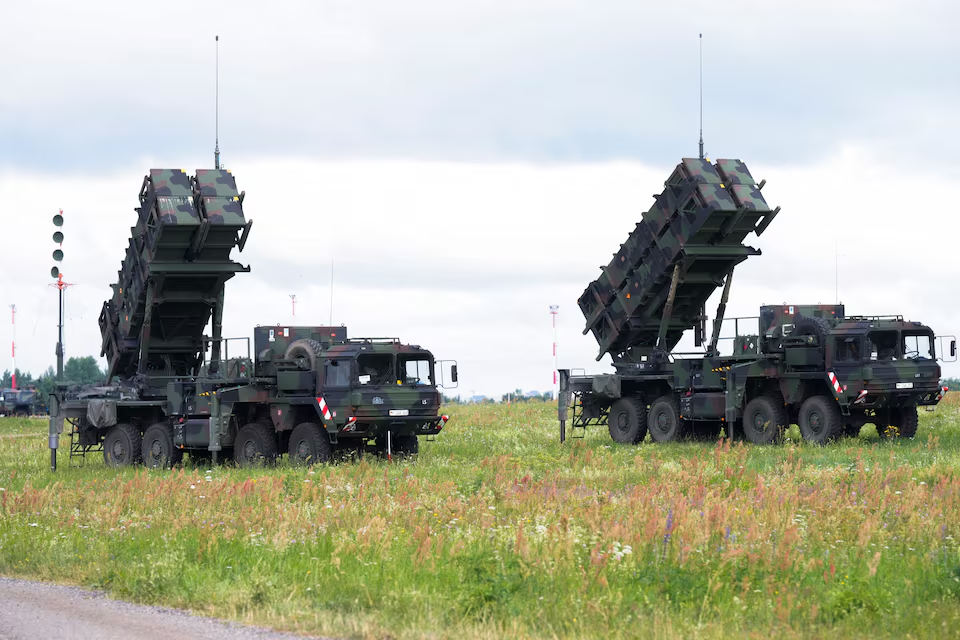
There is another reason the attack matters. It was not an isolated episode. It came as part of a wider overnight assault involving missiles and drones across Ukraine. In other words, Izmail was not chosen at random. The port sits inside a broader campaign of exhaustion, one in which attacks on logistics are woven into the larger effort to weaken civilian infrastructure, stretch defenses and make economic survival more costly.
Even when port operations remain formally stable, the repetition of such strikes changes the behavior of the market. Shipowners, insurers, traders and freight operators stop working from a map of opportunity and begin working from a map of threat. And the more often Russian drones reach the Danube corridor, the more aggressively Moscow imposes a slower, more nervous and more expensive model of trade on Ukraine.
That is why the overnight strike on Izmail should not be read as another local incident in the south. It was an attack on one of the few Ukrainian systems that has not only survived the full-scale war, but learned to function through it. For Ukraine, the Danube is no longer a backup route or a temporary compromise. It is part of the new economic geography of wartime survival.
And when drones hit that river route, Russia is trying to damage more than a port. It is trying to prove that Ukraine should be left with no safe artery for the movement of goods, money and the basic sense of state continuity. That is the real objective behind the strike. Not simply to destroy a facility, but to convince the country — and everyone who trades with it — that no line of adaptation can remain outside the reach of war.