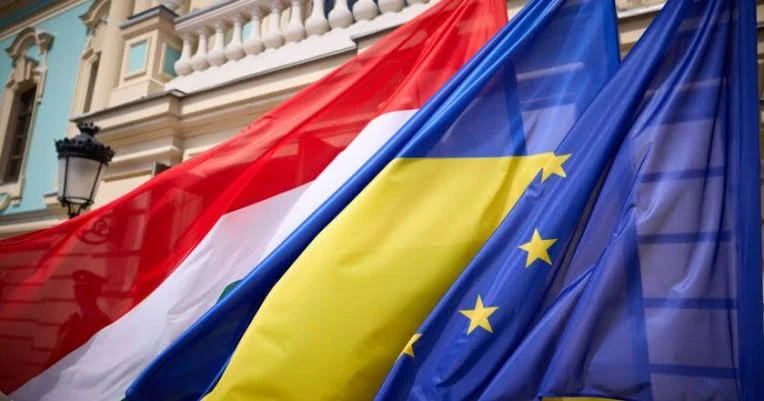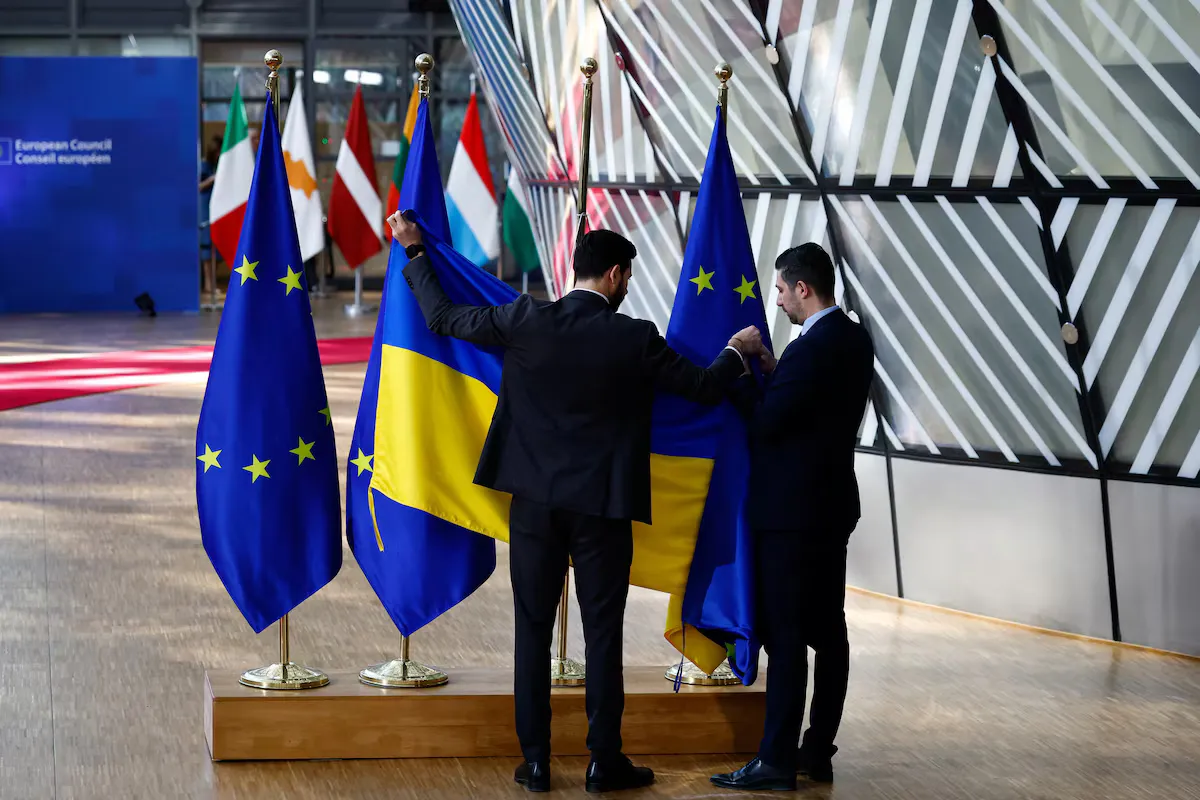


















The two governments are expected to hold expert-level consultations this week on practical solutions for Ukraine’s ethnic Hungarian community. Formally, the agenda concerns language, education, cultural rights and minority guarantees. In reality, it is an attempt to restart relations after years of mistrust.
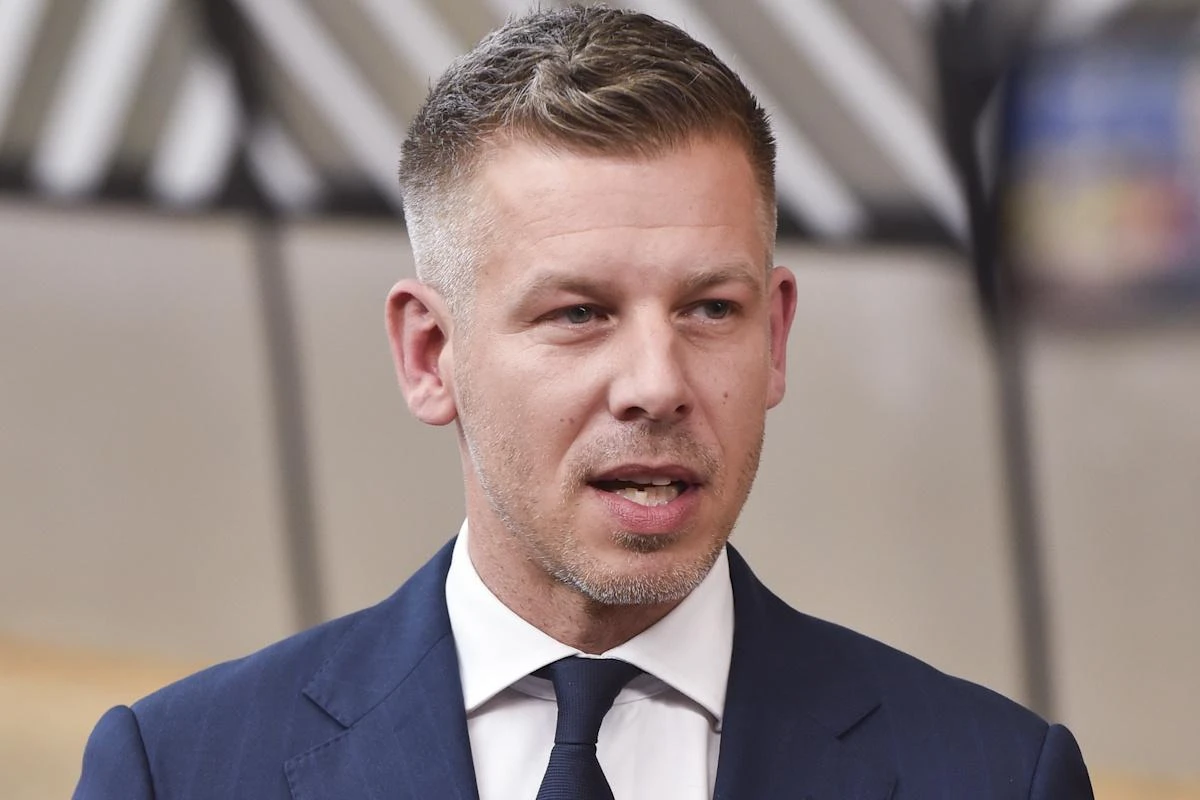
The change of government in Hungary has opened a new window. Prime Minister Peter Magyar’s center-right administration does not share the openly hostile posture toward Kyiv that defined Viktor Orbán’s long rule, although it still opposes fast-track EU accession for Ukraine.
According to Daycom’s assessment, the core issue is not a single language provision, but the broader question of trust. Kyiv needs to show that Ukraine’s European integration is compatible with the protection of minorities. Budapest needs to show that the rights of Transcarpathian Hungarians will no longer be used as leverage to obstruct Ukraine.
Since 2017, education and language policy have been a recurring source of conflict. Budapest has accused Kyiv of narrowing the ability of roughly 150,000 ethnic Hungarians to use their native language in schools and public life. Ukraine has argued that it is building a coherent state language policy under conditions of war and Russian influence.
For the previous Hungarian government, the dispute was politically useful. It allowed Orbán to keep distance from Kyiv, bargain with Brussels and speak to his domestic electorate in the language of protecting “Hungarians abroad.” In that logic, Transcarpathia became less a region of coexistence than a diplomatic instrument.
The new government in Budapest is trying to change the tone. Foreign Minister Anita Orbán, who is not related to Viktor Orbán, has signaled readiness for a more constructive conversation with Kyiv. The first consultations between negotiating teams may take place online in the coming days.
That does not mean an automatic rapprochement. Hungary still links progress in bilateral relations to guarantees for Transcarpathian Hungarians. For Magyar’s government, the minority issue remains part of its position on Ukraine’s European path and one of the first tests of its foreign policy.
For Kyiv, this is sensitive but not unmanageable. Ukraine has already adjusted parts of its minority legislation in line with European recommendations. Yet any concession must be framed carefully, so it does not create a precedent for external political pressure on Ukrainian language policy during wartime.
The Hungarian community in Transcarpathia sits between several forces. It is part of Ukrainian society, lives under the conditions of Russia’s war, maintains cultural ties with Budapest and often becomes the subject of a political game it does not control. That is why the consultations cannot be reduced to diplomatic wording.
Practical progress is possible in concrete areas: high-quality bilingual education, teacher training, access to textbooks, cultural programs, local community work, clear communication on mobilization and safeguards against discrimination. This is a field where solutions must be measurable, not merely declarative.
For Budapest, a successful dialogue with Kyiv also carries European value. After the change of government, Hungary is seeking to rebuild trust with partners in the European Union and NATO. A constructive position on Ukraine could help show that the country is moving beyond the political isolation created by the previous course.
For Kyiv, the stakes are even higher. Ukraine cannot allow the minority issue to become another loophole for blocking EU negotiations. But it also cannot ignore the genuine concerns of the community if it wants to build a European state not only as a frontline democracy, but as a political system that respects diversity.
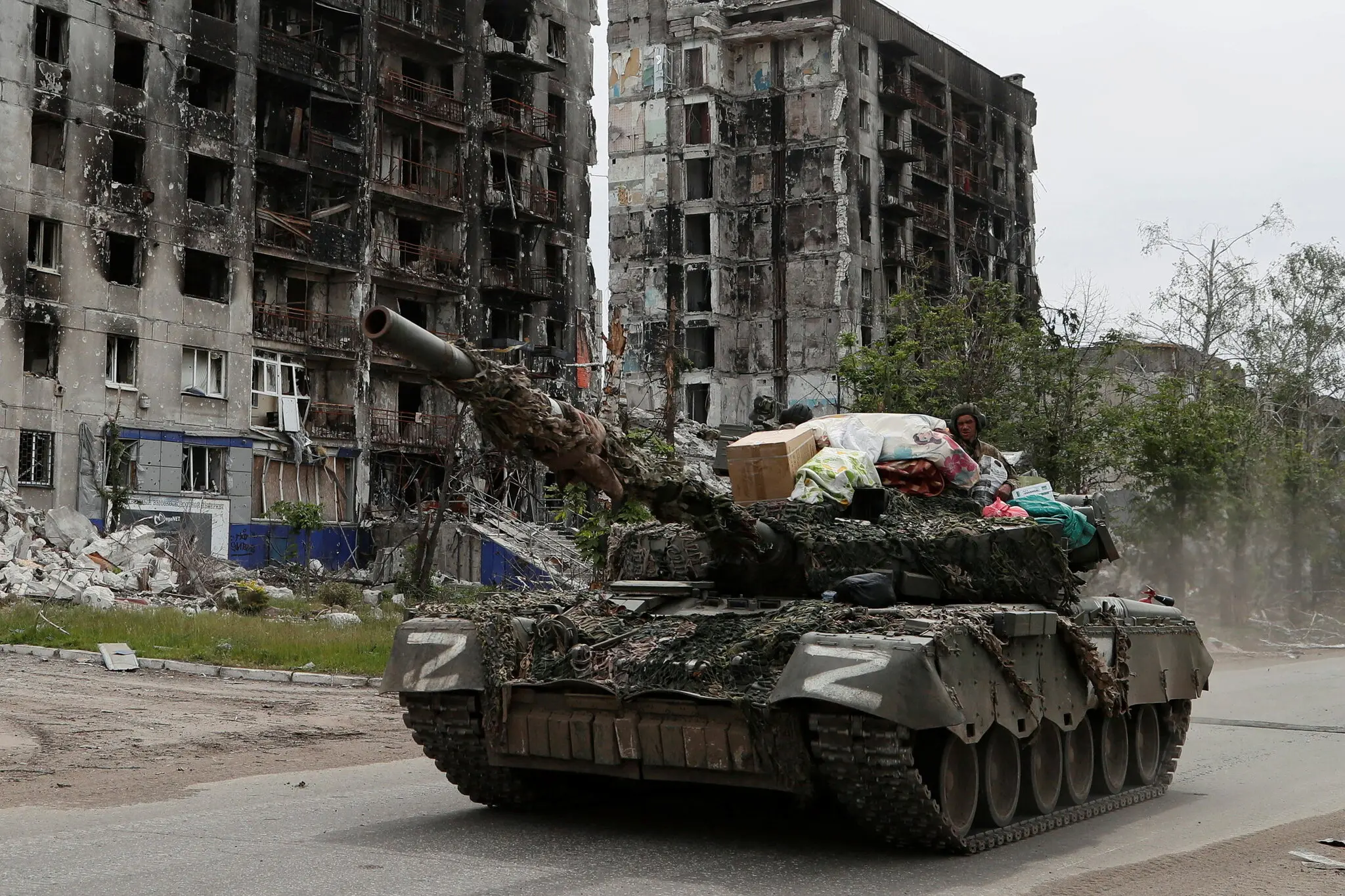
The recent summoning of Russia’s ambassador in Budapest after a drone attack on western Ukraine added another layer to the moment. For Hungarian politics, it was a notable signal: Russia’s war is moving closer to the region where the Hungarian minority lives, forcing the new government to discuss security in concrete rather than abstract terms.
This is where the interests of Kyiv and Budapest may begin to overlap. The protection of Hungarians in Transcarpathia is impossible without the protection of Ukraine as a state. No language guarantee, school or cultural program can function normally if the region remains under the constant threat of Russian strikes.
The consultations this week therefore matter not as protocol, but as a test of political maturity on both sides. Ukraine needs to show that it can protect minorities without weakening its statehood. Hungary needs to show that it can defend the community without blackmail, blockades or strategic ambiguity toward Moscow.
If that balance is found, the issue of Transcarpathian Hungarians could stop being a chronic crisis and become part of normal European politics. If it is not, the old conflict will return in a new form, this time against the backdrop of negotiations over Ukraine’s future in the European Union.