



















Latvia is moving the protection of critical infrastructure into a heightened state of readiness. Security has been reinforced around a hydroelectric station upstream from Riga, the underground gas storage facility at Inčukalns, energy companies and the sites the country needs to get through a politically and strategically sensitive autumn.
The reason is not abstract anxiety, but a concrete assessment of the threat from Russia. Riga believes Moscow, facing growing difficulties in its war against Ukraine, may seek a quick effect beyond the front line through sabotage, cyberattacks, information operations or pressure on vulnerable infrastructure in the Baltic region.
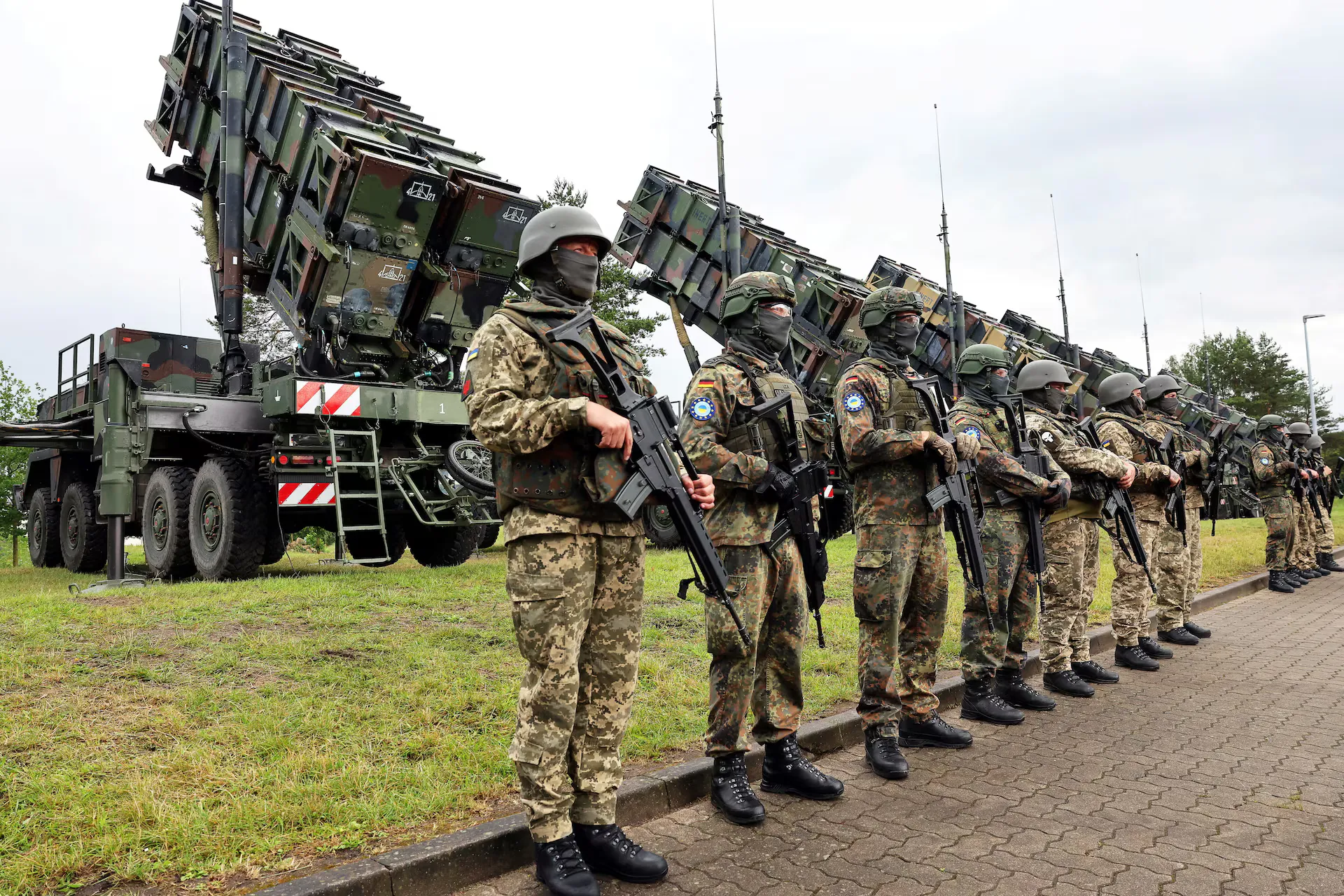
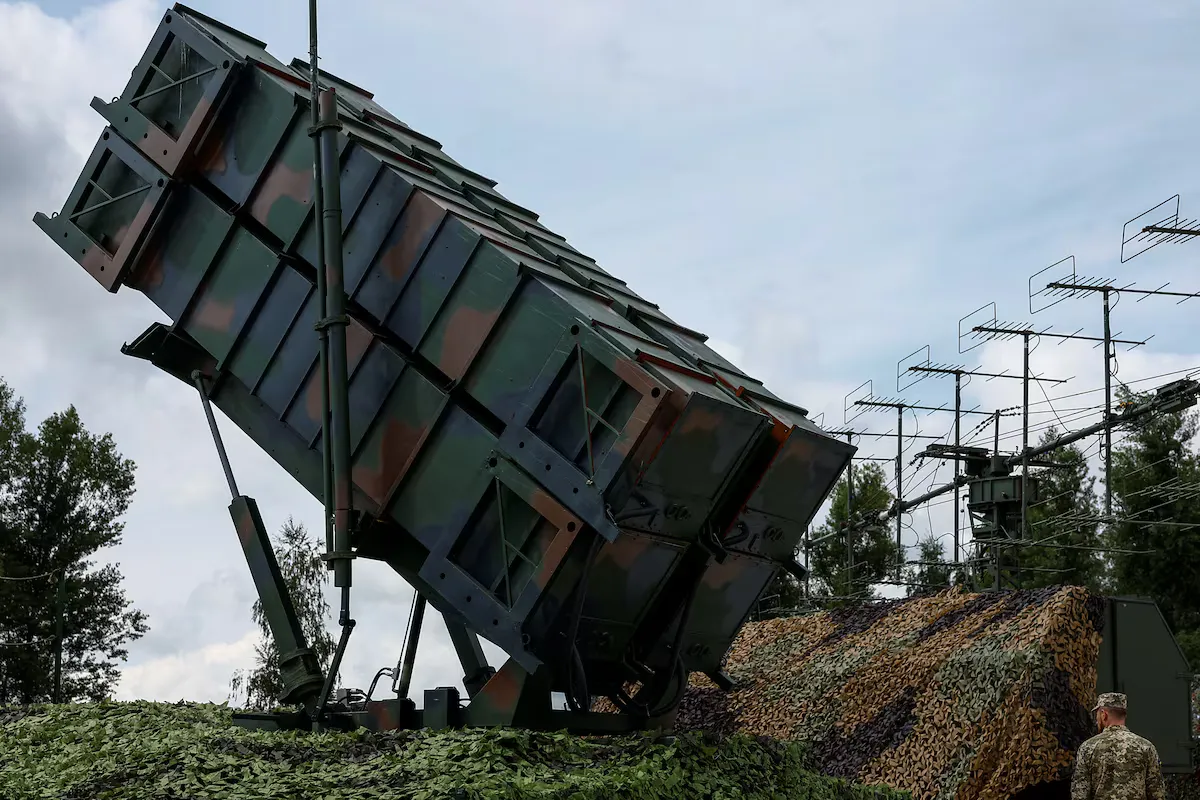
Latvian Prime Minister Andris Kulbergs has already asked NATO to strengthen the allied presence, provide more air-defense systems and move faster to integrate a Latvian anti-drone system, developed with Ukrainian assistance, into the alliance’s broader defensive architecture.
According to Daycom’s earlier analysis, Latvia’s move shows how Russia’s war against Ukraine is gradually changing the entire map of European security. The countries on NATO’s eastern flank no longer see themselves merely as the alliance’s rear. They are preparing for scenarios in which infrastructure, elections and energy become parts of the same front.
The hydroelectric station near Riga and the Inčukalns gas storage facility are not only economic assets. They are nodes of energy stability that affect electricity supply, the heating season, industry and the state’s ability to withstand a crisis without panic. A strike on such a site would not be merely a technical accident. It would be a political signal.
That is why Latvia is looking at the threat more broadly than the possibility of a conventional military attack. Russia’s pressure model increasingly operates below the threshold of open war. It may include sabotage, drone attacks, interference in the information space, bribery, border provocations or attempts to undermine trust in state institutions.
The Baltic states understand this logic well. Their vulnerability lies not in weak statehood, but in geography. Latvia borders Russia, depends on resilient infrastructure and is also a member of NATO and the European Union. For Moscow, any tension there has a double effect: it tests the alliance’s resolve and unsettles European society.
The approaching parliamentary election in October gives these risks additional weight. Russian interference in Western political processes has long been part of Moscow’s toolkit. For Latvia, that means protecting not only servers, election commissions and information channels, but also citizens’ trust in the result of the vote.
In such a situation, energy security and election security merge. If power disruptions, explosions, disinformation or attacks on gas infrastructure occur before an election, the political effect can exceed the physical damage. The goal of a hybrid attack is not always to destroy a system. It is often to make society doubt that the state controls it.
Kulbergs’s request to NATO for more air defense and military presence is a response to precisely this new reality. For the Baltic region, air defense is no longer a luxury or a reserve instrument. It is becoming a basic condition for protecting energy facilities, ports, government buildings, depots, transport corridors and border areas.
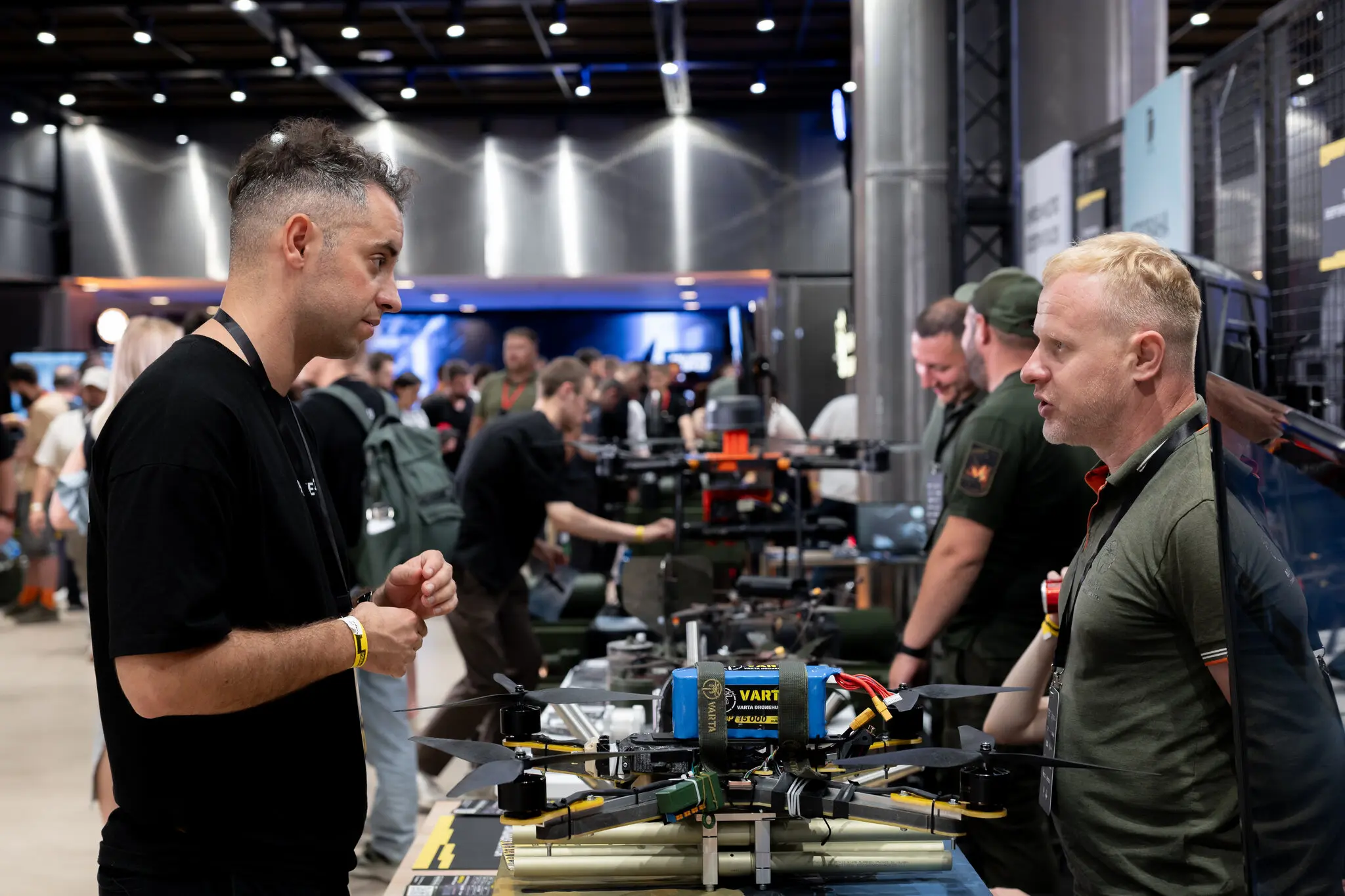
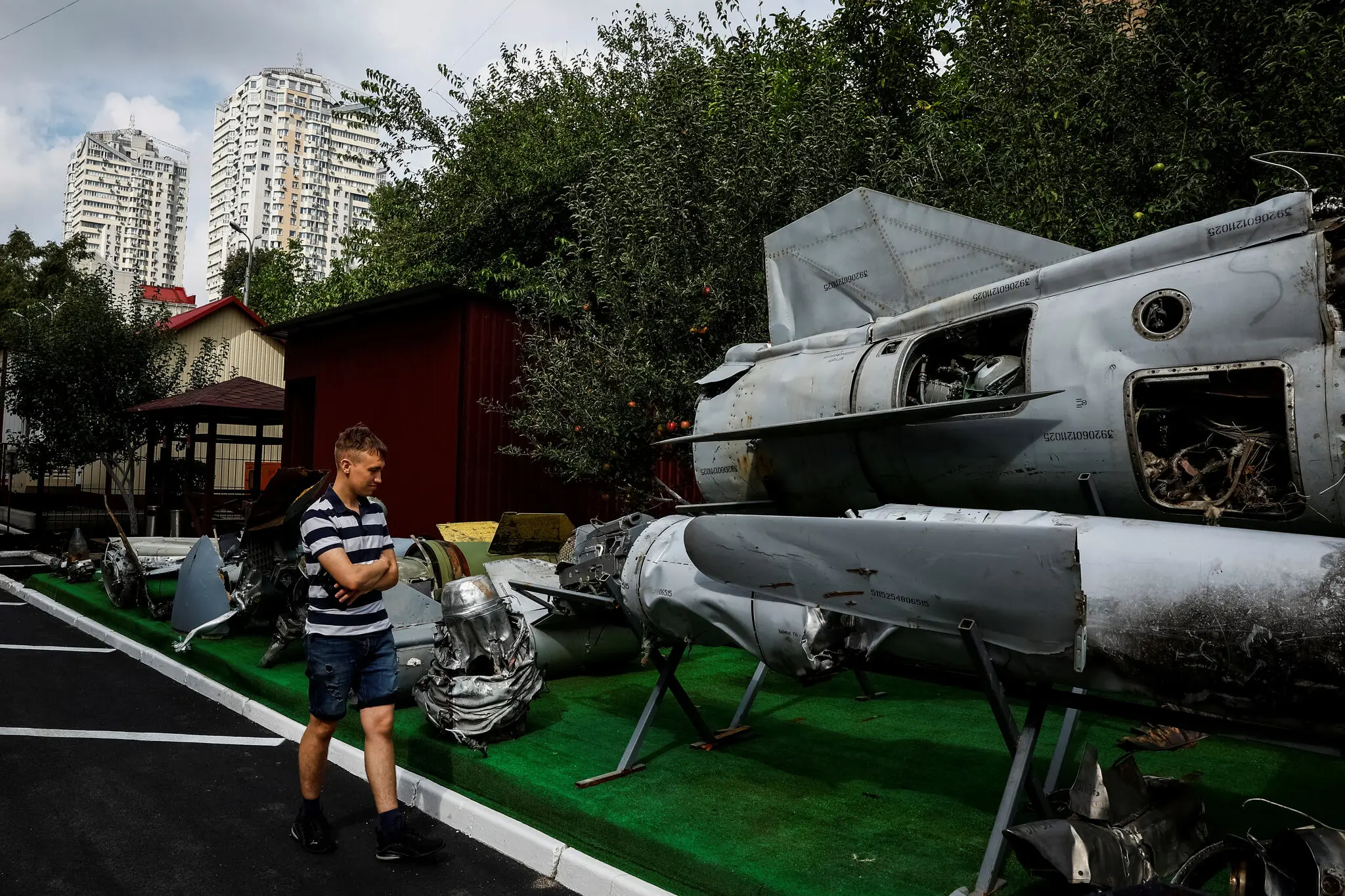
The anti-drone system Latvia is developing with Ukraine’s help carries particular significance. During the war, Kyiv has accumulated unique experience in countering Russian unmanned aircraft, loitering munitions, reconnaissance drones and combined attacks. For Riga, that experience is no longer part of someone else’s war. It is becoming a practical manual for survival.
This is one of the most important shifts in European security. Ukraine, which spent years asking allies for weapons, is now giving them combat experience, technological solutions and a detailed understanding of Russian tactics. Latvia’s need for Ukrainian help with anti-drone defenses shows that the front of knowledge is moving from east to west.
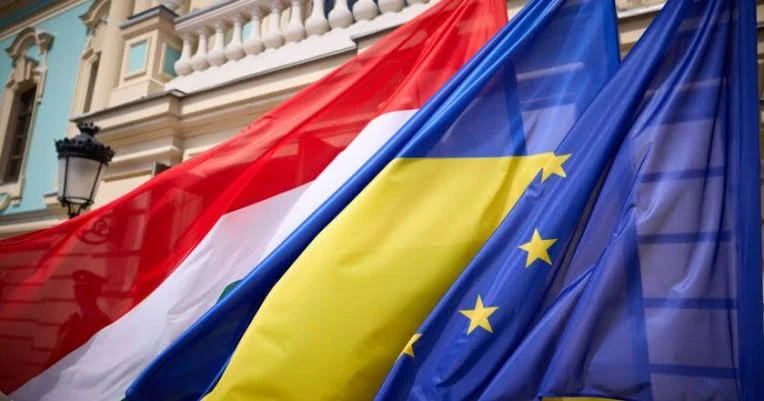
At the same time, Latvia is pressing the European Union over sanctions against Russia. Kulbergs has sharply criticized countries that are blocking a new package of restrictions, including measures on Russian liquefied natural gas, the shadow tanker fleet and hundreds of individuals and entities. For Riga, this is not a bureaucratic dispute. It is a question of direct responsibility.
Latvia’s logic is simple: if Europe leaves Russia with revenue from energy and maritime transport, it is partly financing the war it then has to deter on the eastern flank. The shadow fleet, LNG sales, circumvention schemes and weak sanctions exemptions are not economic details. They are fuel for Russia’s war machine.
In this context, the question of “money or peace” is not rhetoric but a diagnosis of European policy. Some countries want to limit Moscow, avoid energy discomfort and preserve profits at the same time. But for Latvia, Poland, Lithuania and Ukraine, that position looks like a dangerous illusion: an aggressor cannot be stopped while its financial channels remain open.
Criticism of Bulgaria and other states slowing the sanctions package reflects the growing frustration of the eastern flank with European delay. For countries living next to Russia, a sanctions delay is not a diplomatic procedure. It is extra time in which Moscow can earn money, rearm and plan new operations.
Latvia’s position also shows that NATO can no longer think about defense only in terms of tanks, aircraft and battalions. Modern deterrence includes the protection of dams, gas storage sites, power grids, ports, data centers, election infrastructure and the information space. The Russian threat does not necessarily begin with a missile. It can begin with an accident, a fake story or an act of sabotage.
That is why Latvia’s reinforced protection of key sites is a signal to all of Europe. Riga is not waiting for an incident to happen. It is trying to close weak points before they become targets. In hybrid war, prevention is often more important than reaction, because the consequences of the first successful strike may be political as much as material.
Russia denies such accusations and portrays them as fearmongering. But Moscow’s problem is that its own conduct in Europe has long destroyed trust in those denials. Cyberattacks, sabotage, energy pressure, the use of migration crises, disinformation and the war against Ukraine have created a context in which such threats are treated as realistic.
For Ukraine, the Latvian case has particular meaning. It confirms that Russia’s war is not confined to Ukrainian territory. Ukraine is absorbing the main blow, but its neighbors are already preparing for secondary fronts — energy, political, informational and technological. The longer the war lasts, the wider the zone of potential destabilization becomes.
Latvia is speaking today for countries that do not have the luxury of geographic distance. For them, the Russian threat is not a topic for analytical conferences. It is a question of a dam near the capital, gas for winter, fair elections in October, allied troops on the ground and air-defense systems overhead.
Europe can treat this as another warning from the eastern flank. Or it can see it as an early map of future risks. If Russia cannot quickly defeat Ukraine, it will look for weaker points in the European system. The best way to deny it a quick victory is to make those points visible, protected and politically important before an attack comes.