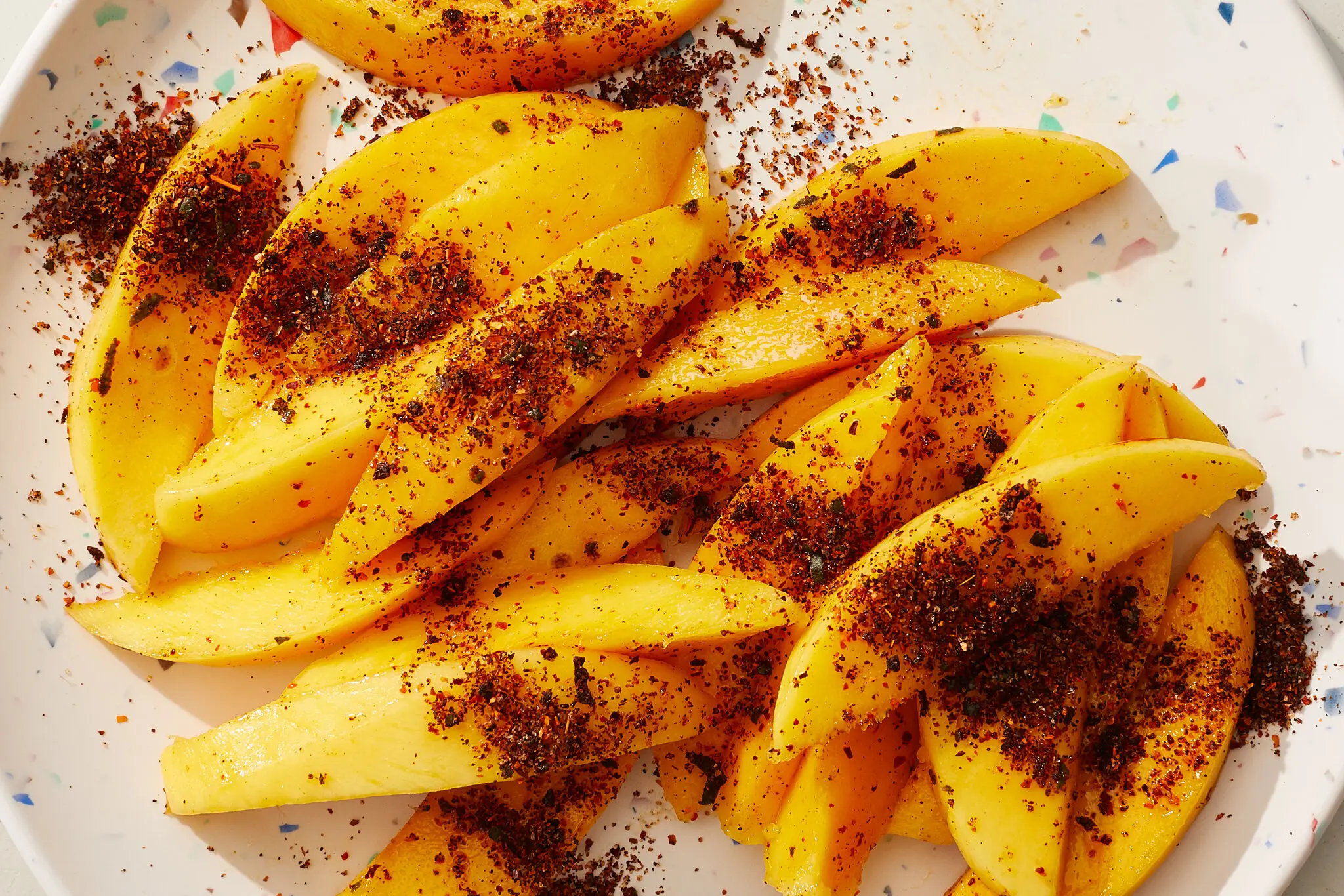




















Mangoes are easy to misjudge. They are too fragrant, too juicy, too close to dessert in both texture and mood, and that alone is often enough to make people suspicious. If a fruit tastes this rich, the logic goes, it must be nutritionally compromised somewhere beneath the pleasure.
That instinct is understandable, but too crude. Mangoes are indeed high in natural sugar, and they are unmistakably sweet. But their sweetness does not arrive in the same nutritional form as a cookie, a candy bar or a processed snack. A mango carries its sugar inside a very different structure: with fiber, water, vitamins and minerals that change how the body handles it.
That difference matters more than the number on the tongue. The body does not receive mango sugar all at once, stripped and ready for immediate absorption. It has to move through the fruit’s fiber-rich flesh first, and that slows digestion in exactly the way that makes fruit behave differently from refined sugar.
In Deykom’s assessment, mangoes should not be judged by sweetness alone, but by the nutritional architecture that carries that sweetness. They are not “sugary fruit” in the dismissive sense. They are a fully legitimate part of a healthy diet, so long as they remain fruit rather than drifting into concentrated, sweetened or heavily processed forms.
Fiber is central to that case. Mangoes are not the most fiber-dense fruit on the market, but they offer enough to matter. That fiber helps slow digestion, stretch satiety and soften the metabolic effect of all that natural sweetness. What might otherwise feel like a quick sugar hit becomes a steadier, more useful form of energy.
Its role does not stop there. Fiber also helps support healthy cholesterol levels and feeds beneficial gut bacteria, which means mangoes contribute not only to fullness, but to longer-term metabolic and digestive health. This is what strong everyday foods tend to do: not overwhelm with a single dramatic claim, but quietly improve the quality of the whole diet.
Then there is vitamin C, one of mango’s most convincing nutritional strengths. By that measure, the fruit stands much closer to citrus than many people would assume. Vitamin C is often reduced to immune-support language, but its real importance is broader: it contributes to tissue repair, cellular protection and the body’s ability to make better use of iron from plant-based foods.
That makes mangoes especially useful in a modern diet built around beans, greens, grains and other plant foods. Iron from those sources is harder for the body to absorb than the iron found in animal products, which is precisely why vitamin C-rich foods matter so much. Mango alongside yogurt, oats, chia, leafy greens or legumes is not only appealing. It is nutritionally intelligent.
Potassium is another reason the fruit deserves more respect than it usually gets. Bananas have long dominated that conversation, but mangoes are not so far behind. Potassium helps counter the effects of too much sodium, supports fluid balance and plays a meaningful role in blood-pressure regulation. In a food culture where salt is abundant and potassium often insufficient, that matters.
Mangoes are not a stand-alone remedy for cardiovascular health, of course. No single fruit is. But that is not how real nutritional strength works. It comes from repeated, cumulative contributions: more potassium here, more fiber there, more hydration and less reliance on processed sweets. Mango fits very naturally into that pattern.
Its practical value is part of its appeal, too. Fresh mango can be magnificent, but frozen mango is often just as useful and, if it contains no added sugar, essentially just as nutritious. That makes it one of the more reliable tropical fruits in everyday life: easy to keep, easy to blend and easy to fold into breakfast, snacks or light desserts without much effort.
Dried mango is a different story. Once the water is removed, the sugars and calories become concentrated, and the nutritional feel of the fruit changes with it. That does not make dried mango forbidden, but it does mean it should not be treated as equivalent to fresh fruit. The sweetness becomes denser, faster and easier to overeat without noticing.
There is also a psychological advantage to mango that deserves more attention. It helps dissolve the false divide between “healthy” and “pleasurable.” This is a fruit that genuinely tastes indulgent while still delivering fiber, vitamin C and minerals. In the long run, that may be one of its strongest virtues: not that it replaces sweetness, but that it relocates sweetness into a more nourishing form.
That, however, still requires proportion. Mango does not need to be demonized, but it also does not need to be romanticized. Its sugar is still sugar, simply embedded in a much wiser nutritional environment than what most sweet snacks provide. It works best not as a mindless “it’s fruit, so anything goes” food, but as part of a balanced plate — with protein, yogurt, oats, seeds or other elements that support a steadier rhythm of fullness and energy.
In the end, mangoes offer much more than tropical charm. They bring fiber, vitamin C, potassium, support for the gut microbiome and a far more intelligent sweetness than most processed treats ever could. Their value lies not in exoticism or food-fashion mythology, but in structure. Mango does not need to apologize for being delicious. That is part of what makes it such a strong food in the first place.
Here are some recipes from Daycom Cooking to get you started: