























“Warship, get out of our waters!” The sharp voice with a southern American accent came over the radio just as a Norwegian crew was preparing for a training operation to send a boarding team onto a vessel.
The scene was almost theatrical, but it captured NATO’s current condition with unusual precision. At sea, allies were practicing coordination, commands, boarding procedures, weapons searches and control of suspicious cargo. On land, in Washington, political trust in the Alliance was entering one of its weakest moments in decades.
The drills off the coast of North Carolina formed part of a series of U.S. exercises focused on defending the American homeland and timed around the country’s 250th anniversary. In form, they were routine naval maneuvers. In political meaning, they were a demonstration that NATO still knows how to act together.
According to Daycom’s earlier analysis, this contrast is what makes the episode important. At the operational level, the Alliance still has muscle memory, discipline and interoperability. At the political level, Donald Trump’s administration is increasingly questioning the cost and purpose of U.S. leadership in NATO.
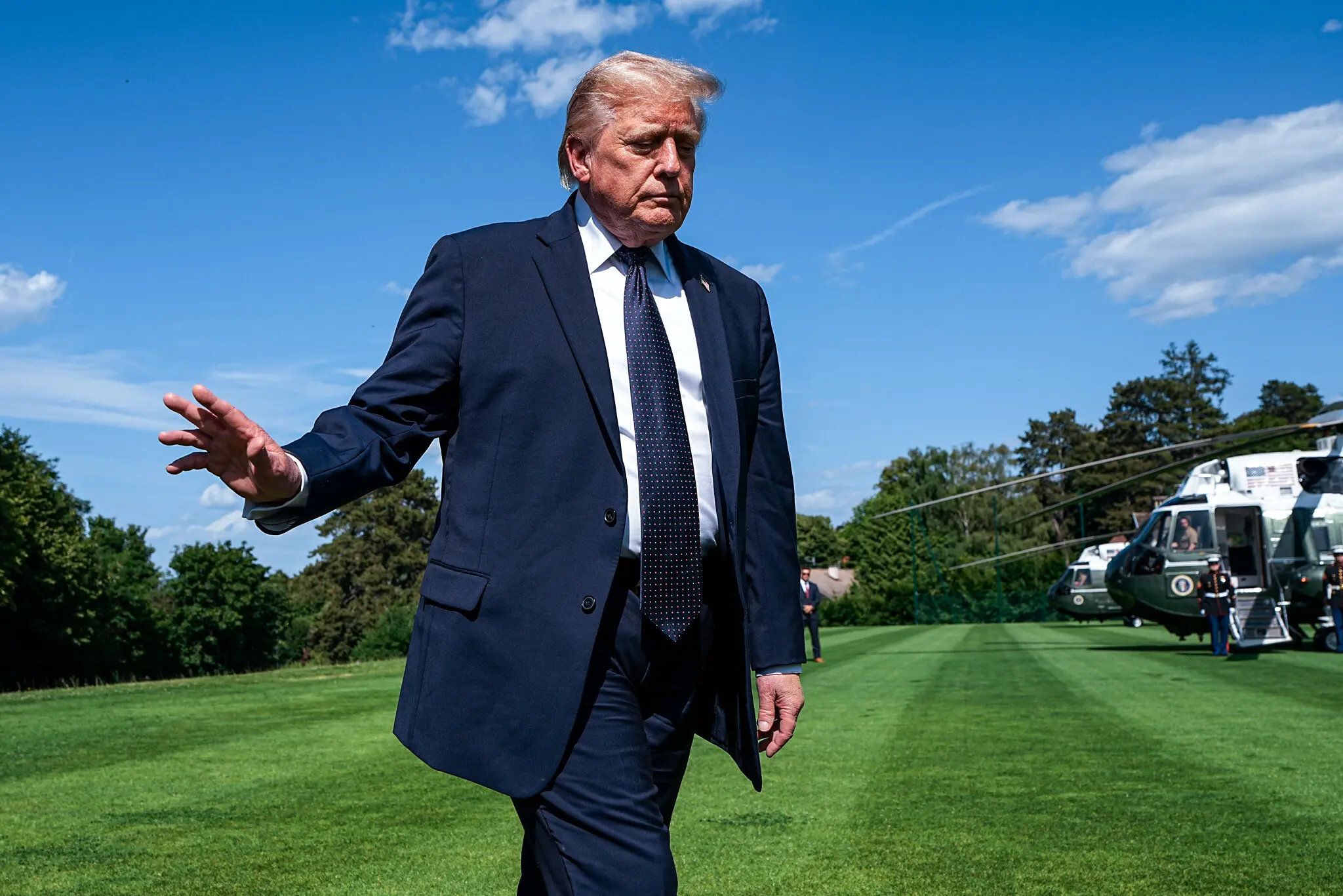
At the White House, Trump has openly rebuked Britain, Spain, Germany and France for not doing enough to support the U.S. war against Iran. His statement that Washington was disappointed with most allies sounded less like a diplomatic signal than part of a broader reassessment of relations with Europe.
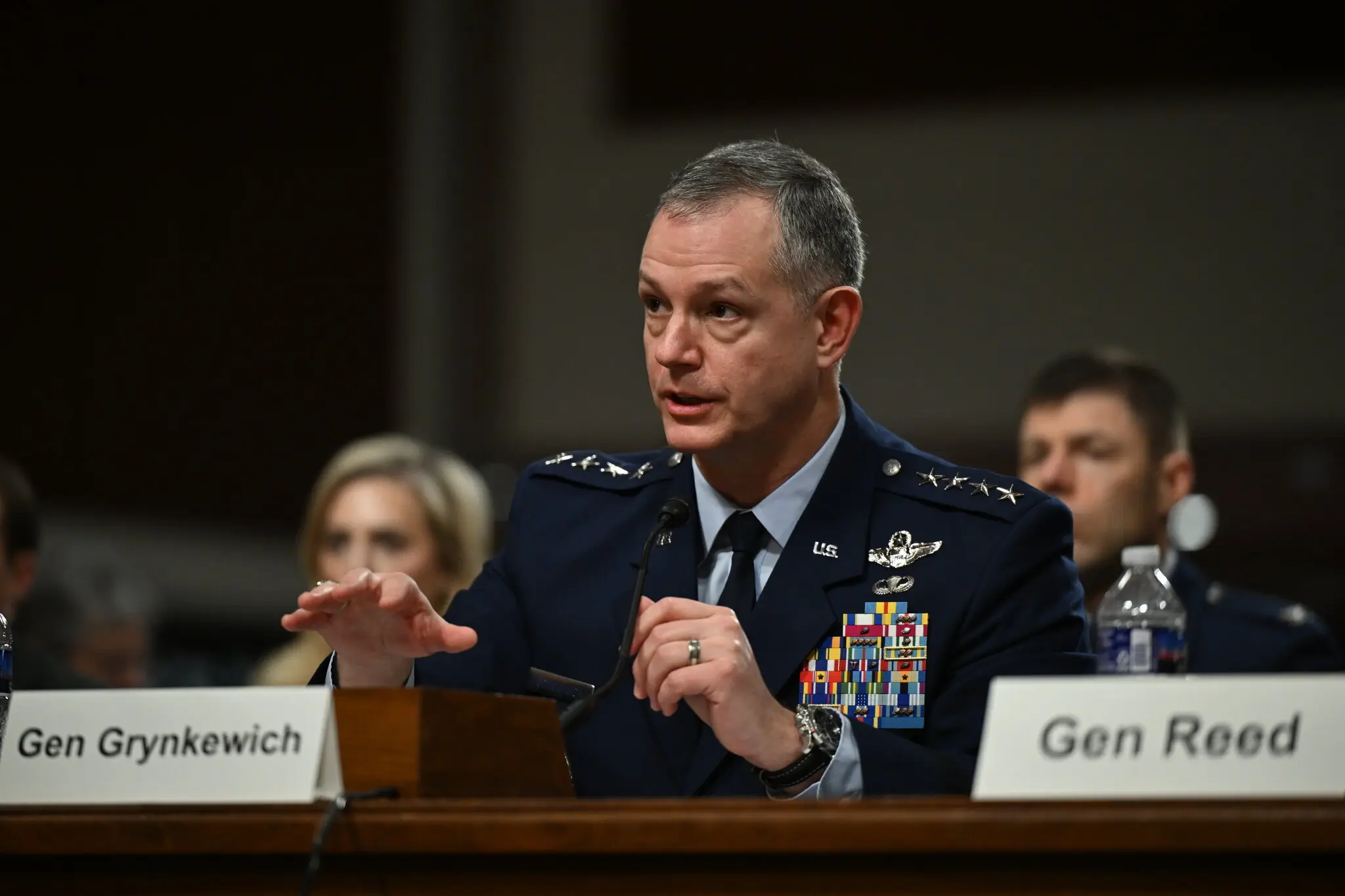
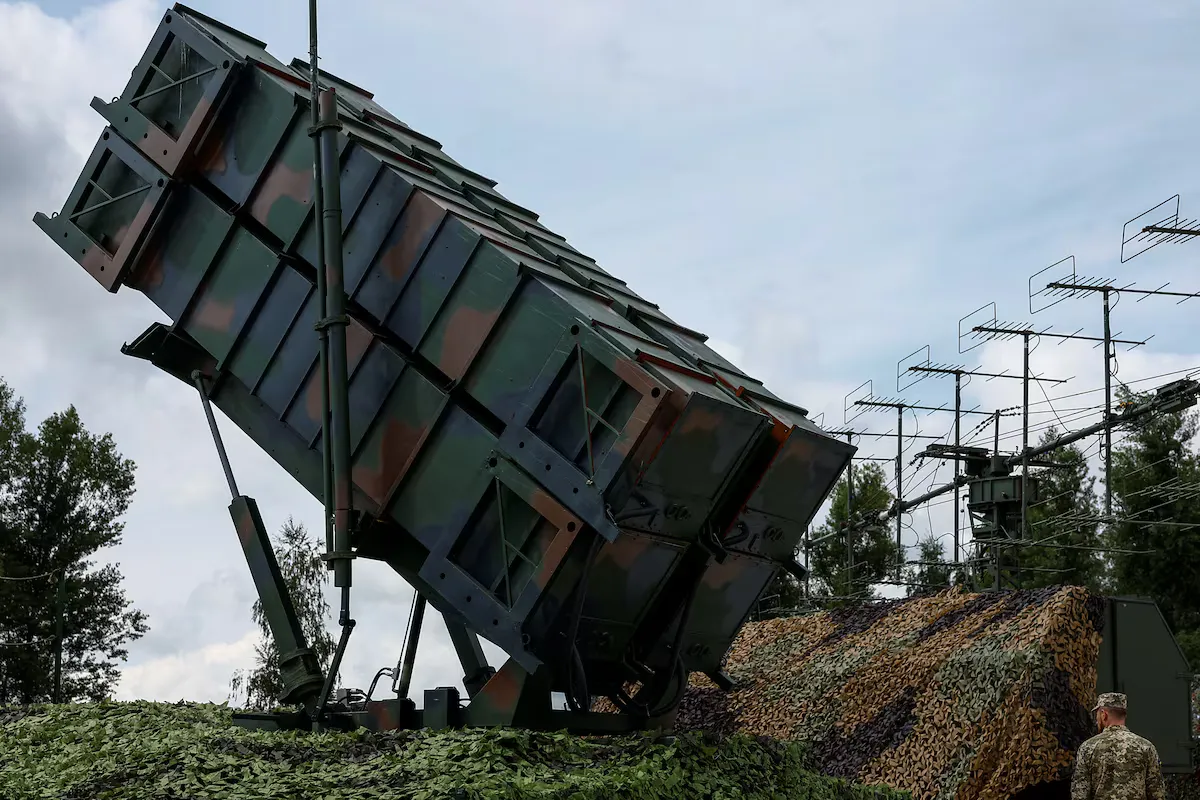
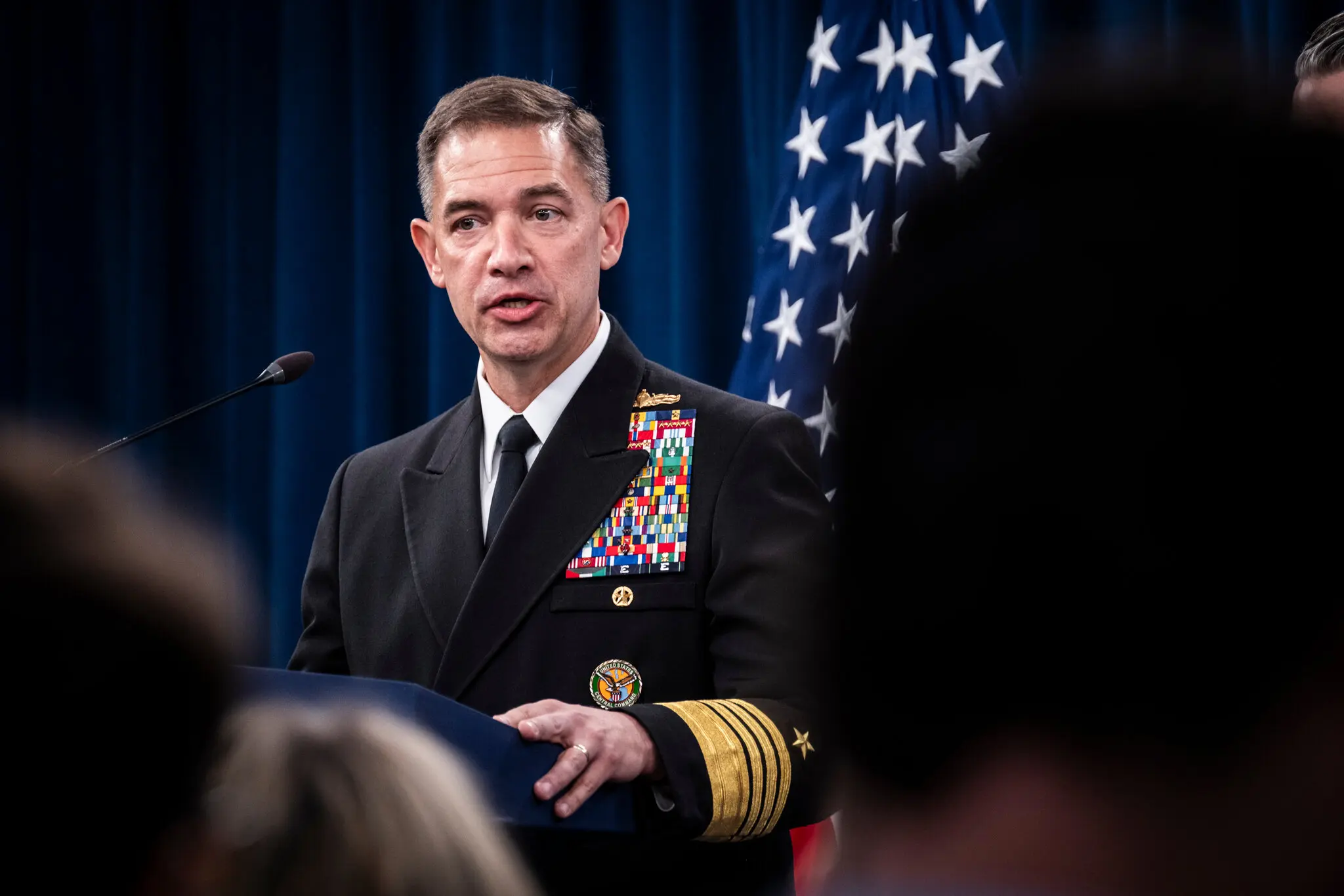
That reassessment now has a concrete form. Defense Secretary Pete Hegseth has announced a six-month review of U.S. force posture in Europe. Its outcome could lead Washington to reduce its military presence on the continent. The rhetoric about allies “free riding” has returned to the center of American policy.
For NATO, this is a dangerous moment. The Alliance was built as a system of collective deterrence in which political will and military integration reinforced each other. Now those two levels are beginning to diverge: headquarters, ships and units continue to work together while the political center of gravity in Washington shifts.
The Iran issue has made the tension sharper. Within the Pentagon, the idea of pressuring Spain over its refusal to provide basing and overflight rights for U.S. operations against Tehran was even discussed. For the Alliance, that kind of logic sounds almost like an internal sanction against an ally.
Against that backdrop, the participation of Spanish Marines in FLEETEX 250 looked symbolic. While politicians argued about loyalty, the military kept doing its work: landing from ship to shore, training with Americans, practicing communications and refining tactics.
French Marines also took part in training at the U.S. Marine Corps base at Camp Lejeune. What may look like a crisis of confidence in political offices often remains professional routine at unit level: a plan, a command, an exercise, an after-action review.
That is NATO’s strength, but also its vulnerability. Military ties have inertia; they are planned months or even years ahead. Exercises do not stop simply because the tone changes in the Oval Office. But if the political course changes for long enough, inertia cannot replace strategy.
At sea off North Carolina, Standing NATO Maritime Group One operated under the command of British Commodore Maryla Ingham. It included frigates from Norway, Germany, Belgium, Denmark, the Netherlands and Turkey — a small map of the Alliance assembled into one naval formation.
For these ships, American waters were an unfamiliar theater. The group usually patrols northern waters, the Baltic and approaches to the Arctic, where Russian activity remains the main background threat. The U.S. coastline carries a different level of danger, which makes it a useful space for practicing allied coordination.
The Norwegian frigate Fridtjof Nansen became one of the centers of the training day. Its commanding officer, Stian Buunk, was operating in American waters for the first time. The ship is smaller than U.S. destroyers, but it carries air defense systems, anti-ship missiles, torpedoes for submarine hunting and a 76-millimeter gun.
Proximity to the headquarters of the U.S. 2nd Fleet in Norfolk gave the allies access to significant American assets. F-18 aircraft took part in the drills, drone attacks were simulated, and air-defense scenarios were rehearsed. That made the training closer to combat practice than to ceremony.
One separate element was anti-submarine warfare, one of Norway’s traditional strengths inside NATO. Units had to detect, track and expel a U.S. submarine. For a country living beside the North Atlantic and Russia’s Northern Fleet, this is not merely a specialization. It is a matter of survival.
Each ally brings its own niche to such exercises. Norway brings anti-submarine expertise. Belgium brings mine-countermeasure skills. The Netherlands, Denmark, Germany, Turkey and Britain add different elements of maritime presence, logistics, command and combat interoperability.
This is what makes NATO more than the sum of its fleets. The Alliance does not need every country to duplicate the full American arsenal. Its effectiveness comes from divided roles, common procedures and the ability to act as if ships under different flags belong to one system.
The boarding drill had an almost ordinary plot: suspected smuggling from a fictitious country, an order to stop, the deployment of a boarding team and a cargo inspection. The American training vessel answered with humor. Asked whether there were animals on board, the crew joked that there had been a goat, but it had already been eaten.
Behind that light detail stands a serious skill. Maritime control, boarding and search operations remain basic tools in a world where weapons, narcotics, sanctioned cargo and military components can move through civilian routes. Navies must be able to act quickly, precisely and within legal boundaries.
For Norwegian Lieutenant Erik Aasen, it was the first such operation outside Norwegian waters. He led the boarding team that found training rifles, packages of narcotics and cash from a fictitious state. For the Alliance, success in such drills is measured not by drama, but by procedural accuracy.
The political problem is that all these skills require regularity. If the United States reduces its role in Europe or cuts back joint exercises, allies will not instantly lose the ability to operate together. But over time they will lose part of the habit. In military affairs, habit can matter as much as hardware.
Congress may limit the administration’s sharpest moves. Republican resistance has already emerged when the Pentagon halted rotational deployments to Poland and the Baltic states. But relying only on internal American restraints is not a long-term strategy for Europe.
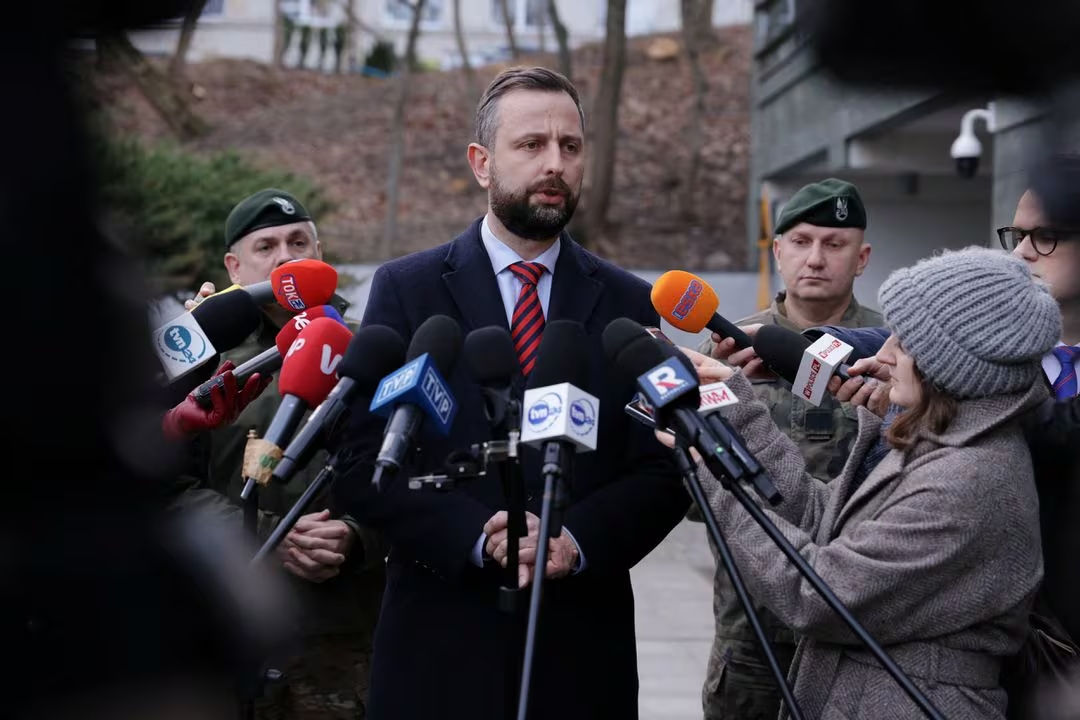
European allies now face a hard reality. They must prove their value to Washington while also preparing for a scenario in which the U.S. presence becomes less predictable. That means more spending, more autonomy and fewer political illusions.
The exercises off the U.S. coast therefore became more than military training. They showed the Alliance at a moment of division: on decks and inside combat information centers, NATO still functions like a machine; in Washington, its political engine is already misfiring.
This is where the future of transatlantic security will be decided. If politics breaks military interoperability, the Alliance will lose its central advantage. If military reality persuades politicians, NATO may emerge from the current crisis more self-reliant, but no less necessary.
For now, at sea, allies continue to speak a shared language of commands, frequencies and procedures. But the warning over the radio carries a meaning wider than a stray line from another vessel. “Get out of our waters” is no longer only the noise of an exercise. It is a metaphor for the political risk NATO can no longer ignore.