


















Kazakhstan lost more than half of its daily oil production not because of an accident at its fields or a new OPEC+ decision, but because the main route carrying its crude to global markets was closed. A week-long suspension at a Black Sea terminal turned a logistical disruption into a nationwide production cut.
On Sunday, output of oil and gas condensate fell to 133,200 metric tons, or roughly 1 million barrels a day. The average in June was about 2.16 million barrels. For a country ranked among the world’s ten largest oil producers, this was not a gradual decline but an abrupt contraction of almost 50 percent.
Loading resumed on Monday at the Caspian Pipeline Consortium terminal. The tankers Seamajesty and Milos berthed to take on crude from the Tengizchevroil project, while the Chevron-chartered vessel Asia was also positioned near the terminal.
According to Daycom’s assessment, the significance of the episode lies less in the duration of the shutdown than in the scale of its consequences. A single week without normal access to the port was enough to force production cuts at major fields and expose the fragility of Kazakhstan’s export model.
The CPC pipeline stretches for more than 1,500 kilometres. It begins in western Kazakhstan, crosses Russian territory and ends near Novorossiysk on the Black Sea. More than 80 percent of Kazakhstan’s oil exports move through this system.
For years, the route appeared economically optimal. It allowed large volumes from Tengiz, Karachaganak and Kashagan to reach world markets without the cost of building a comparable alternative across the Caspian Sea, the Caucasus or China.
Efficiency, however, gradually became dependence. The world’s largest landlocked country tied its most important export industry to a pipeline crossing Russia and terminating in a region increasingly exposed to wartime risks.
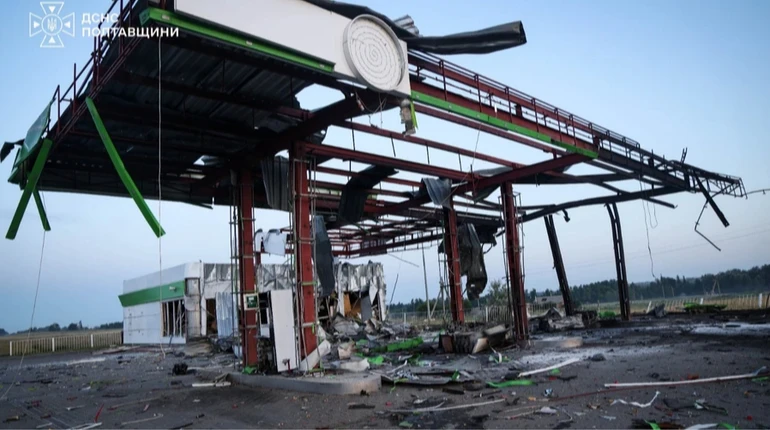
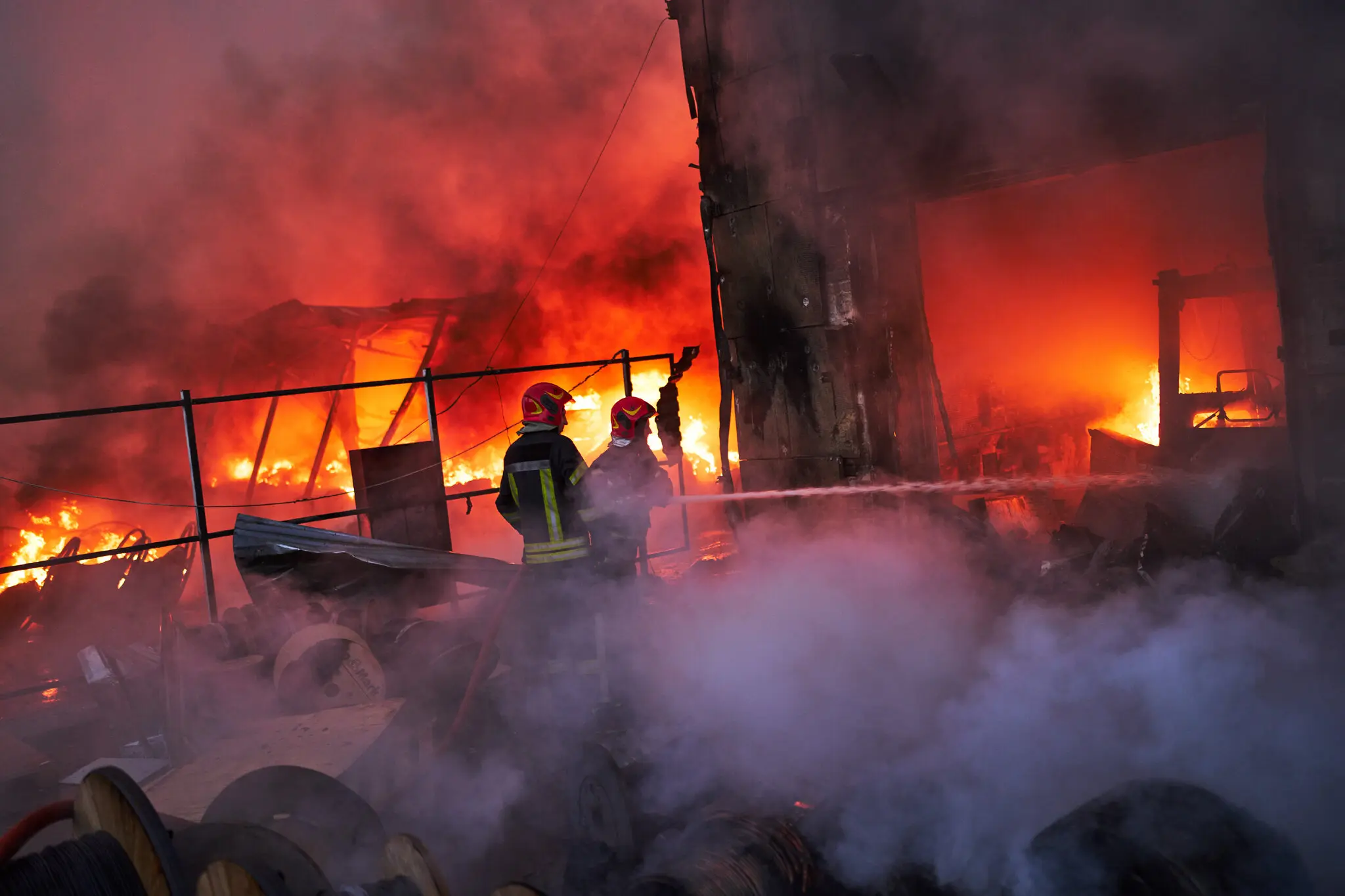
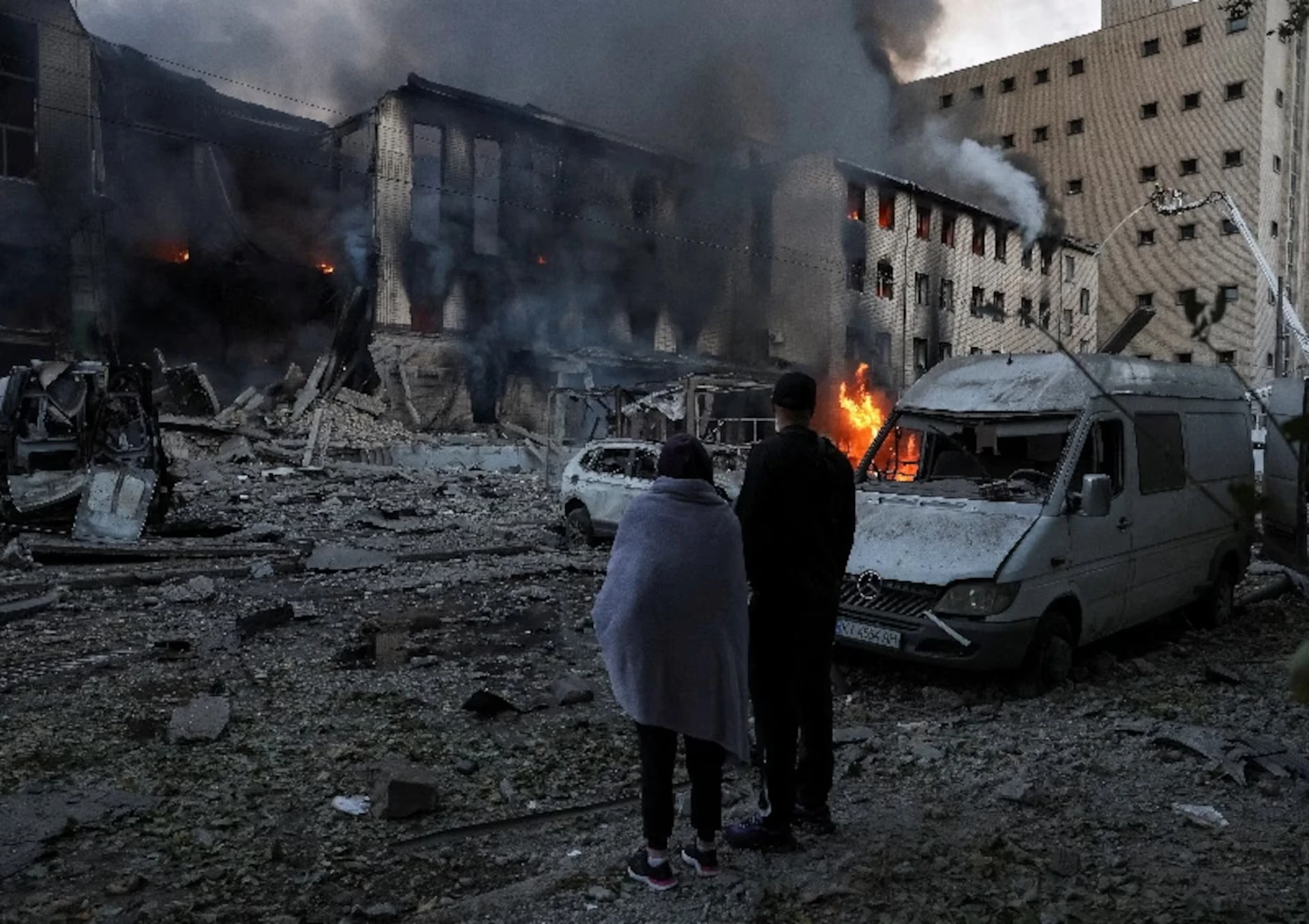
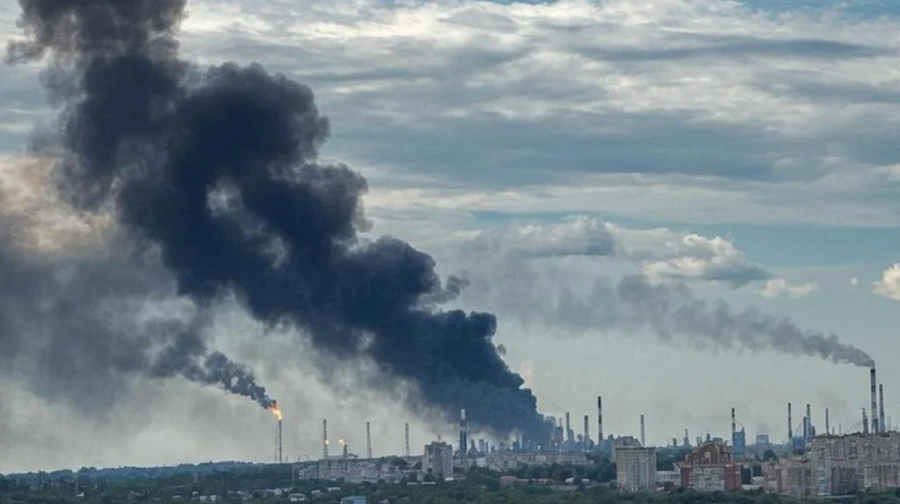
The terminal was shut after drone attacks on tankers near port infrastructure. As the war between Russia and Ukraine escalates, the danger is spreading beyond military targets to the transport corridors that carry energy commodities to international markets.
For Kazakhstan, even a brief interruption creates immediate pressure. Once pipelines and storage tanks begin to fill, companies cannot continue accumulating crude indefinitely. The only way to stabilise the system is to reduce production at the fields themselves.
Cutting output at large fields can be done relatively quickly. Restoring it without technical losses is more difficult. Sudden changes in operating conditions can affect reservoir pressure, equipment and the future productivity of wells, especially at complex fields.
That is why the resumption of tanker loading does not mean an instant return to 2.16 million barrels a day. Operators must first clear accumulated crude from storage, stabilise pressure in the pipeline, coordinate vessel schedules and only then gradually increase production.
Tengiz remains the central source of crude for the system. It is one of the world’s largest oil fields and is operated by Tengizchevroil, in which Chevron holds the leading role. ExxonMobil and other international companies also have major interests in Kazakhstan’s oil sector.
For these companies, a CPC shutdown creates two distinct risks. The first is the physical inability to export production. The second is uncertainty over shipping, tanker insurance and the cost of operating in waters where commercial vessels are increasingly exposed to military activity.
The reopening of the terminal eased immediate pressure on global supply, but it did not remove the structural threat. Drones remain relatively inexpensive weapons capable of disabling infrastructure that took years to build and billions of dollars to finance.
This imbalance is changing the meaning of energy security. Sanctions, technical accidents, storms and political disputes were once the main risks to oil exports. Now a targeted strike on a berth, pumping station or tanker can have similar consequences.
Global markets are especially sensitive to such disruptions when several major sea routes are already under strain. Tensions around the Strait of Hormuz and risks to shipping elsewhere amplify the impact of every additional reduction in supply.
Kazakh crude matters not only because of its volume. It provides European and Mediterranean refineries with an alternative to Russian oil. Although the CPC system crosses Russia, most of the crude it carries belongs to Kazakhstan and international consortia.
That makes every interruption politically complicated. Kazakhstan is not a party to the war, yet its principal export route depends on Russian territory, a Russian port and a security environment that Astana does not control.
Kazakhstan has spent years trying to develop alternatives. Some oil is shipped across the Caspian Sea to Azerbaijan and then moved into the Baku–Tbilisi–Ceyhan pipeline. The eastern route to China has also become increasingly important.
Neither option, however, can replace CPC at short notice. The trans-Caspian route requires more tankers, port capacity and transshipment infrastructure. The Chinese route has limited capacity and leads to a single major market.
Building a full alternative would require years, substantial investment and political agreements among several countries. Until then, Kazakhstan must balance the economic advantages of the existing system against rising military and geopolitical risks.
That balance is becoming increasingly expensive for Astana. Oil and gas generate a large share of state revenue, exports and foreign-currency earnings. A production cut quickly affects the national budget, corporate finances and the capacity to invest in new projects.
International operators have also been reminded that investment in Kazakhstan depends on more than geology and tax policy. Returns are tied to the security of a 1,500-kilometre corridor whose final section runs through a country engaged in a prolonged war.
The loading of two tankers prevented a longer production collapse, but it did not restore the system’s former predictability. Another attack near Novorossiysk could again force operators to halt exports and reduce output at the fields.
The events of July 27 offered a concise lesson for the wider oil market. Kazakhstan has vast reserves, advanced fields and partnerships with global energy companies. Yet without a secure route to the sea, even one of the world’s largest producers can lose half its output in a single day.
The central risk is no longer whether CPC can recover from one shutdown. It is how many such interruptions the system can absorb without lasting damage. As long as more than 80 percent of Kazakhstan’s oil exports depend on a single route, every strike on Black Sea infrastructure is also a strike on the Kazakh economy.