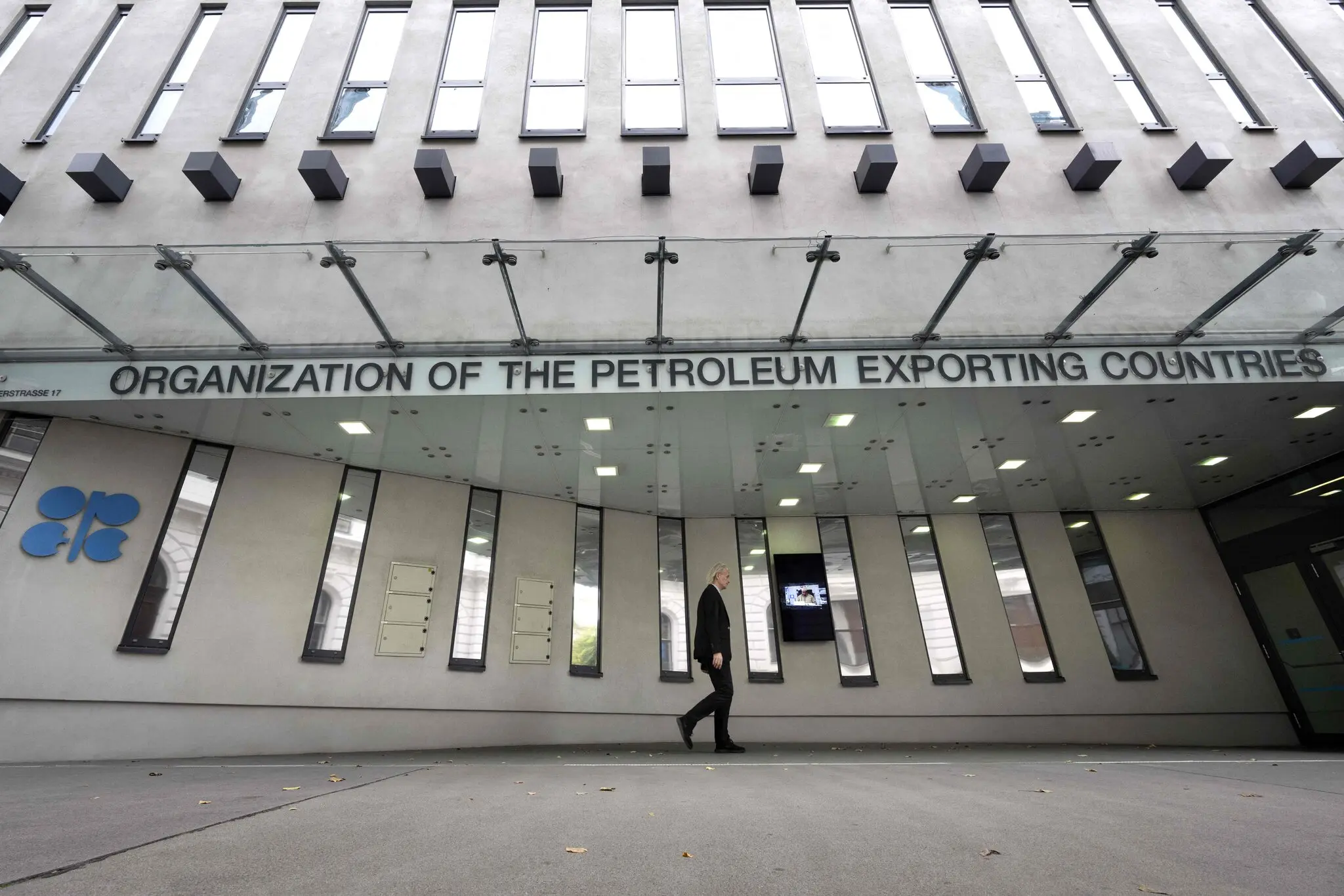


















The statement issued on Sunday by eight core OPEC+ producers mattered less for the quota increase itself than for the anxiety embedded in its wording. The group announced a modest rise in May production targets, yet in the same breath warned that attacks on energy infrastructure and disruption to maritime routes were amplifying volatility, while damaged assets would be expensive and slow to restore. That is no longer the language of routine market calibration. It is the language of systemic stress.
On paper, higher output should reassure traders. In practice, the move is almost symbolic. When the bottleneck sits not at the wellhead but at the Strait of Hormuz, additional production solves very little. More barrels can be authorized; they cannot be ordered through a corridor whose security has become the central variable of the war. The result is a policy gesture that signals presence, not control.
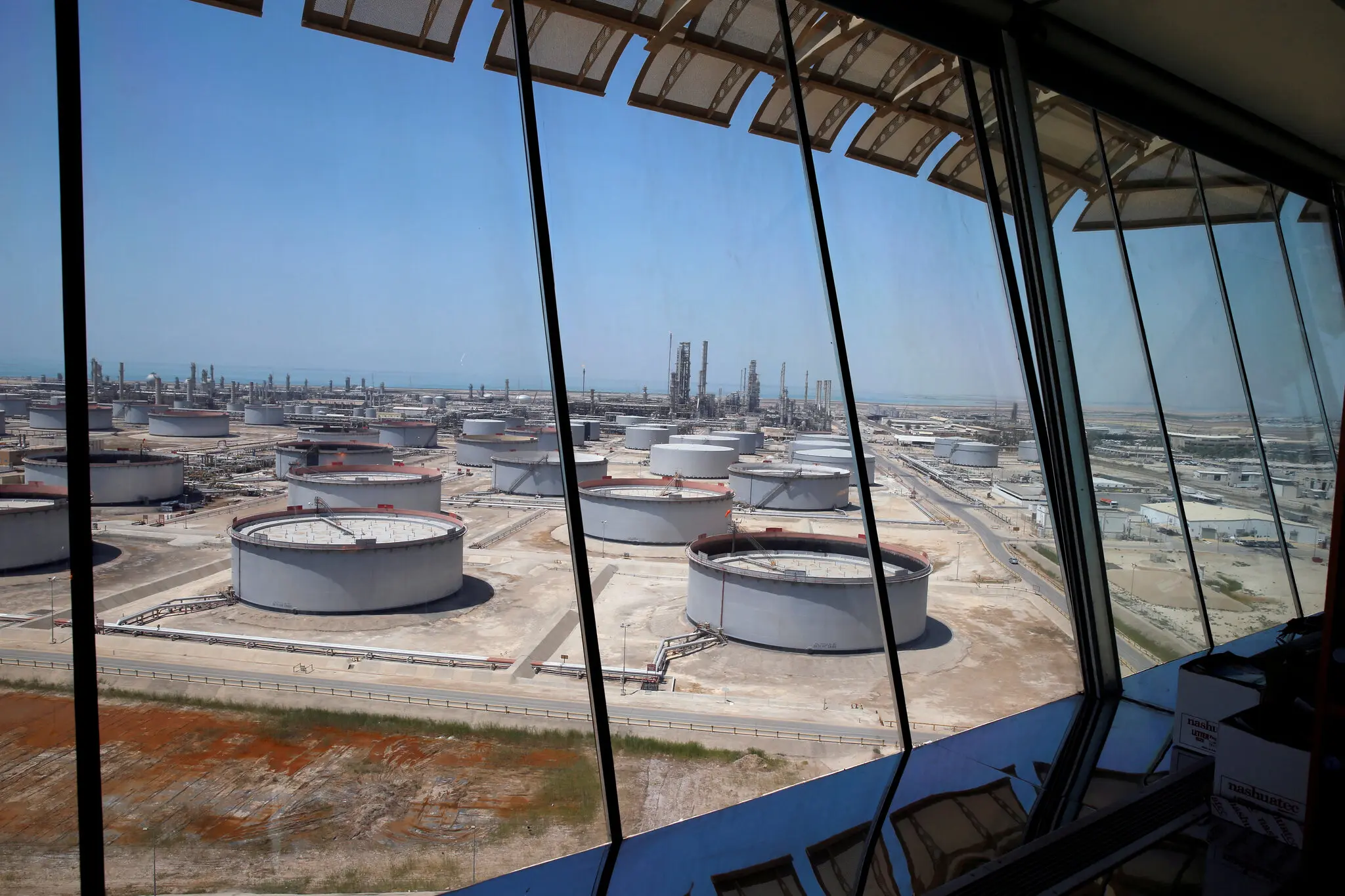
The scale of the problem has also moved beyond the familiar risk premium that shadows the Gulf in times of tension. This is no longer a question of nervous sentiment or temporary freight disruption. Once ports, storage facilities, tanker routes, insurance assumptions, and export terminals all come under pressure at once, the market stops asking how much oil can be produced and starts asking how much can actually move.
In Deykom’s assessment, that is the real significance of the latest OPEC+ message. The alliance has, in effect, acknowledged that energy security is now determined less by how much crude lies underground than by the condition of the infrastructure above it. That is a decisive shift. Once markets begin to fear not a shortage of resource but a shortage of passage, oil ceases to trade on balance sheets alone and begins to trade on anxiety, access, and the cost of disruption.
That is why the Strait of Hormuz has once again become one of the central nerves of the world economy. It is not simply a route for Gulf exporters. It is one of the indispensable arteries of global industry, power generation, fertilizer production, shipping, and price stability from Asia to Europe. A conflict concentrated around such a corridor does not remain a regional story for long. It spills outward into inflation, transport costs, industrial planning, and the political calculations of governments far beyond the Middle East.
A less obvious conclusion follows from this as well. OPEC+ is highly effective when the problem is too much supply, too little demand, or a cyclical imbalance that can be corrected with discipline. But this crisis is not about cyclical imbalance. It is about the physical fragility of the system itself. The group can adjust quotas, refine baselines, negotiate compensation, and maintain production discipline. What it cannot do quickly is rebuild damaged depots, restore loading infrastructure, clear maritime threats, or persuade insurers that tanker traffic has become predictably safe again.
That is why even formally supportive policy decisions are failing to calm the market. Traders understand that once the tissue of supply is damaged, additional quota does not automatically restore normality. In such a climate, the oil price becomes more than a financial marker. It becomes a measure of trust in whether the global energy system still possesses the resilience to function without deeper fracture.
OPEC+ itself is behaving like a bloc that understands the limits of its own power. Saudi Arabia, Russia, Iraq, the United Arab Emirates, Kuwait, Kazakhstan, Algeria, and Oman agreed to a modest increase, but they paired it with a warning that recovery would take time. That is a revealing admission. It suggests that even the world’s most influential oil producers are no longer promising a swift return to equilibrium. They are preparing the market for a prolonged phase of damaged stability.
For the wider world, this may be the most important signal of all. The energy crisis of 2026 is gradually ceasing to be only a crisis of production. It is becoming a crisis of recovery. After each strike, what must be restored is not merely lost volume, but storage, electrical systems, loading capacity, routes, insurance cover, and the confidence of traders who need to believe that tomorrow’s shipment will not become tomorrow’s emergency.
All of that moves far more slowly than the market reacts, and costs far more than a nominal increase in output. Which is why the latest OPEC+ statement reads less like a technical update on quotas than like an early postwar diagnosis delivered in the middle of the war itself. The alliance is effectively telling the market that even if the violence were to ease tomorrow, oil infrastructure, export routes, and pricing stability would not snap back into place on their own.
That is the sobering conclusion, and probably the most important one. The market is no longer counting barrels alone. It is beginning to count the time required to rebuild the world organized around them.