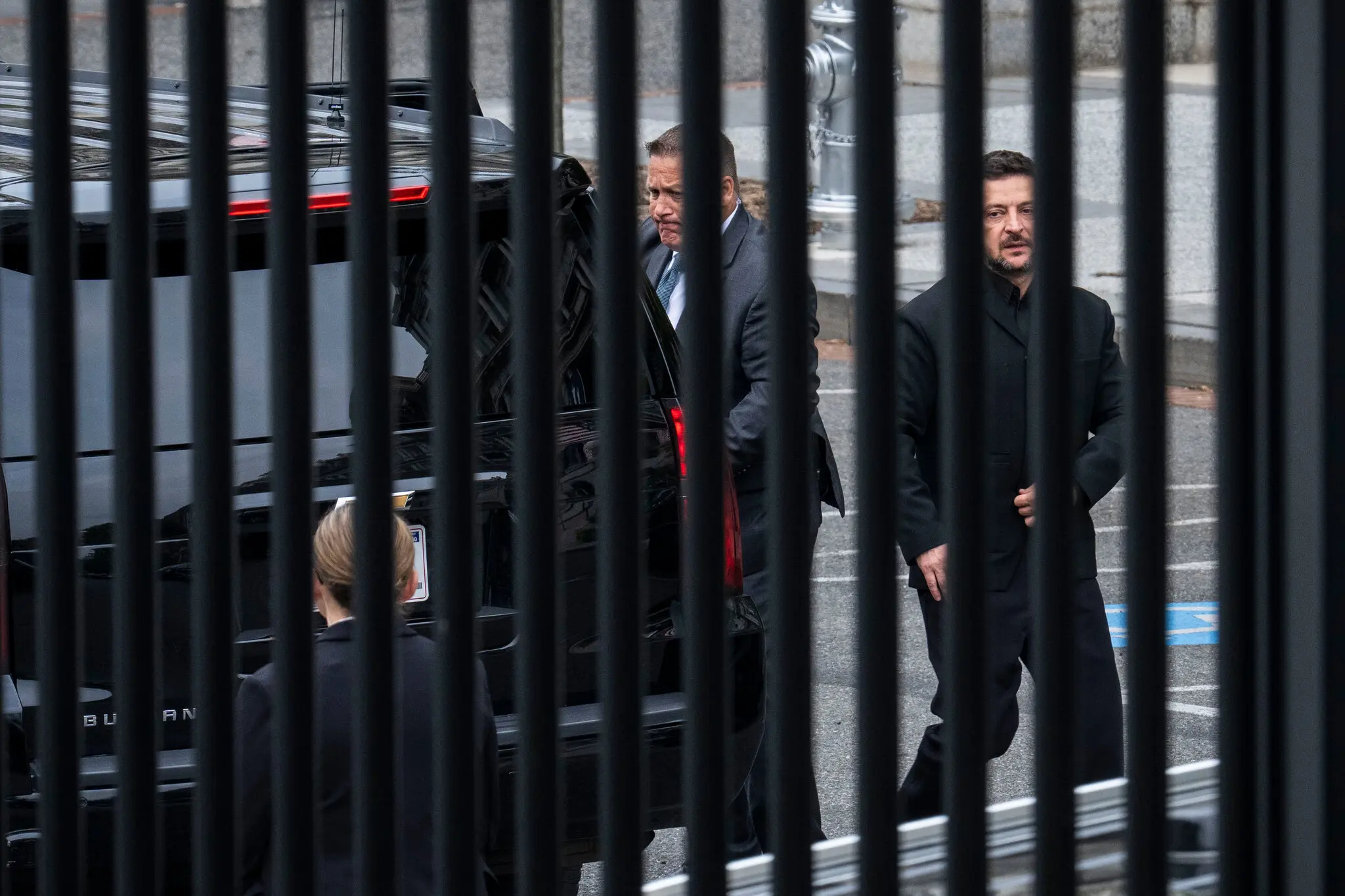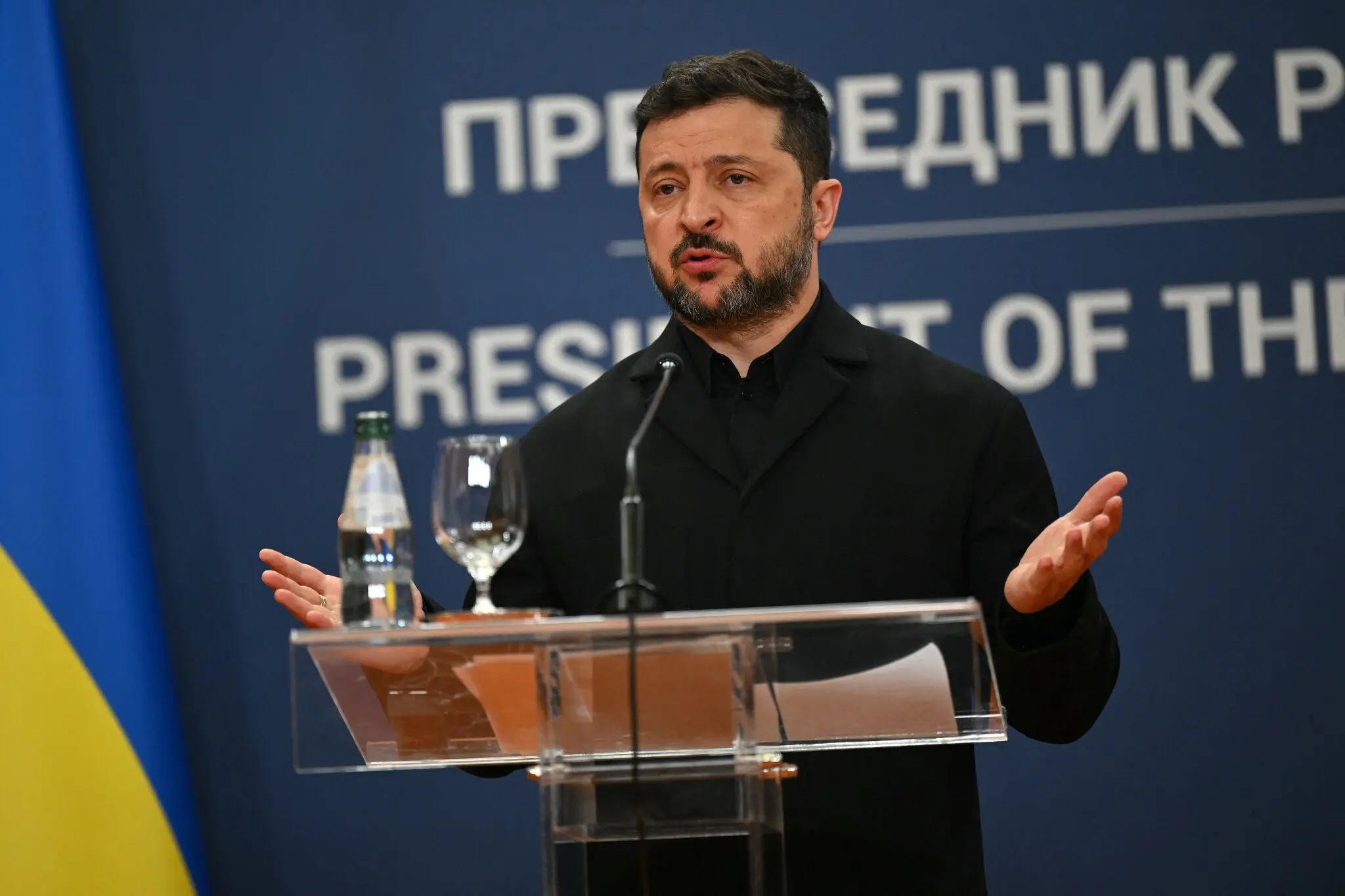





















Volodymyr Zelensky did not come to Washington for another declaration of political support. Ukraine needs missiles capable of stopping Russian ballistic attacks, production guarantees extending years into the future and diplomacy that does not turn a shortage of weapons into pressure for an unfavorable peace.
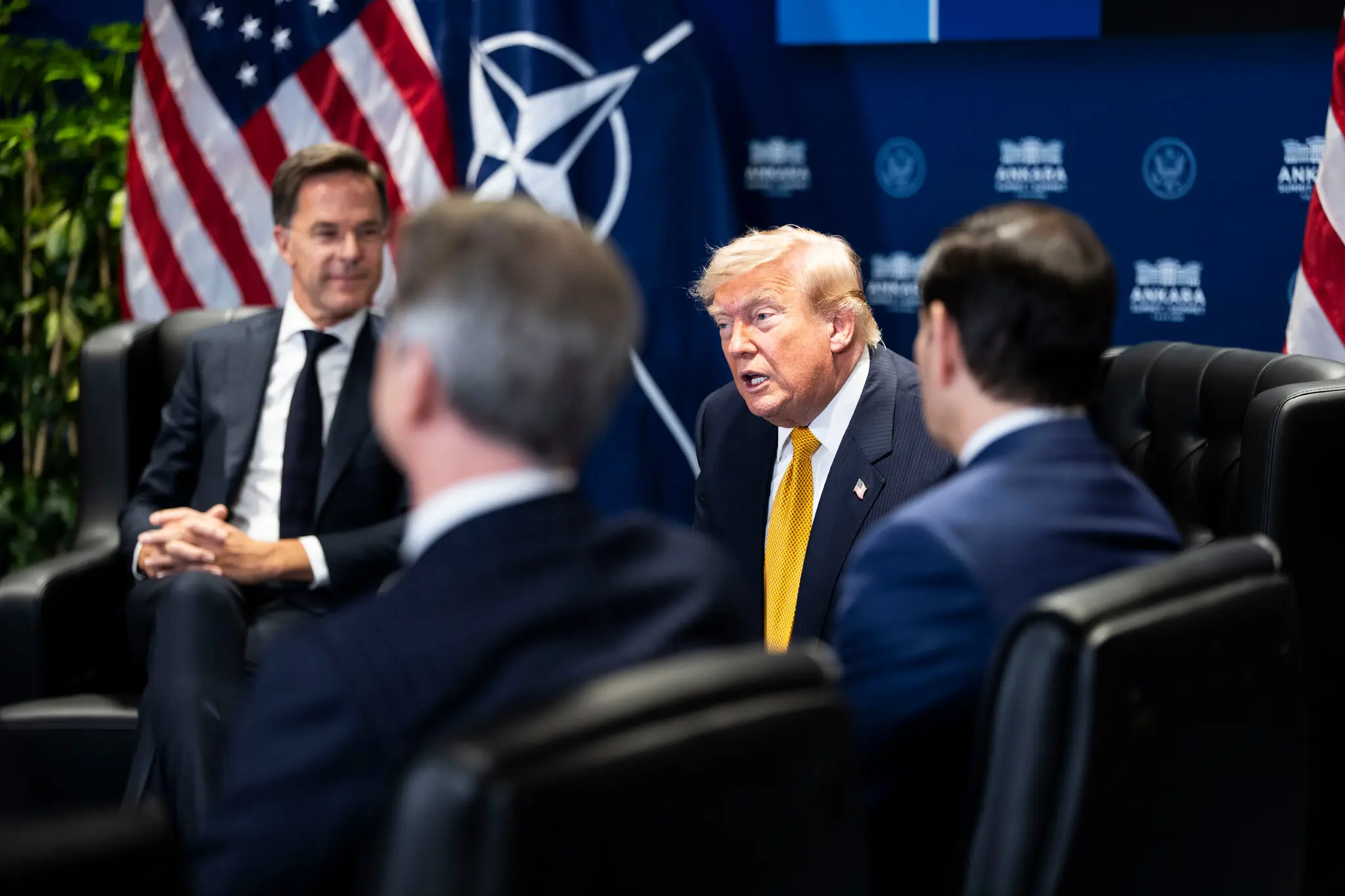
His closed meeting with Donald Trump at the White House took place before the funeral of Senator Lindsey Graham, one of Kyiv’s most consistent Republican advocates. Zelensky later held talks with U.S. senators and Finnish President Alexander Stubb.
The most practical subject was the Patriot system. Trump confirmed that he was prepared to grant Ukraine licenses to manufacture American-designed interceptor missiles. Ukrainian officials also began working with Lockheed Martin on the fastest possible route toward joint production.
In Daycom’s assessment, the Patriot agreement matters as more than another form of military aid. It represents an attempt to change the structure of dependence under which Ukraine’s security is determined by stocks in foreign warehouses and the political priorities of each American administration.
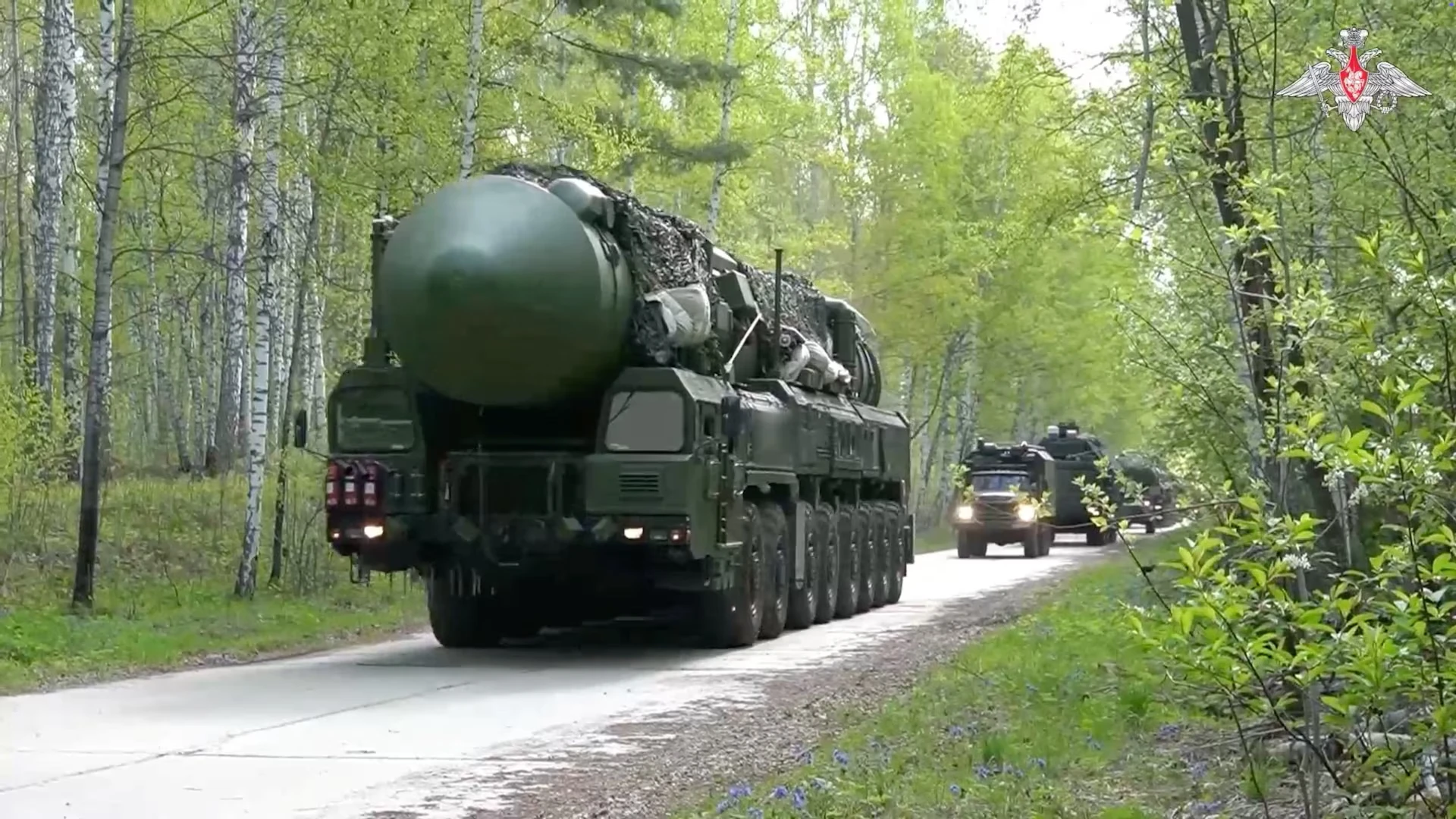
Patriot remains the only system in Ukraine’s arsenal capable of reliably intercepting Russian ballistic missiles. Kyiv has learned to destroy many attack drones with cheaper weapons, but its options against Iskanders and other high-speed targets remain extremely limited.
Zelensky emphasized that distinction in his conversations with Trump and senators. Ukraine already possesses effective technologies for countering Russian- and Iranian-designed drones. The most serious gap is now missile defense: too few batteries, radars and interceptors.
A license creates the possibility of local production but does not resolve the immediate shortage. The distance between political approval and serial manufacturing includes new factory lines, specialized components, testing, trained engineers and multi-year contracts.
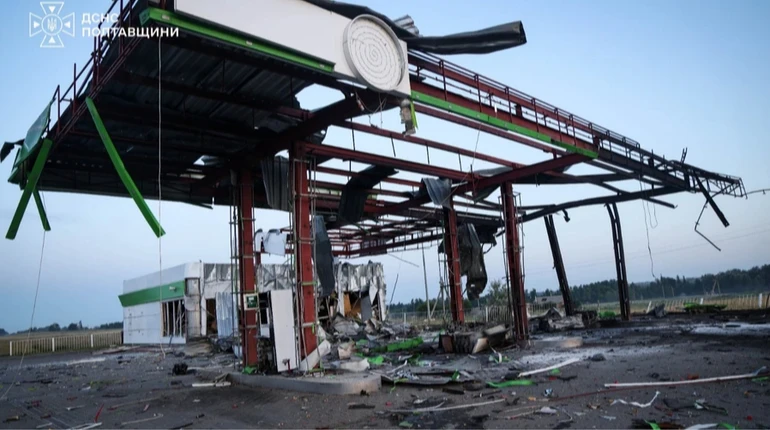
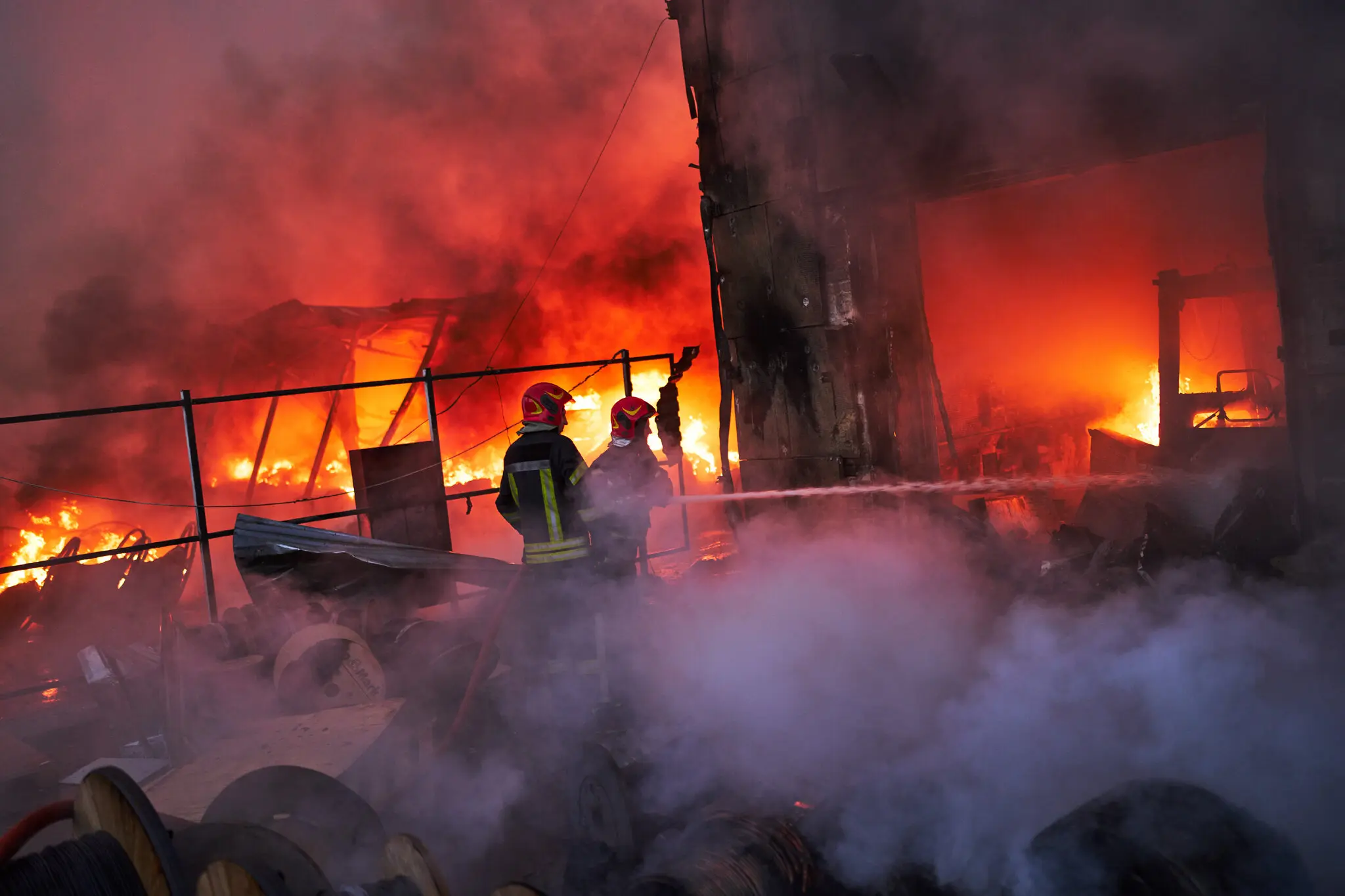
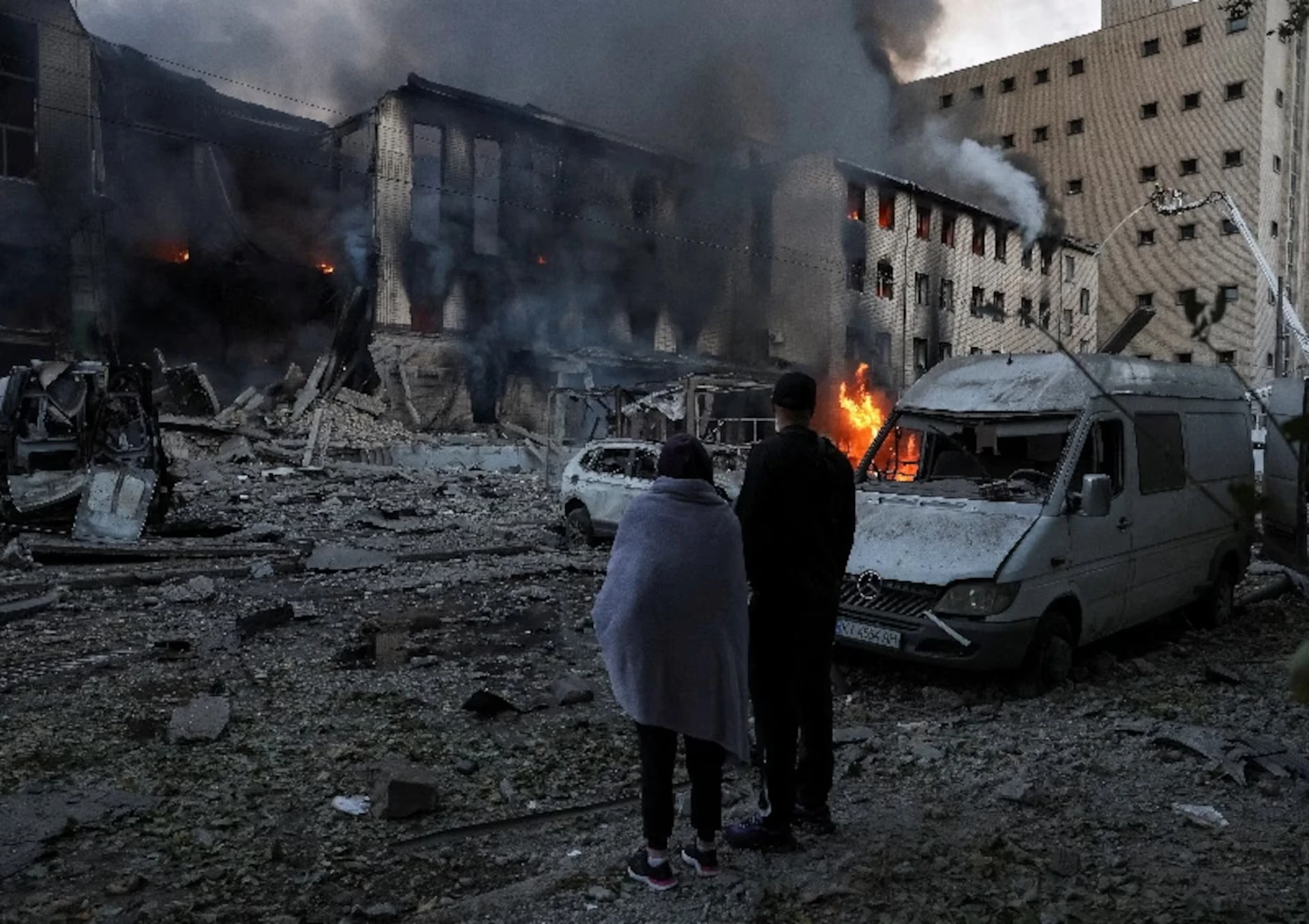
A Russian missile crosses its own distance in minutes. An industrial agreement will therefore have military value only if it is accompanied by urgent deliveries of ready-made interceptors. Otherwise, Ukraine will gain a strategic prospect while continuing to lose lives in the attacks ahead.
The Washington discussions also addressed the possible revival of diplomacy with Russia. Peace contacts have remained largely frozen for months, while both sides used the pause not to narrow their differences but to intensify strikes and improve their military positions.
American envoys Steve Witkoff and Jared Kushner may visit Ukraine for the first time. They have repeatedly traveled to Russia and met Vladimir Putin since Trump returned to office, but they have not held a comparable round of direct consultations in Kyiv.
That imbalance was one of the central weaknesses of the American mediation effort. Without a full understanding of Ukraine’s security requirements, any negotiating structure risks reflecting Moscow’s preferred formula: territorial concessions in exchange for a pause without enforceable guarantees.
A visit by Witkoff and Kushner could partly correct that problem. Kyiv would have an opportunity to explain directly why a ceasefire without monitoring, sanctions and sufficient air defense would merely give Russia time to regroup.
For Trump, renewed negotiations carry clear political value. He needs a visible diplomatic achievement that can be presented as evidence of his ability to end wars. For Zelensky, the priority is ensuring that such a result is not achieved at the expense of Ukraine’s capacity to defend itself.
That is why Patriots and diplomacy appeared in the same conversation. The stronger Ukraine’s missile defense becomes, the less effectively Moscow can use attacks on cities as an instrument of coercion. Weapons do not obstruct negotiations in this case; they shape the conditions under which negotiations occur.
Zelensky also arrived on Capitol Hill as the Senate advanced a new sanctions package against Russia. The legislation was designed to increase pressure on Russian energy revenue and punish countries continuing to buy large volumes of Russian oil.
For Ukraine, those measures form the second half of a coercive strategy. Air defense reduces the effectiveness of Russian strikes. Sanctions are intended to restrict Moscow’s ability to finance the production of new missiles, drones and ammunition.
The timing carried unusual symbolism. The Senate debate unfolded on the day of Graham’s funeral. He had spent years promoting tougher measures against Russia, supporting military assistance and arguing that weakening Moscow served American interests.
Graham met Zelensky in Kyiv one day before his sudden death. It was his tenth visit to Ukraine since the full-scale invasion began. His absence leaves Kyiv without one of the few politicians who combined personal access to Trump with a consistently hard line toward Russia.
That helps explain why Zelensky spent nearly an hour with senators. Ukrainian diplomacy is trying to prevent American support from depending on a single influential advocate. After Graham’s death, his political role must be assumed by a broader bipartisan coalition.
Relations between Trump and Zelensky have genuinely improved. Early in Trump’s second term, their encounters were marked by open confrontation, while the White House questioned whether large-scale support for Ukraine should continue at all.
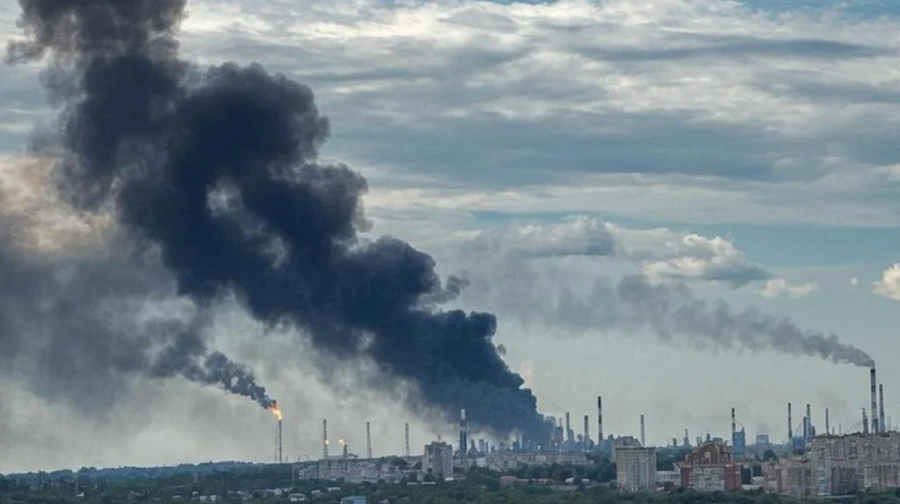
Kyiv now has stronger arguments. Ukrainian drones are inflicting growing damage on Russia’s oil industry, while Ukraine’s experience against Iranian-designed weapons has become valuable to the United States and its Middle Eastern partners.
Ukraine increasingly appears not only as a recipient of assistance but as a provider of technology, battlefield knowledge and production expertise. It offers access to solutions tested in the most intense air war of the modern era. That reciprocity fits Trump’s transactional approach to foreign policy.
The warmer political tone, however, has not eliminated the bureaucratic delay surrounding American assistance. The Pentagon plans to finish spending $400 million already authorized by Congress only in fiscal 2029, after Trump’s current term has ended.
That timetable has angered Democrats and some Republicans. The money remains formally available, but its military value declines with every month of delay. Aid delivered three years from now cannot protect a city during the next missile attack.
The Washington visit therefore revealed two opposing trends. Politically, relations between the presidents have improved, the discussion of Patriot production has become more concrete and diplomatic channels may reopen. Operationally, the American system still moves too slowly.
Kyiv’s central task is to turn personal rapprochement into institutional guarantees. Any agreement must survive changes in Trump’s mood, the death of an influential senator, election cycles and conflict between factions inside the Republican Party.
That requires signed licenses, contracts with manufacturers, delivery schedules, joint ventures and a sanctions regime that does not depend on a single telephone call. Only such a structure can make support predictable.
Negotiations with Russia will also matter only if backed by credible strength. Moscow has little reason to abandon maximalist demands while it believes that time, shortages of Ukrainian interceptors and Western delay are working in its favor.
The Trump-Zelensky meeting did not produce a final breakthrough, but it changed the framework. Ukraine came to Washington not only to request weapons but to negotiate their production; not merely to accept diplomacy, but to shape the conditions for restarting it.
Everything now depends on speed. If the license becomes a production line, the sanctions bill becomes real pressure and the diplomatic initiative becomes a balanced process, the visit may mark a strategic turning point.
If the agreements remain statements of intent, Washington will once again confirm the most dangerous pattern of the war: Western decisions take longer to mature than Russia needs to prepare its next missile barrage.