




















Volodymyr Zelensky arrived at the White House on the morning of July 28. Benjamin Netanyahu followed shortly after the Ukrainian president departed. Both meetings took place away from cameras and public confrontation, but together they defined the principal foreign-policy risks facing Donald Trump.
Zelensky came to discuss Patriot air defense, diplomacy and a possible return to negotiations with Russia. Netanyahu arrived with a different objective: to convince Washington that Iran is rebuilding its nuclear and missile capabilities and may need to be confronted with another military strike.
Trump found himself between two allies seeking American involvement but proposing different courses of action. Kyiv needs technology, weapons and time to defend itself. Jerusalem wants greater freedom to escalate. The U.S. president is trying to retain control over both conflicts.
In Daycom’s assessment, the day exposed the central contradiction in current American policy. Trump wants to present himself as a peacemaker without losing his reputation as a leader willing to use force. Ukraine and Israel have become two very different tests of that formula.
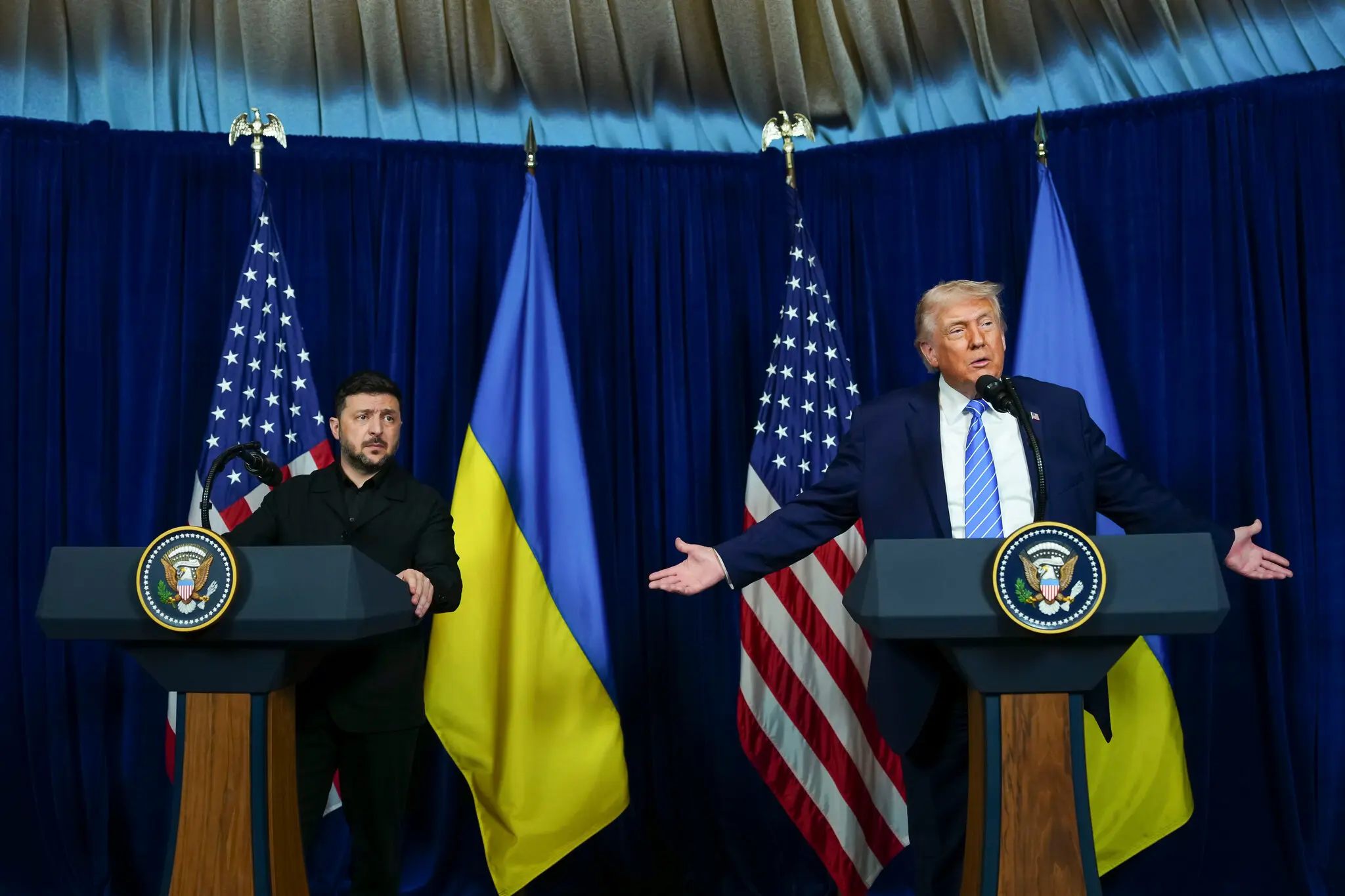
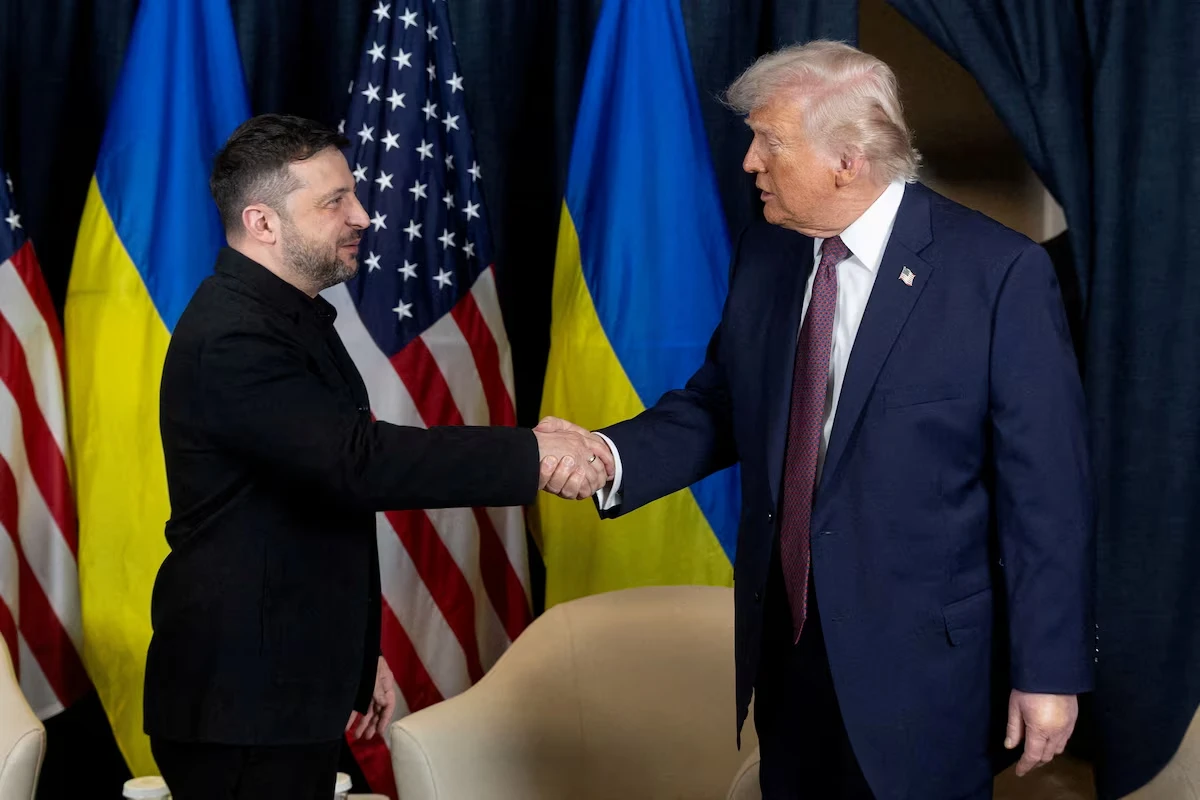
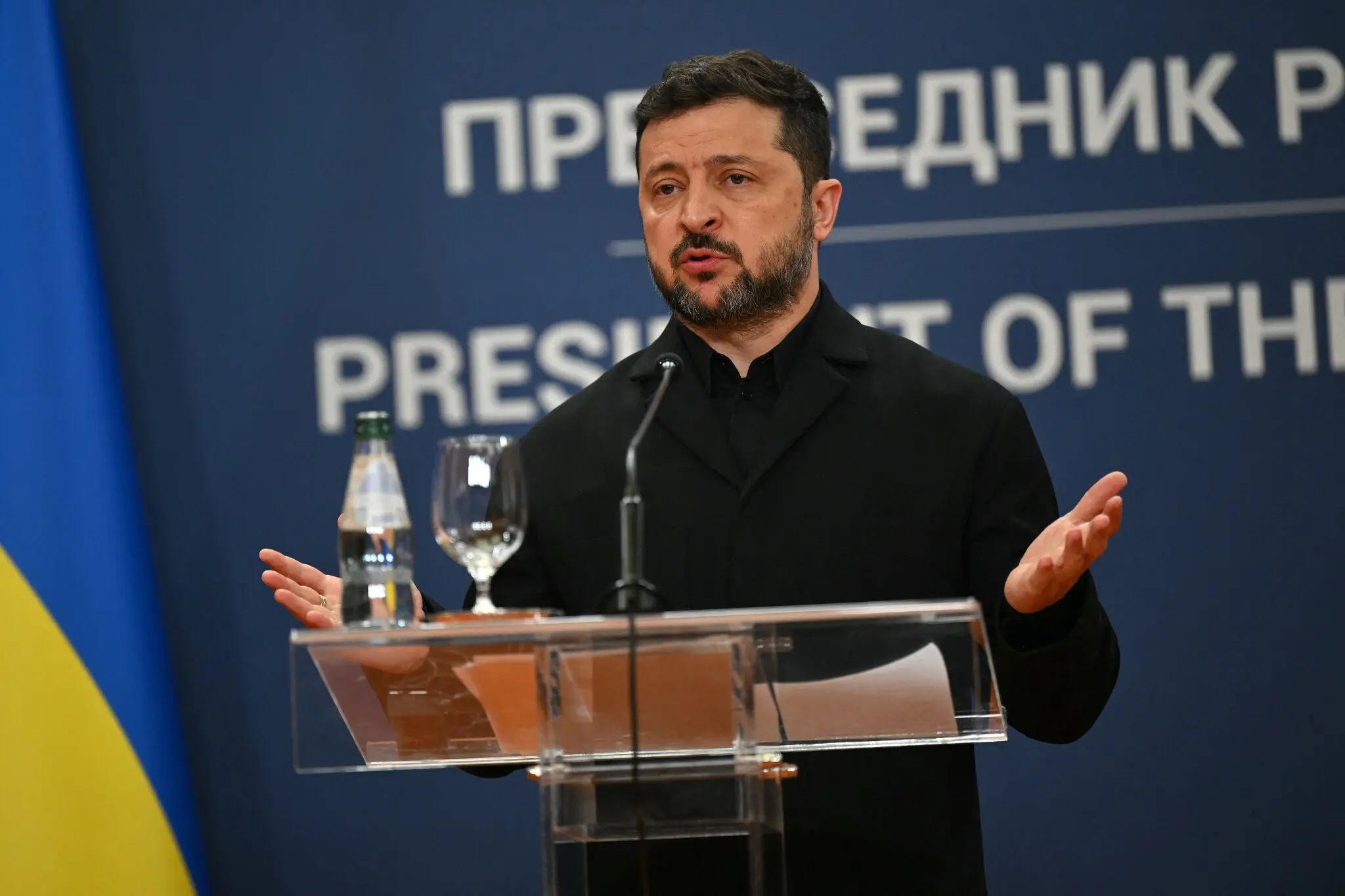
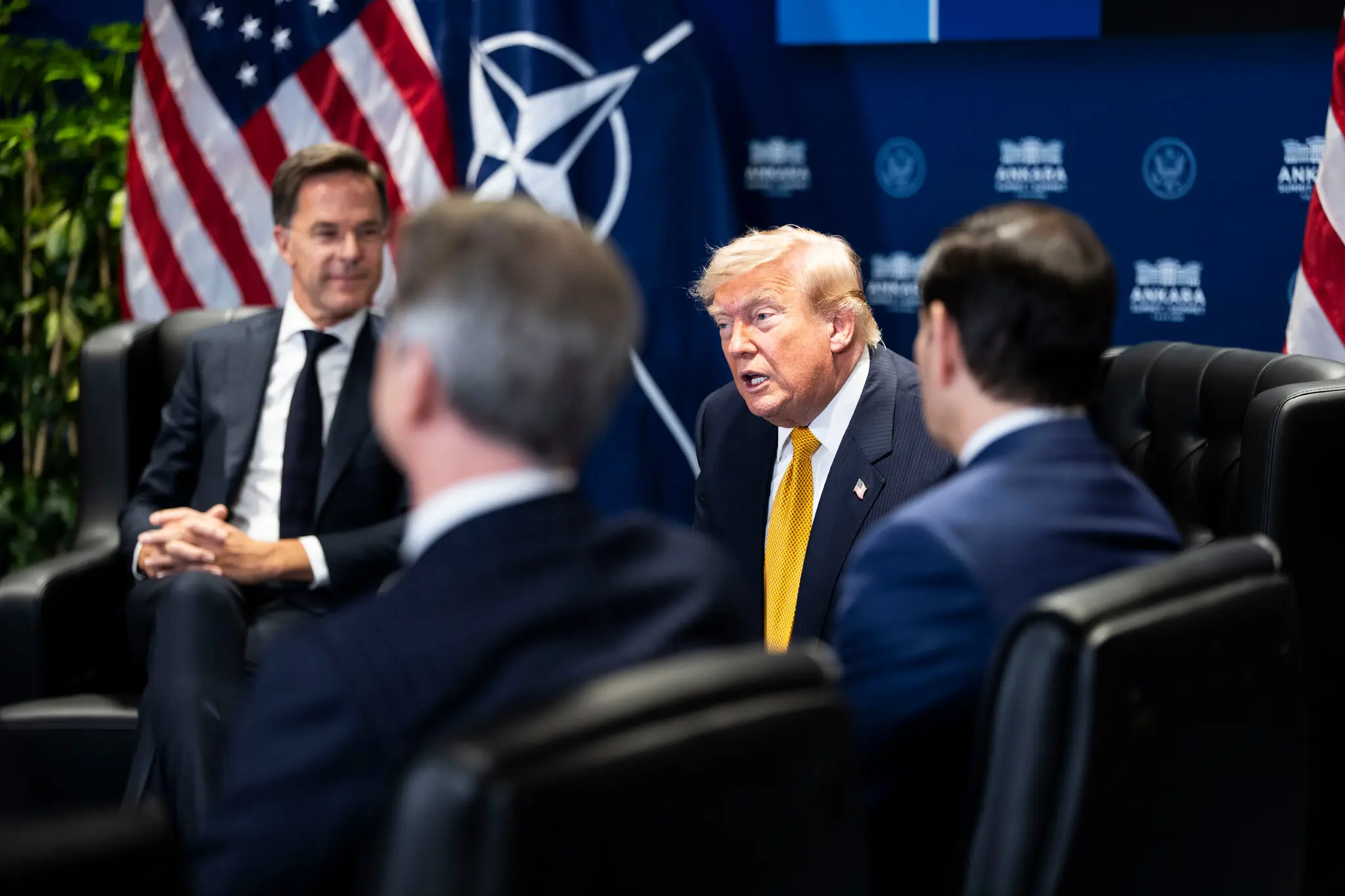
The meeting with Zelensky began shortly after 9:45 a.m. and lasted more than an hour. The Ukrainian president later described the talks as productive and said the two leaders had discussed diplomacy and Trump’s commitment to allow Ukraine to manufacture U.S.-designed Patriot air-defense systems.
That decision could become the most important long-term result of the renewed relationship between Kyiv and Washington. Ukraine would gain a path toward reducing its dependence on limited American stocks of interceptor missiles and developing a domestic production base.
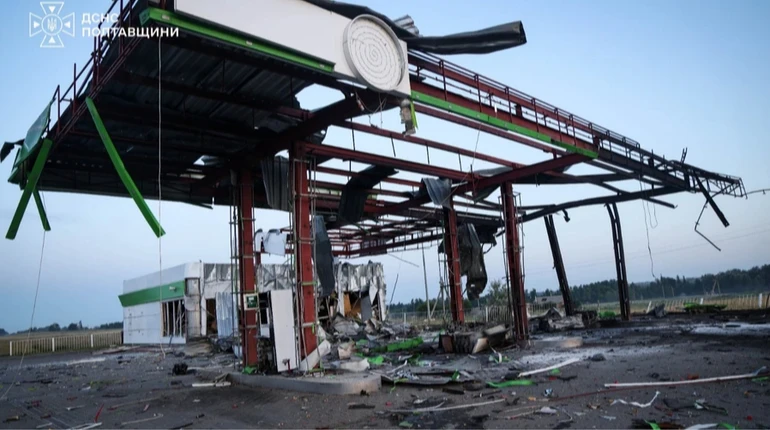
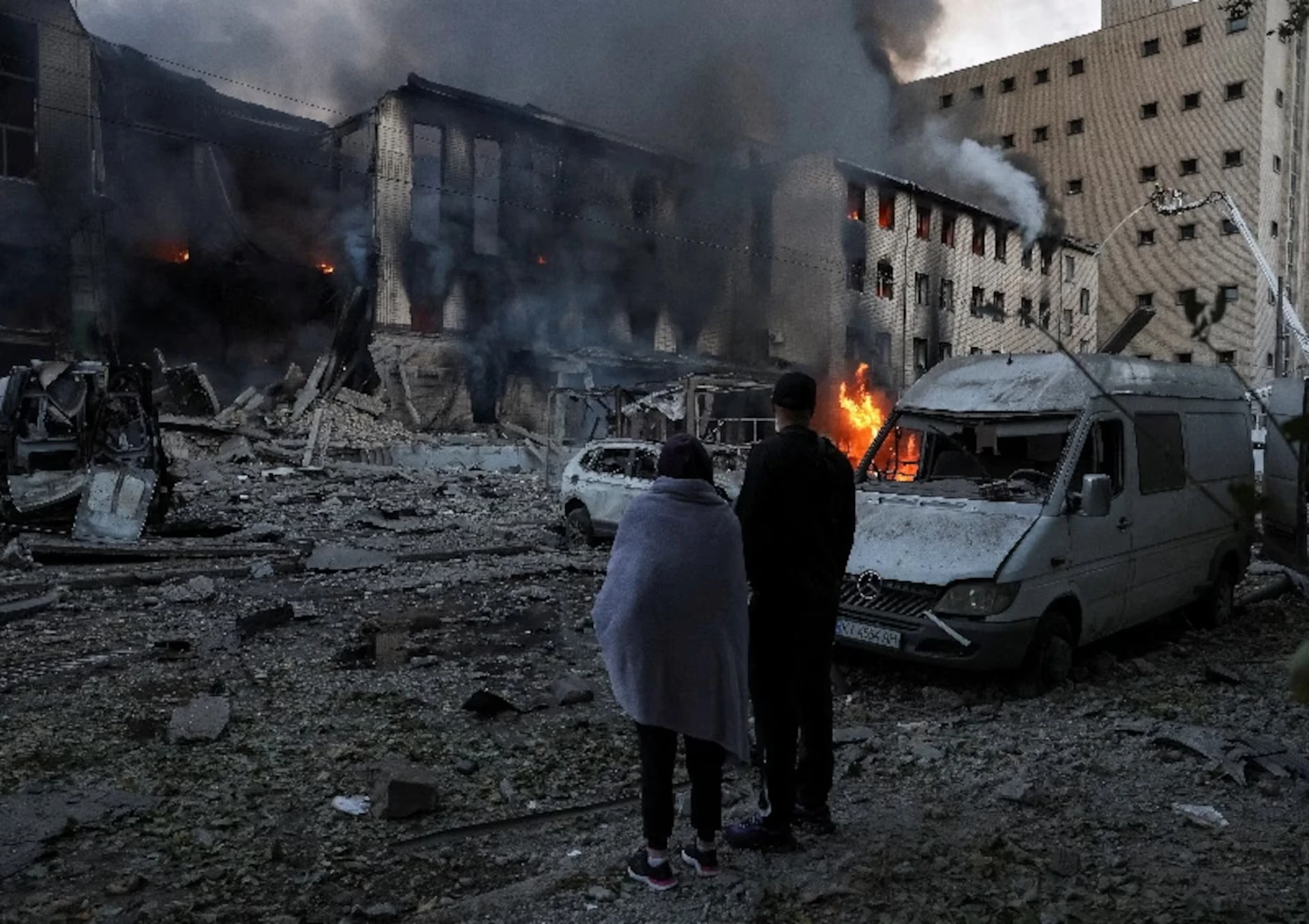
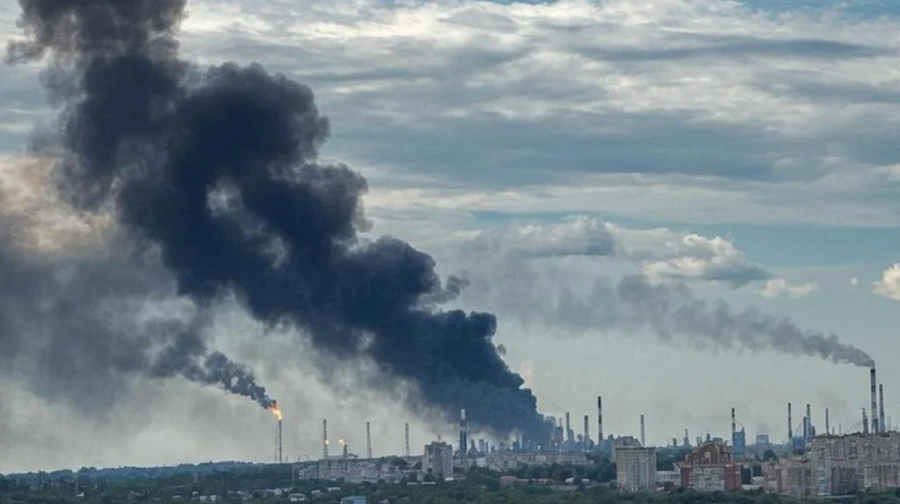
Permission to manufacture the system, however, does not solve the immediate problem. Establishing a sophisticated defense-production line requires licenses, components, trained specialists, testing and stable financing. Russian ballistic missiles are already striking Ukrainian cities.
Kyiv therefore needs a dual model of support: urgent deliveries of existing interceptors alongside the gradual creation of joint manufacturing capacity. Without the first, Ukraine remains exposed to the next wave of attacks. Without the second, it remains vulnerable to future political changes in Washington.
Zelensky’s reference to diplomacy suggests that the White House has not abandoned its effort to bring Moscow and Kyiv back to negotiations. One possible interim arrangement could involve restrictions on long-range attacks against cities and energy infrastructure.
For Trump, such an agreement would provide visible evidence that he can contain wars. For Ukraine, it could reduce pressure on air defenses and civilian infrastructure. Yet without reliable monitoring, Russia could use a pause to rebuild its stocks of missiles and attack drones.
After leaving the White House, Zelensky was expected to attend the memorial service for Senator Lindsey Graham and then meet a bipartisan group of senators. Their agenda included proposed sanctions on Iran and severe tariffs on countries buying significant volumes of Russian oil.
The Ukrainian visit therefore extended far beyond weapons negotiations. Kyiv was trying to preserve a political coalition capable of increasing pressure on Moscow, restricting Russian export revenue and presenting Russia’s war as part of a wider network of cooperation among authoritarian states.
That connection became especially visible after a Ukrainian strike on an Iranian vessel in the Caspian Sea. Kyiv said the ship had been carrying military supplies between Iran and Russia. Tehran described it as a commercial vessel and threatened retaliation.
The incident demonstrated how closely the wars in Ukraine and the Middle East have become intertwined. Iranian drone technology helped Russia build a system of mass attacks against Ukrainian cities. Ukraine is now trying to strike not only the weapons themselves but also the supply chains sustaining them.
Netanyahu entered the White House immediately after Zelensky. It was his eighth visit since Trump began his second term, evidence of an unusually close relationship that nevertheless contains serious disagreements.
The Israeli prime minister identified Iran as the central subject of the talks. He was expected to present intelligence suggesting that Tehran is rebuilding its nuclear and missile programs and to urge Trump not to relax military or economic pressure.
The interests of the two allies, however, are diverging. The Trump administration is pursuing negotiations with Iran and wants to avoid another surge in global energy prices. Netanyahu fears that a diplomatic pause will allow Tehran to restore facilities damaged in previous attacks.
Israeli Defense Minister Israel Katz publicly acknowledged that his government wanted to attack Iranian energy infrastructure but that Washington currently opposed such action. The reason is strategic rather than sentimental: an Iranian response could hit neighboring states and trigger a global fuel crisis.
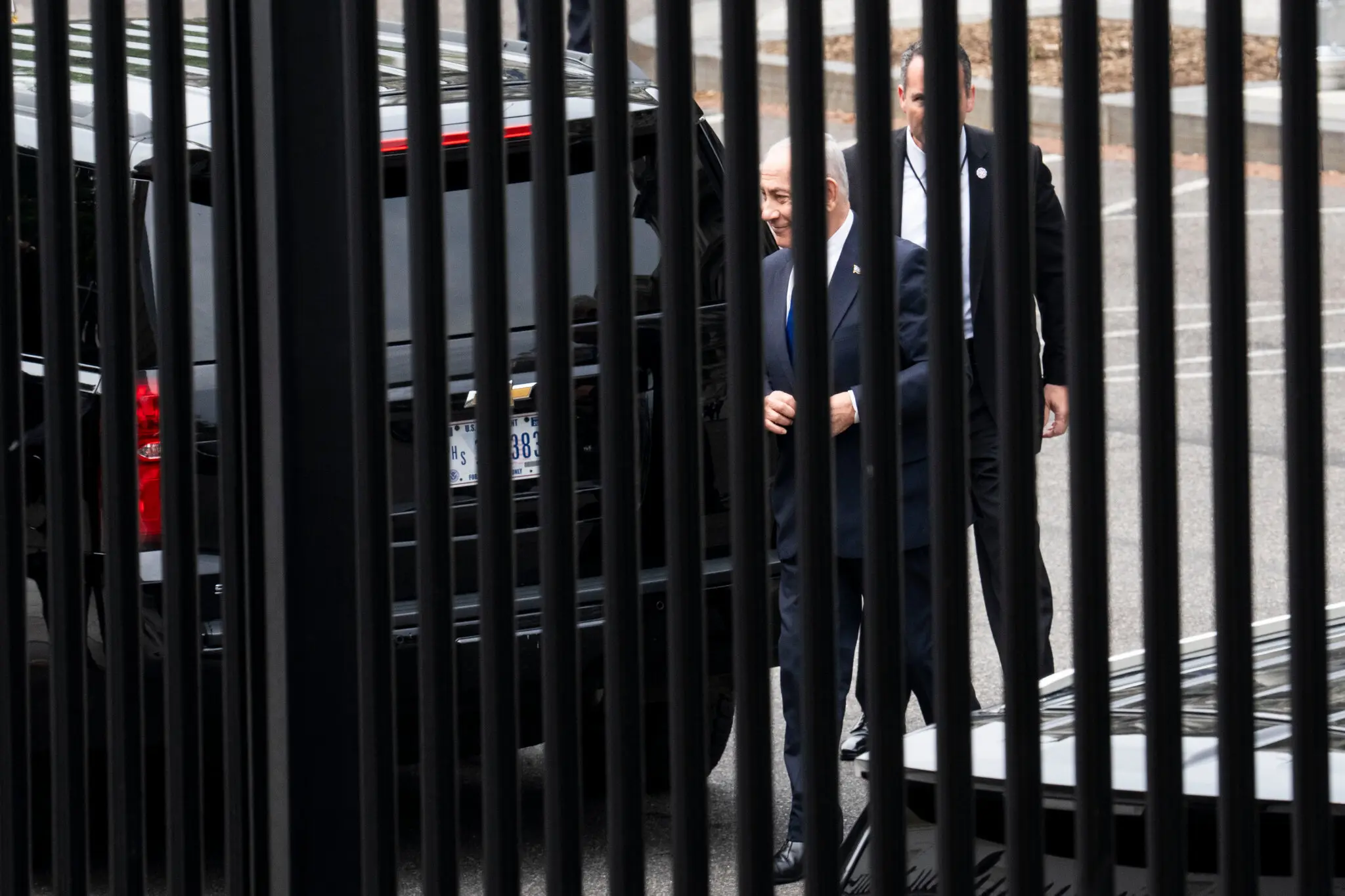 Прем'єр-міністр Ізраїлю Біньямін Нетаньягу у вівторок зустрінеться з президентом Трампом у Білому домі у Вашингтоні — Даг Міллс
That limitation reveals the real balance in the U.S.-Israeli relationship. Israel can conduct military operations independently, but it cannot ignore the economic and security consequences that the United States would ultimately be expected to manage.
Trump, for his part, suggested that he did not need Netanyahu to persuade him of the danger. He indicated that he was already monitoring activity at the suspected Pickaxe Mountain nuclear site and would consider another strike if negotiations with Iran failed.
The visit also carried domestic political value for Netanyahu. With an Israeli election approaching and his party trailing in polls, he needs images that demonstrate privileged access to the American president. A White House meeting becomes an argument aimed directly at voters at home.
The closed format, however, also reflected caution in Washington. A joint news conference could have forced Trump to address questions about further strikes, nuclear facilities and disagreements with the Israeli government. The White House chose controlled silence instead.
The same approach was used for Zelensky. After an earlier White House meeting deteriorated into a public confrontation, both sides concluded that talks without cameras offered a better chance of producing results and fewer opportunities for political humiliation.
This change in style matters. Trump was able to speak consecutively with two allies without turning policy differences into televised spectacle. Zelensky and Netanyahu, in turn, could discuss weapons, sanctions and escalation without the pressure of producing an immediate public performance.
Yet behind the similar format were opposite requests. Ukraine was asking the United States to help it endure a prolonged war. Israel was asking Washington not to obstruct the possible expansion of another.
Trump responded to both from a position of control. He offered Kyiv technological cooperation but announced no major new weapons package. He left open the possibility of future action against Iran but did not give Netanyahu freedom to strike its energy sector now.
A new American model is taking shape. Allies receive support, but decisive choices about the scale of war, the supply of weapons and the acceptable level of escalation remain in Washington.
For Ukraine, this means proving its military and technological value to the United States. For Israel, it means accounting not only for security assessments but also for oil prices, Arab partners and Trump’s ambition to present himself as a dealmaker.
The two closed meetings produced no public breakthrough. There was no announcement of a new peace process for Ukraine and no decision on another strike against Iran. But the day clarified the boundaries within which the White House is prepared to support its partners.
Trump wants to end wars, yet he continues to use the threat of force as the foundation of negotiation. Zelensky and Netanyahu understand this. Each arrived in Washington not only with a request, but with an argument for why his war matters to American security.
That was the central meaning of July 28. The White House became the place where two wars were reduced to one question: how far the United States is prepared to go for its allies without allowing them to draw it into an escalation it can no longer control.