


















The Polish-Ukrainian dispute over the name of a Ukrainian military unit has quickly moved beyond symbolic politics. What Kyiv read as a gesture of respect for anti-Soviet resistance was received in Warsaw as a painful blow to the memory of Volhynia.
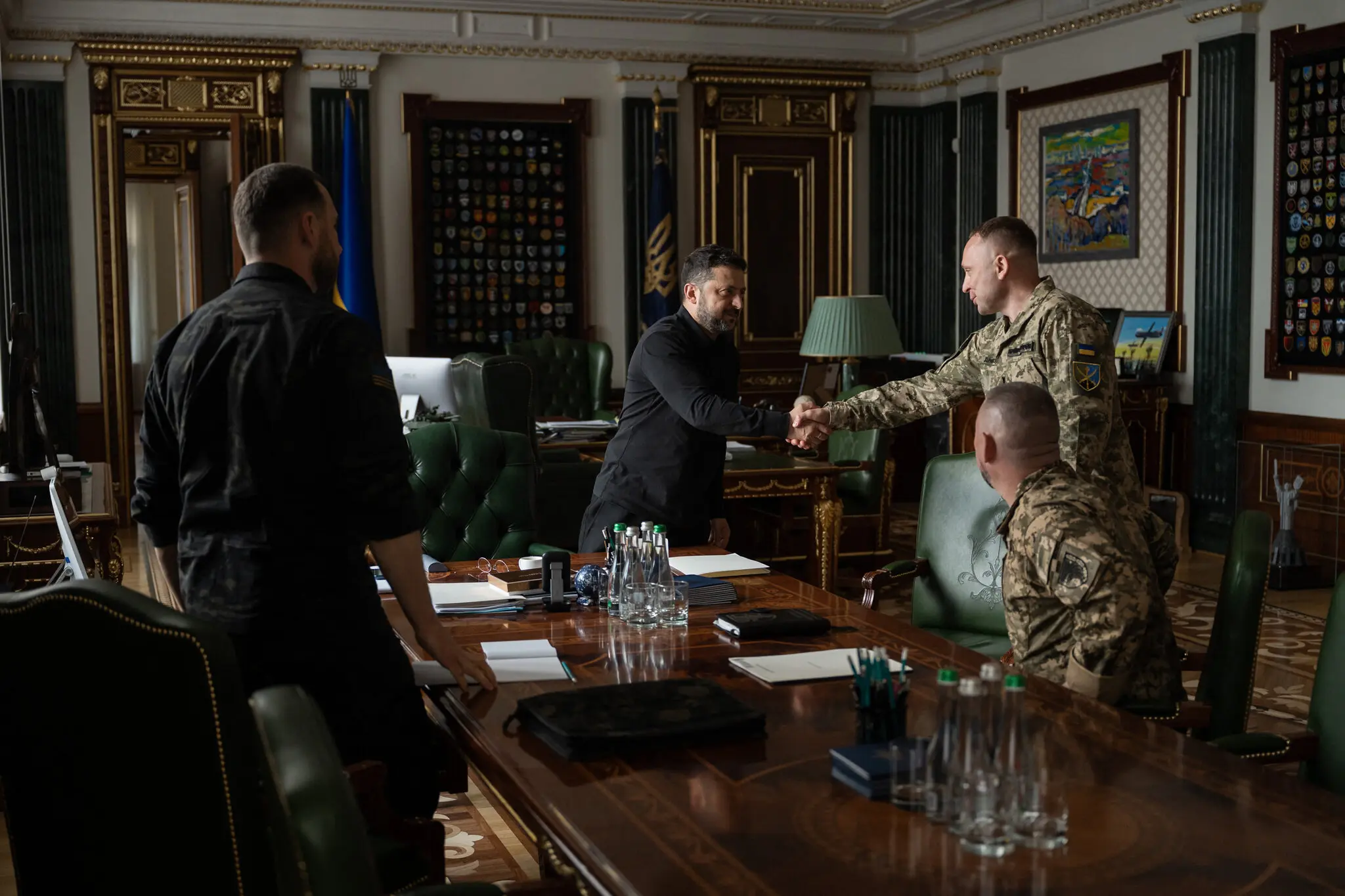
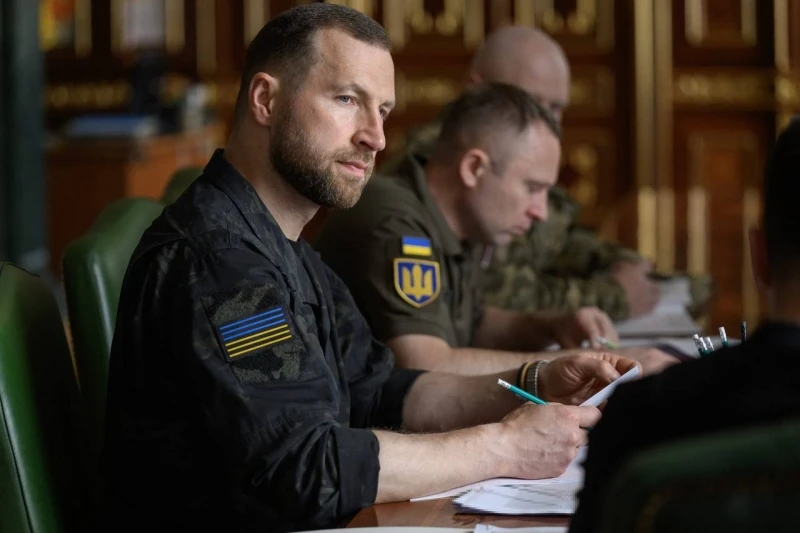
Volodymyr Zelensky’s decision to give one of Ukraine’s special operations units an honorary name linked to the Ukrainian Insurgent Army triggered a sharp reaction in Poland. For a significant part of Polish society, the UPA remains not only a symbol of struggle against Moscow, but also a force connected to mass killings of Poles in 1943–1945.
The crisis has deepened to the point that Polish President Karol Nawrocki initiated discussion of whether Zelensky should be stripped of the Order of the White Eagle, Poland’s highest state honour, which the Ukrainian president received in 2023.
According to Daycom’s earlier analysis, the danger of this moment lies not only in historical grievance. It exposes the fragility of an alliance that has rested on a common Russian threat since the full-scale invasion, but has not erased older conflicts over memory, identity and political language.
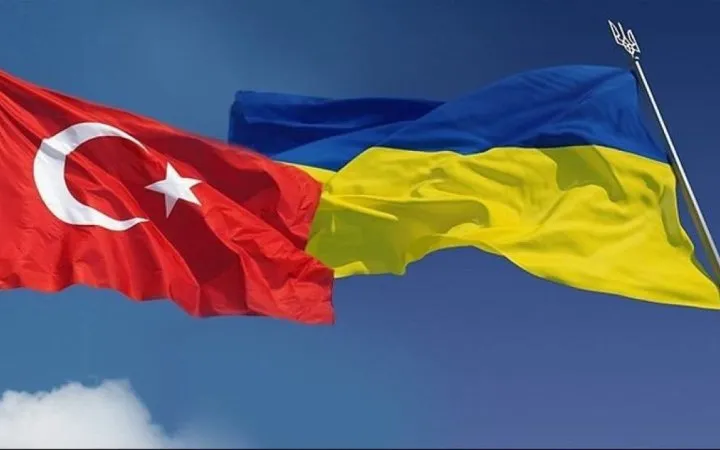
Donald Tusk has tried to lower the temperature by calling for a direct and honest conversation between the presidents of Poland and Ukraine. His position is pragmatic: solidarity born in the face of Russian aggression must not be destroyed by emotion, because a political conflict between Warsaw and Kyiv serves Moscow first.
That appeal matters also because the dispute has become entangled in Polish domestic politics. Nawrocki and Tusk represent opposing camps, and the issue of Ukraine is no longer only a matter of foreign policy. It has become part of Poland’s internal struggle, where historical memory can easily become a tool of mobilisation.
Polish fatigue with the war in Ukraine has several layers. There is pressure from the influx of Ukrainian refugees, trade disputes over grain and the long-standing trauma of the Volhynia massacres. Together they create a social background in which even a symbolic step by Kyiv can trigger a political explosion.
Ukraine has its own logic in this dispute. In a war against Russia, images of anti-imperial resistance have gained new force. In Ukrainian public memory, the UPA is often presented as part of the fight for independence and against Soviet domination. But that memory does not exist in a vacuum.
In Poland, the same historical name opens a different archive: villages, families, killings, fear and loss. Warsaw speaks of about 100,000 Poles killed during the Volhynia massacres; Ukrainians also died in reprisals. This is why any state symbolism around the UPA inevitably becomes not only an internal Ukrainian matter, but a regional question of memory.
Ukrainian Foreign Minister Andrii Sybiha has sought to explain that the name was chosen by soldiers who wanted to honour resistance to Moscow, not insult Poland. That explanation may be sincere, but diplomatically it does not erase the Polish reaction, because the issue is not only intention. It is perception.
This is where Kyiv faces the hardest boundary of memory politics. National heroes, especially during war, become pillars of endurance. But allies have their own wounds, and a strong state must be able to see not only its own symbols, but also how those symbols sound beyond its borders.
Warsaw also needs caution. Turning Zelensky’s honour into an instrument of public punishment could deepen a crisis where historians, diplomats and politicians should be speaking instead. Poland has the right to memory, but its strategic interest is not the dismantling of its alliance with Ukraine.
Russia works attentively with precisely such cracks. For Moscow, the ideal outcome is not the reconciliation of Polish and Ukrainian memory, but their collision. Every scandal that pushes Russian aggression into the background helps the Kremlin weaken Europe’s eastern flank without firing a shot.
That does not mean historical trauma should be silenced for the sake of the war. Silence only delays the next explosion. But the conversation about Volhynia, the UPA and responsibility should not be conducted through ultimatums. It requires political maturity: exhumations, joint work by historians, recognition of pain and a refusal to glorify where glorification humiliates victims.
The problem is that Ukraine is now fighting a war for survival, while Poland lives with the memory of crimes that have not been sufficiently addressed. Both truths are real. Conflict begins when one of them demands the total silence of the other.
Ukraine’s European future makes this dispute even more important. EU accession is not only about reforms, markets and laws. It is also about the ability to hold difficult conversations with neighbours who remember history differently. Poland can be Ukraine’s advocate in Europe only if it does not feel that its own pain is being ignored.
Tusk’s formula of dialogue therefore looks like the most rational path. State honours should not become the centre of this crisis; a direct channel between Warsaw and Kyiv should. Political emotion has already shown its force. What is needed now is political adulthood.
Ukraine and Poland cannot allow the past to become a weapon against their future. Historical memory demands truth, and the war against Russia demands solidarity. The hardest task for both states is not to set these needs against each other, but to learn how to hold them at the same time.