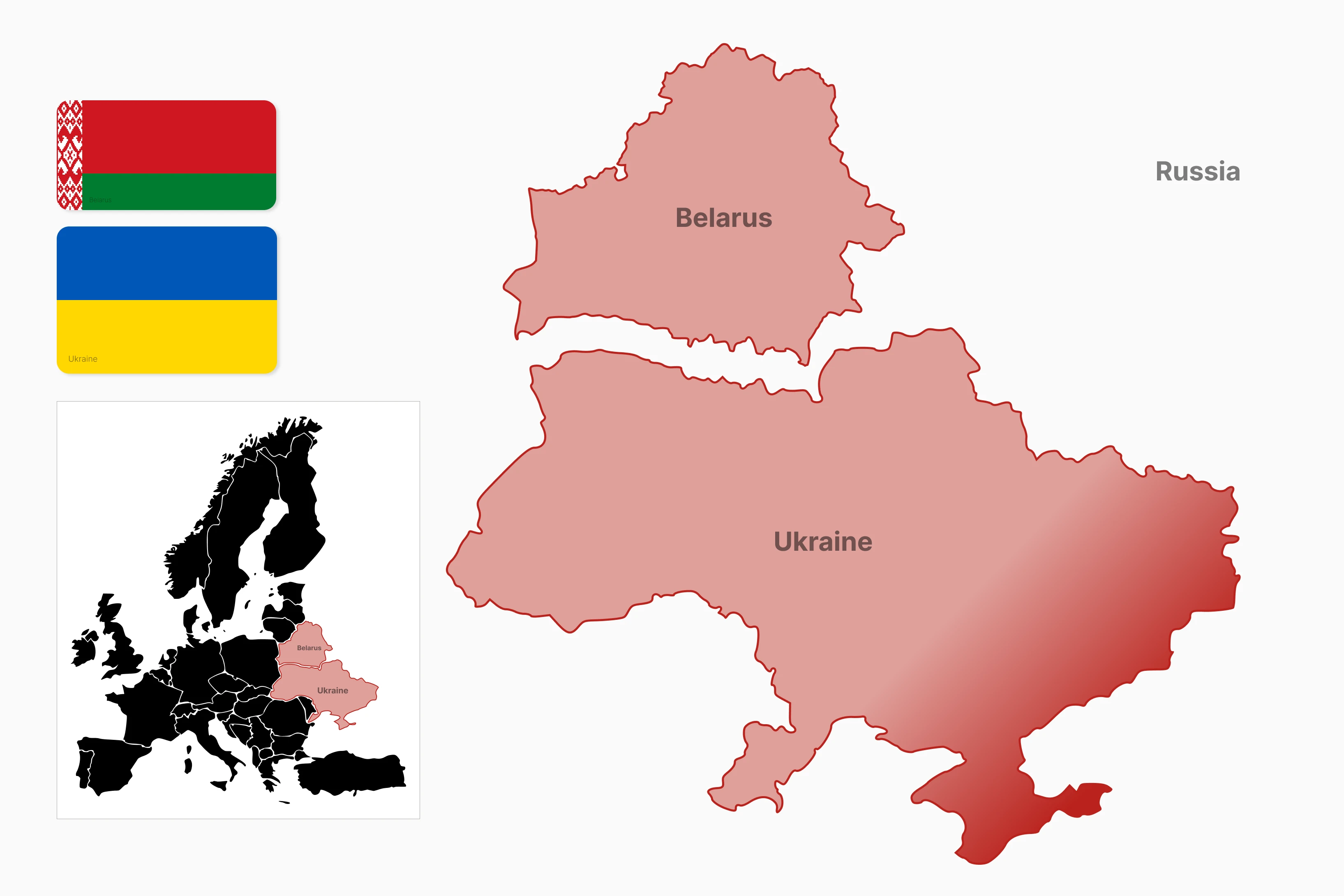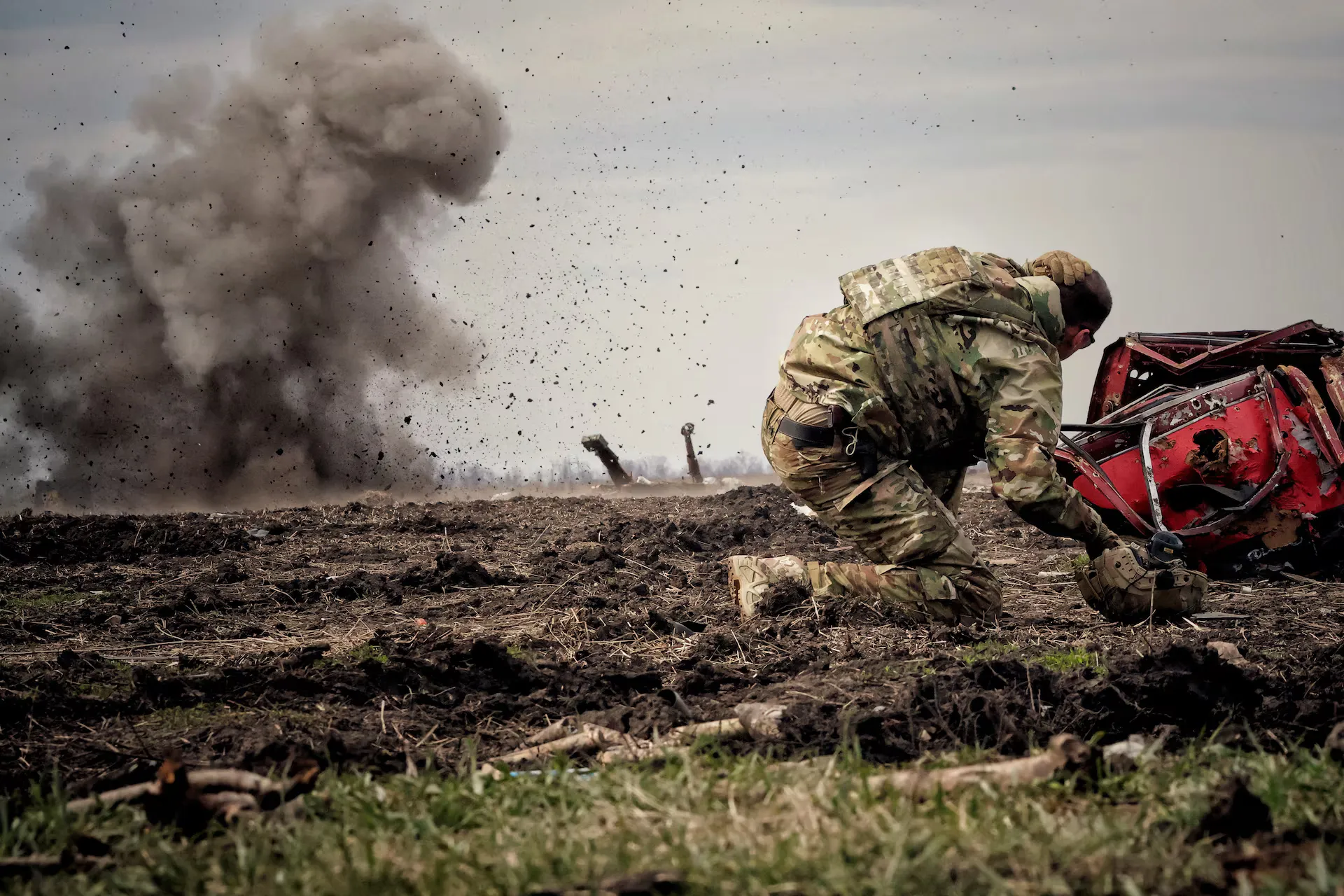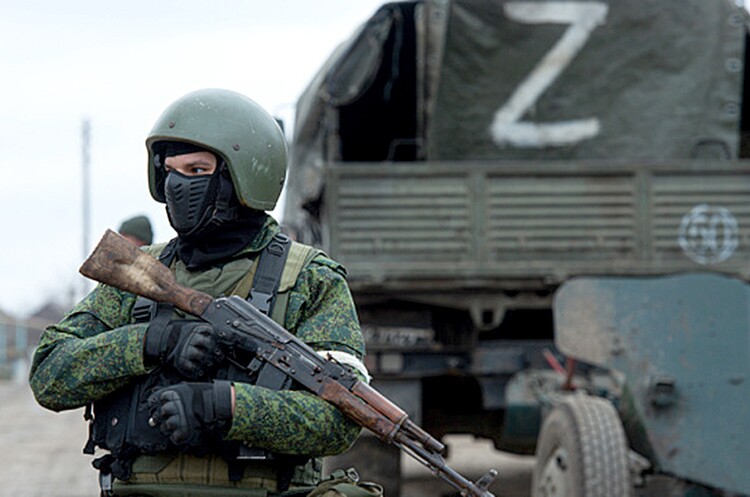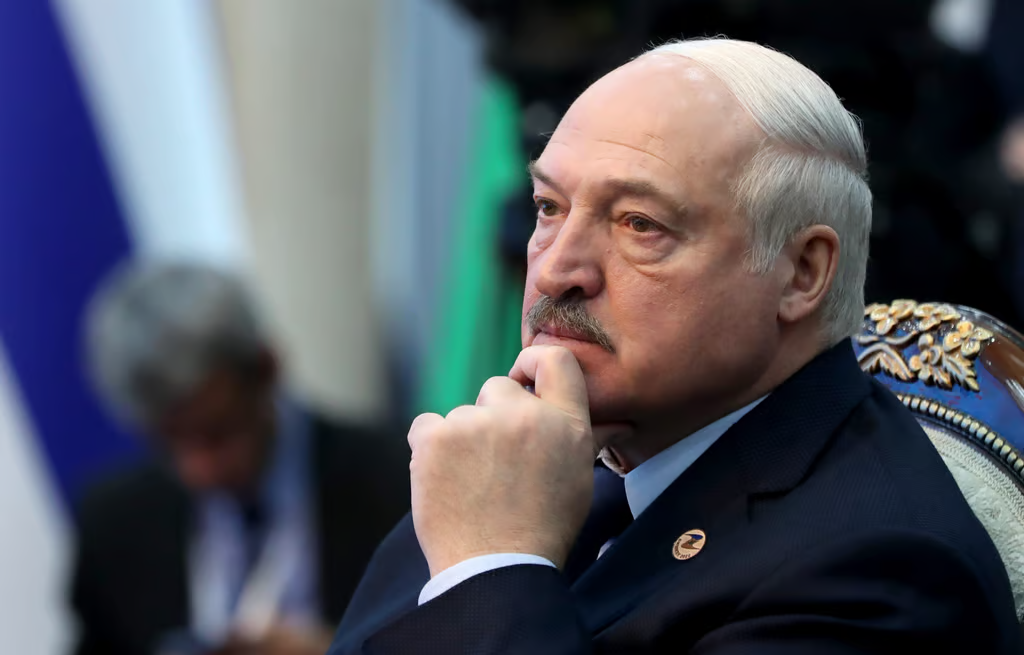




















Putin and Lukashenko are returning to the negotiating table at a moment when the Belarusian direction is no longer a quiet background to the war. Formally, this is another meeting between two allies who see each other often and have long mastered the language of mutual loyalty. In reality, it is about something larger: how far Russia can push Belarus in its war against Ukraine.
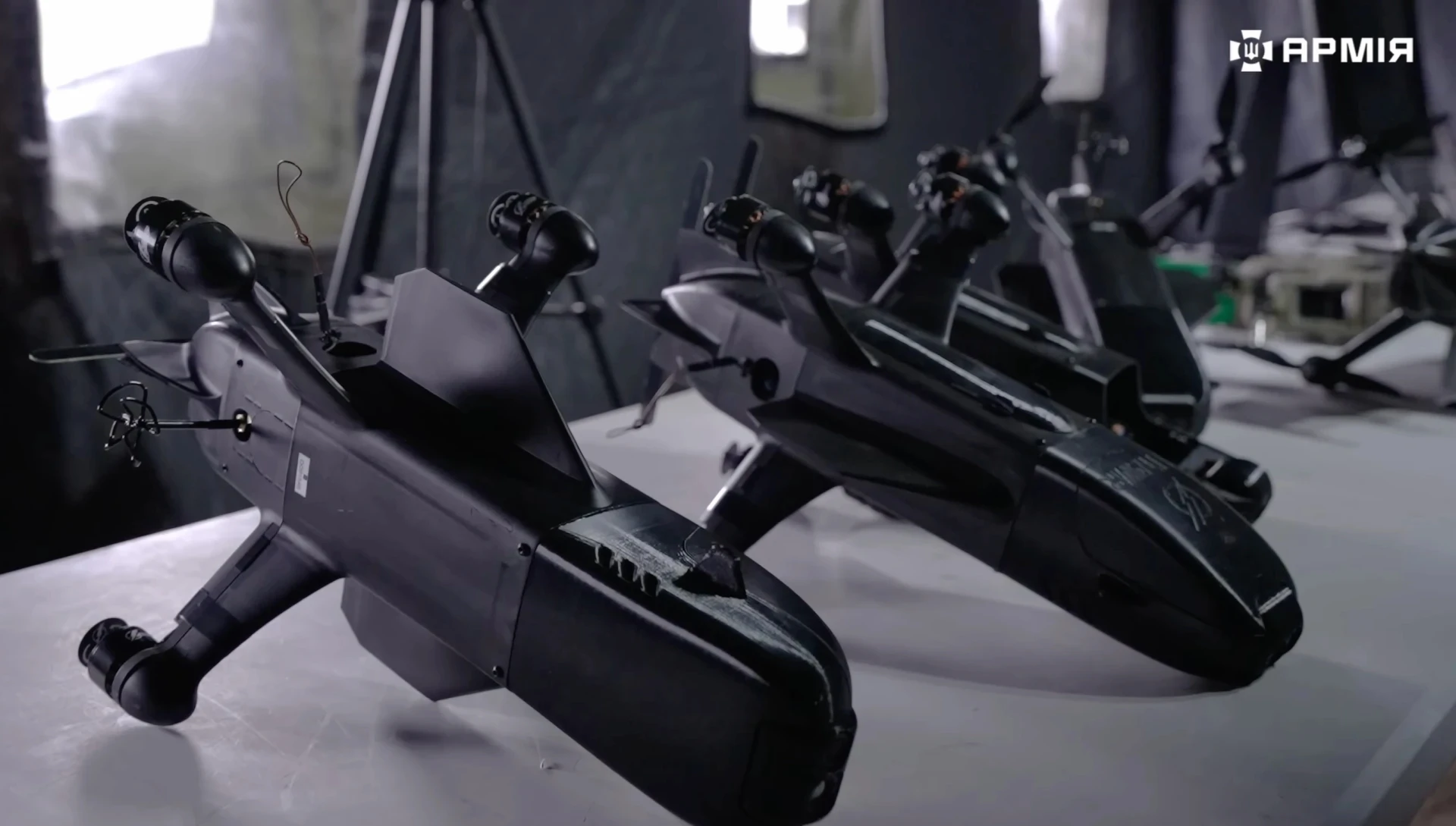
Tensions rose after Kyiv publicly pointed to special equipment on Belarusian territory which, according to Ukraine’s assessment, helped Russia carry out drone strikes. Zelensky spoke of signal relay stations in the Gomel and Brest regions and warned Minsk of consequences if those facilities were not removed.
The Ukrainian president later said the stations had stopped operating. But even if that technical episode has been temporarily defused, the political problem remains. Belarus is again appearing not as a neutral neighbor, but as a space from which Russia can intensify the war without directly deploying Belarusian troops.
According to Daycom’s earlier analysis, the current Putin-Lukashenko meeting matters precisely because of this gray zone. The Kremlin does not necessarily need Minsk to launch a frontal breakthrough. It is enough to expand the role of Belarusian territory: communications, logistics, reconnaissance, training grounds, repairs, air defense, nuclear blackmail, psychological pressure on Kyiv and the constant threat from the north.
Lukashenko publicly tries to preserve the old formula: Belarus supposedly does not want war, does not threaten Ukraine and is only responding to provocations from the West and Kyiv. But that formula lost credibility long ago. In 2022, it was Belarusian territory that became a launchpad for Russia’s assault on Kyiv.
The main danger for Ukraine lies not in one decision by Lukashenko, but in Belarus’s gradual slide into a deeper military function. The war has already shown that direct participation does not have to be formally declared. A state may avoid sending its own battalions to the front, yet still provide territory, airspace, infrastructure and technical assets that make the aggressor more effective.
For Putin, Belarus has several meanings at once. It is rear space near Ukraine’s capital, a lever of pressure on Poland and the Baltic states, an element of nuclear signaling and proof that Moscow can still hold allies inside its zone of coercion. If Russia cannot quickly break Ukraine on the battlefield, the Kremlin looks for other ways to stretch Ukrainian defenses.
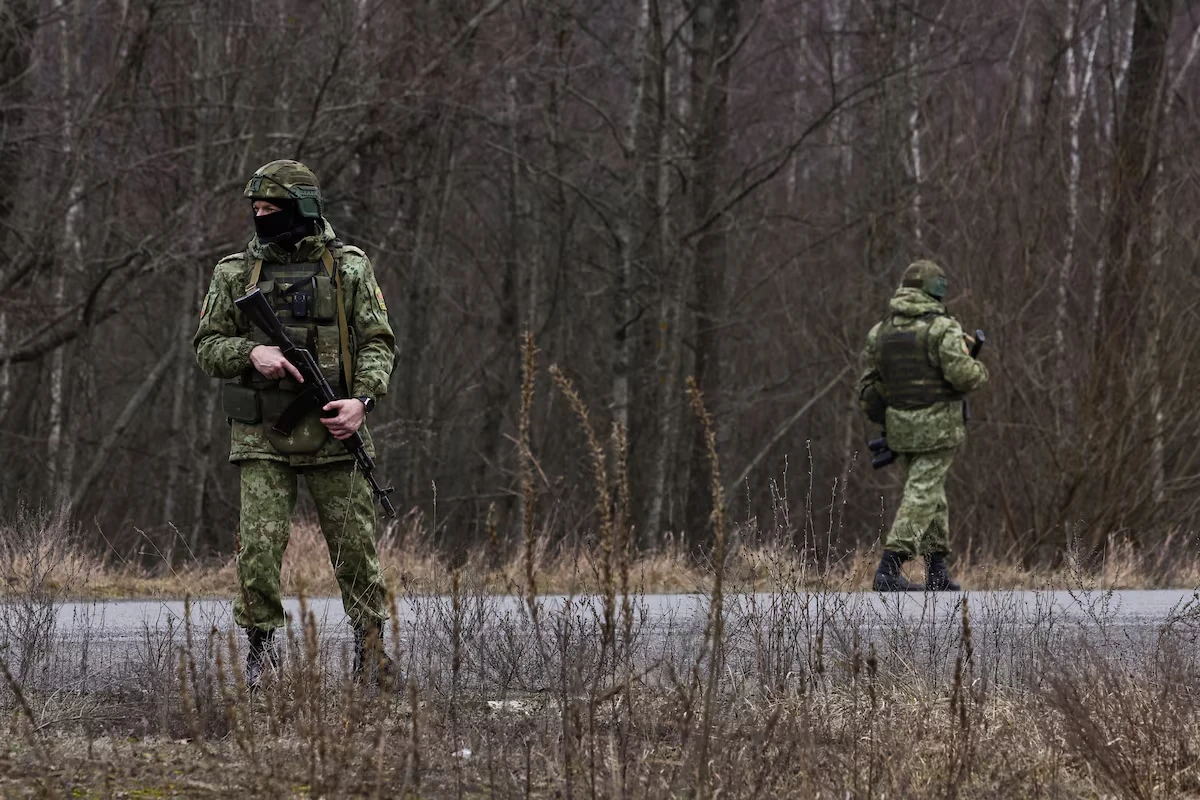
That is why the northern border remains an expensive problem for Kyiv. Even without a renewed offensive, Ukraine must keep forces, fortifications, intelligence, engineering barriers and reserves there. Every signal from Minsk or Moscow forces the Ukrainian command to calculate not only the real movement of troops, but also the risk of demonstrative provocation.
Lukashenko has his own fear. Openly sending the Belarusian army into the war could become not a show of strength, but a domestic threat. Belarusian society has shown no readiness to fight Ukraine, and the regime itself, after the protests of 2020, relies heavily on the security apparatus and Russian backing.
That is what makes Lukashenko’s position so double-edged. He depends on Putin, but fears carrying out the most dangerous order. He gives Moscow space, but tries to avoid direct participation. He threatens Kyiv while also saying he does not want to be dragged into war. This tactic has allowed him to survive, but it increasingly prevents him from appearing sovereign.
Russia’s deployment of tactical nuclear weapons in Belarus has narrowed that space even further. Minsk has effectively become part of Russia’s nuclear pressure architecture against Europe, even though control over those weapons remains in Moscow’s hands.
For Ukraine, the nuclear factor is not merely symbolic. It fixes Belarus in the role of a territory through which Russia threatens the wider region. The northern direction becomes not only military, but strategic: drones, missiles, the NATO border, Ukrainian defense and Russia’s attempt to intimidate the West all intersect there.
Against this backdrop, the Putin-Lukashenko meeting may operate on several levels. The first is public: a display of unity, accusations that Ukraine is escalating, and statements about defending Belarusian sovereignty. The second is military: discussion of what further functions Minsk can perform. The third is psychological: forcing Kyiv to keep attention and resources fixed on the north.
The Kremlin has already tried to present Ukrainian warnings as a threat to Belarusian sovereignty. It is a convenient inversion: Moscow, which used Belarusian territory for an invasion, now speaks of that territory’s inviolability. But this rhetoric itself shows how important Belarusian infrastructure remains to Russia.
Kyiv is acting more firmly than in the early years of the full-scale war. At first, Ukraine’s policy toward Minsk was cautious: the main goal was not to provoke the opening of another front. Now Ukraine is increasingly signaling that Belarus’s technical participation in Russian strikes will also carry a cost.
This does not mean Kyiv seeks war with Belarus. On the contrary, Ukraine’s line is to prevent Minsk from hiding behind the phrase “we are not fighting” if Belarusian territory is working for Russia’s military machine. The absence of Belarusian soldiers at the front does not remove responsibility for the auxiliary infrastructure of aggression.
At the same time, Ukraine is trying to distinguish between the regime and society. Zelensky’s meeting with Sviatlana Tsikhanouskaya in Kyiv reflected that logic: Lukashenko’s responsibility for involvement in Russia’s war does not automatically transfer to Belarusians as a people. Ukraine is leaving room for future good-neighborliness, but no longer on the basis of old naivety.
For Europe, this situation is also a warning. Belarus long ago ceased to be only the internal problem of an authoritarian regime. It has become part of Russia’s military geography: a launchpad, a buffer, a nuclear platform and a testing ground for pressure on Ukraine and NATO’s eastern flank.
That is why any Western attempt to seek cautious channels to Minsk must pass through Ukraine’s memory of 2022. Normalizing Lukashenko without accountability would amount to forgiving Belarus’s role as the northern corridor of Russia’s offensive.
The meeting between Putin and Lukashenko is unlikely to produce one dramatic answer. Its significance may lie elsewhere — in small shifts that do not immediately look like escalation: more joint exercises, new communications facilities, broader logistics, additional Russian systems, intensified information pressure.
This is how the current war often works. The most dangerous decisions are not always announced as historic. They often appear as technical arrangements, temporary measures, defensive explanations and routine meetings between allies. Later, those “details” become the structure of a new threat.
For Ukraine, the conclusion remains unchanged: the north can no longer be treated as a calm direction. Even if the Belarusian army does not cross the border, Belarus itself remains part of Russia’s military equation. And as long as Lukashenko depends on Putin, every meeting between them will be for Kyiv not a diplomatic episode, but a test of how close its northern neighbor may come to direct participation in the war.