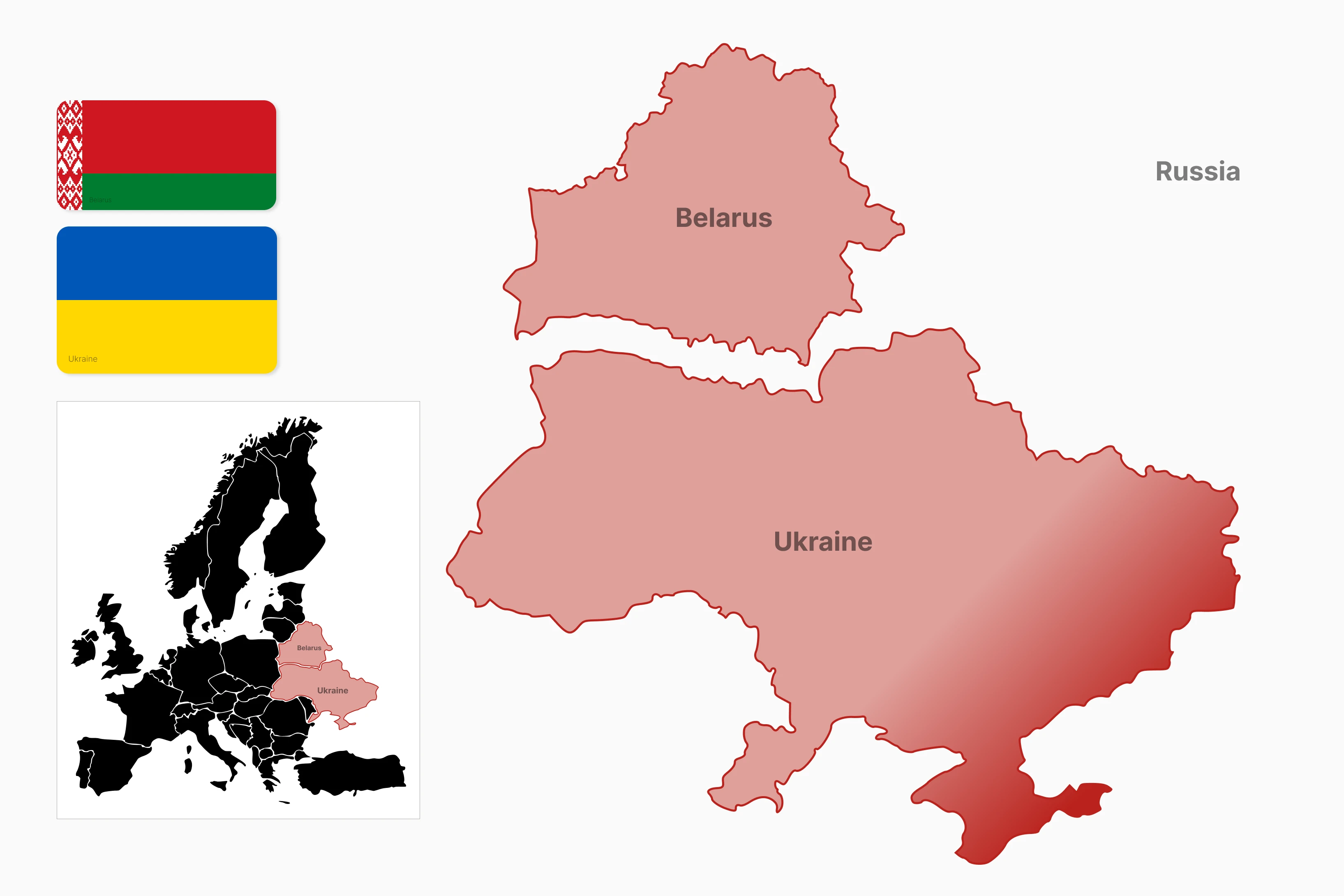























Ukrainian-Belarusian relations long seemed like a story without great drama. Two post-Soviet states with a shared border, a similar Soviet inheritance, family ties and economic interdependence were not allies, but they did not appear destined for open hostility either.
In reality, this relationship carried a hidden asymmetry from the beginning. After 1991, Ukraine moved unevenly but steadily toward political pluralism, competitive democracy and a European choice. After 1994, Belarus moved deeper into Alexander Lukashenko’s personalist regime and dependence on Moscow.
The history of Ukrainian-Belarusian relations is therefore not only the story of two neighboring countries. It is the story of how one border could serve for years as a space of trade, transit and diplomacy — and then, within days, become the route of Russia’s assault on Kyiv.
Ukrainian-Belarusian relations long seemed like a story without great drama. Two post-Soviet states with a shared border, a similar Soviet inheritance, family ties and economic interdependence were not allies, but they did not appear destined for open hostility either.
In reality, this relationship carried a hidden asymmetry from the beginning. After 1991, Ukraine moved unevenly but steadily toward political pluralism, competitive democracy and a European choice. After 1994, Belarus moved deeper into Alexander Lukashenko’s personalist regime and dependence on Moscow.
The history of Ukrainian-Belarusian relations is therefore not only the story of two neighboring countries. It is the story of how one border could serve for years as a space of trade, transit and diplomacy — and then, within days, become the route of Russia’s assault on Kyiv.
According to Daycom’s earlier analysis, the real rupture did not begin on February 24, 2022. The full-scale invasion merely exposed what had been building for years: Belarus was losing room for independent policy, while Ukraine increasingly understood that its northern neighbor no longer fully controlled its own security trajectory.
Before 2022: Neighborliness Without Trust
After the collapse of the Soviet Union, Ukraine and Belarus built relations as two new states that needed to formalize borders, trade, transit and political contacts. Their basic framework was the treaty on friendship, good-neighborliness and cooperation signed in the mid-1990s and brought into force shortly afterward.
In the 1990s, the relationship was pragmatic rather than strategic. Kyiv and Minsk did not have a deep political alliance, but they also had no acute conflict. Both states avoided major disputes, and the border was seen as calm, practical and almost invisible to millions of people on both sides.
Yet even then, their paths were diverging. Ukraine experienced presidential turnovers, parliamentary crises, revolutions and difficult but real political competition. Belarus moved in the opposite direction: concentrated power, controlled media, suppressed opposition and gradual incorporation into Russia’s orbit.
In the 2000s, Minsk tried to present itself to Kyiv as a predictable neighbor. Belarus did not publicly cast itself as part of the Russian-Ukrainian conflict, maintained economic ties and remained Russia’s ally at the same time. This ambiguity suited Lukashenko: he could trade with Ukraine, rely on Moscow and occasionally perform “independence.”
After 2014, Belarus’s role became more complex. Russia annexed Crimea and launched the war in Donbas, while Minsk became the venue for negotiations. The Minsk agreements were intended to stop the war, but eventually became a symbol of a diplomatic trap and a postponed conflict.
For Kyiv, this was a forced compromise. Belarus remained Russia’s ally, but Minsk provided a technical platform for talks when no other rapid format was available. Lukashenko used that role for international legitimacy, presenting himself not as part of the problem, but as a supposed mediator.
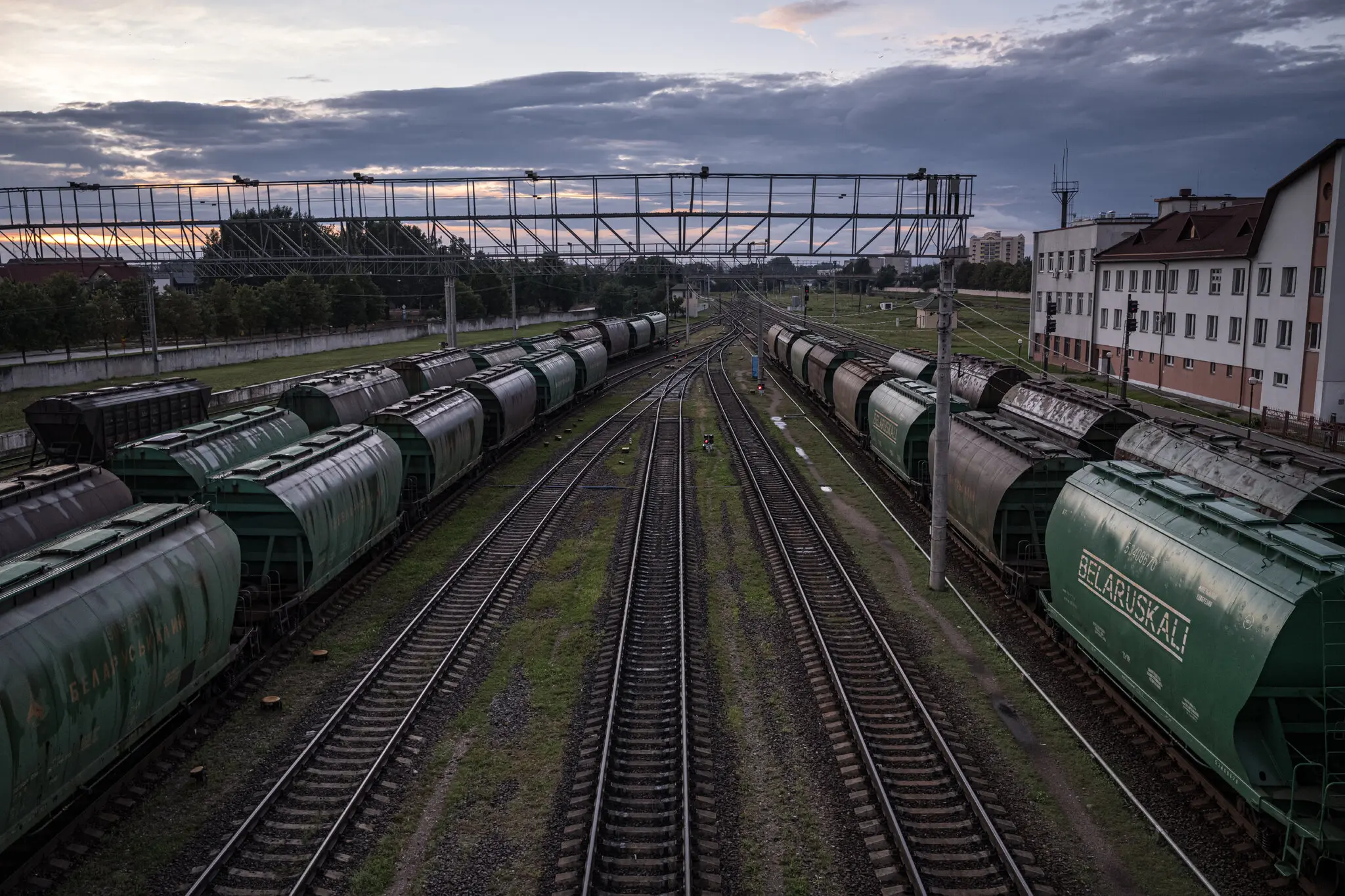
Economics long concealed the political crack. Belarus was an important trade partner for Ukraine, especially in petroleum products, fertilizers, industrial goods, transport and agricultural chains. Even in 2019, the Ukrainian-Belarusian border could still be described in official language as a border of peace and cooperation.
That was the last period of normality’s illusion. Ukraine was already at war with Russia, but it could still separate Minsk from Moscow. The border with Belarus was not perceived as the main military risk. The Belarusian government was authoritarian, but it had not yet become openly integrated into Russia’s aggression against Ukraine.
The turning point began in 2020. The Belarusian presidential election, mass protests and the brutal suppression of opposition changed the balance. Ukraine did not recognize the official election result, while Lukashenko lost more and more room to maneuver between the West and Russia.
After 2020, Minsk’s dependence on Moscow was no longer merely economic or diplomatic. It became a matter of regime survival. Russia supported Lukashenko during the deepest domestic crisis of his rule, and in return gained an even greater level of security loyalty. That loyalty would become fatal for Ukraine.

2022–2026: A Neighbor Becomes a Frontline Risk
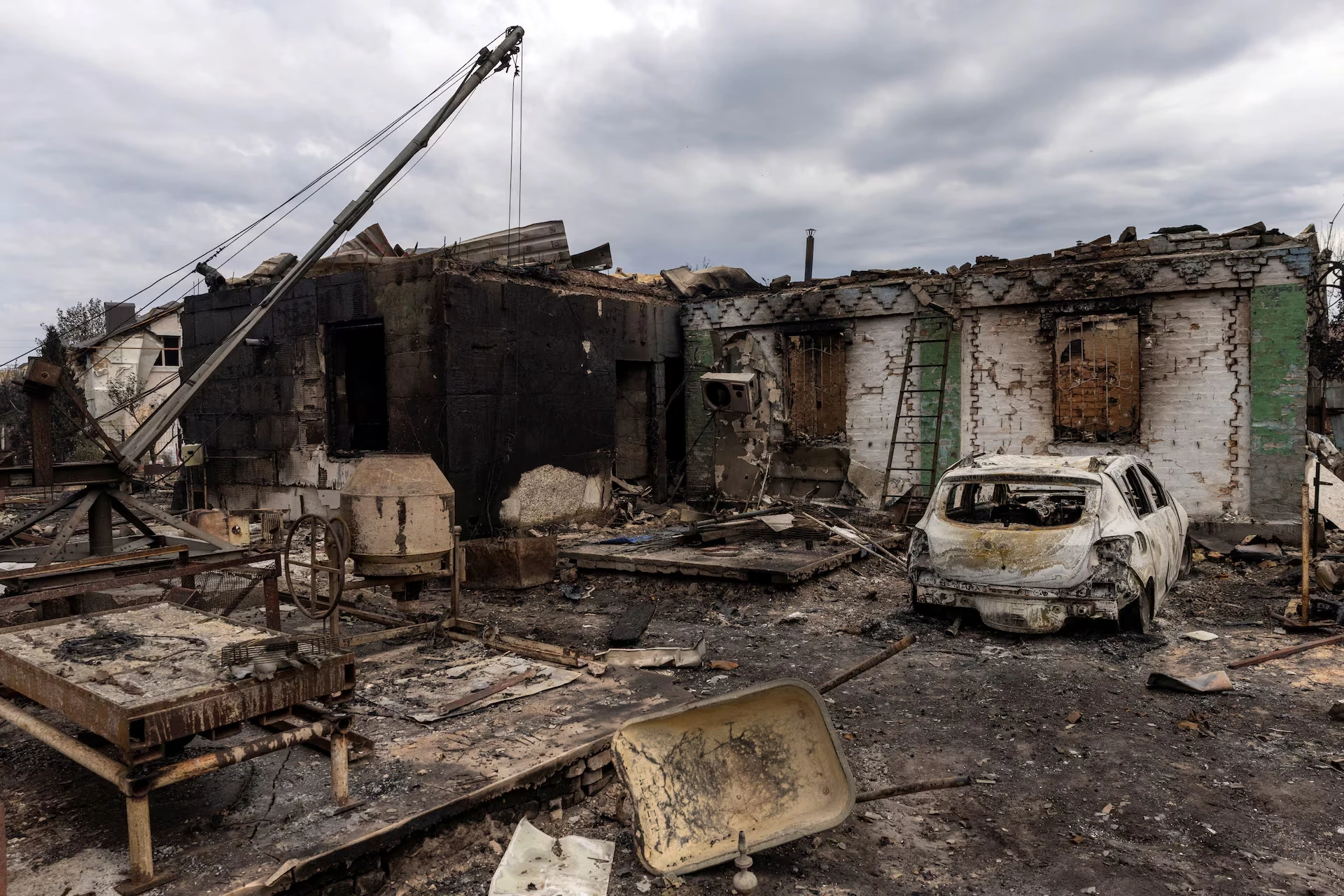
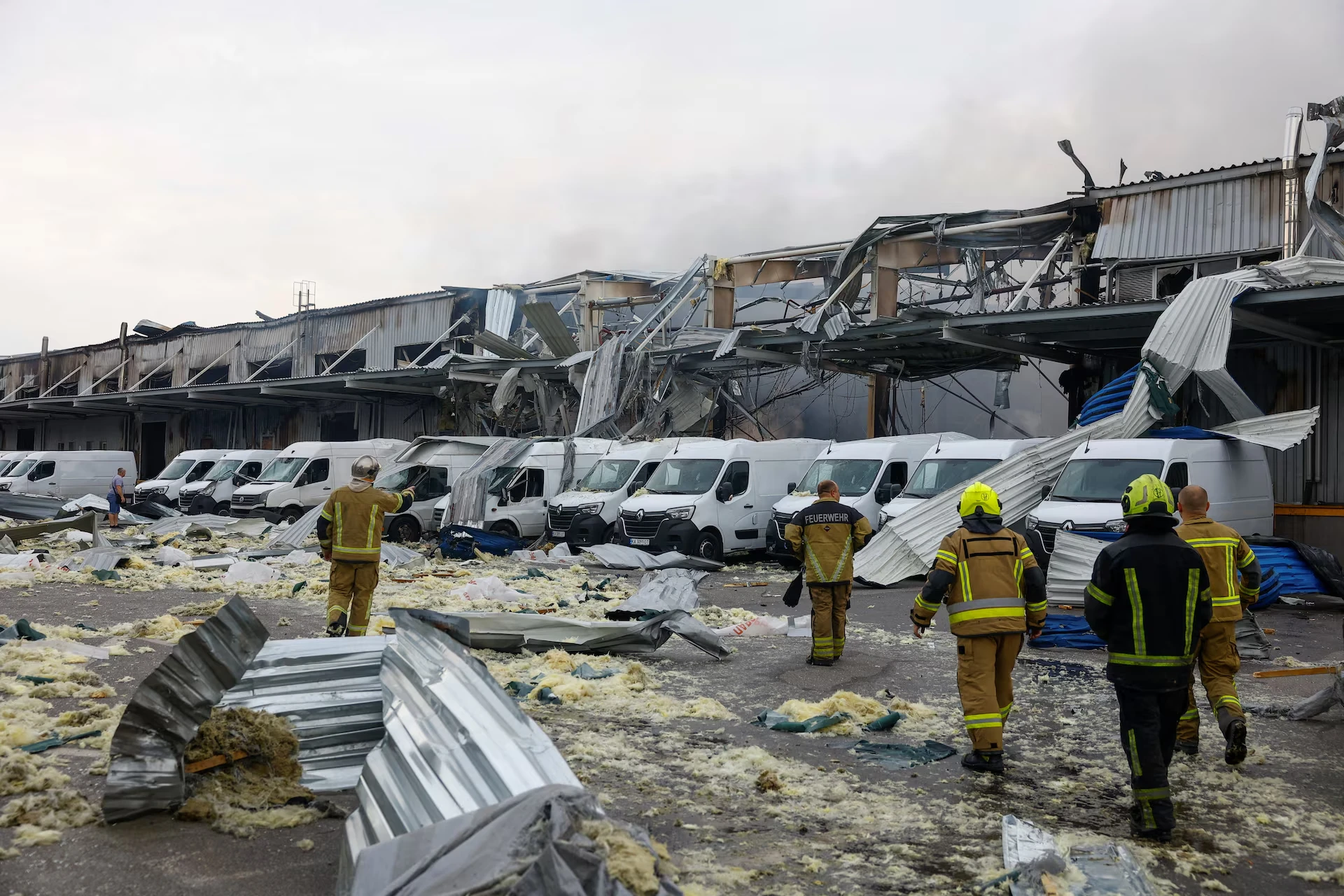
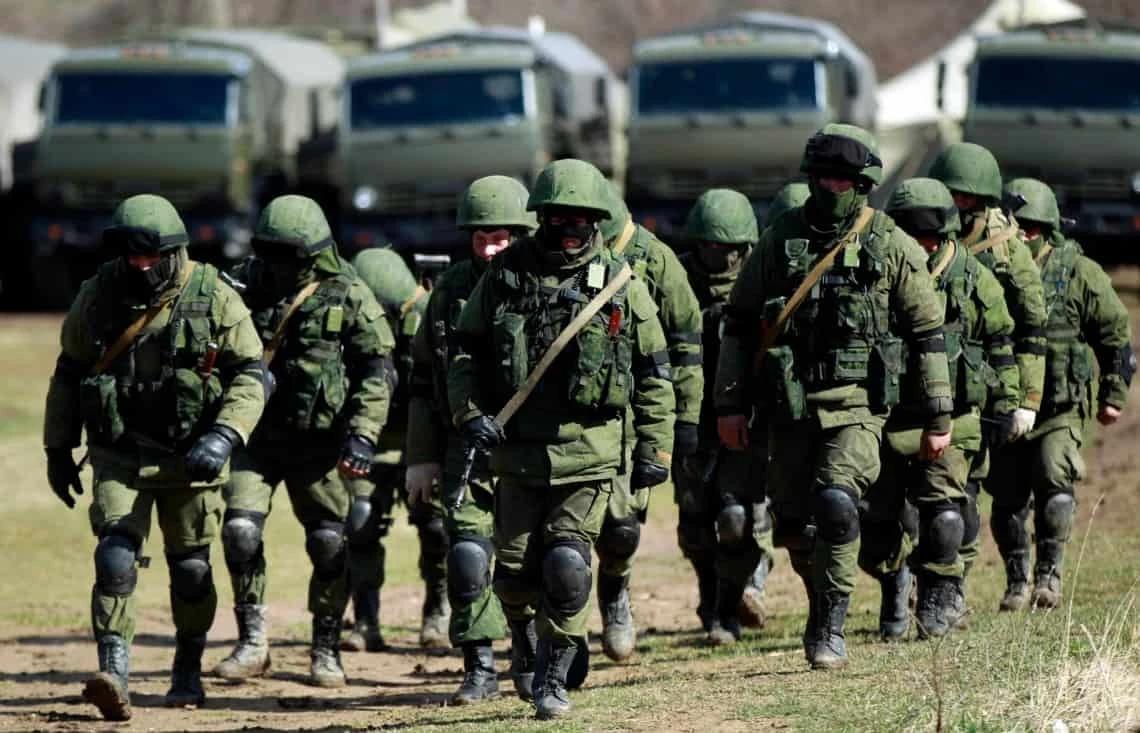
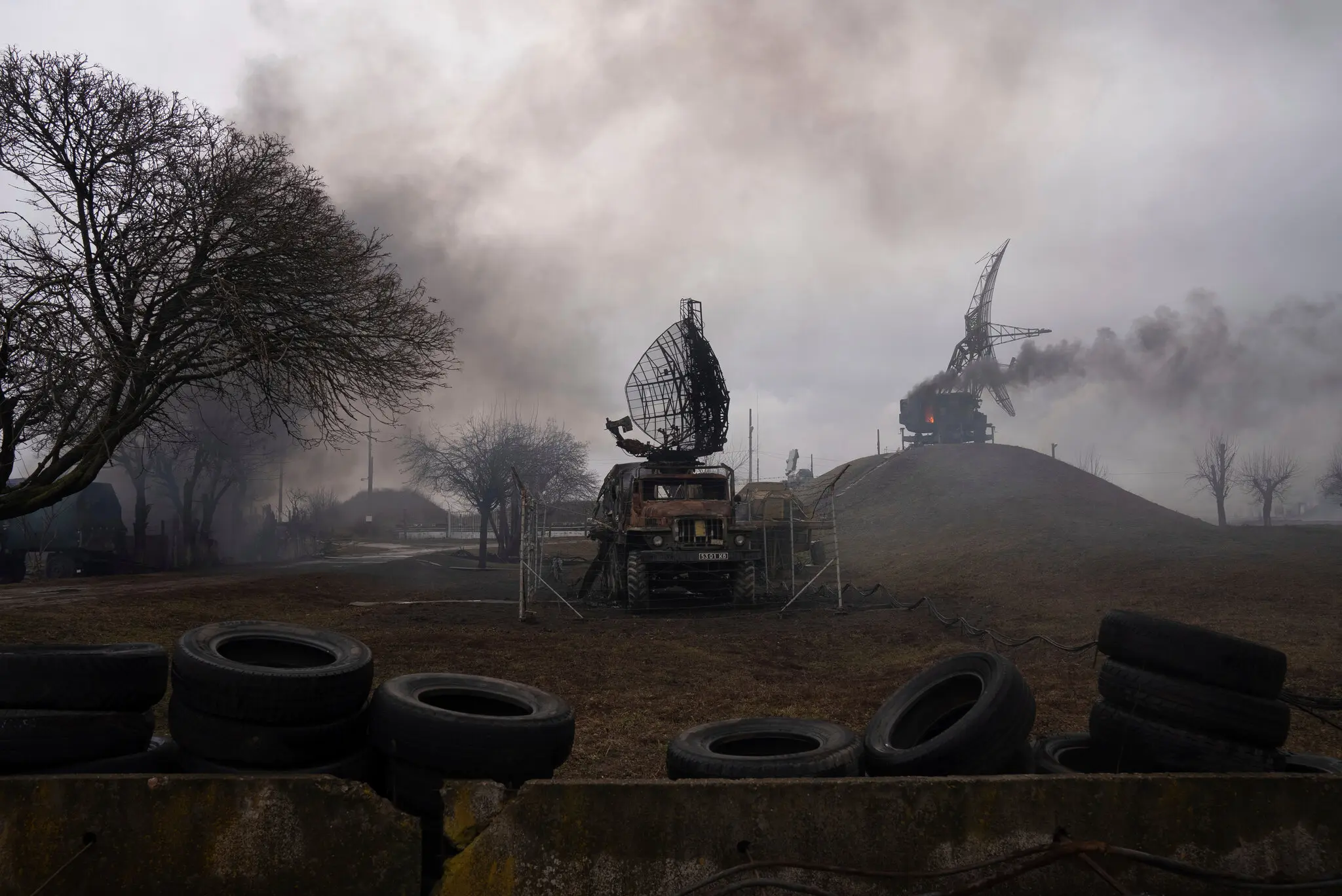
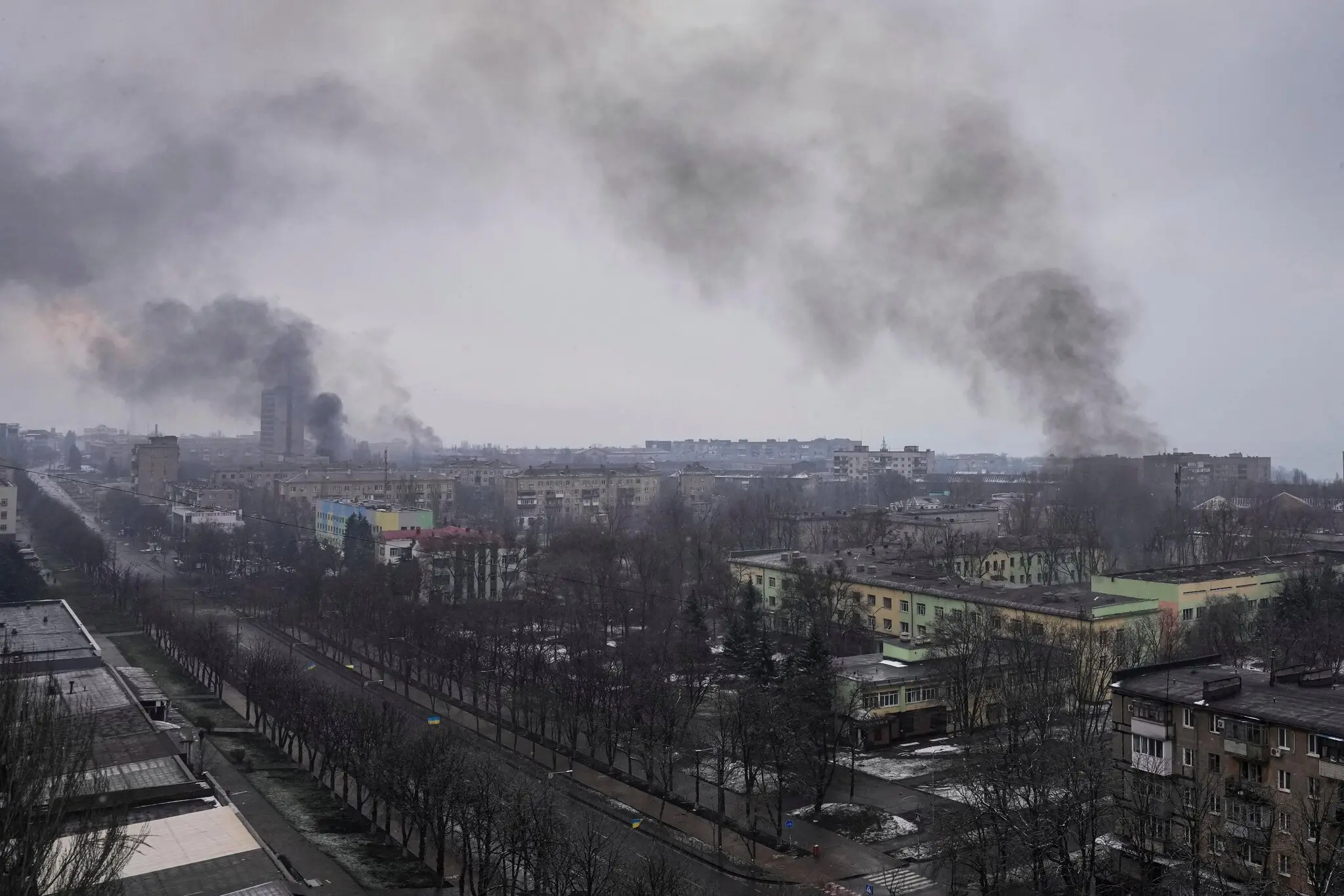
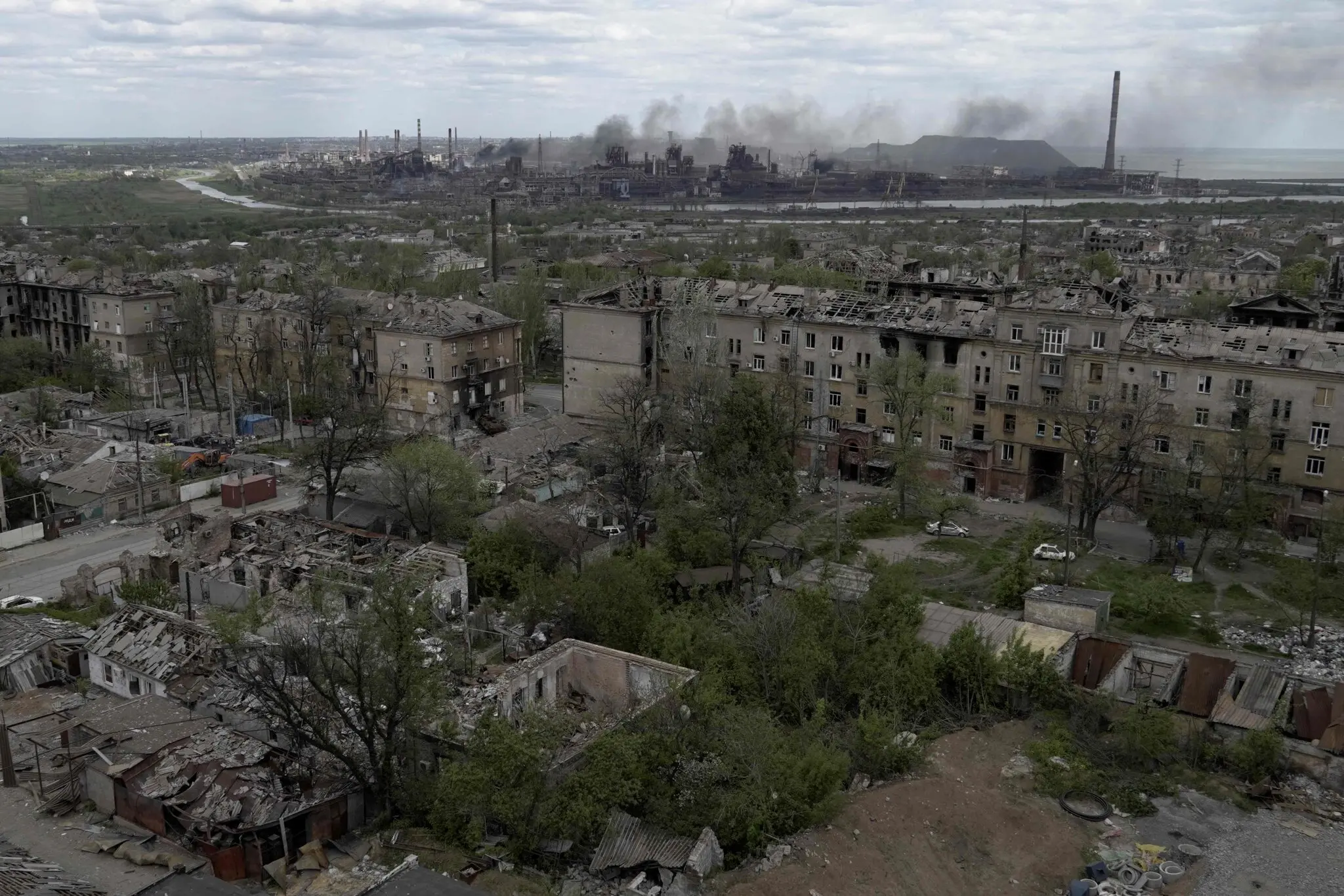
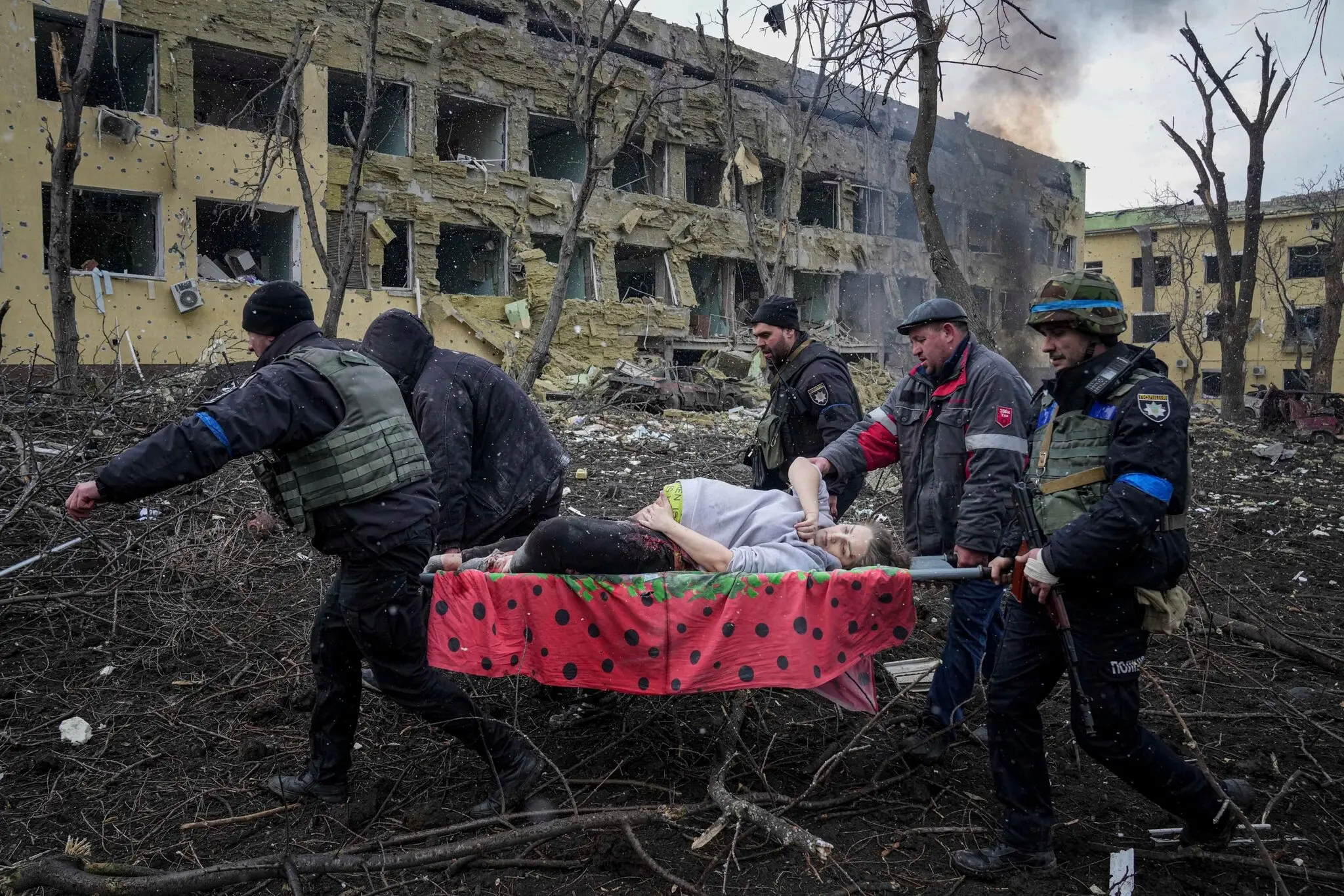
On February 24, 2022, Ukrainian-Belarusian relations collapsed into a new reality. Russian troops entered Ukraine from Belarusian territory, including toward Kyiv and the Chornobyl zone. Belarusian airfields, roads, training grounds and airspace became part of Russia’s military machine.
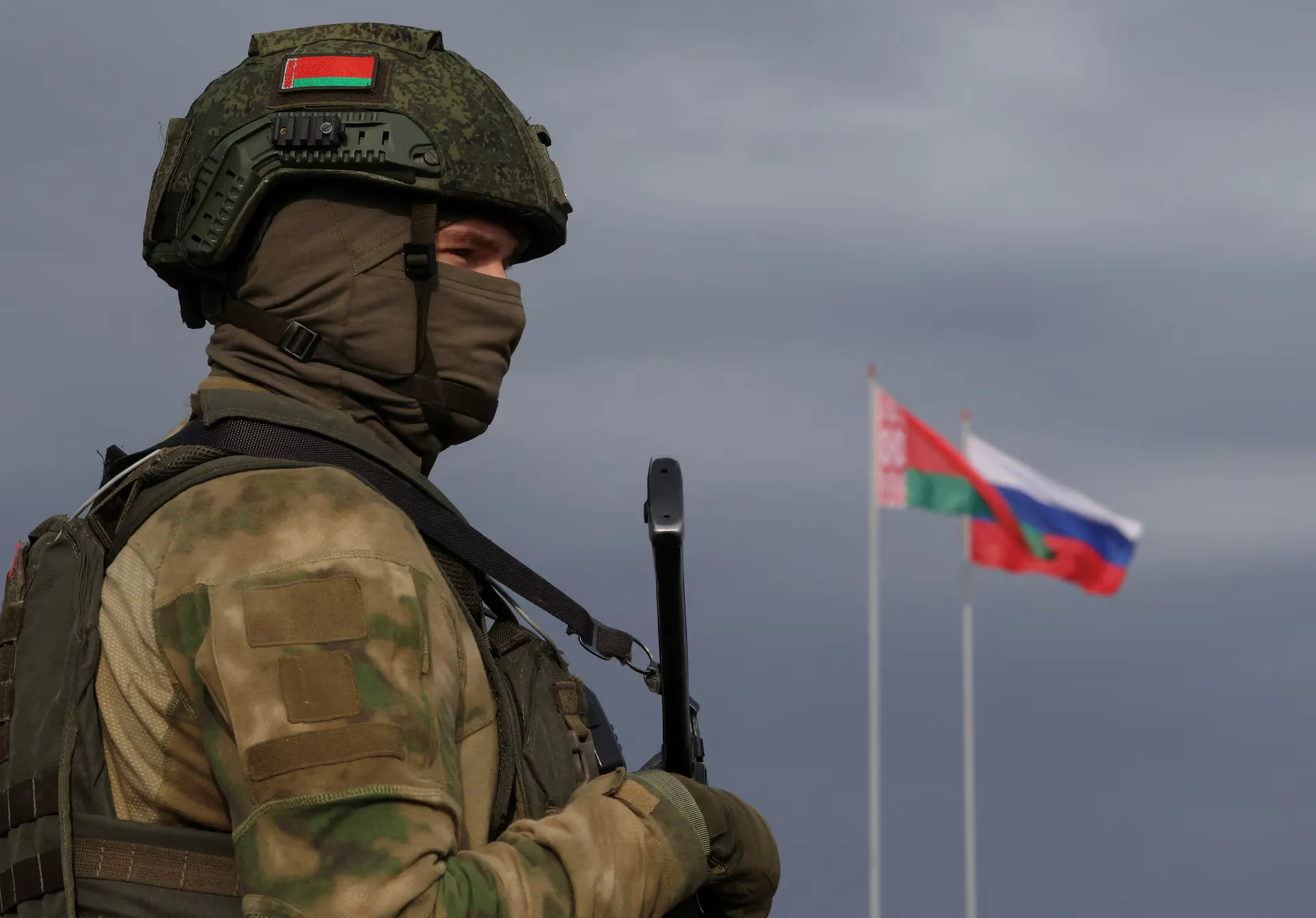
Belarus did not send its own army into Ukraine as a separate fighting force, and that distinction matters. But it provided territory, infrastructure, logistics and political cover. In modern war, that is enough to cease being a neutral neighbor. Minsk became an accomplice not because of the number of Belarusian soldiers at the front, but because of the function its territory performed.
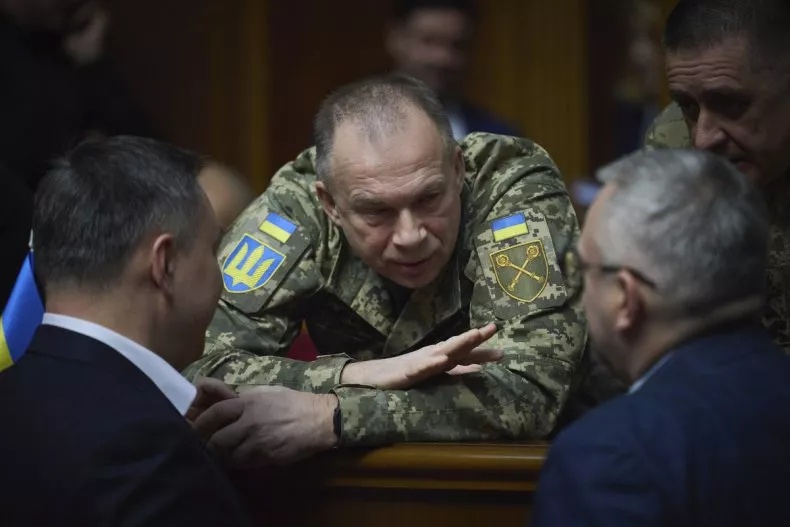
For Ukraine, this was a psychological and strategic shock. The northern direction, long viewed as rear-facing and relatively peaceful, suddenly became one of the most dangerous. The assault on Kyiv from Belarusian territory destroyed the remaining trust faster than any diplomatic statement could have done.
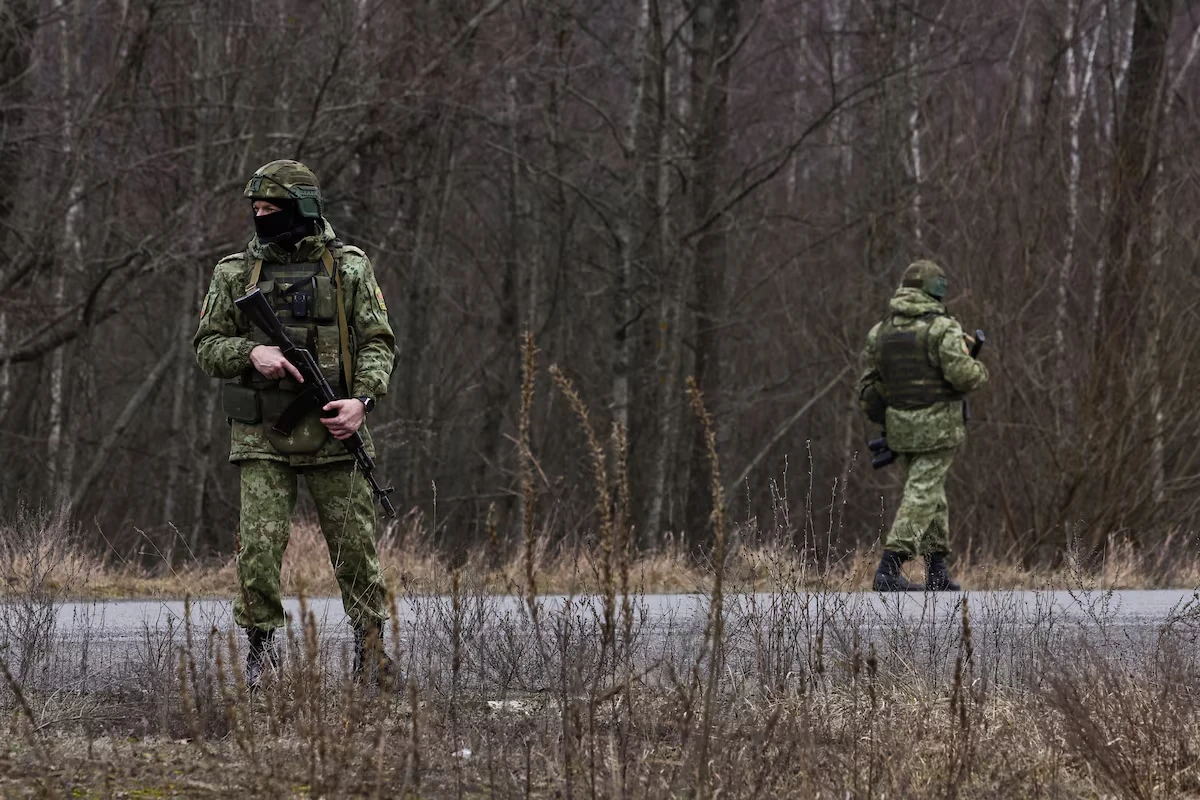
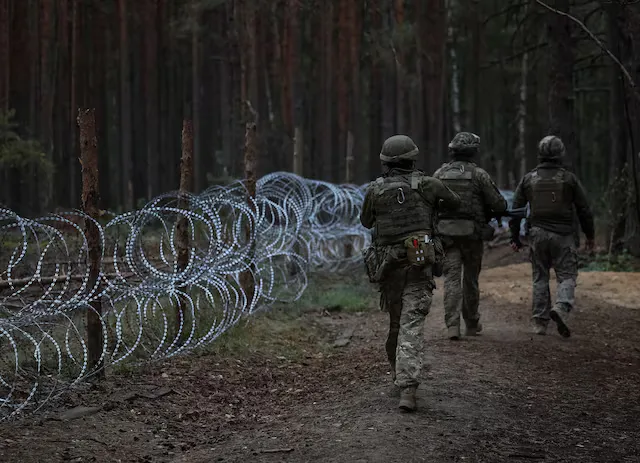
Since then, the Ukrainian-Belarusian border has stopped being a space of ordinary neighborliness. It has become a fortified line of waiting. Ukraine has had to keep forces in the north, build defensive lines, mine dangerous areas, strengthen intelligence and constantly factor in the possibility of renewed pressure from Belarus.
Political contacts have nearly disappeared. Formally, diplomatic relations were not fully severed, but their real substance has been reduced almost to nothing. After 2022, bilateral relations reached the lowest point in their history: legally preserved, but politically frozen.
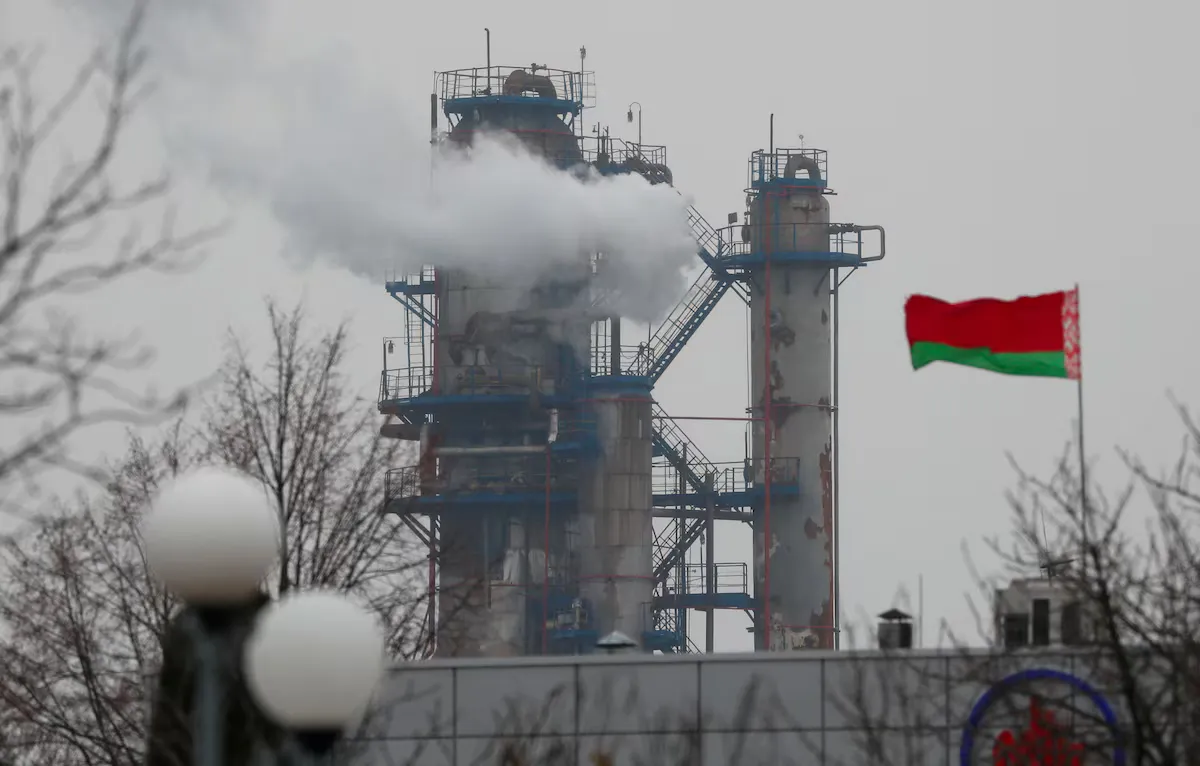
The economic rupture was just as sharp. Before the war, trade had been one of the main binding elements. After the invasion, it collapsed almost entirely. This was not merely a break in contracts. Ukraine lost any reason to see Belarus as a separate economic space detached from Russia’s war.
Fuel, logistics, industry, transit and military infrastructure all began to be viewed through one prism: whether they helped Moscow continue its aggression. What had once been a commercial transaction became, after 2022, a security question.
In 2022 and 2023, the central question was whether the Belarusian army would enter the war directly. Lukashenko maneuvered between Russian pressure, fear of his own society and reluctance to open another front that could become a domestic disaster for his regime. Ukraine prepared for the worst, but a mass direct entry of Belarusian troops did not occur.
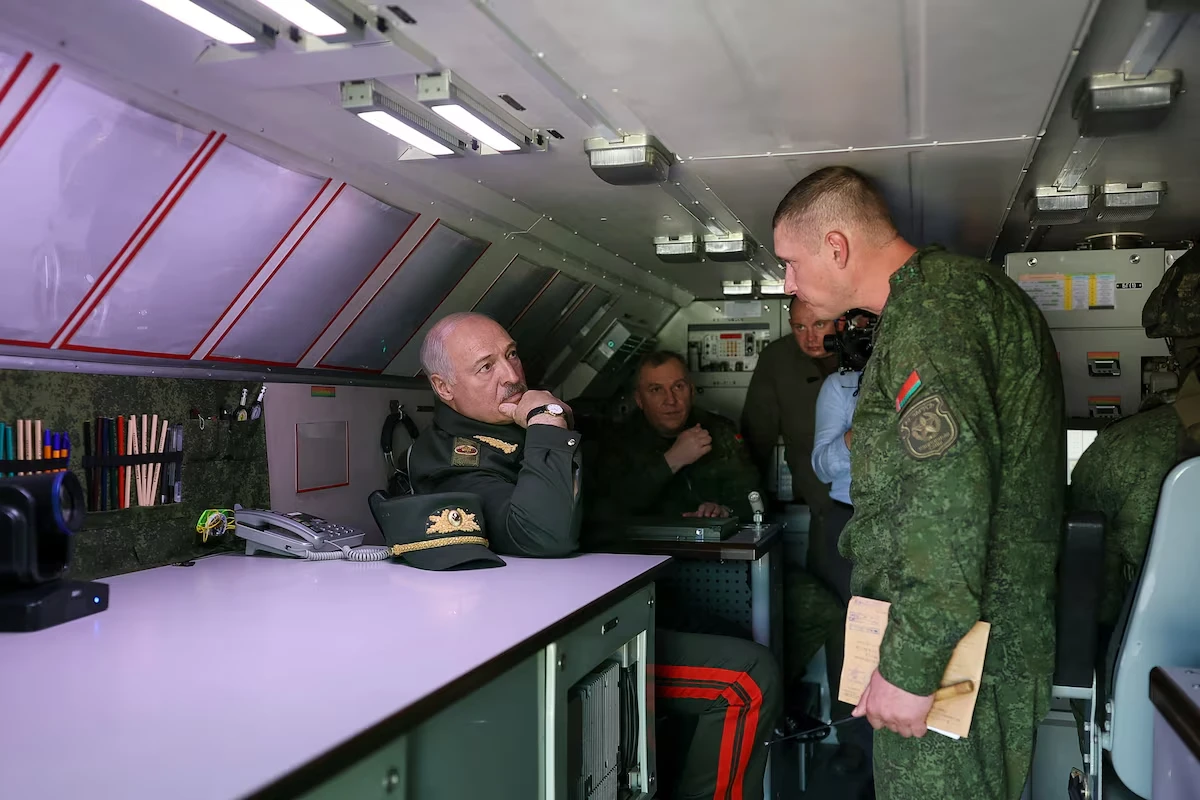
This restraint did not mean neutrality. Belarus continued to function as Russia’s military space: exercises, troop deployments, logistics, equipment transfers, information pressure and the threat of another strike from the north remained part of the war. For Kyiv, this created a constant strategic burden.
In 2023, the situation grew more dangerous because of the nuclear factor. Russia announced the deployment of tactical nuclear weapons on Belarusian territory, while Minsk began adjusting its military doctrine to account for possible nuclear use.
For Ukraine, this had several consequences. First, Belarus became part of Russia’s nuclear game against the West. Second, the northern direction gained a new level of risk. Third, Minsk’s sovereignty looked increasingly conditional: a country that had once renounced the Soviet nuclear inheritance had effectively opened its territory to Moscow’s nuclear blackmail.
At the same time, Ukraine’s policy toward Belarus gradually became more complex. Kyiv increasingly distinguished between Belarusian society and the Lukashenko regime. Belarusian volunteers fought on Ukraine’s side, the Belarusian democratic opposition condemned the regime’s role in the war, and many Belarusians saw in Ukraine’s resistance a chance for their own future freedom.
This distinction became especially important in 2024–2026. Ukraine could not treat official Minsk as a neutral partner, but it also did not want to turn the Belarusian people as a whole into an enemy image. That is why Kyiv’s line increasingly shifted toward contacts with Belarusian democratic forces.
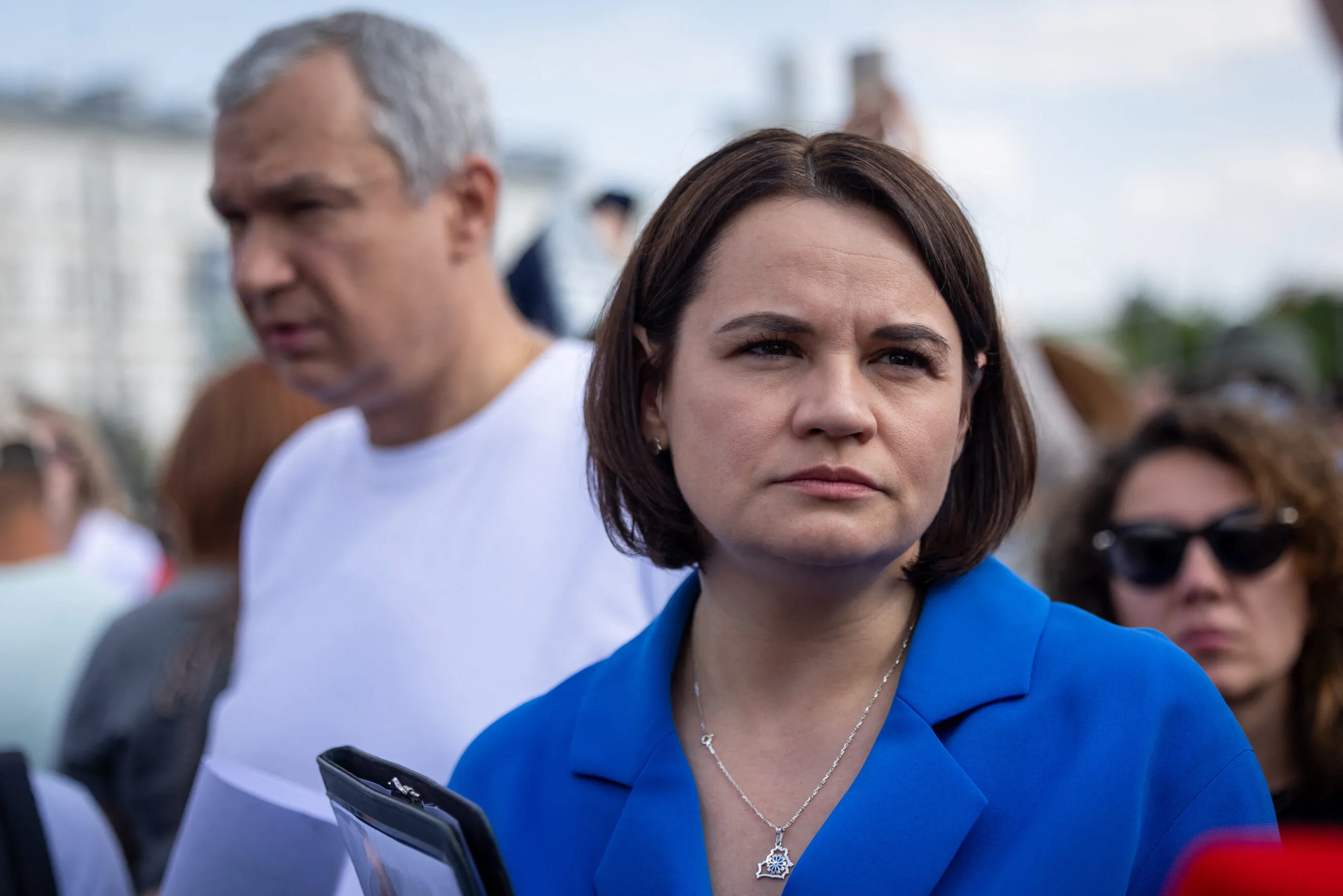
By 2026, that tendency had become more visible. Volodymyr Zelensky’s meeting with Sviatlana Tsikhanouskaya in Kyiv underlined the dual logic of Ukraine’s position: responsibility for the Lukashenko regime over the use of Belarusian territory, and at the same time no hostility toward the Belarusian people.
This is an important political signal. Ukraine is effectively forming two different addressees in its Belarus policy: sanctions, mistrust and military readiness toward the regime; a prospect of future good-neighborliness toward society and democratic forces after Belarus emerges from Russia’s shadow.
The sanctions line has hardened. Ukraine has begun applying personal and economic restrictions against Lukashenko, his circle and Belarusian enterprises that assist Russia’s military-industrial complex. This means Kyiv no longer sees Belarusian involvement in the war only as a matter of territory.
It is now about economic, industrial and personal chains of support for Russia. If a Belarusian enterprise works for the Russian defense industry, then for Ukraine it becomes an element of the war, even if it is formally located outside the battlefield.
In 2025–2026, Belarus also became part of a broader regional architecture. Some Western politicians began seeking cautious channels of dialogue with Minsk, hoping to loosen its dependence on Moscow. Kyiv, by contrast, has increasingly warned that normalizing Lukashenko without accountability for the war would be a dangerous mistake.
Ukraine’s interests are clear. If Europe begins restoring contact with Minsk as a supposedly separate player without accounting for its role in the 2022 assault, it creates a precedent of impunity. Ukraine insists that a future for Ukrainian-Belarusian relations is possible, but it cannot be built on forgetting the northern platform of Russian aggression.
At the same time, Kyiv must act carefully. Excessive pressure could push Lukashenko even deeper into Moscow’s embrace, while excessive softness could demoralize Ukrainian society, which remembers where the Russian columns came from in the battle for Kyiv. Ukraine’s strategy therefore balances deterrence, sanctions, support for the opposition and prevention of a new front.
The defining difference of 2022–2026 is that Belarus stopped being merely a neighbor for Ukraine. It became a space of risk. Even without direct participation by the Belarusian army, its territory, infrastructure, political dependence and military integration with Russia became part of Ukraine’s security equation.
The future of these relations therefore depends not on another diplomatic formula, but on three deeper questions. Can Belarus preserve or restore real sovereignty? Will the Lukashenko regime face responsibility for its role in Russian aggression? And will Ukrainians, after the war, be able to separate Belarusian society from the state machinery that allowed Russia to strike Ukraine from the north?
Before 2022, Ukrainian-Belarusian relations were a story of unfinished neighborliness: much trade, little trust and even less strategic clarity. Between 2022 and 2026, they became a story of frontline silence: diplomacy barely speaks, the border is fortified, the economy is broken, and the future depends on whether Belarus can one day leave the role of Russia’s military appendage.
Ukraine has no natural hostility toward Belarus. But after 2022, it cannot afford its old naivety. Good-neighborliness is possible only where a neighbor controls its own territory and does not hand it over for an assault on Kyiv. That became the central lesson of Ukrainian-Belarusian history: geography can bring peoples close, but the political dependence of one regime can turn a shared border into a direction of war.