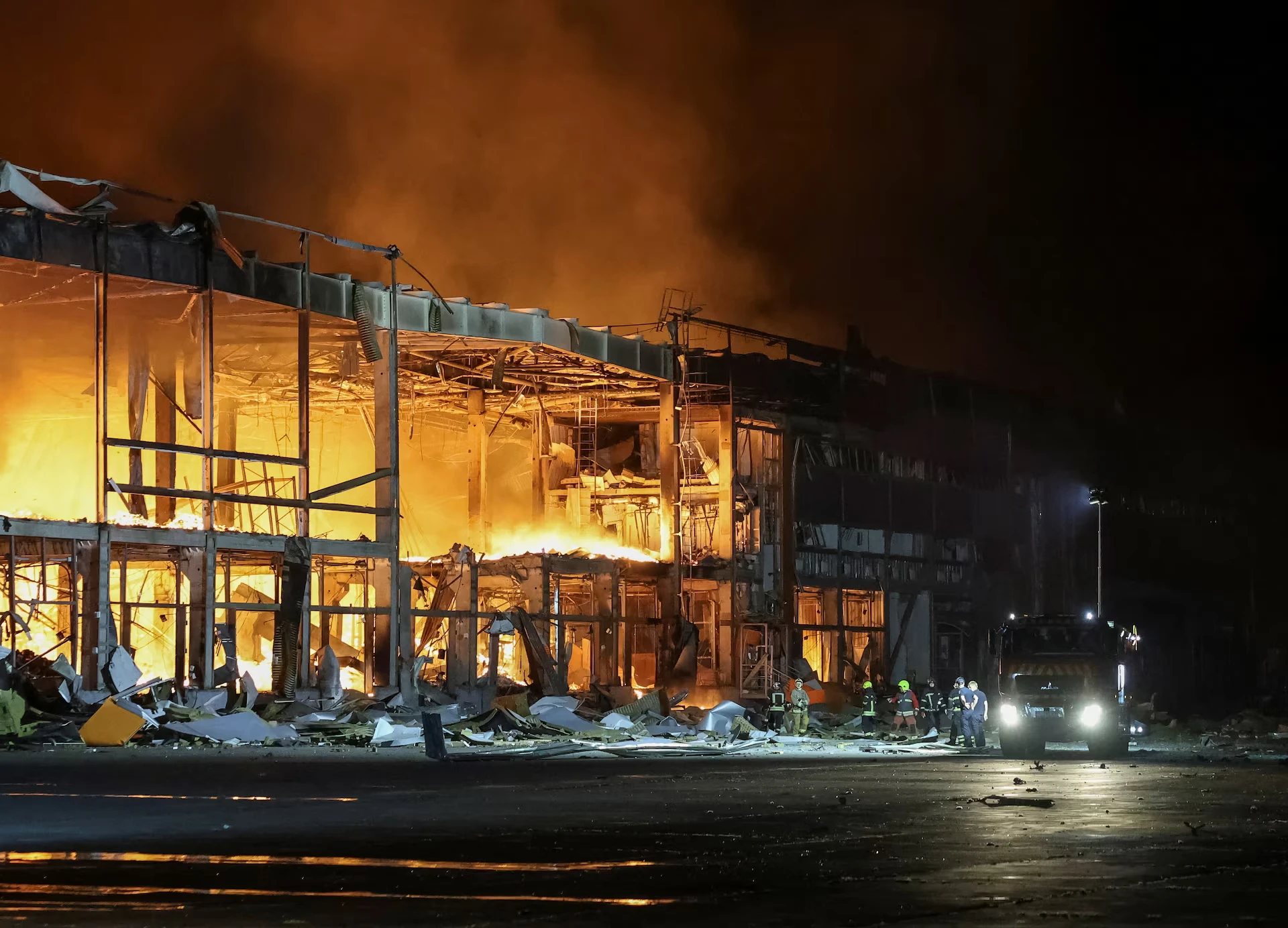






















Russia launched another large-scale missile attack on Kyiv overnight on August 1, using ballistic weapons in one of the heaviest strikes on the capital in recent days. At least nine people were killed and 28 others wounded, including four children. Dozens of explosions were heard across the city, with damage reported in several districts.
Fires broke out in residential neighborhoods, while apartment buildings, vehicles and civilian infrastructure were damaged. Some areas temporarily lost electricity. Emergency crews worked through the night, clearing debris and evacuating residents from damaged buildings. Search operations continued after dawn, leaving open the possibility that the death toll could rise.
As Daycom noted in an earlier analysis, Russia is increasingly using ballistic missiles as a tool of strategic pressure on Ukrainian cities. Unlike cruise missiles and attack drones, ballistic weapons require advanced missile-defense systems capable of responding within seconds — systems Ukraine still lacks in sufficient numbers.
The heaviest destruction was reported in the Darnytskyi and Solomianskyi districts. Most of the fatalities occurred there. Doctors treated multiple shrapnel injuries, including among children. Damage was recorded in at least seven districts, underscoring both the scale of the attack and the vulnerability of a densely populated capital.
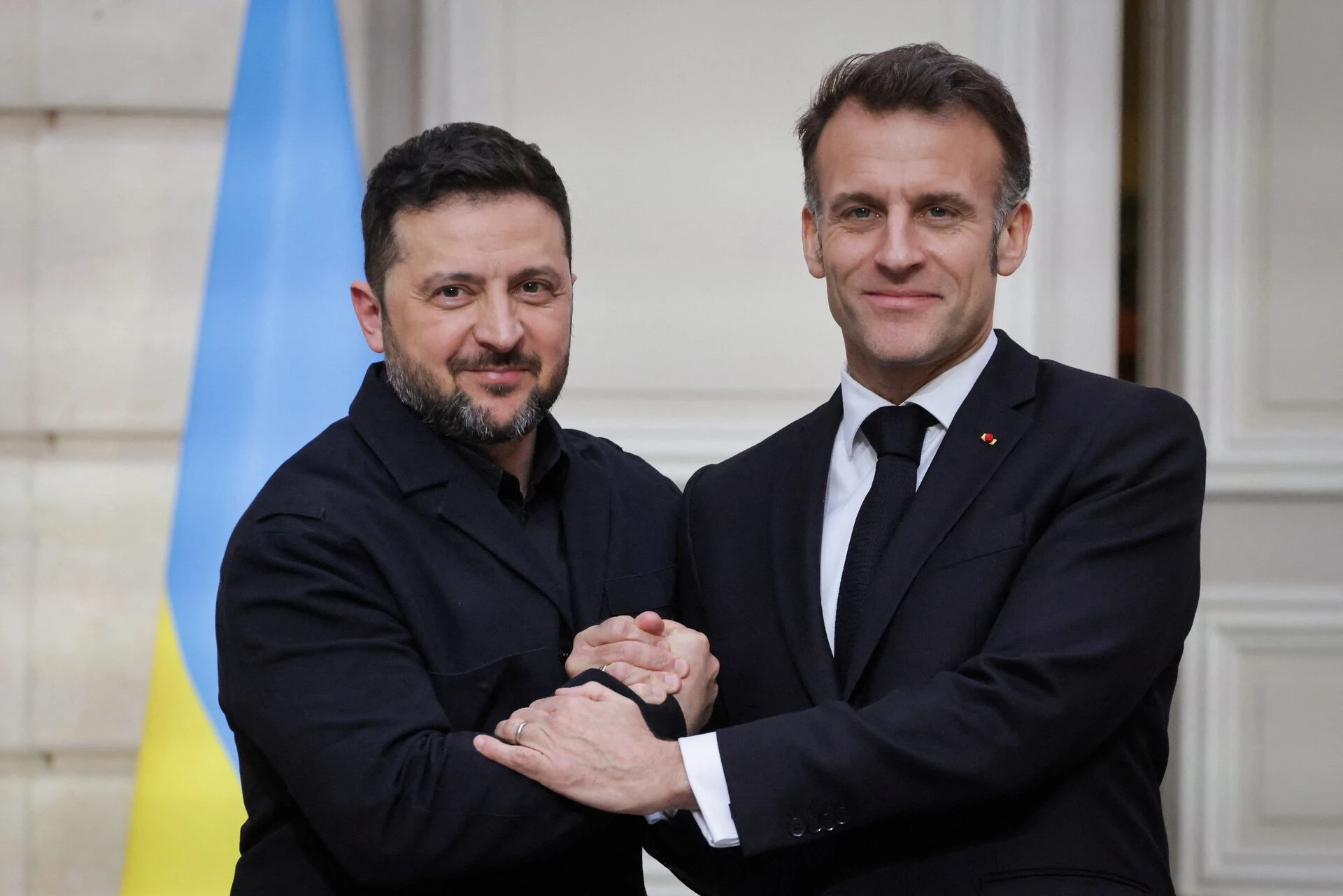
Ukraine’s foreign minister, Andrii Sybiha, said the assault reflected Russia’s growing reliance on aerial attacks as its battlefield gains slowed. He urged international partners to accelerate deliveries of air- and missile-defense systems, as well as interceptor missiles, arguing that control of the skies will increasingly shape the course of the war.
The strike was the second major attack on Kyiv in the same week. The previous barrage also caused deaths and extensive destruction. The pattern points to a broader shift in Russian tactics: rather than relying only on advances along the front, Moscow is using long-range strikes to wear down infrastructure, pressure civilians and stretch Ukraine’s air-defense network.
Even as the front line remains relatively stable in many sectors, Russia’s air campaign is becoming more intense. Ballistic missiles are among the hardest targets to intercept because of their speed and the extremely limited reaction time they allow. That makes additional Patriot batteries and other advanced defense systems central to the security of Ukraine’s cities.
The latest attack reinforces a wider reality of the war: the battle for the air has become a strategic front of its own. The effectiveness of missile defense now determines not only whether critical infrastructure survives, but also whether thousands of civilians can endure another night without becoming casualties of the next strike.