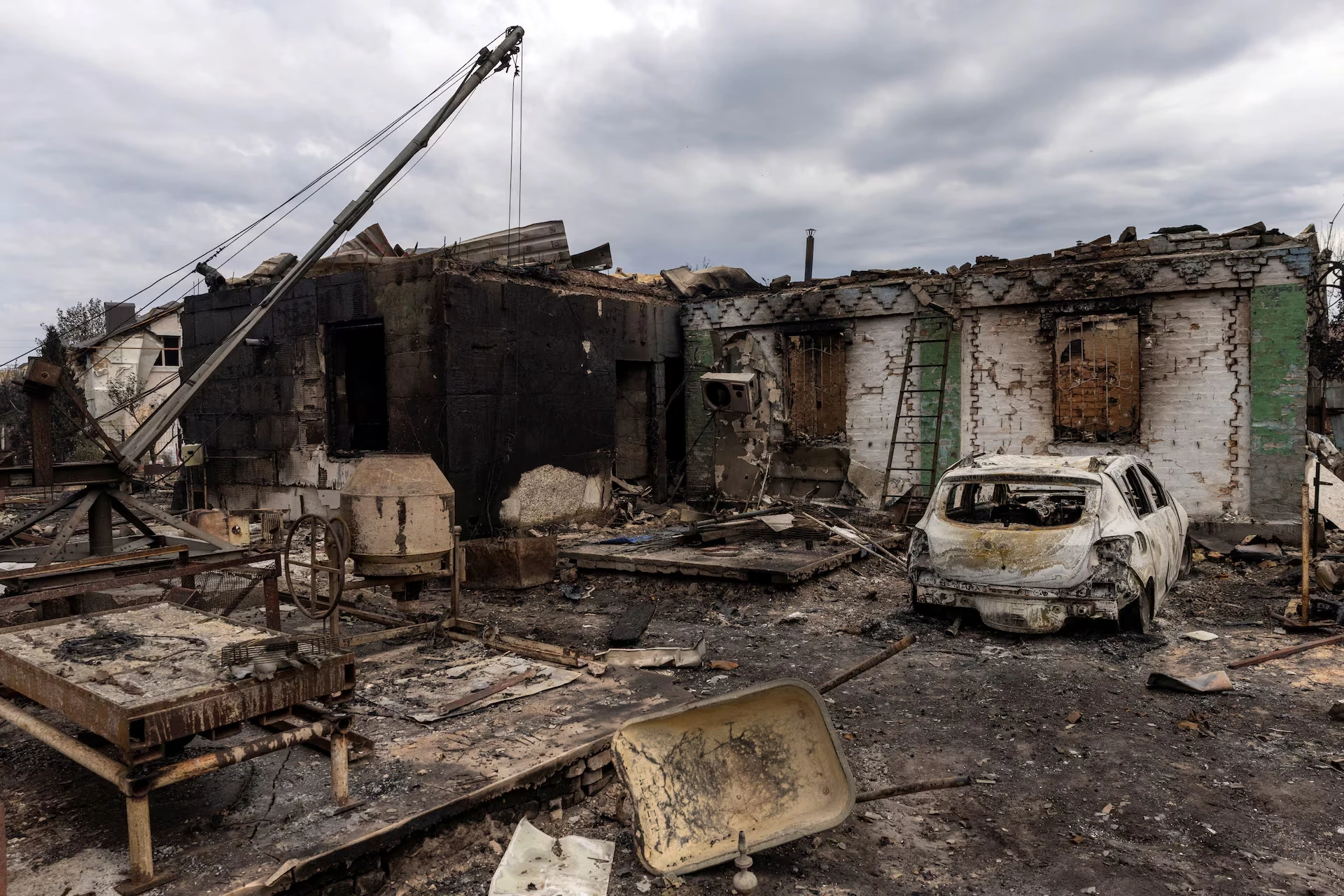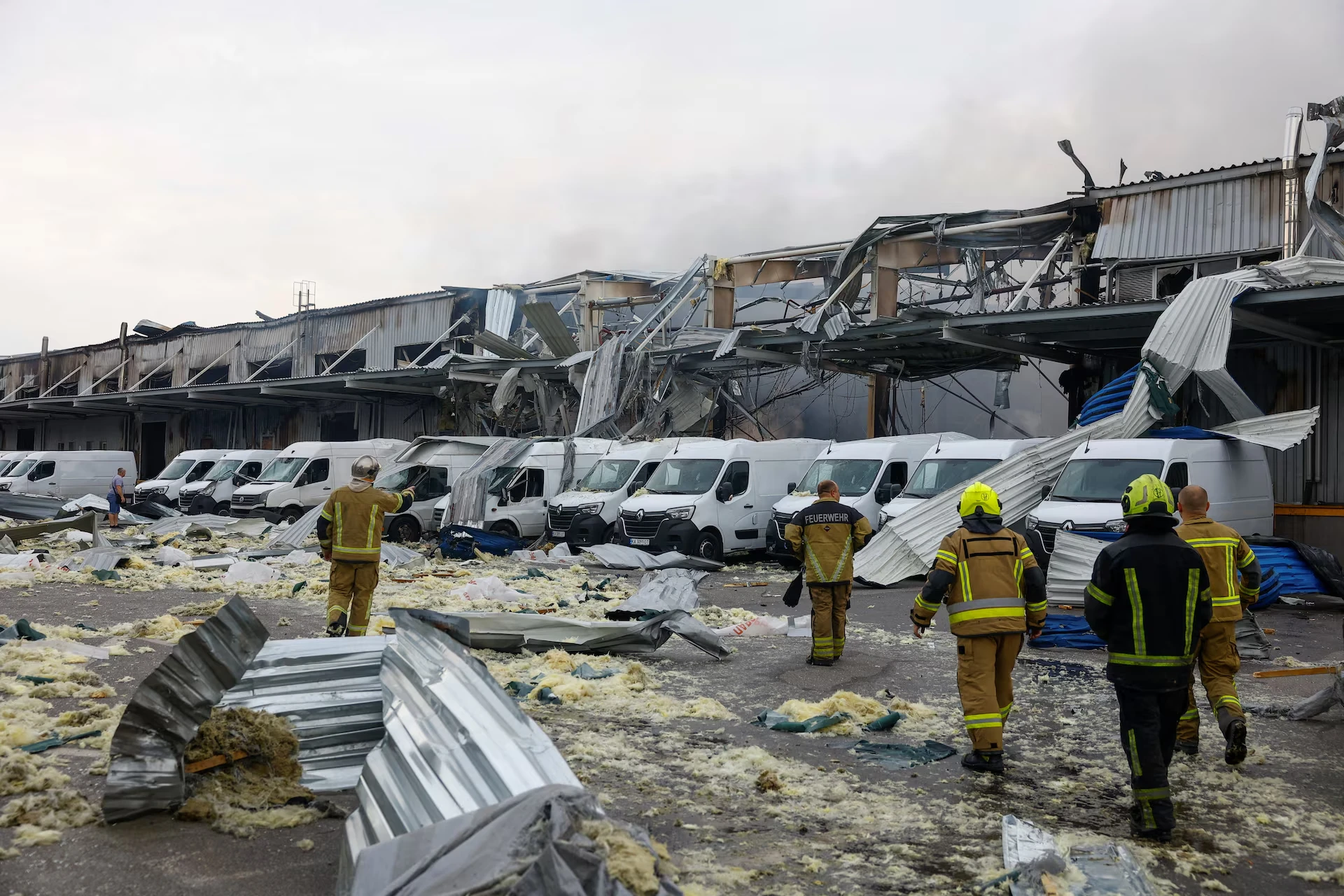






















Russian attacks on three major Ukrainian cities on Monday killed at least 10 people and wounded dozens more. Dnipro, Zaporizhzhia and Kharkiv came under fire within the same day, and the geography itself carried a message: Russia is applying pressure not only along the front line, but against industrial centers, transport routes and civilian infrastructure.
The highest death toll was in Dnipro. A missile strike killed six people and wounded 29. Infrastructure, a business, a school, private homes and cars were hit. For a city that serves as a major logistics and humanitarian hub, such attacks have a double purpose: to damage the physical space and to create a permanent sense of danger.
In Zaporizhzhia, a Russian drone struck a minibus. Two men and a woman were killed, and eight people were wounded, including a 7-year-old boy. Later, seven more people, including two children, were injured when a drone exploded near a bus. A strike on public transport has a particular cruelty: it hits the route of ordinary life, not a military map.
According to Daycom’s earlier analysis, attacks of this kind show how increasingly Russia treats cities as spaces of exhaustion. Dnipro, Kharkiv and Zaporizhzhia are not random points on the map. They are major industrial, transport and administrative centers, without which national resilience is measured not only at the front, but also by the ability to hold the rear together.
In Kharkiv, a guided aerial bomb killed a 23-year-old woman and wounded 10 people. The blast damaged a tram and more than 15 cars. Less than an hour later, another guided bomb reached the city but failed to detonate. For Kharkiv, this is no longer an exception, but a recurring reality: the city lives under constant threat because of its proximity to the Russian border and the short time between launch and impact.
The three attacks differed in weapon type, but followed the same logic. A missile against Dnipro, a drone against a minibus in Zaporizhzhia, an aerial bomb against Kharkiv — these are parts of one system of pressure. Russia combines long-range strikes, unmanned aircraft and glide bombs to stretch Ukrainian air defenses and force cities to live in a state of permanent emergency response.
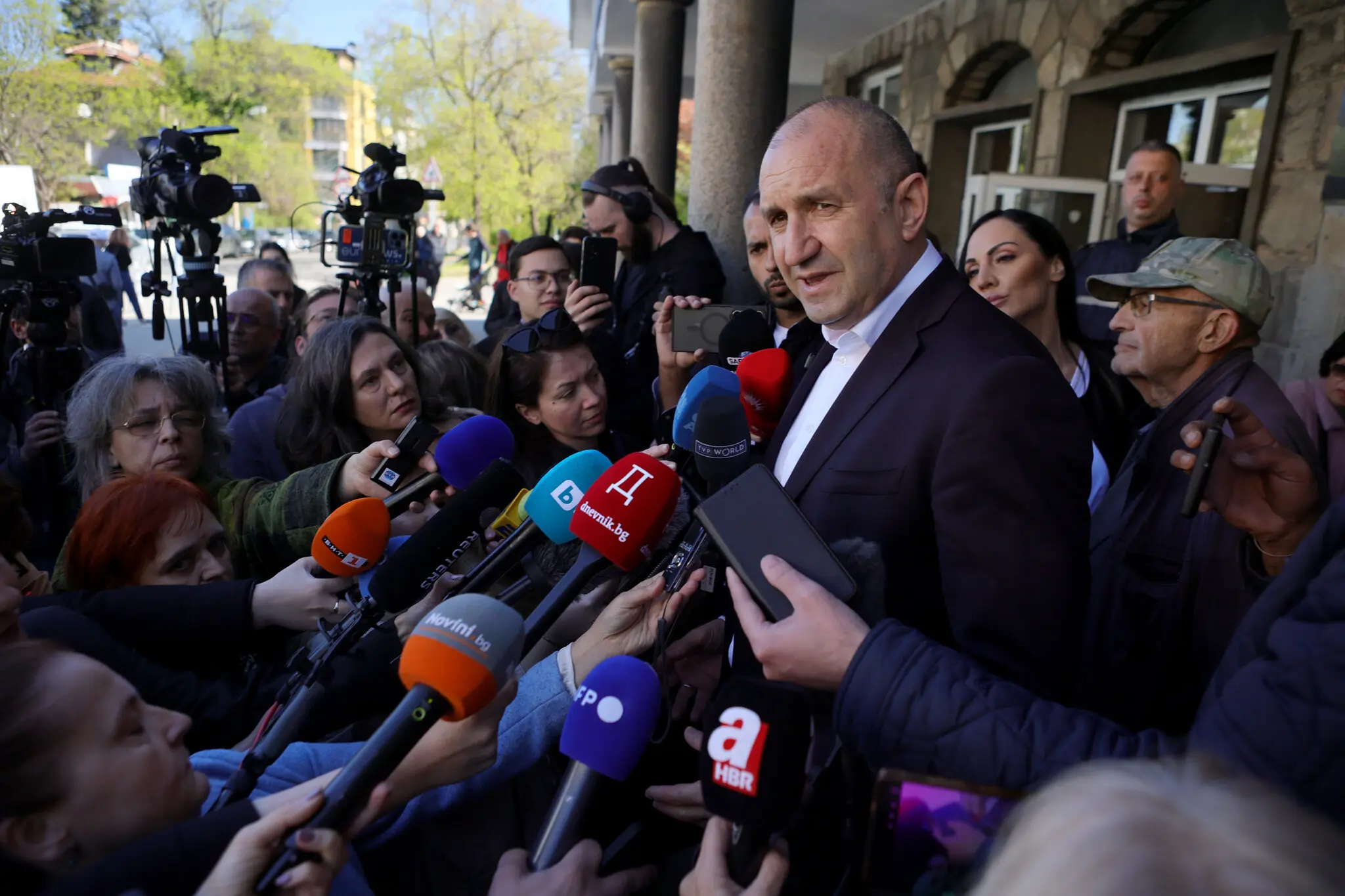
That is why Volodymyr Zelensky, after the strike on Dnipro, stressed the need for European anti-ballistic defense. For Ukraine, this is not an abstract defense program, but a matter of daily urban survival. Missile attacks expose the limits of existing systems: without more interceptors, radars and modern complexes, every air alert remains a race against time in which the cost of failure is human life.
The appeal is addressed not only to Ukraine’s allies, but to Europe itself. Ukrainian cities are now the place where the future security architecture of the continent is being tested. If industrial centers can be systematically struck with missiles and aerial bombs, air and missile defense stops being a narrow military issue. It becomes the basis of political resilience.
Dnipro has long meant more in this war than a regional capital. It is a city of hospitals, evacuations, production, volunteer routes and military logistics. A strike on Dnipro affects not only a particular district, but the entire network of aid, movement and support for the front. That is why an attack on a school, a business and housing is also an attack on the normality the city is trying to preserve.
Zaporizhzhia lives under a different but equally harsh logic. It lies close to the front line and the occupied part of the region, making it a constant target for drones, missiles and artillery pressure. When an unmanned aircraft hits a minibus, the war enters the most ordinary space of all — the road people take to work, home, a doctor or relatives.
Kharkiv, in turn, is a city where the Russian aerial threat has become almost chronic. Guided bombs are among the most dangerous tools of pressure against front-line and border areas. They do not require Russian aircraft to penetrate deeply into Ukrainian airspace, but they can destroy urban neighborhoods and keep residents in permanent fear.
All these strikes share another feature: they overload civilian services. After every explosion, the city activates several systems of survival at once. Rescuers clear debris, doctors receive the wounded, police cordon off districts, utility workers restore movement, and local authorities search for temporary shelter for those who have lost homes or transport.
This is what modern urban attrition looks like. It is not always measured in captured kilometers. Often its results are broken routes, closed schools, shattered cars, damaged trams, burned buses, hospital queues and the psychological fatigue of people who cannot plan their day beyond the next air alert.
Zelensky promised a response to all the strikes, emphasizing that it should affect the Russian state system and Moscow’s ability to drag out the war. The wording matters. Ukraine is increasingly describing its response not as emotional revenge, but as systematic pressure on resources, logistics, defense infrastructure and the governing capacity of the aggressor state.
Moscow usually denies intentionally striking civilians, but the reality in Ukrainian cities tells another story. When a school, a tram, a minibus, private homes and cars are hit, the distinction between a military target and civilian space is no longer a legal abstraction. It becomes a matter of human survival.
That is why every such attack has an international dimension. It speaks not only about Ukraine, but about the limits of Western assistance, the pace of interceptor missile production, Europe’s political will and the ability of allies to think beyond a single support package. Missile defense is needed not after the next strike, but before it.
Monday’s attacks on Dnipro, Zaporizhzhia and Kharkiv again showed that Russia is not confining the war to the front. It strikes large cities because it understands that urban resilience is part of Ukraine’s defense. If a city works, treats the wounded, moves people, teaches children and restores itself after an attack, it is not merely surviving. It is preventing the war from achieving its political purpose.
These 10 deaths are therefore not just a tragic number in another daily wartime report. They are a reminder that Russia’s war against Ukraine continues as a struggle over society’s ability to remain composed under attack. Russia is trying to make normal life impossible. Ukraine responds by raising its cities again after every explosion, treating the wounded, repairing routes and demanding from Europe the protection that matches the scale of the threat.