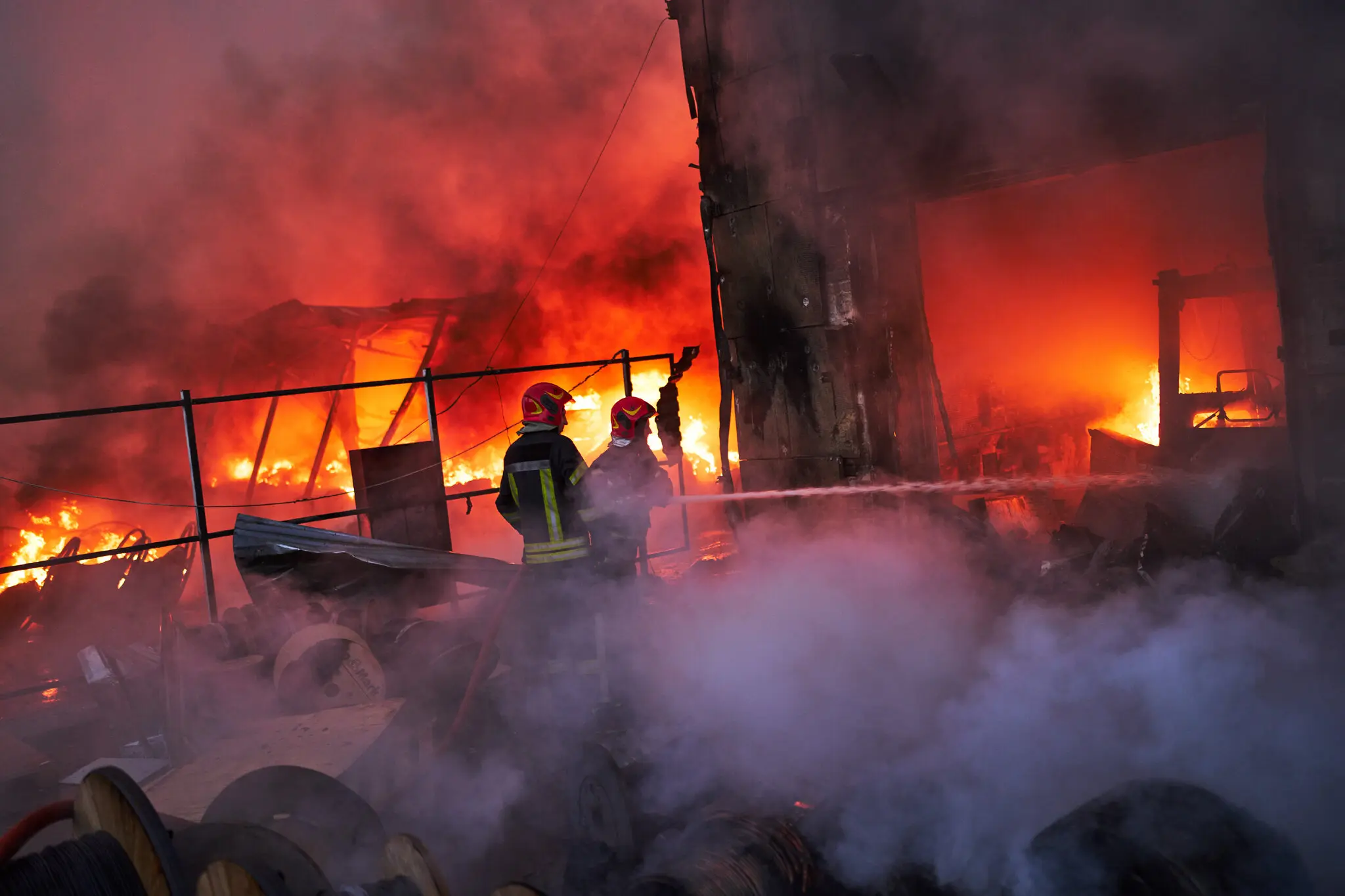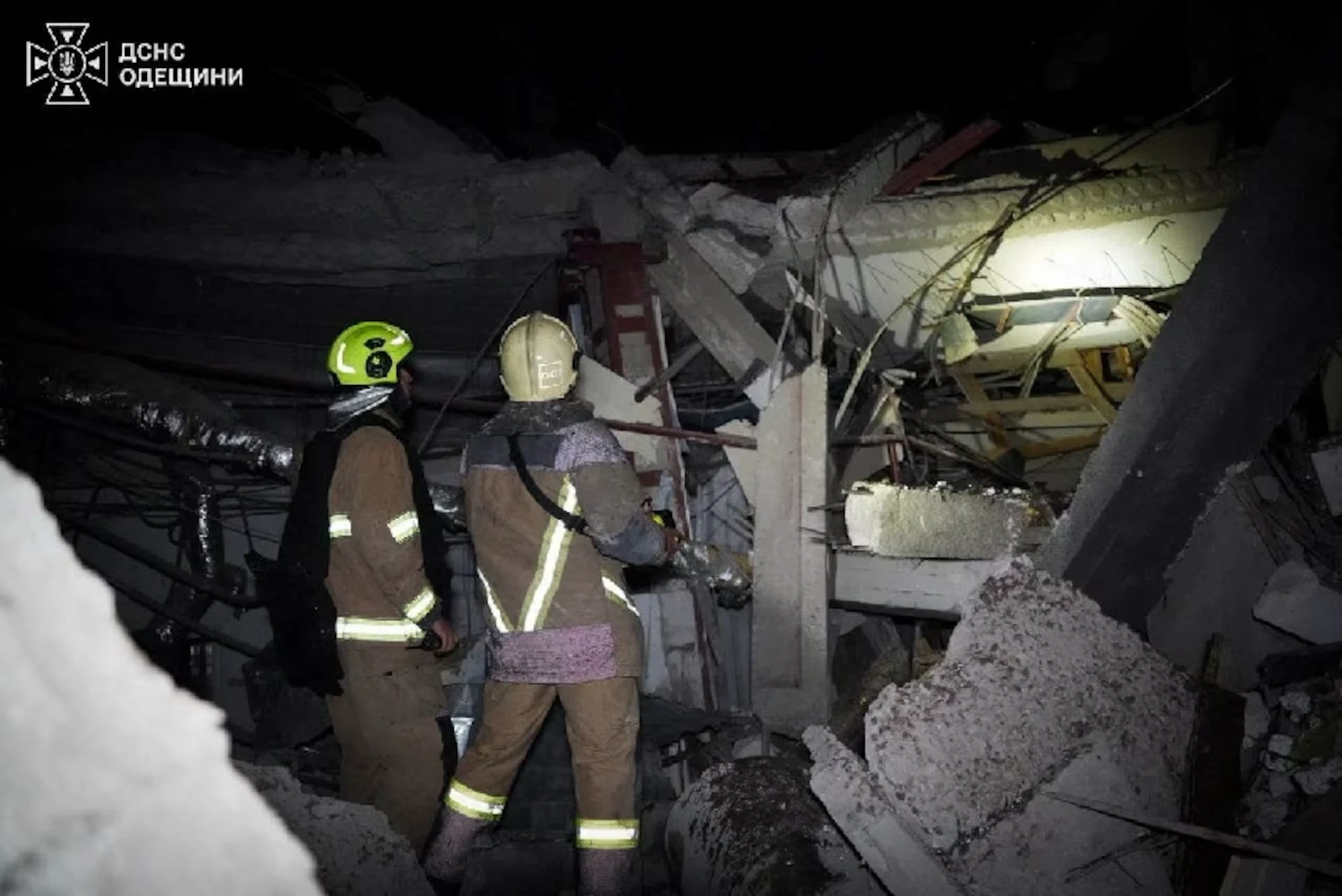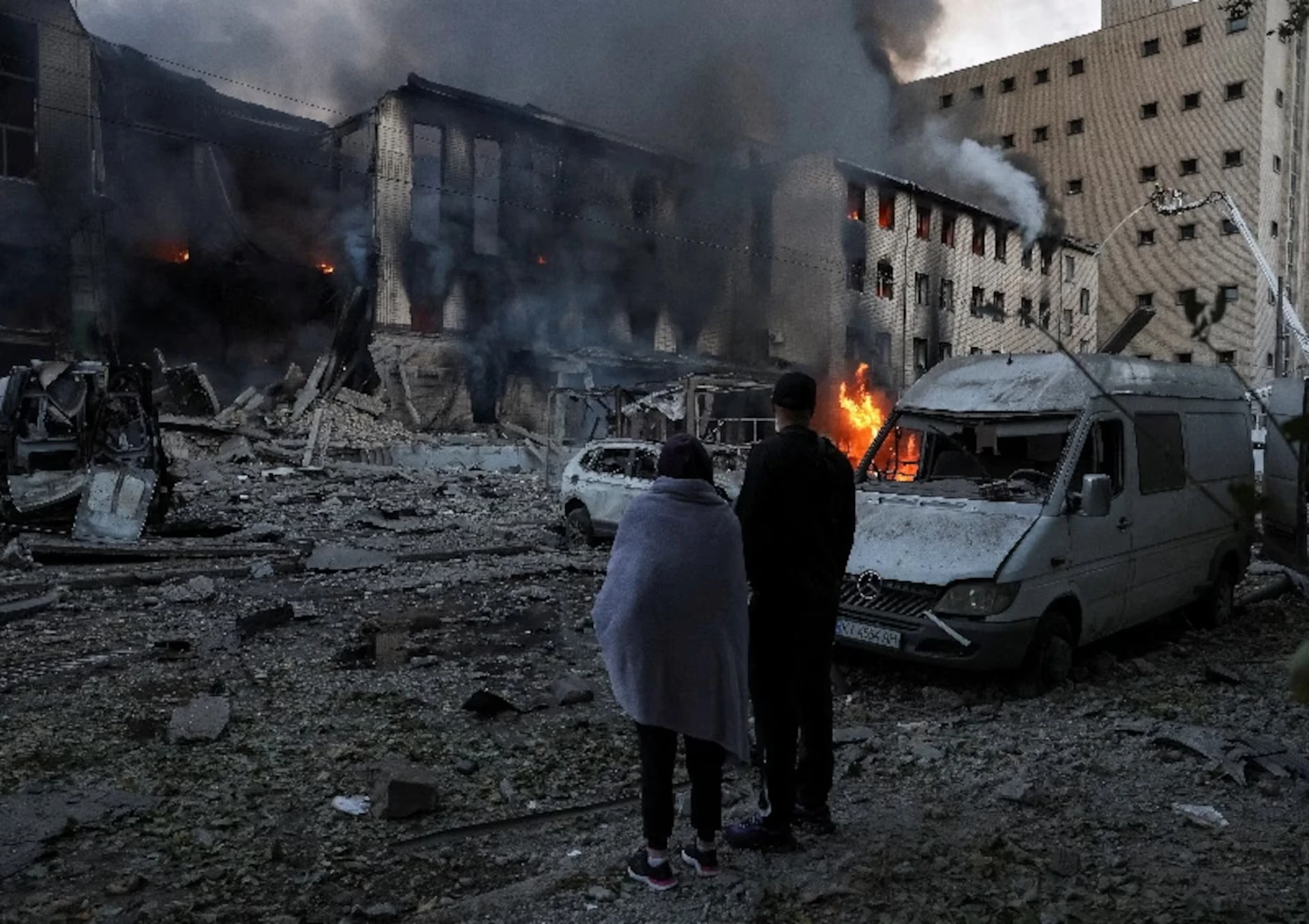
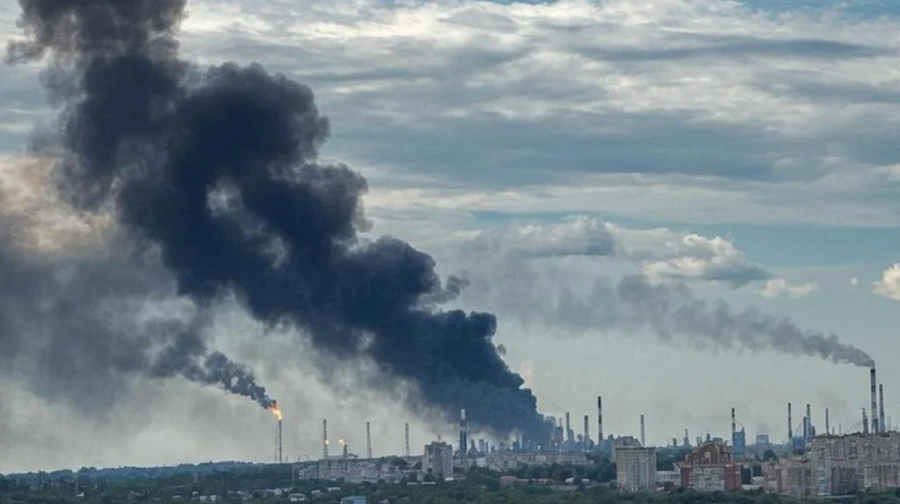


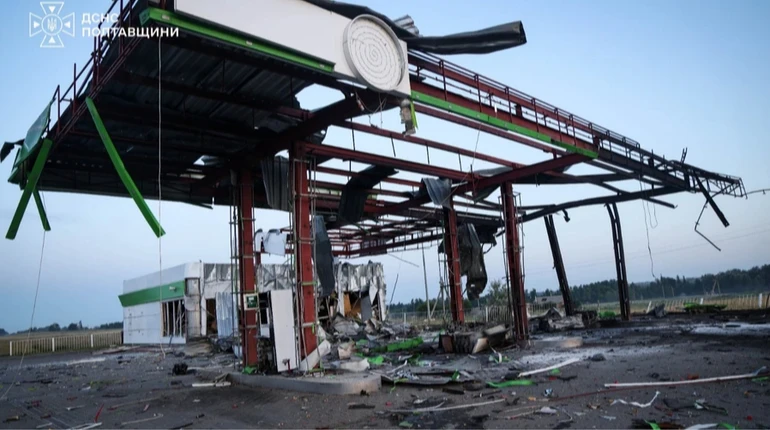



















Ukraine’s export economy is once again pressing against its most fragile wartime chokepoint: the Black Sea ports. Russian strikes on the Odesa port hub have damaged terminals that handle the country’s core flows of grain, sunflower oil, agricultural goods and iron ore.
This is not a matter of isolated destruction that can be fixed with emergency repairs. The target is a system that generates a major share of Ukraine’s export earnings. All iron ore shipments and more than 90% of the country’s agricultural exports move through the three ports of the Odesa hub.
That is why the current wave of attacks has both military and economic logic. Moscow is not merely trying to damage warehouses or piers. It is trying to sever the chain linking Ukrainian farms, port terminals, hard-currency inflows and the global food market.
In Daycom’s earlier analysis, the Odesa port hub has remained one of the central nerve points of Ukraine’s wartime economy. When strikes hit grain terminals, elevators, sunflower oil storage tanks and logistics facilities, the consequences extend far beyond one region.
Agriculture depends on speed. Grain has to be harvested, transported, stored, loaded and sold. When port infrastructure is knocked out, this chain slows down or stops. Storage sites fill up, contracts come under pressure, and farmers lose liquidity precisely when they need working capital for the next sowing campaign.
Ukraine has already exported more than 34 million metric tons of grain in the 2025/26 season. A year earlier, exports over the same period stood at 38.6 million tons. The gap does not yet look catastrophic, but the trend is dangerous: every new strike reduces not only current shipments but also the system’s ability to recover quickly.
The deeper problem is the exhaustion of resilience. Businesses have spent months repairing damaged facilities under the risk of new attacks. But an endless cycle of destruction and reconstruction cannot be financed by private companies alone. Terminals need insurance tools, a state support framework, access to external funding and clear compensation rules.
This is especially important for companies handling grain, oilseeds and sunflower oil. These commodities form the core of Ukraine’s agricultural exports. Their logistics depend on specialized infrastructure: warehouses, silos, loading lines, laboratories, power systems and berth facilities.
Damage to a single element can halt an entire route. Even if grain is stored in an elevator, without stable access to a functioning port it does not become an export shipment. Even if a contract has been signed, the loss of terminal capacity turns it into a risk of penalties, vessel delays and lost buyers.
A separate danger is the accumulation of produce inside the country. If maritime exports fall sharply, domestic storage will fill quickly. That would push down farmgate prices, weaken agricultural liquidity and leave producers short of funds for fuel, seed, fertilizers and machinery before the next field season.
For the state, this means a blow to foreign-currency earnings. In wartime, exports are not just a trade indicator. They support the balance of payments, tax revenues, employment in related sectors and the broader ability of the economy to withstand a long war.
The port infrastructure of the Odesa region has long become more than a transport corridor. It functions as an economic valve through which Ukraine moves output from its central, southern and eastern regions to global markets. When that valve is narrowed by strikes, pressure builds across the entire system.
Ukraine’s transport-sector recovery needs were assessed at $96.3 billion as of the end of 2025. About 60% of transport-related losses were linked to disrupted access to ports. The figure captures the scale of the problem better than any political formula: port logistics have become one of the costliest fronts of the war.
The international dimension is no less important. Ukraine remains a major grain supplier to the global market. When its exports shrink, the effect reaches prices, food availability and the stability of countries that depend on imports of wheat, corn and vegetable oil.
That is why attacks on Odesa’s ports are not only a Ukrainian problem. They create risks for food security, maritime trade and confidence in Black Sea routes. Every destroyed terminal means more than lost concrete, steel or equipment. It means delayed vessels, weaker export revenues and a poorer negotiating position for producers before the next season.
Ukraine has already shown that it can restore exports even under wartime pressure. But this stage requires more than emergency improvisation. Without rapid support for terminals, protection of port energy systems, repair funds and financial guarantees, the maritime corridor may lose part of its carrying capacity.
At that point, the problem would no longer be technical. It would become strategic. An export collapse would hit farmers, traders, port workers, the budget and foreign buyers at the same time. That is the pressure Russia is trying to create: to turn Ukrainian grain into a hostage of war and Black Sea ports into a permanent instrument of economic coercion.
The way out lies in moving quickly from crisis response to a long-term model of resilience. The ports of the Odesa region must be not only repaired, but also protected financially, technically and organizationally. Today they are holding more than an export route. They are holding one of the main pillars of Ukraine’s wartime economy.