
















On Saturday, April 18, Kyiv suffered another trauma — this time not from an air raid alert, but in the middle of an ordinary city day. In the Holosiivskyi district, an armed man opened fire on people in the street and then ran into a supermarket, locking himself inside. A city long accustomed to living under constant threat froze for several hours before an internal one as well.
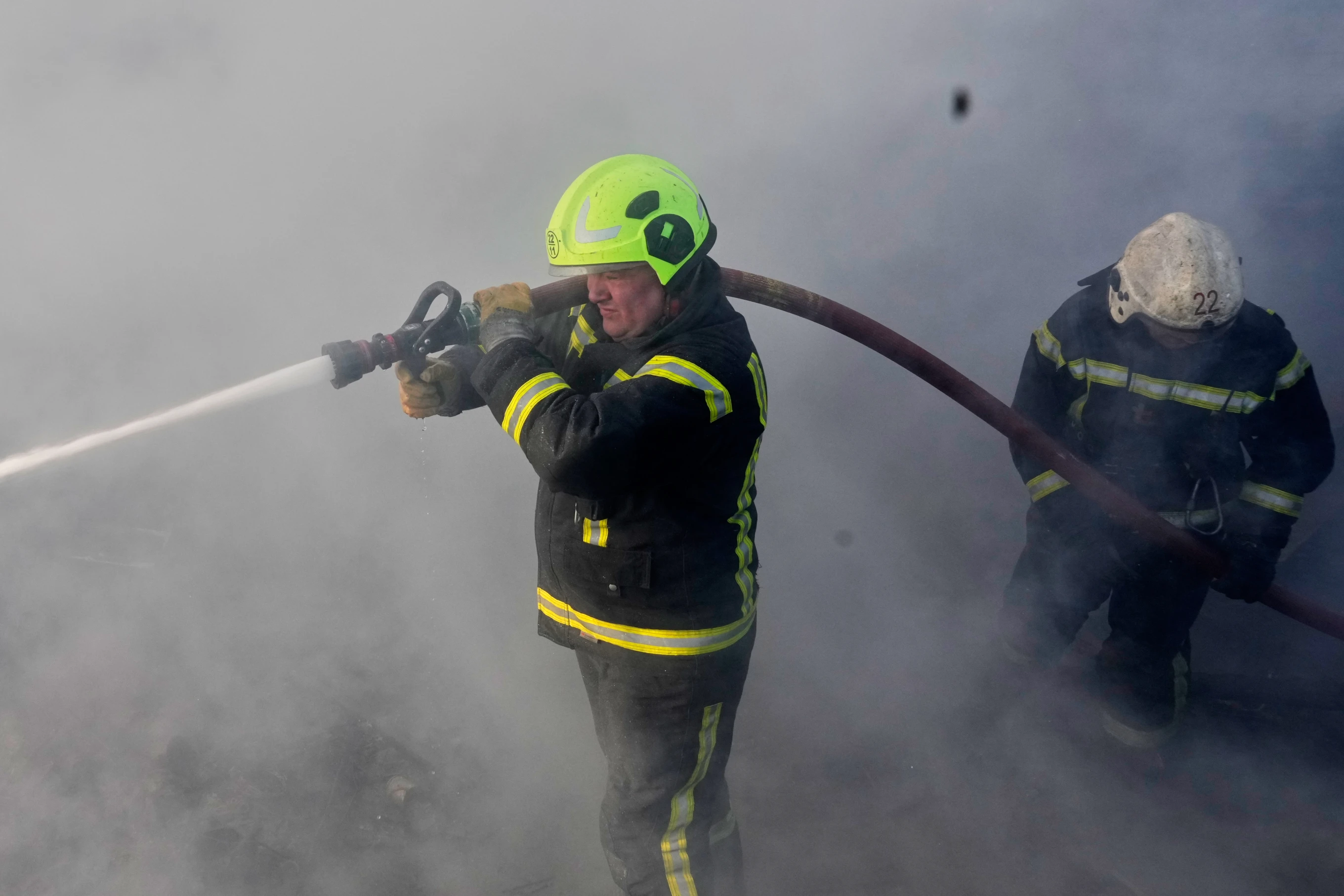
The first reports of the shooting came from the Demiivka area. According to preliminary information, the attacker fired at passersby and then took shelter inside the supermarket building. Police immediately cordoned off the area, while special units, medics and additional patrols arrived on the scene. The neighborhood around the store turned into the site of a live special operation, where every minute could shift the balance between rescue and further loss.
At first, reports spoke of one person killed and several wounded. But within the next hour, the scale of the tragedy became clearer. The number of victims grew, and updates from the scene became increasingly alarming. Among the wounded was a child, who was rushed to hospital. Adults were treated on site while security forces tried to contain the shooter.
According to Daycom’s earlier analysis, the deepest fear in a large city today is born not only from the front line, but from the sudden collapse of ordinary order inside civilian space. That is why the shooting in Kyiv instantly became more than a criminal episode. It struck at the very feeling of everyday safety, which in the capital is already stretched to its limit.
 Кадри з місця стрілянини у Києві 18 квітня 2026 року — Андрій Ходьков
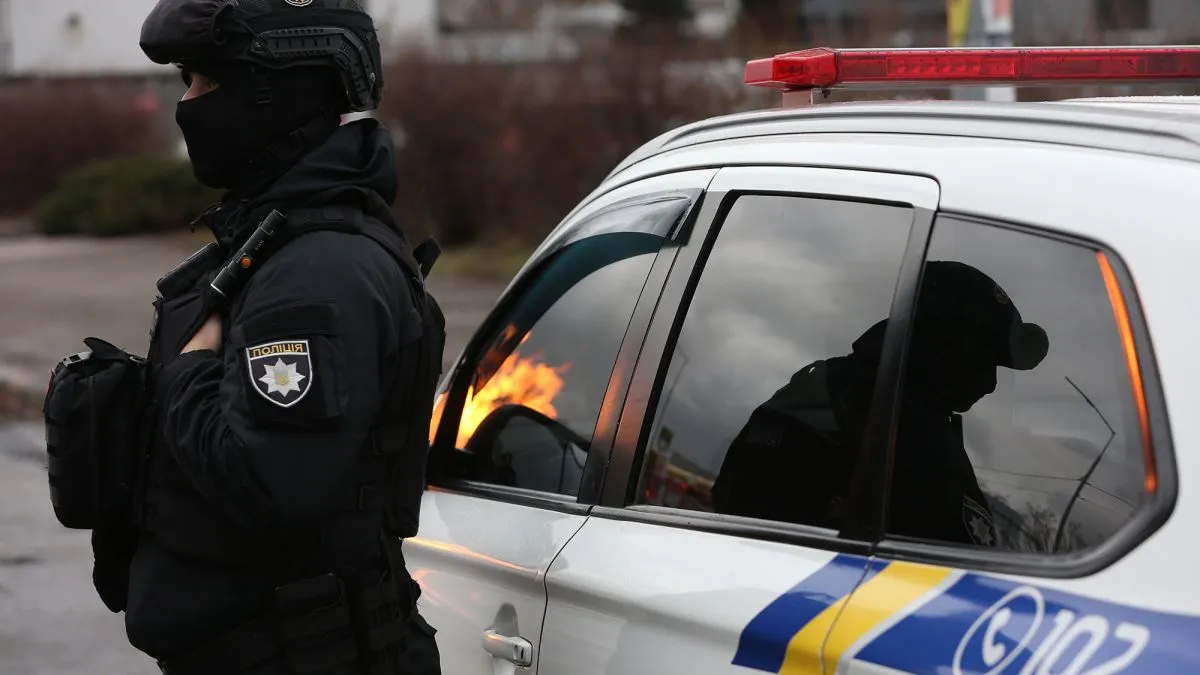
According to оперативе information available in the first hours, the man ran into the supermarket after shooting on the street. Early reports suggested that people could still be inside, and that more shots had been heard from within. Because of that, the police operation quickly moved into its most severe phase: the building was cut off from the outside perimeter, and access to the area was effectively blocked. For the city, it was the moment when an ordinary retail space suddenly became a center of direct danger.
Kyiv’s mayor said the shooting had left several people dead and wounded. By evening, at least two people were known to have been killed and five hospitalized. Among them were a child and a supermarket security guard, after whom the gunman ran inside. These numbers may still be revised, but even now it is clear that this was one of the most high-profile emergency incidents in the capital in recent months.
Part of what made the attack especially disturbing was where it happened: in a crowded urban environment, among random pedestrians, shoppers, store employees and children. Incidents like this carry a different force of public shock than isolated domestic conflicts. They shatter the basic assumption that even in wartime, a city still preserves at least a minimal outline of everyday predictability.
Preliminary witness accounts suggested that the shooter was a man around 60 years old. The motives for his actions remained unknown in the first reports. That uncertainty became the second wave of fear after the gunfire itself. When there is no answer to the question of why, society begins to fill the void with rumors, and the information space fills with speculation that only deepens the sense of panic.
 Кадри з місця стрілянини у Києві 18 квітня 2026 року — Андрій Ходьков
In situations like this, what matters is not only the speed of the police response, but the precision of official communication. Any contradictory detail — hostages, additional gunshots, the number of casualties, the condition of the wounded — spreads across social media immediately and shapes an atmosphere of alarm. That is why every update from the scene in Kyiv was received not as just another news item, but as an answer to the question of whether the bloodshed had been stopped.
In the end, the special operation concluded with the shooter being killed. That marked the end of the immediate danger, but not the end of the story itself. After events like this, a city continues to live not only with the official outcome, but with the shadow of what it has seen: eyewitness videos, sealed entrances, blood on the pavement, and the silence of people who happened to be nearby.
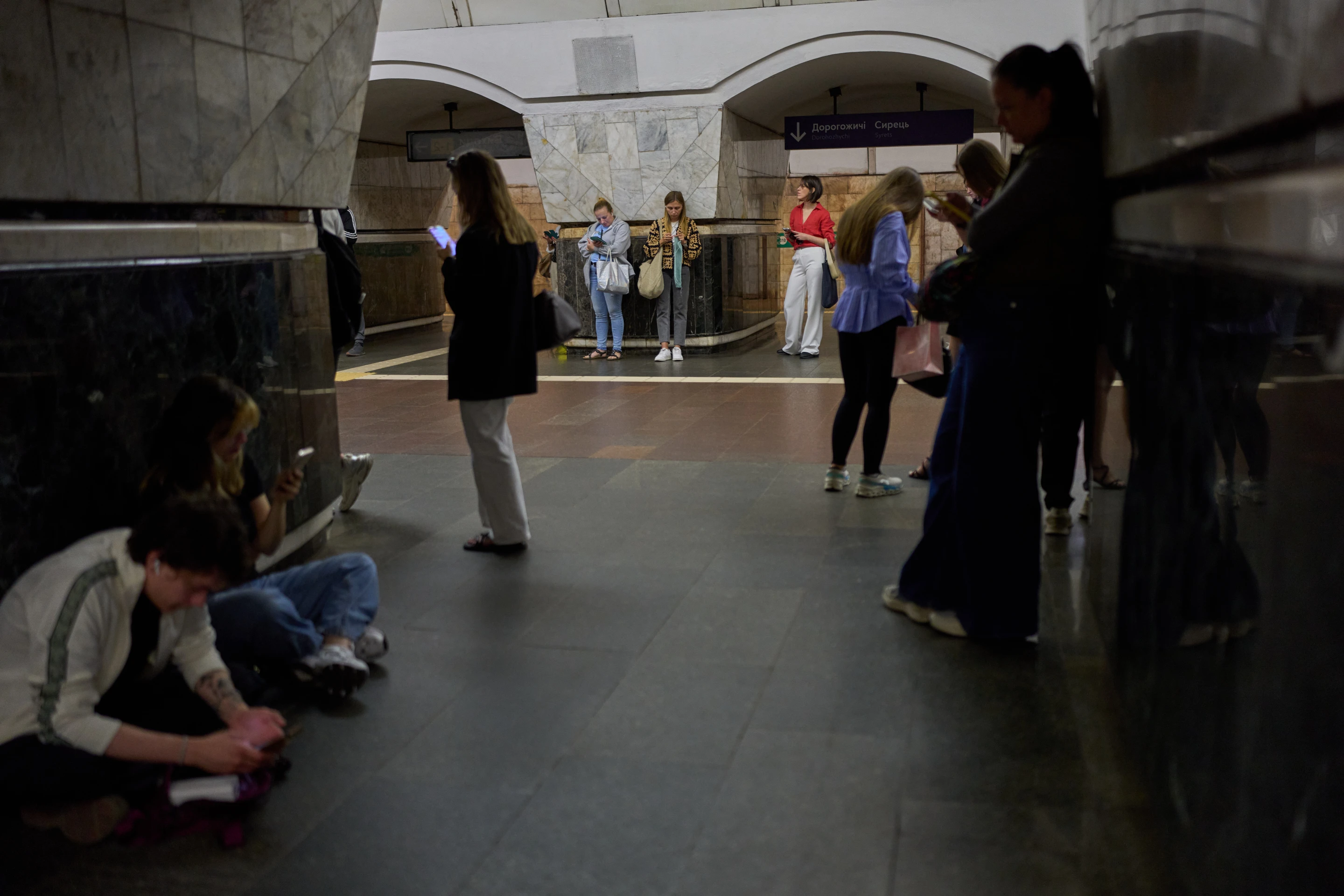
The shooting in the Holosiivskyi district exposed something else as well: Ukrainian cities are now forced to maintain two lines of defense at once. One faces outward — against war, missiles, drones and frontline danger. The other turns inward — against unpredictable violence that can break into a store, a street, a courtyard, into any point of ordinary civilian life.
For Kyiv, this episode became a painful reminder that safety is not only about air defense, shelters and sirens. It is also about the readiness of police for crisis scenarios, the speed of medical response, control over the circulation of weapons, the psychological resilience of society and the state’s ability not to lose control in a minute of chaos. In a single day, in a single district of the capital, all of that stopped being theory and became a matter of survival.
 Кадри з місця стрілянини у Києві 18 квітня 2026 року — Андрій Ходьков
No less important is the way a city experiences such events in public. Resonance does not come only from the number of victims or the scale of the operation. It emerges when tragedy breaks into the space of the ordinary — the road home, a trip to the supermarket, a family walk, a child’s day. That is why the shooting in Demiivka so quickly moved beyond the boundaries of crime reporting and became a symbol of the vulnerability of a large city.
In the coming hours and days, the central task will be to establish the full picture: who the attacker was, what exactly preceded the shooting, how he moved through the city, where he obtained the weapon, whether he had accomplices and whether the tragedy could have been prevented earlier. The answers will shape not only the investigative conclusion, but also the public judgment of how capable the capital’s security system is when faced with such threats.
But one thing is already clear. On April 18, Kyiv experienced not simply an emergency incident, but a moment in which the city lost its sense of normalcy for several hours. Gunfire in broad daylight, a child among the wounded, people trapped in a supermarket, special forces in a residential district, the dead lying in the street — these are images that remain in a city’s memory for a long time.
That is why this story cannot be reduced to a dry formula about the gunman being captured or killed. It is about the fragility of civilian life in a country at war. It is about how the thin line between an ordinary day and collective shock can disappear in minutes. And it is about the fact that after each such tragedy, Kyiv is forced not only to recover, but to become harsher toward the causes that make such violence possible.