
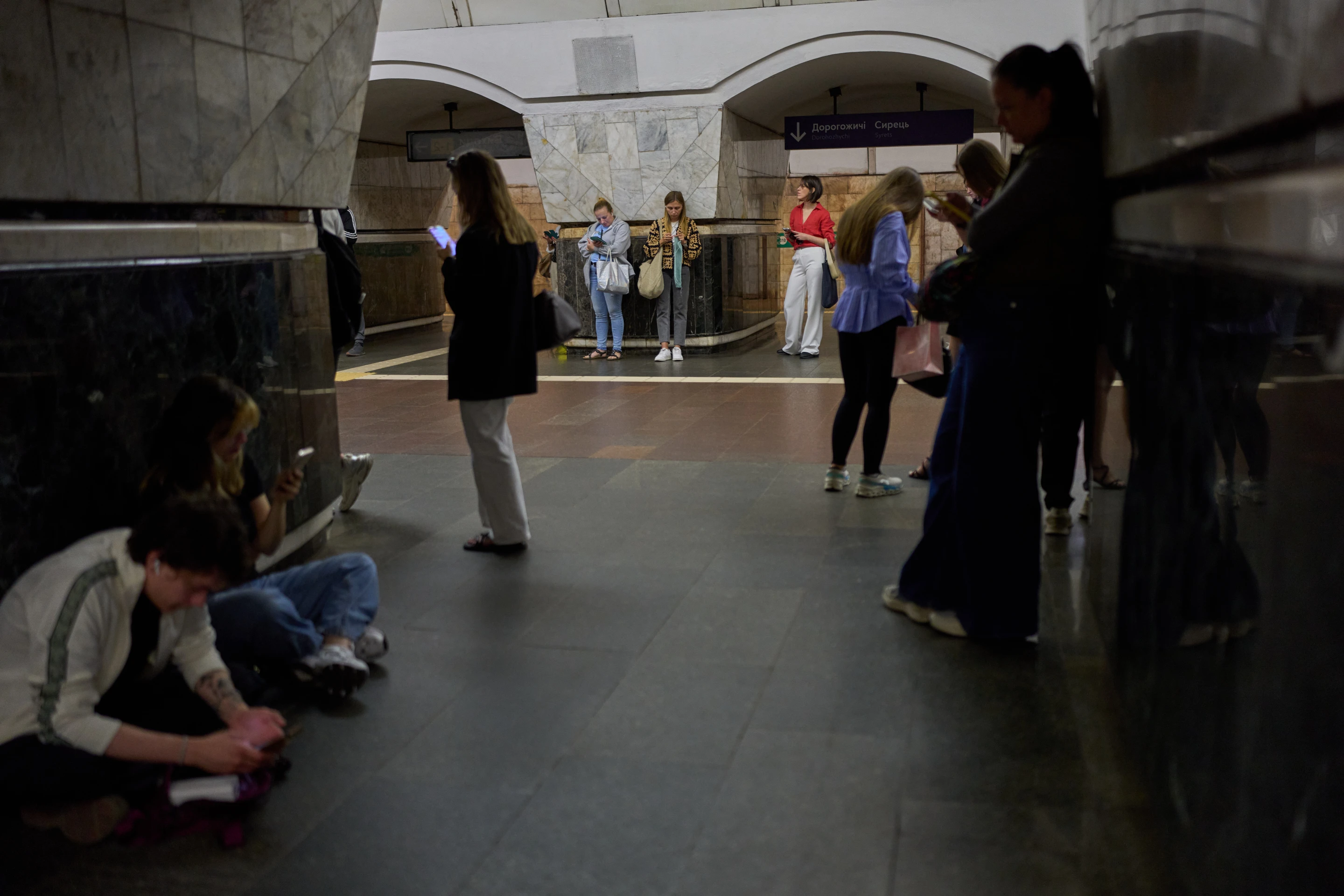
















After repeated massive strikes, Kyiv now lives in a special kind of time — between the siren, the sleepless night and the question that cannot be postponed until morning: when will Russia strike again? For many residents of the capital, danger no longer ends when the air raid alert is lifted.
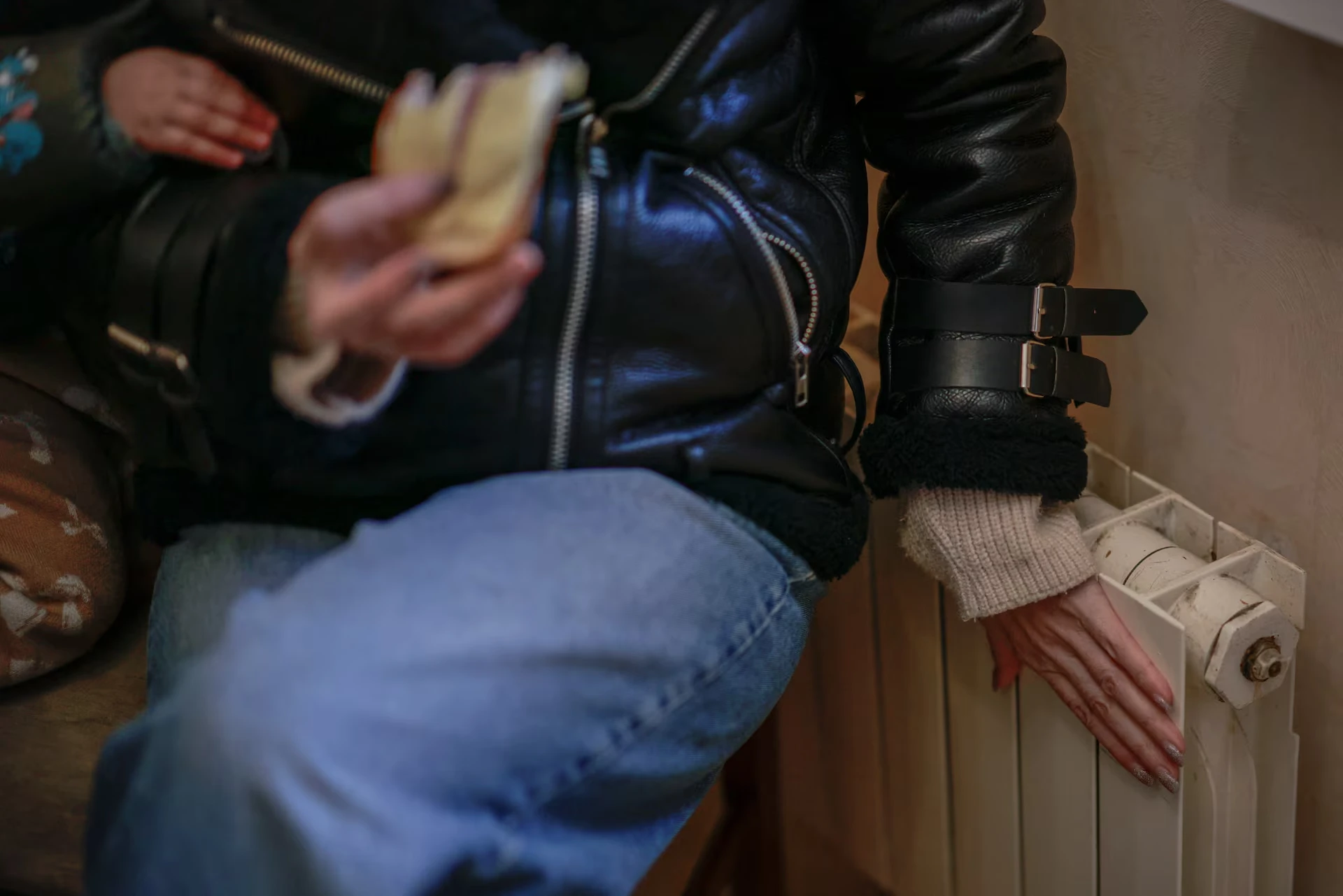
Diana Bobrovska spent a second night in a shelter with her two-year-old son because, after the strike on her neighborhood, returning to ordinary sleep was impossible. Her words about two sleepless nights sound less like a complaint than a diagnosis of a city that is exhausted but cannot afford to relax.
Near the torn-open apartment block, people speak not only about what has happened, but about what may come next. Eight residents were killed in the building. Beside the rubble stands the fear that the next wave may be even heavier, because Russia sees the weak point in Ukraine’s defense.
According to Daycom’s analysis, this anxiety has become a new form of pressure on Kyiv. Russia is striking not only with missiles, but with the expectation of missiles. It is turning night into a psychological weapon and the shortage of interceptors into part of its own military strategy.
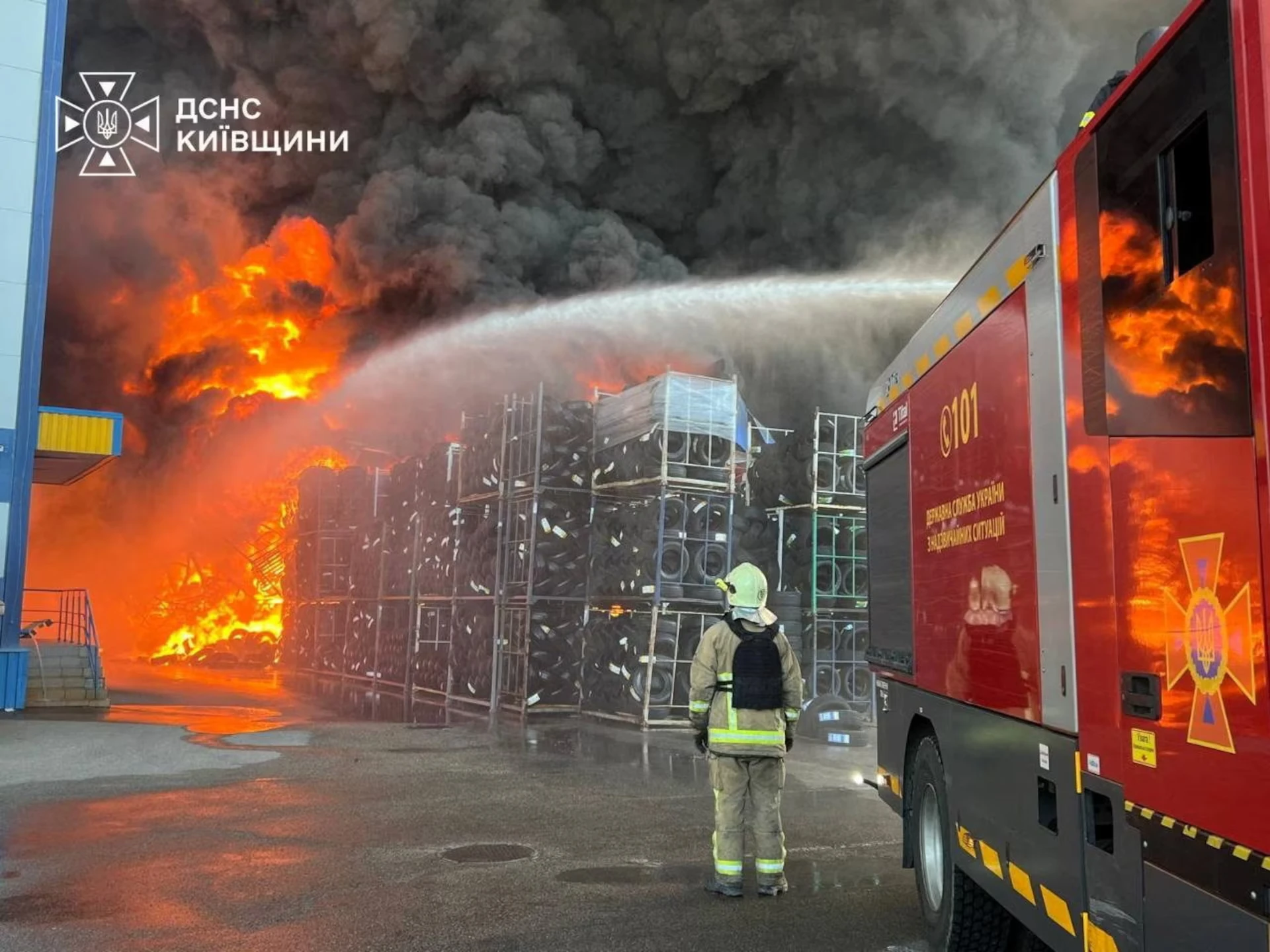
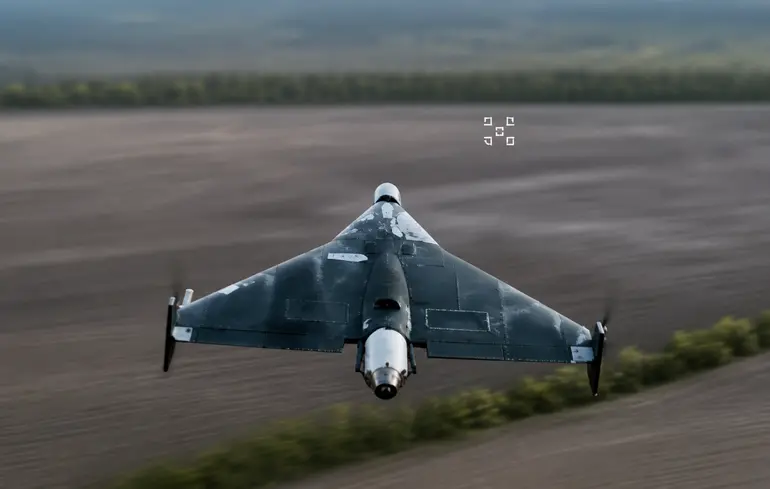
During the latest attack, Ukrainian air defenses were unable to shoot down any of the ballistic missiles launched at Kyiv and the surrounding region. At least 25 people were killed. For the capital, this means a harsh reality: drones and cruise missiles can still be intercepted in large numbers, but ballistic missiles remain the deepest gap.
It is here that Patriot has stopped being merely the name of a weapons system and has become a synonym for the city’s survival. When interceptor missiles are scarce, every nighttime alert takes on a different meaning. People go down into shelters not out of caution alone, but with the understanding that this time the sky may not protect them in time.
In July, Ukrainian defenses shot down only a handful of ballistic missiles out of dozens launched. The statistic sounds dry, but its real measure lies in destroyed entrances, rooms without walls, children’s belongings under dust and people who cannot sleep for a second night after the explosions.
Russia has intensified its air war precisely as its ground offensive increasingly runs into Ukrainian resistance and drone strikes on logistics, oil refining and military hubs create new costs for Moscow. Where the front does not deliver quick results, the Kremlin puts pressure on cities.
This is not accidental. Ukrainian drones strike fuel, depots, ports, occupied Crimea and supply routes. Russia responds by striking Kyiv, trying to return the war to civilian life so that every family feels the price of Ukrainian resistance.
In this asymmetry, the moral line must not be blurred. Ukraine attacks the resource base of an army waging a war of aggression. Russia hits residential buildings where people were sleeping, raising children, preparing for work and thinking about the next day. That is where the difference between defense and terror becomes unmistakable.
Kyiv residents now make decisions that only a few years ago would have seemed unthinkable. Sleep at home or in a shelter. Take a child out of the city or stay. Keep a bag by the door or try to live as though normality can still be held together.
Roman Starostyshyn, a doctor who lives near the destroyed building, described the explosions as the blow of a hammer. He does not rule out taking his family out of Kyiv, even though his work cannot simply be moved online. This is how war forces people to measure not only risks, but the boundaries of their own lives.
His phrase about the darkest hour coming before dawn captures the mood of the capital precisely. Kyiv is not panicking, but it feels that a still harder period may lie ahead. That expectation may be as exhausting as the explosions themselves.
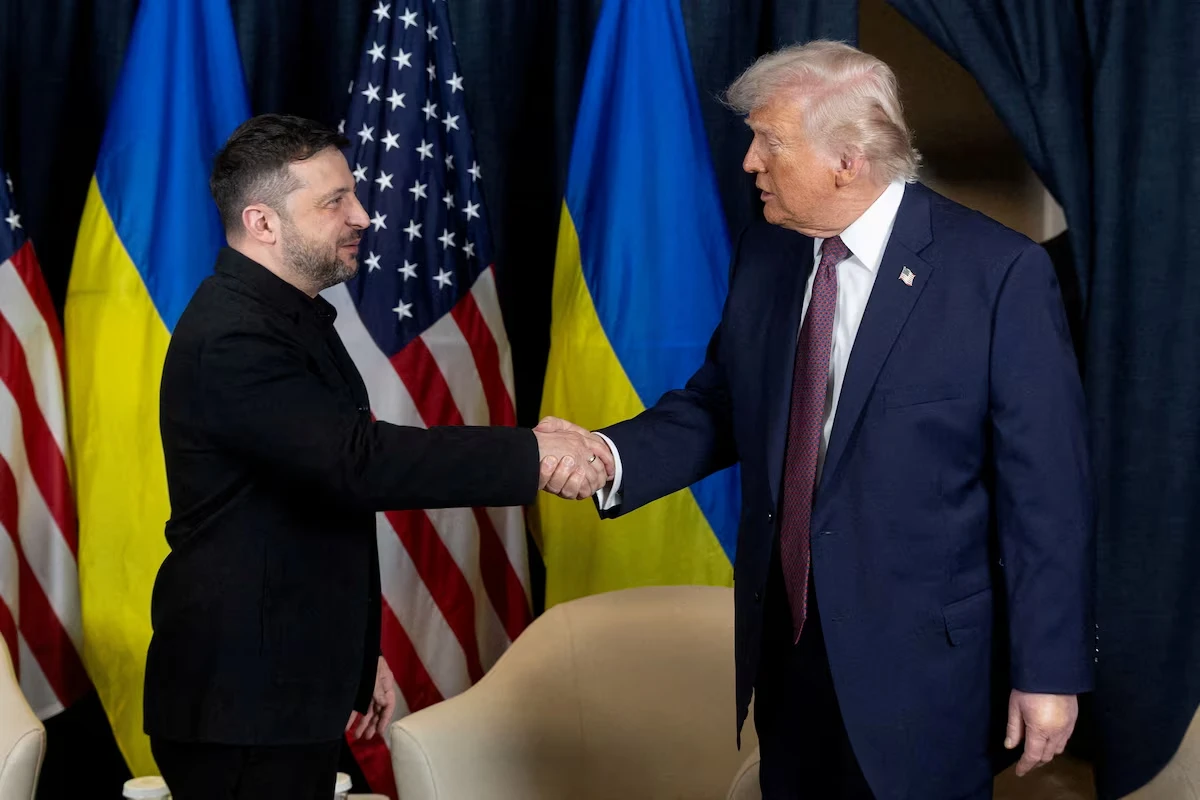
For Volodymyr Zelenskyy, the Patriot issue will again be one of the central questions at the NATO summit in Turkey. Ukraine is not asking for abstract solidarity. It needs specific air defense systems, interceptor missiles, production decisions and the transfer of ammunition from allied stockpiles.
Donald Trump speaks of the possibility of a swift settlement, but after nights like these, peace cannot be separated from the question of the sky. If Russia sees the ballistic gap and uses it against the capital, negotiations without stronger defenses will look like an invitation to renewed pressure.
Vladimir Putin, meanwhile, is showing that he is prepared to continue the war despite Russia’s losses and logistical problems. His demand that Ukraine surrender parts of Donetsk region that Moscow has failed to conquer after years of fighting shows that the Kremlin wants not compromise, but a reward for exhaustion.
That is why Ukrainian society responds with more than fear. In the words of Anastasia Rybak, whose husband is serving, there is the stubbornness of people who do not want to leave for abroad because their country is not a temporary place of residence. She describes the attacks as Russian roulette, but does not draw from that the conclusion that she must flee.
This stubbornness is not romantic. It is tired, sleep-deprived, made of emergency bags, children’s blankets, phone messages and lines to shelters. Yet it is precisely what prevents Russia from turning missile terror into political capitulation.
Kyiv today lives inside an open question. How many more nights can the city withstand without enough interceptors? How many strikes will allies treat as an argument, rather than another tragedy? How much time does the West need to understand that delays in air defense carry a human cost?
Russia is trying to force Ukrainians to wait for the next strike as an inevitability. Ukraine answers by continuing to live, fight and demand the weapons capable of closing the sky. In this war, sleep has become a luxury, but the right to protection cannot be a luxury for a country holding back an aggressor.