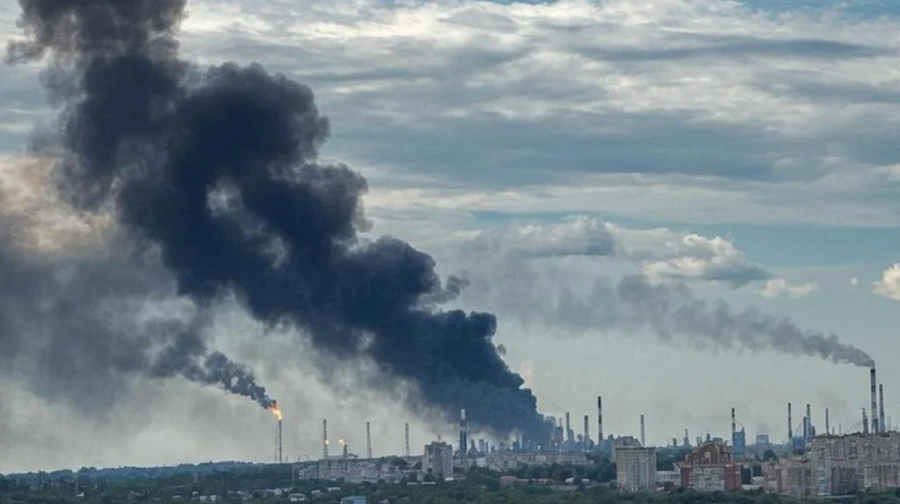























The strike on an Iranian cargo ship in the Caspian Sea marked the moment when years of indirect confrontation between Ukraine and Iran moved into the open. Until now, the two countries had fought through weapons, proxies and logistics. This time, a Ukrainian attack directly hit an Iranian target.
Kyiv said the vessel was carrying military cargo between Iran and Russia. Tehran insisted that it was a commercial ship, reported the death of a sailor and threatened retaliation. The competing accounts do not alter the central fact: the Caspian Sea can no longer be treated as a secure rear-area corridor.
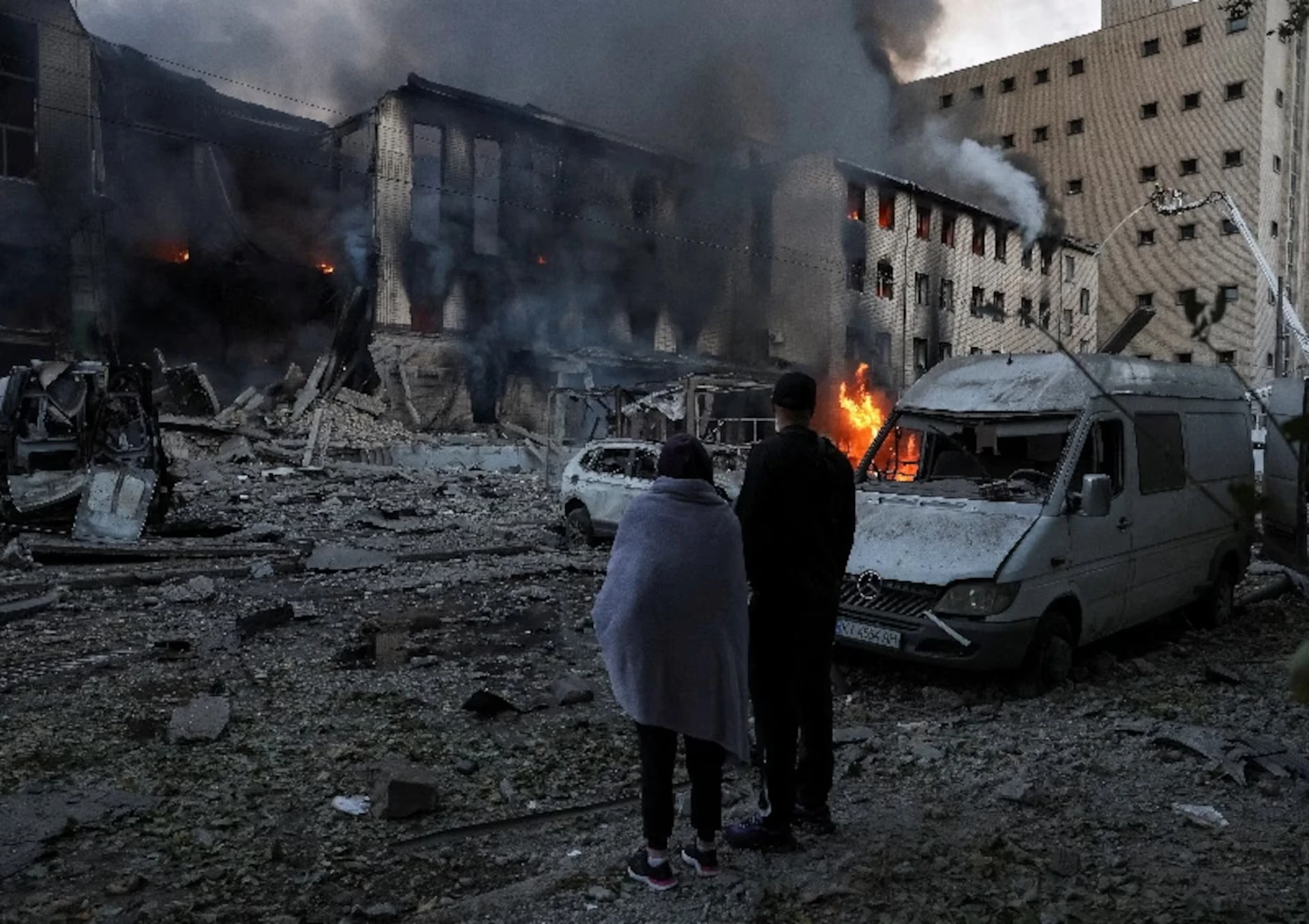
For years, Iran helped Russia wage war against Ukraine without formally entering the conflict. Iranian-designed attack drones gave Moscow a relatively cheap instrument for mass strikes against cities, energy infrastructure and industry, forcing Kyiv to rebuild much of its air-defense system.
In Daycom’s assessment, the Caspian attack represented more than an attempt to disrupt a single shipment. Ukraine was signaling that it is prepared to target the infrastructure connecting Russia and Iran, regardless of how far that network lies from the Ukrainian front.
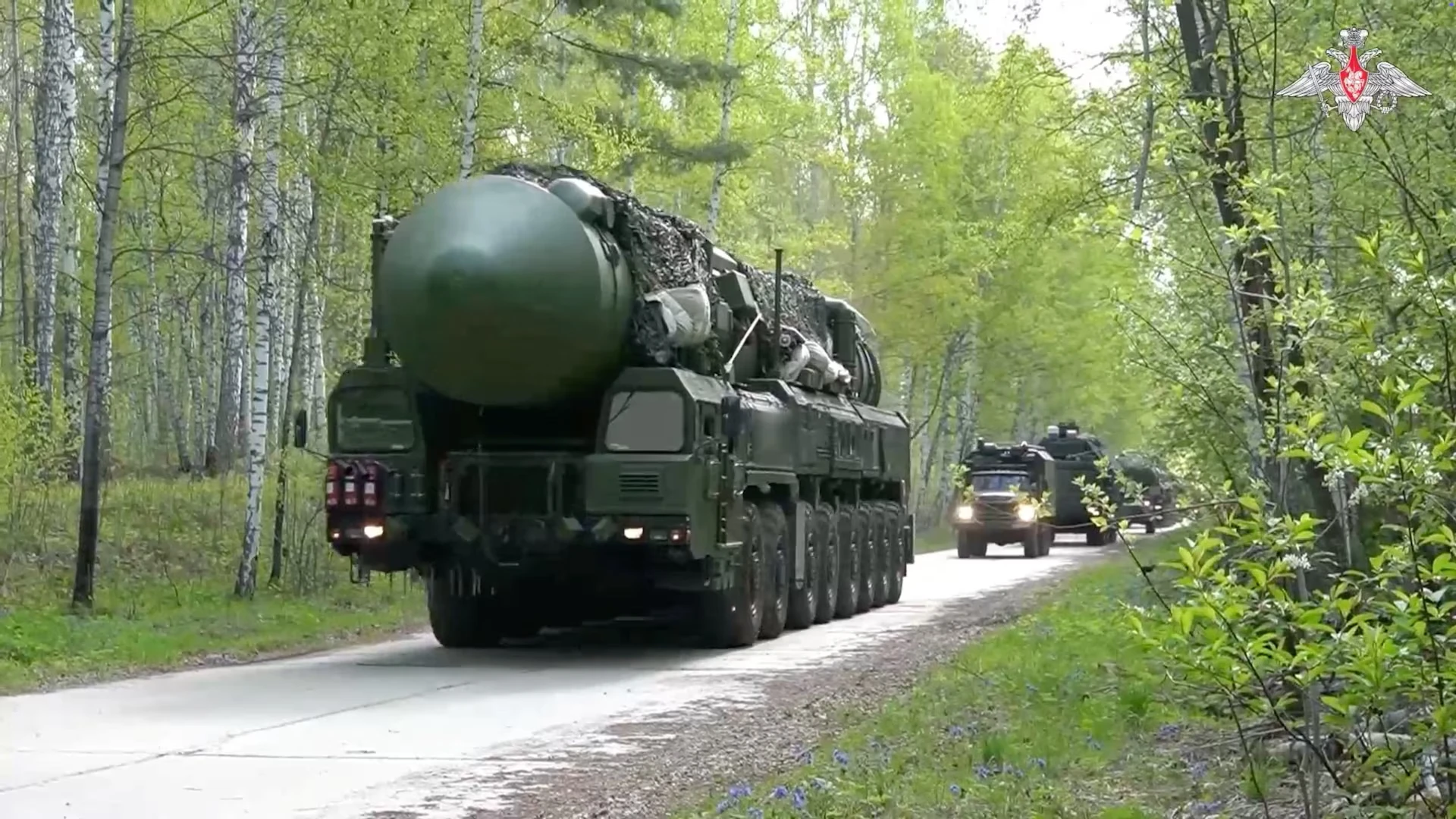
Relations between Moscow and Tehran have a long history, but since 2022 they have become far more operational. Iran supplied attack drones and production technology. The United States also accused Tehran of providing Russia with short-range ballistic missiles.
Ukraine said Iranian instructors had helped Russian forces operate unmanned systems. Tehran denied the allegation, but the widespread use of Shahed-type drones quickly became the most visible symbol of Russian-Iranian military cooperation.
These weapons changed the tempo of the war. Relatively inexpensive drones allowed Russia to launch hours-long waves of attacks, overwhelm Ukrainian defenses and force Kyiv to spend costly interceptor missiles on much cheaper targets.
Ukraine responded with more than additional air-defense batteries. It developed new sensors, mobile fire teams, interceptor drones and increasingly sophisticated systems for coordinating the defense of its airspace. Experience accumulated during nightly attacks became a military product of its own.
When the United States and Israel entered open conflict with Iran, that expertise became valuable in the Middle East. Tehran launched waves of drones against American military targets in Gulf states, reproducing methods already familiar from the Ukrainian battlefield.
Kyiv saw an opportunity to support partners while demonstrating its strategic value to Washington. More than 200 Ukrainian military specialists were sent to the region to help defend against Iranian drones.
Ukraine also concluded defense agreements with Saudi Arabia, Qatar and the United Arab Emirates focused on missile and drone threats. What had once seemed like a specific feature of Russia’s war against Ukraine became a shared security problem across several regions.
Kyiv thus moved from being a victim of Iranian technology to becoming a provider of protection against it. That shift gave Ukraine a new argument in its relations with the United States: its military does not merely consume assistance but possesses operational knowledge that many Western partners lack.
The attack on the ship takes that confrontation to another level. If the vessel was indeed transporting military equipment between Russia and Iran, Ukraine struck not a peripheral target but the material connection between two wars.
The Caspian Sea had long been considered a relatively protected space. It has no direct access to the world’s oceans, and its coastline is divided among five states. Military cargo could move between Iran and Russia without the risks associated with the Black Sea or the Red Sea.
The Ukrainian strike shattered that assumption. It showed that long-range drones can reach routes that until recently lay outside Kyiv’s operational range. Distance no longer guarantees safety, even on an enclosed inland sea.
For Iran, the precedent is especially dangerous. Tehran is already fighting the United States and Israel, protecting nuclear and missile facilities and supporting allied groups across the region. The emergence of Ukraine as a direct adversary widens the geography of the threat.
That helps explain the intensity of Iran’s response. Tehran described the attack as a violation of the United Nations Charter, linked it to Israeli interests and raised the issue with both Russia and the European Union. Its pledge not to leave the strike unanswered increases the risk of further escalation.
Iran’s options, however, are limited. A direct strike on Ukraine would amount to opening a new front and would confirm what Tehran has long tried to deny: that it is not merely a supplier but an active participant in Russia’s war.
A less visible option would be to expand military assistance to Moscow. Iran could provide more drones, missiles or components. Such a response would be politically easier to conceal but would directly increase the threat to Ukrainian cities.
Tehran could also rely on cyberattacks, intelligence operations or affiliated groups. Yet Iranian capabilities in Europe and the Black Sea region are far more limited than those it possesses in the Middle East.
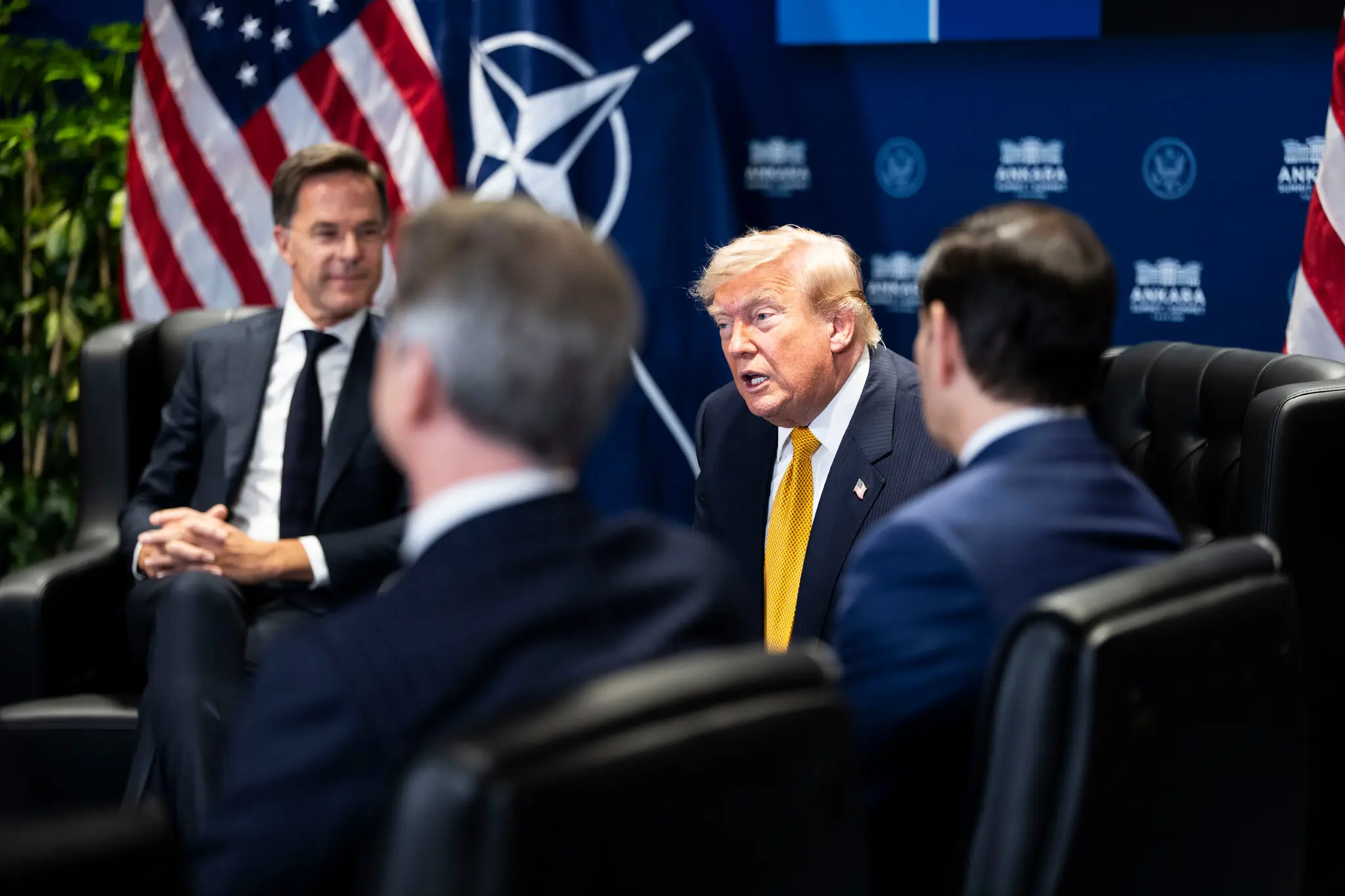
Ukraine is also taking risks. Kyiv is trying to persuade Donald Trump’s administration that Ukrainian and American security face overlapping threats. Striking an Iranian vessel strengthens that argument, but it may also be seen as an expansion of the war.
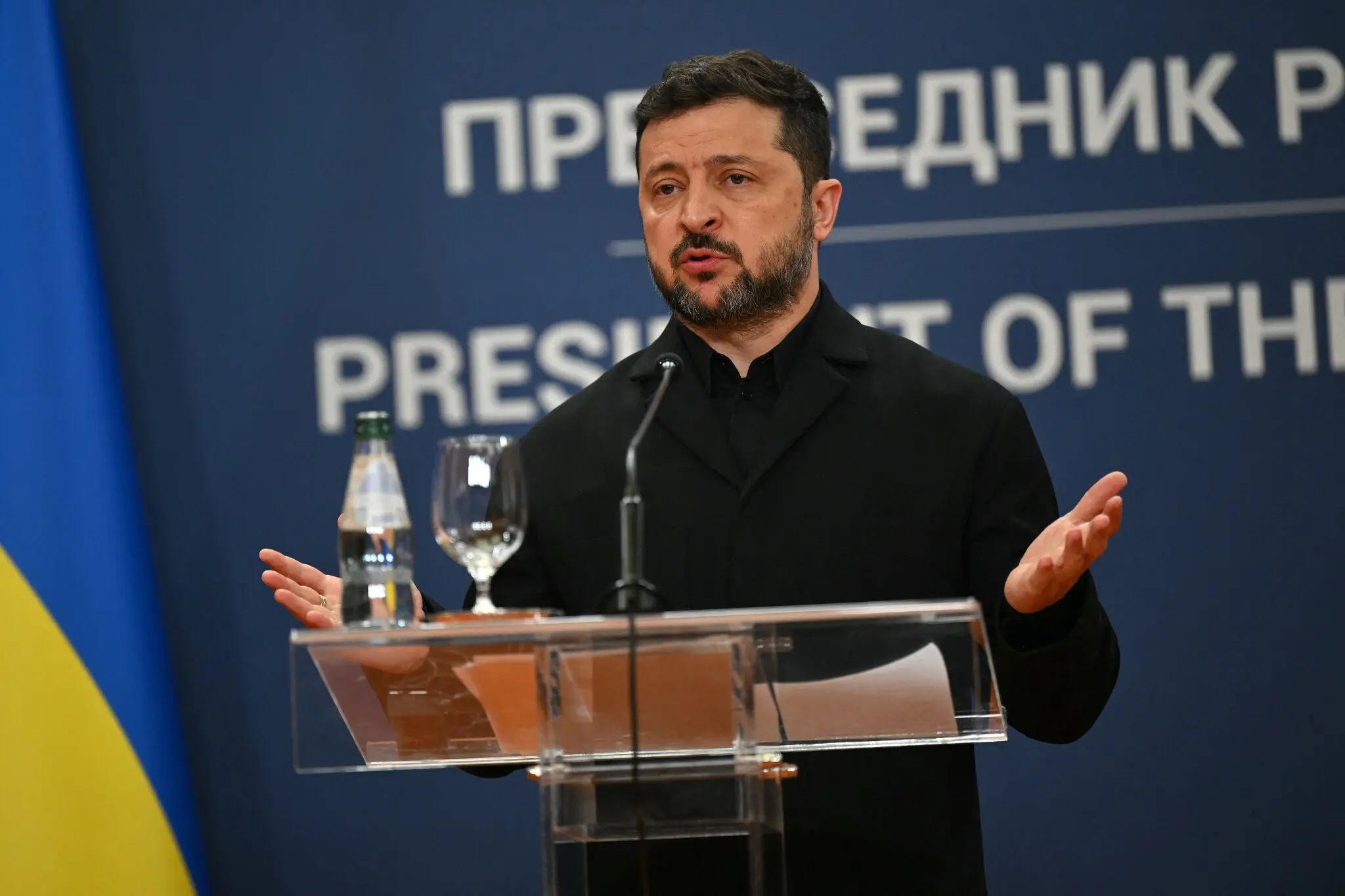
Volodymyr Zelensky arrived in Washington seeking additional Patriot missiles and guarantees of long-term support. Demonstrating Ukraine’s ability to disrupt Russian-Iranian logistics could improve his position in talks with the White House.
Kyiv’s logic is straightforward. Iran helped Russia attack Ukraine and continues to support Moscow with technology and resources. Ukrainian officials have also accused Russia of providing Tehran with satellite intelligence on Gulf states and American military bases.
If that intelligence was used to plan Iranian operations, the boundary between the two conflicts has already largely disappeared. Russia assists Iran in the Middle East. Iran assists Russia in Ukraine. Kyiv shares its battlefield experience with states defending themselves from Tehran.
In such a system, every regional war becomes part of a broader chain. Technology, intelligence, ammunition and specialists move between theaters faster than diplomacy can create separate rules for each one.
The greatest danger lies in the fact that every side can describe its actions as defensive. Iran presents its support for Russia as strategic cooperation. Ukraine considers the attack on the ship protection against future strikes. Tehran can now use the same logic to justify retaliation.
The result is a gradual erosion of the boundary between direct and indirect participation. A state first supplies weapons, then technology and instructors. Its logistics become a target, and the next question concerns the legitimacy of striking its territory.
The Caspian incident does not make a full-scale war between Ukraine and Iran inevitable. Both governments have reasons to avoid one. Kyiv remains focused on Russia, while Tehran is already under pressure from far stronger opponents.
But limited conflicts often expand through a sequence of steps, each of which appears manageable on its own. A strike on a ship, retaliation with drones, an attack on a logistics hub — and an indirect war begins to acquire its own momentum.
The most important consequence is that Ukraine no longer accepts Iran as a distant supplier to Russia. Kyiv has started to treat Tehran as an active component of the military system sustaining attacks on Ukrainian territory.
For Iran, that is a warning that support for Moscow will carry a growing cost. For Washington, it is evidence that the Ukrainian front and the Middle East can no longer be viewed separately. For Russia, it is a signal that the routes linking it to its partners are becoming battlefields as well.
The wars involving Ukraine and Iran have not fully merged. But after the strike in the Caspian Sea, the distance between them has narrowed — geographically, strategically and politically. The next move will determine whether the incident remains an exception or becomes the opening of a new front.