
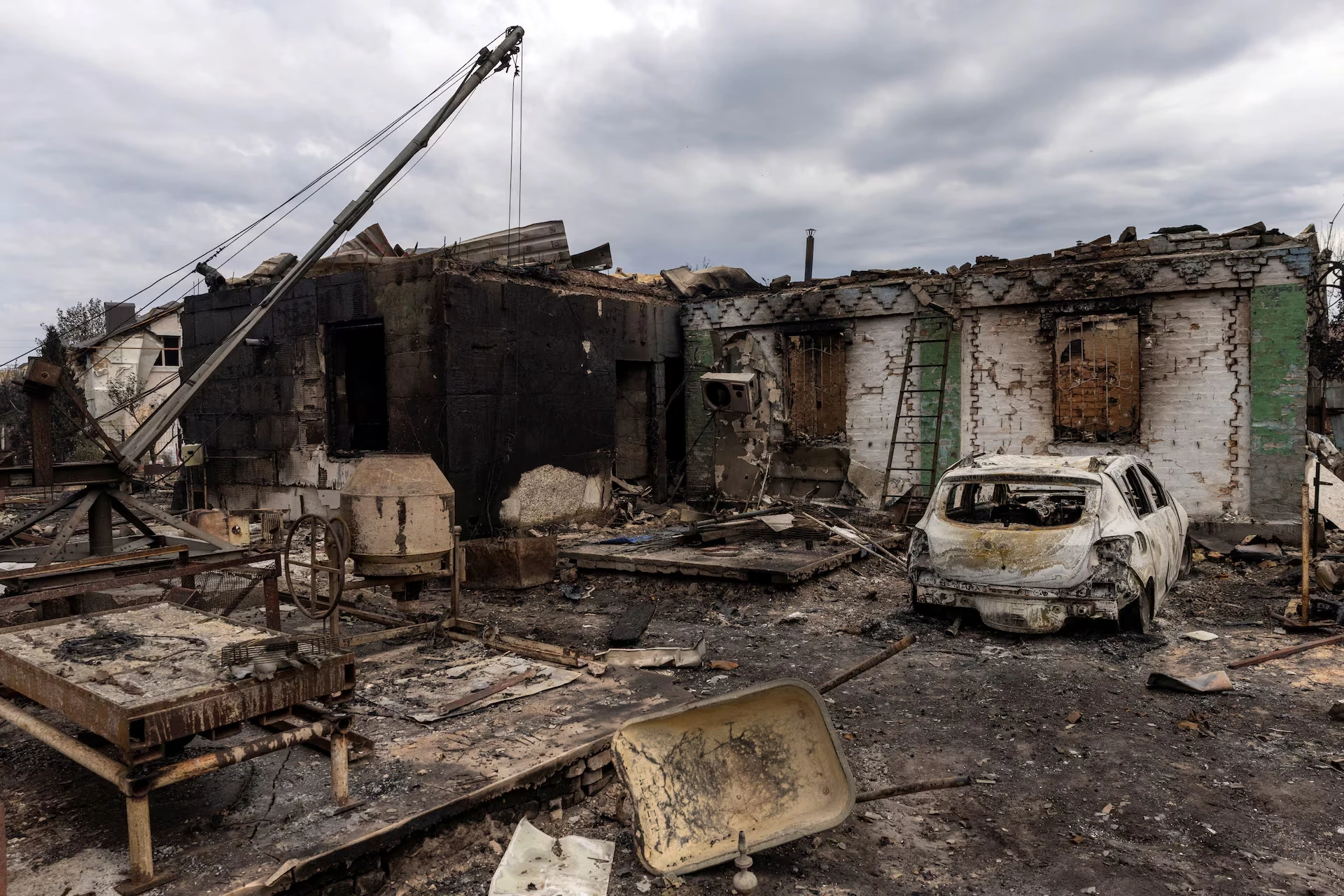



















An industrial area in Russia’s Leningrad region was damaged in a Ukrainian drone attack, according to Governor Alexander Drozdenko, who said that more than 20 drones had been shot down over the region. He did not specify which facility had been hit, but the town of Kirishi is home to one of Russia’s largest refineries — the Kirishinefteorgsintez plant owned by Surgutneftegaz.
The significance of the incident goes well beyond a local disruption. According to Reuters, the Kirishi refinery processed 17.5 million metric tons of oil in 2024, or about 350,000 barrels per day, accounting for roughly 6.6% of Russia’s total refining volume. It produced gasoline, diesel, fuel oil, and bitumen — products essential not only for the domestic economy, but also for the logistics of war.
This is not the first time Kirishi has come under pressure. The refinery was targeted repeatedly last year, and the broader pattern of strikes suggests that Ukraine is increasingly focusing on the vulnerable nodes of Russia’s fuel system rather than merely symbolic targets. The objective is becoming clearer: not just to inflict damage, but to disrupt the mechanisms that turn oil into state revenue and military endurance.
According to the preliminary assessment of Daycom, the latest strike near Kirishi should be understood as part of a broader campaign against the infrastructure that allows Russia to refine, move, and monetize its oil. Ukraine is no longer targeting only individual refineries. It is putting pressure on the wider chain that connects production, refining, storage, shipping, and export earnings. That marks an important strategic shift.
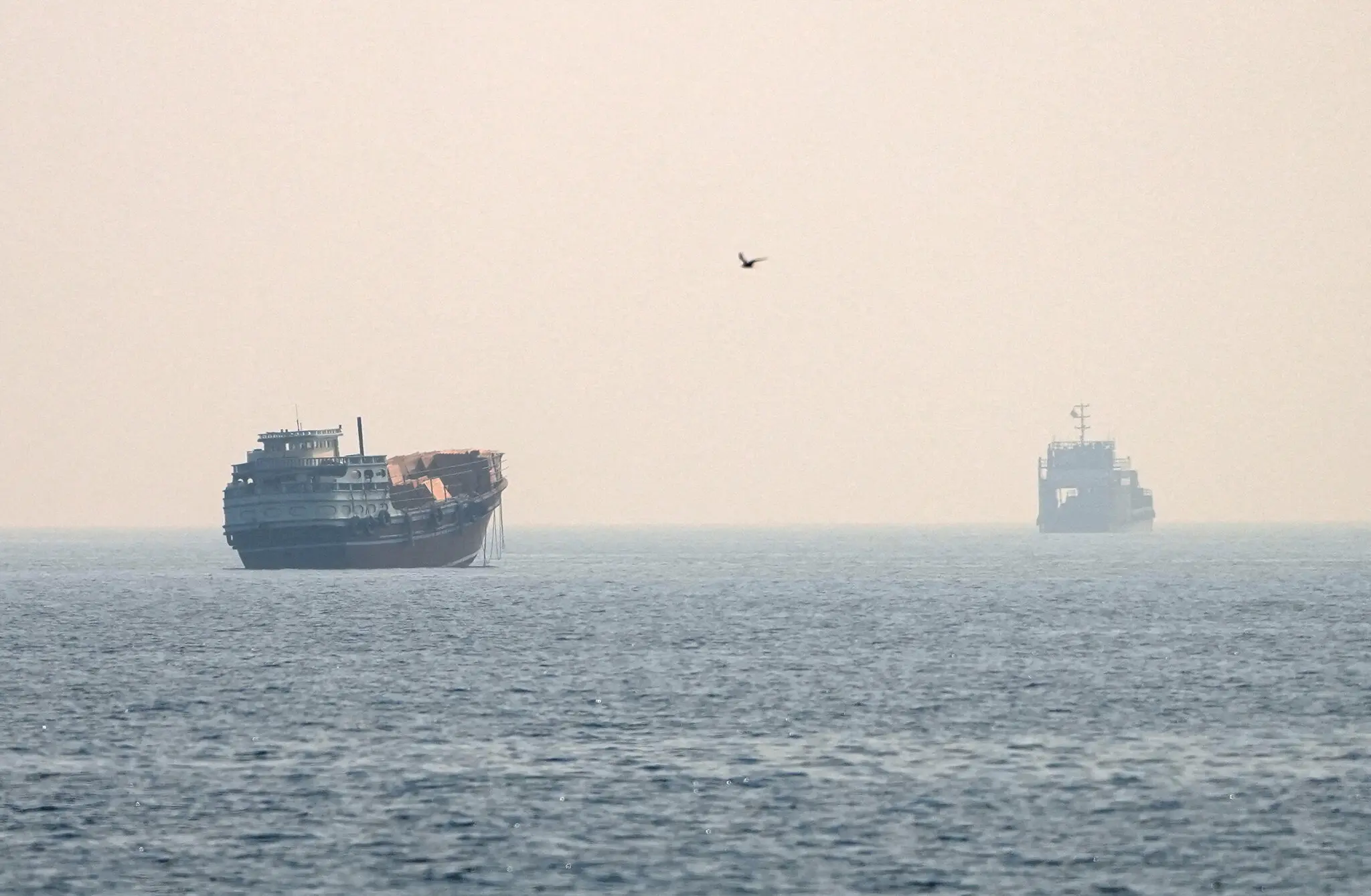
That reading is reinforced by Reuters’ recent estimate that at least 40% of Russia’s oil export capacity has been halted following drone strikes, disruption to the Druzhba pipeline, and mounting problems in tanker logistics. At the same time, Russia’s Baltic export outlets — Primorsk and Ust-Luga — were reported to have suspended crude and oil product loadings after Ukrainian attacks. Seen together, these developments point to something larger than a series of disconnected incidents.

Kirishi is not an isolated site. It is part of a much broader energy network linking refining, internal fuel distribution, and access to export routes in northwestern Russia. When pressure builds simultaneously on refineries, Baltic ports, pipeline corridors, and maritime shipping, the Russian energy system loses more than output. It loses flexibility, redundancy, and speed of response.
That is what makes even partial damage near such a facility strategically relevant. A strike does not always need to destroy a refinery outright in order to produce serious consequences. In wartime, uncertainty itself becomes a weapon. Every attack forces Russia to increase air defense coverage, insurance costs, repair readiness, fuel redistribution efforts, and protective spending around critical infrastructure. Over time, that makes the entire system more expensive to maintain.
The Kirishi case also matters because of geography. The refinery sits within Russia’s northwestern energy cluster, relatively close to the Baltic routes that are central to exporting petroleum products. This gives it importance not only as a production site, but as part of the logistical architecture that supports export flows. Even if the plant itself is not forced to halt operations, any damage in the surrounding industrial zone raises the level of operational risk across that wider network.
For the Kremlin, the problem is therefore not only physical damage, but cumulative strain. Russia’s oil system increasingly looks less like a secure monolith and more like a network of interdependent nodes where pressure can build in layers. If ports are disrupted, pipelines become politically vulnerable, and refineries must operate under the constant threat of drone attack, then oil no longer converts into stable budget revenue as easily as before.
This matters deeply for the war effort. Russia’s military depends on uninterrupted access to diesel, gasoline, fuel oil, and other refined products. Large refineries help sustain not just civilian consumption, but the broader fuel stability of the state. Any successful strike against such infrastructure — even when the immediate operational impact is unclear — reduces the margin of resilience in Russia’s military logistics.
Moscow will likely continue trying to compensate through rerouting, rapid repairs, reserve capacity, and stronger air defenses. But the more important problem is that Ukraine is demonstrating an ability to reach increasingly valuable targets deep inside Russian territory. Facilities that once seemed relatively protected are now being pulled into a zone of permanent strategic exposure.
In that broader sense, the incident near the Kirishi refinery reflects a shift in the character of the war. Ukraine is no longer trying only to weaken Russia on the battlefield. It is also working to put pressure on the economic base that sustains Russia’s ability to keep fighting. If this campaign continues, oil may become less a source of Kremlin resilience and more a point of systemic vulnerability.
The strike in Kirishi district, then, is not simply another night of drone warfare. It is part of a wider pattern in which attacks on refineries, ports, pipelines, and tanker logistics are beginning to form a coherent line of pressure. The more often such disruptions overlap in time, the harder it will be for Russia to preserve the image of an untouchable energy power.