





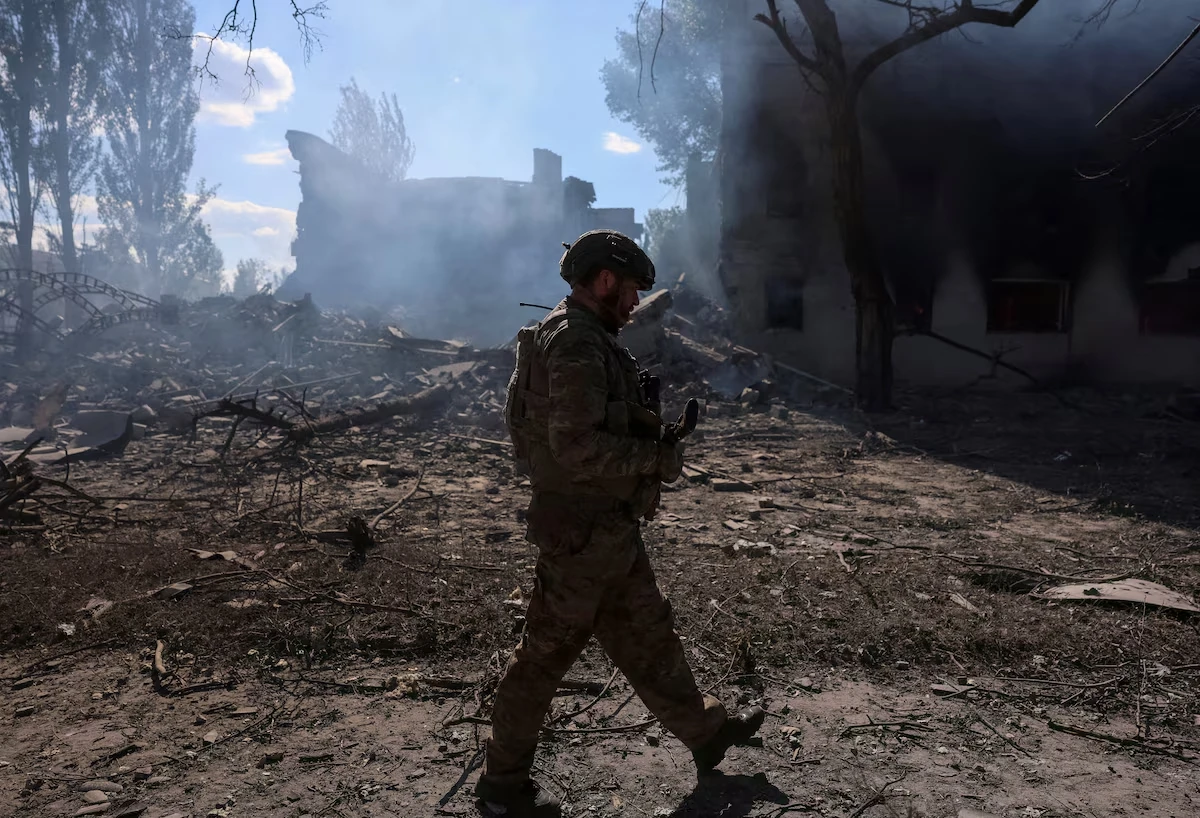
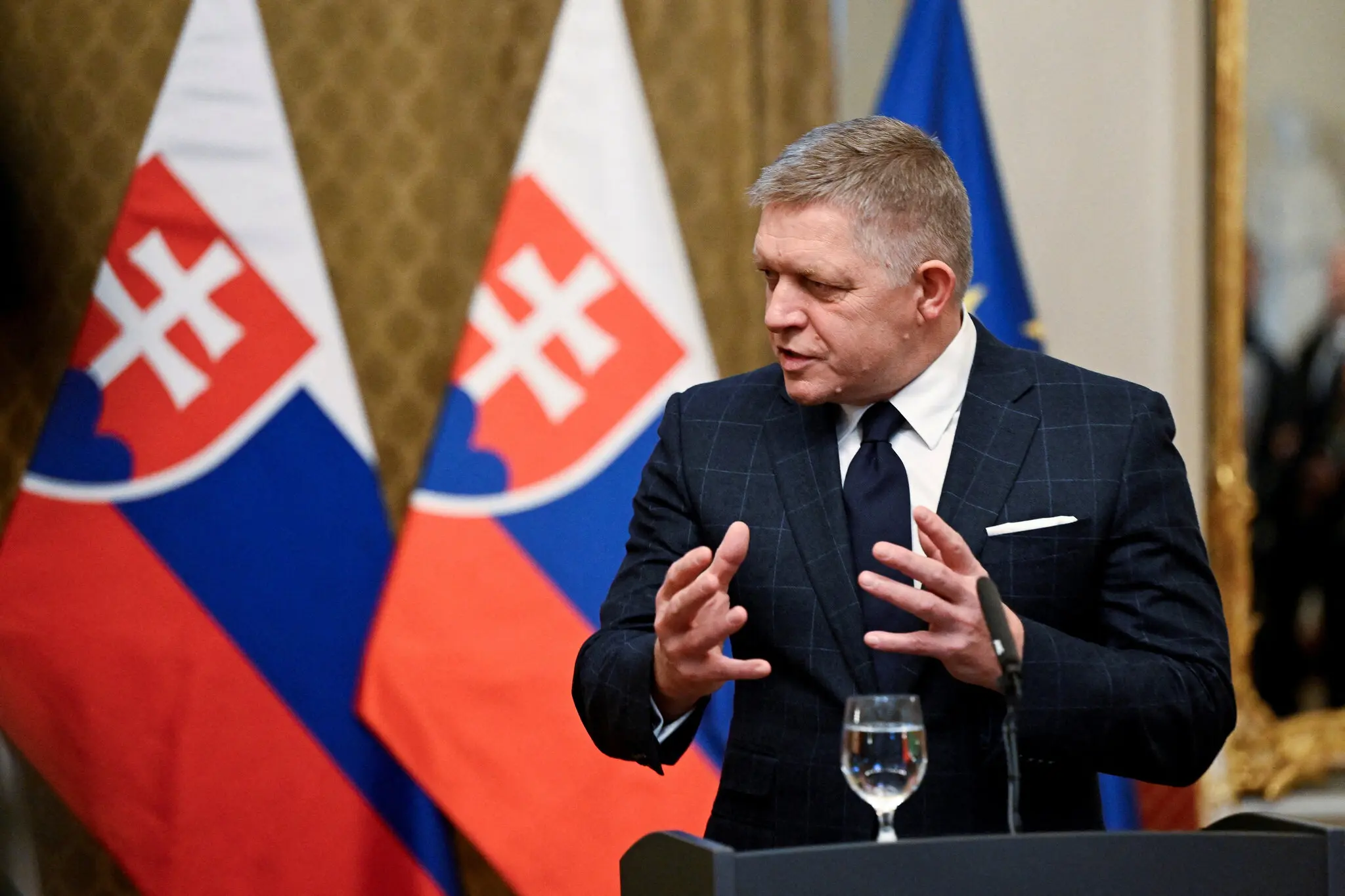














Volodymyr Zelenskyy’s statement that the United States is prepared to finalize security guarantees only if Ukraine agrees to withdraw from Donbas is one of the most consequential claims of the current diplomatic cycle. If this indeed reflects Washington’s position, then the issue is no longer simply a peace plan. It is a fundamental change in the logic of negotiations over Russia’s war against Ukraine.
According to the president, two core questions remain unresolved in the trilateral contacts involving the United States, Russia, and Ukraine: who will finance Ukraine’s long-term military needs, and what concrete response allies would provide in the event of a new Russian attack after a possible agreement. These are not technical details. They determine whether security guarantees would amount to real deterrence or merely a political declaration.
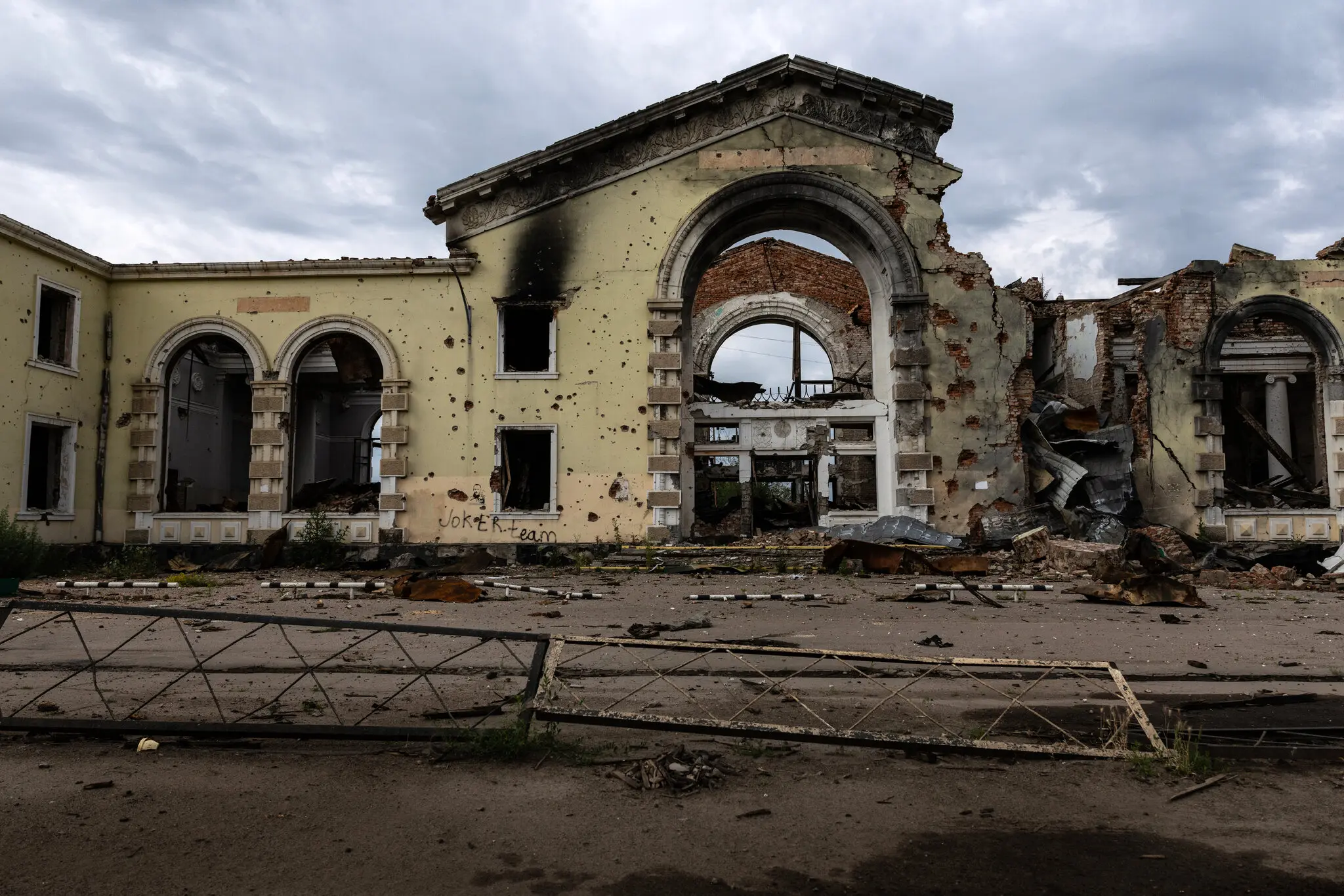
The essence of Ukraine’s position is that Donbas is not only territory. It is also part of the country’s defensive configuration. Zelenskyy stressed that eastern Ukraine is itself part of the security guarantee, because handing fortified ground to Russia would weaken not only Ukraine’s security, but Europe’s as well.
According to the preliminary assessment of Daycom, the central issue in this formula is not only borders, but precedent. If security guarantees are made conditional on territorial concessions, then international security begins to look like an item of exchange rather than an instrument for preventing a new war. For Kyiv, that would mean peace negotiations risk becoming a mechanism for legitimizing military coercion.
The problem for Ukraine is also that Donbas occupies a role in Russian war logic far greater than that of an ordinary region. For the Kremlin, control over all of Donbas remains one of the central political objectives of the war. Moscow failed to secure that objective quickly on the battlefield, and it may now be trying to obtain through diplomacy what it has not fully achieved by force.
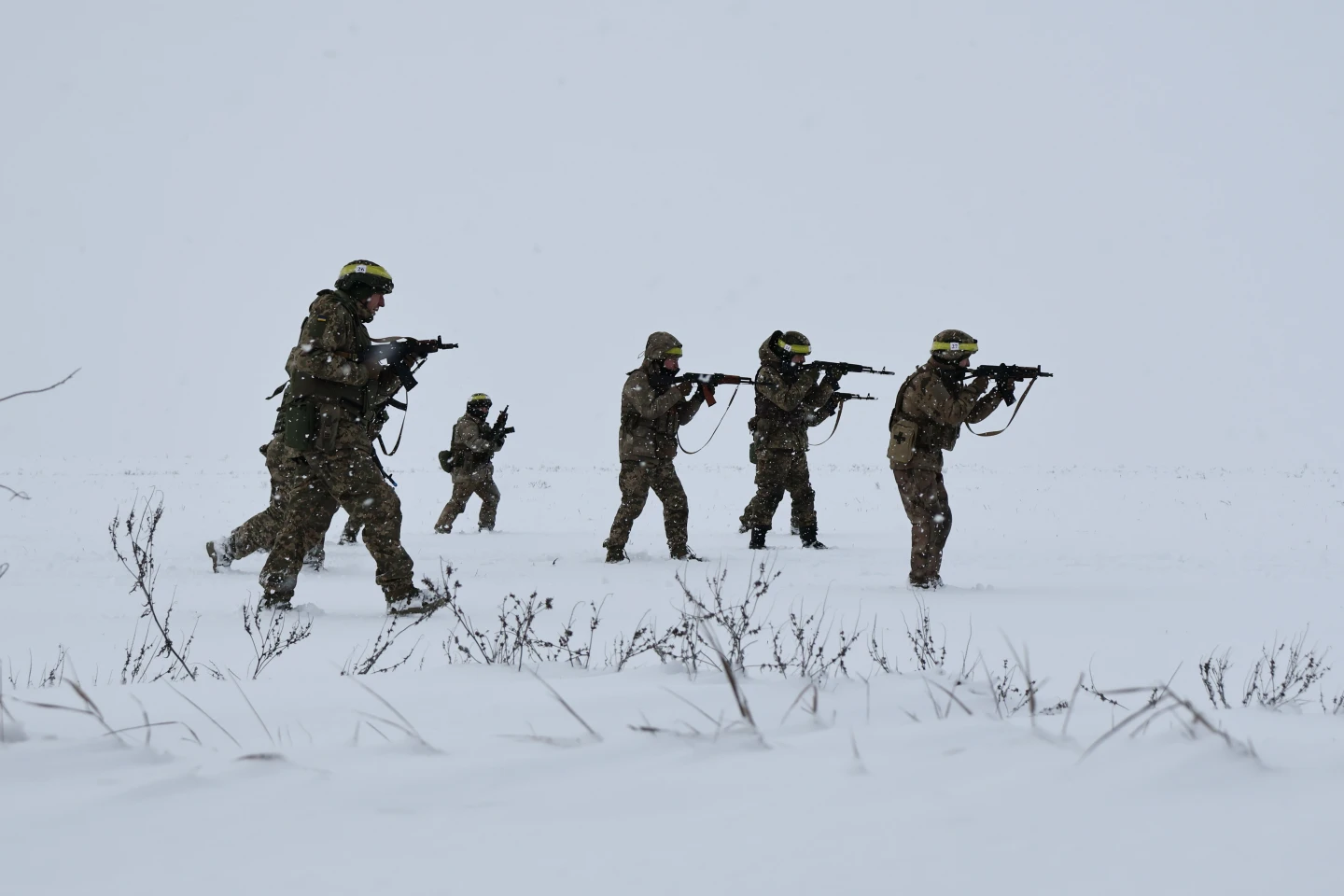
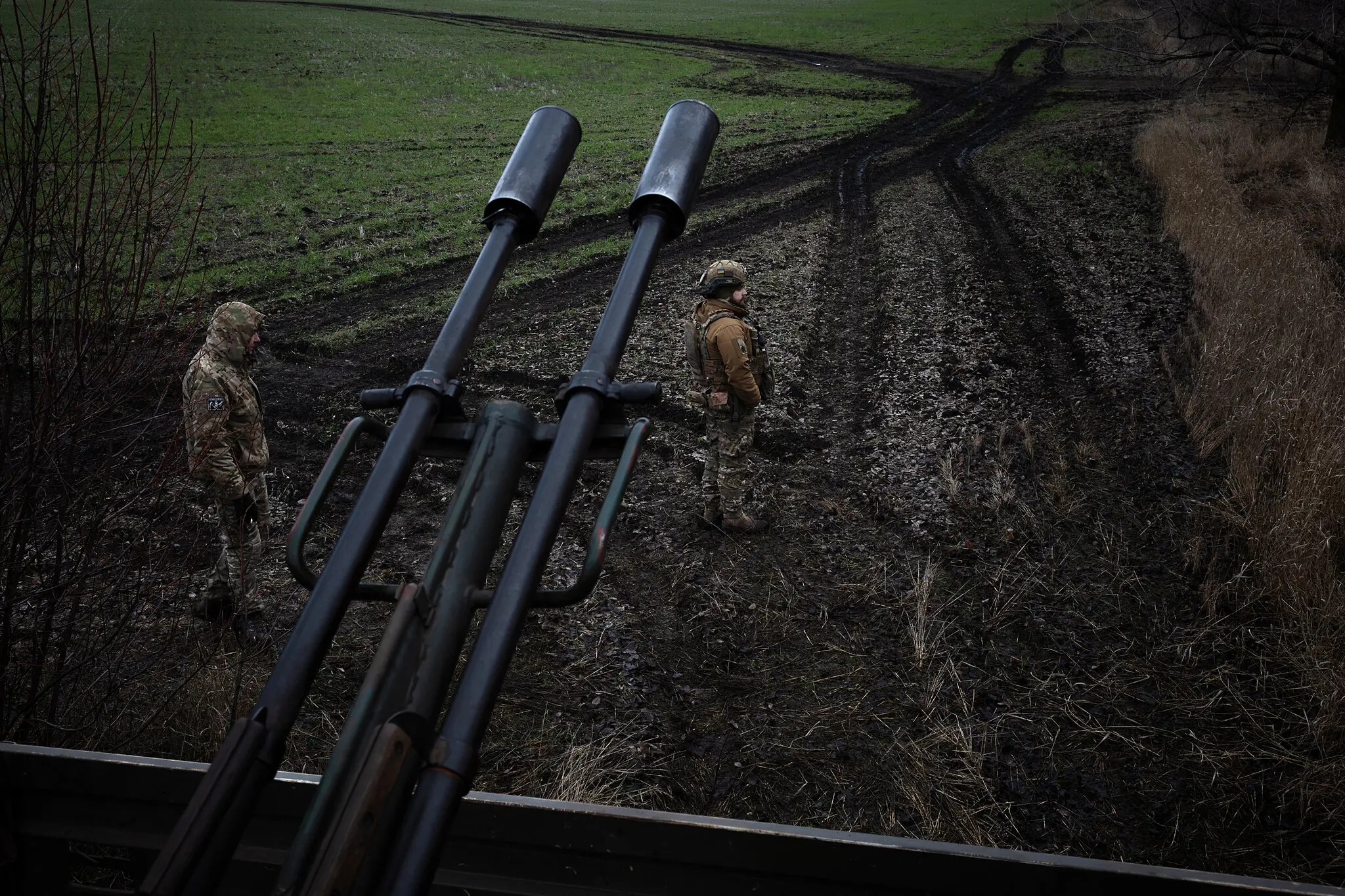 Українські солдати в Донецькій області України, грудень — Тайлер Хікс

In that sense, the U.S. condition described by Zelenskyy changes the entire framework of discussion. Until now, the debate centered on what kind of security guarantees Ukraine could realistically receive after a ceasefire: their format, duration, enforcement mechanism, and the level of U.S. and European involvement. Now the central question becomes different: is Ukraine being asked to weaken its own strategic position first and only then receive promises of protection?
That is especially sensitive against the backdrop of earlier claims that a draft agreement on guarantees had already been nearly complete. In January, Zelenskyy said the document with the United States had been “one hundred percent ready,” and reports at the time suggested that Washington was considering long-term guarantees as part of a possible peace formula. The current pause therefore looks less technical than political. The knot appears to be tied specifically to the territorial issue.
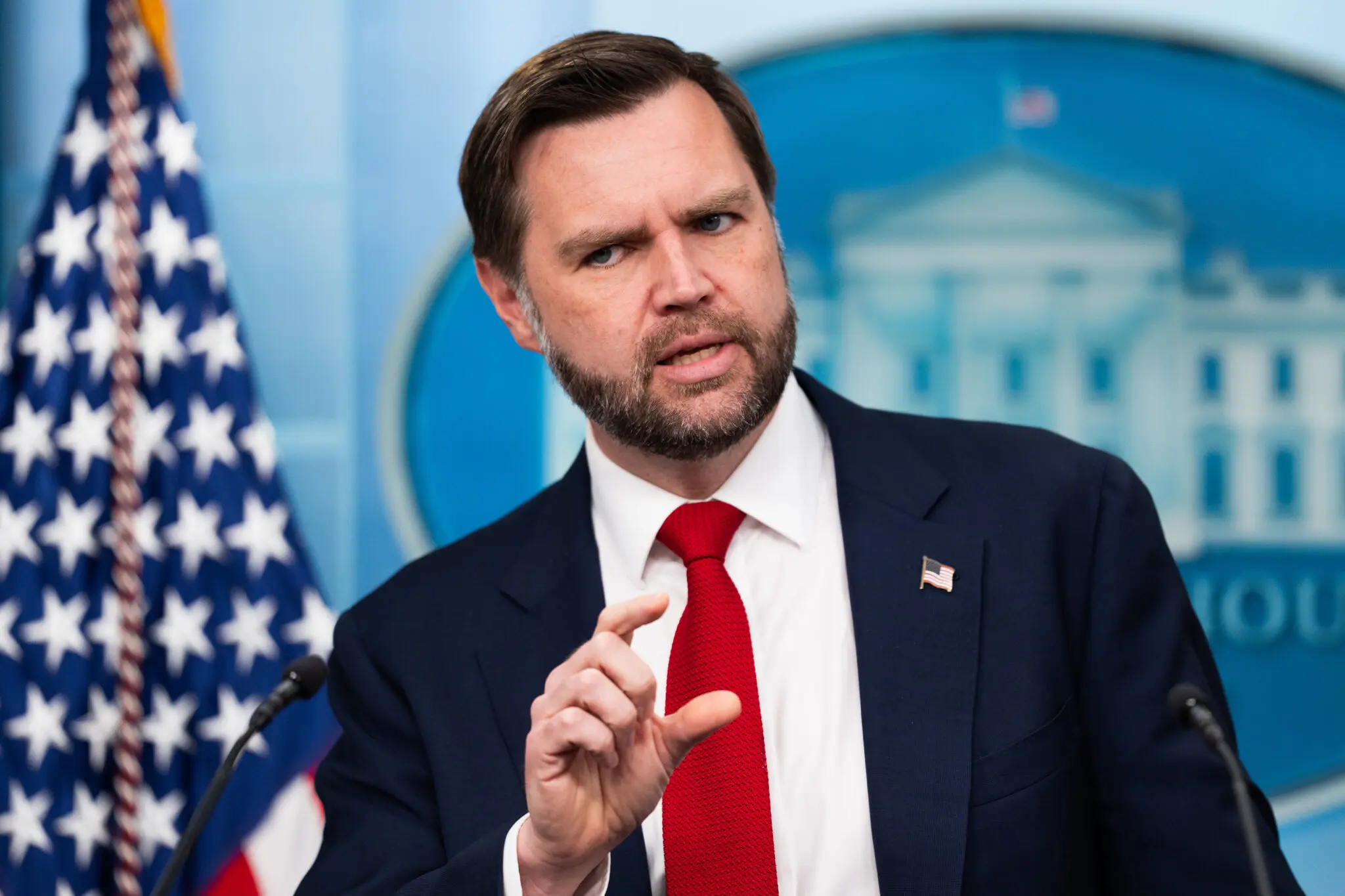
There is also a wider geopolitical layer to this story. Zelenskyy indicated that the war surrounding Iran is affecting Donald Trump’s next steps and increasing pressure specifically on Ukraine. That suggests turmoil in the Middle East is not merely a parallel crisis. It may be reshaping U.S. diplomatic priorities and narrowing Washington’s appetite for a prolonged, resource-intensive commitment in Eastern Europe.
This leaves Kyiv in an extremely difficult position. On the one hand, Ukraine insists on firm security commitments because without them any ceasefire could become only a pause before another Russian offensive. On the other hand, Washington, according to the Ukrainian reading of events, appears to be seeking a faster result and looking for an agreement that can be presented politically as an end to the war in the near term.
That is why the issue of Donbas reaches far beyond geography. The real question is whether strategic defensive depth can be traded for future promises of support. Military analysts have long noted that Russia’s campaign to seize the entirety of Donbas has been slow and costly. In other words, what Moscow has not yet fully secured militarily, it may now try to obtain through the structure of negotiations.
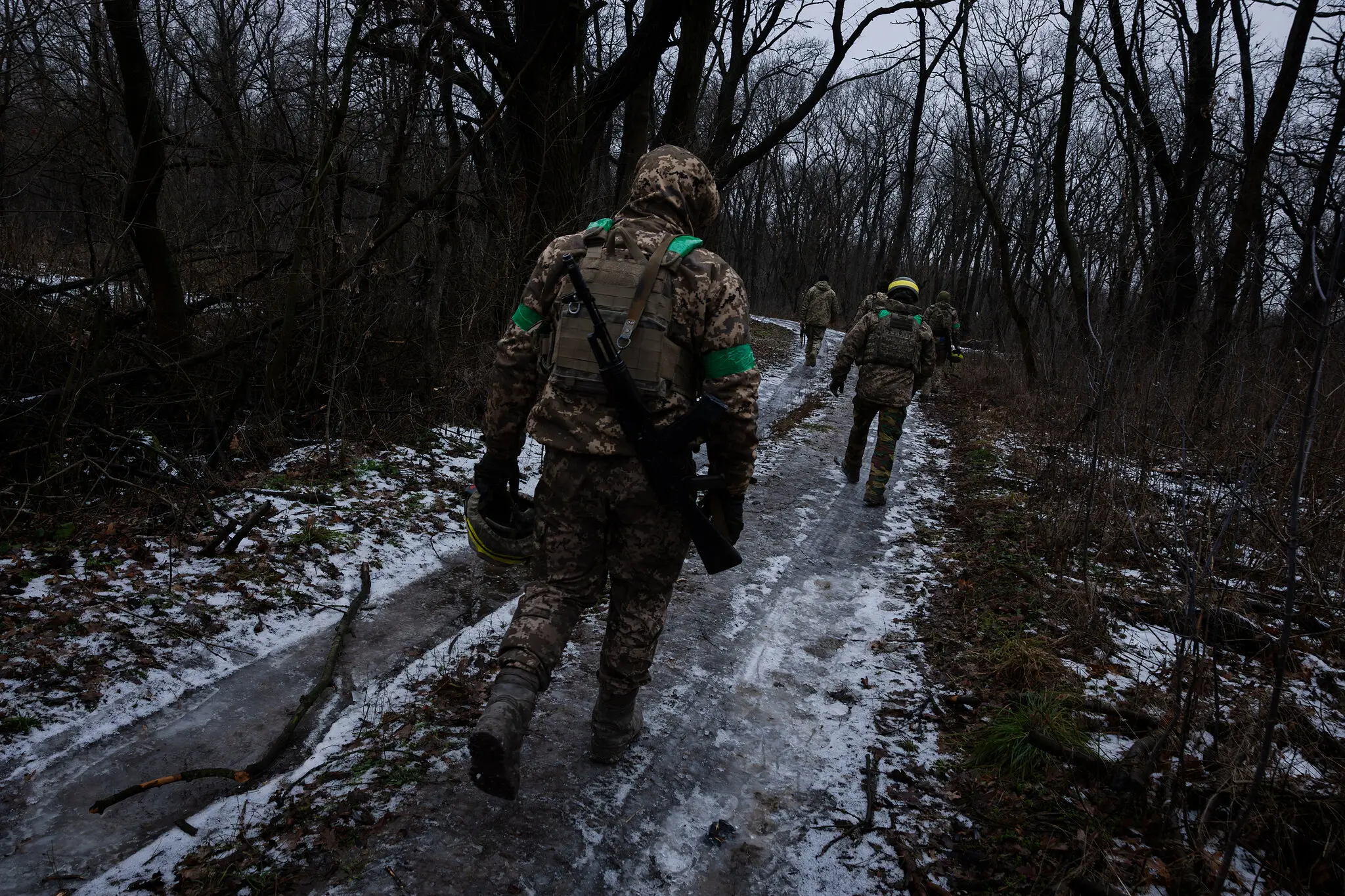 Українські солдати поблизу Лимана в Донецькій області минулого місяця — Тайлер Хікс

For Europe, this is also a fundamental test. If territorial concession becomes a condition for security guarantees, then the resilience of the continent’s postwar deterrence framework comes into question. The signal would not be read only in Moscow. It would suggest that violent revision of borders may not always be unequivocally punished, but could in time be partially converted into a diplomatic outcome.
It is also significant that the White House did not immediately issue a public response to Zelenskyy’s claim. That leaves room for two interpretations. The first is that the Ukrainian president is publicly raising the stakes before the next round of talks and drawing a clear red line for partners. The second is that negotiations have indeed produced a dangerous arrangement in which security guarantees are being used as leverage on the victim of aggression rather than on the aggressor.
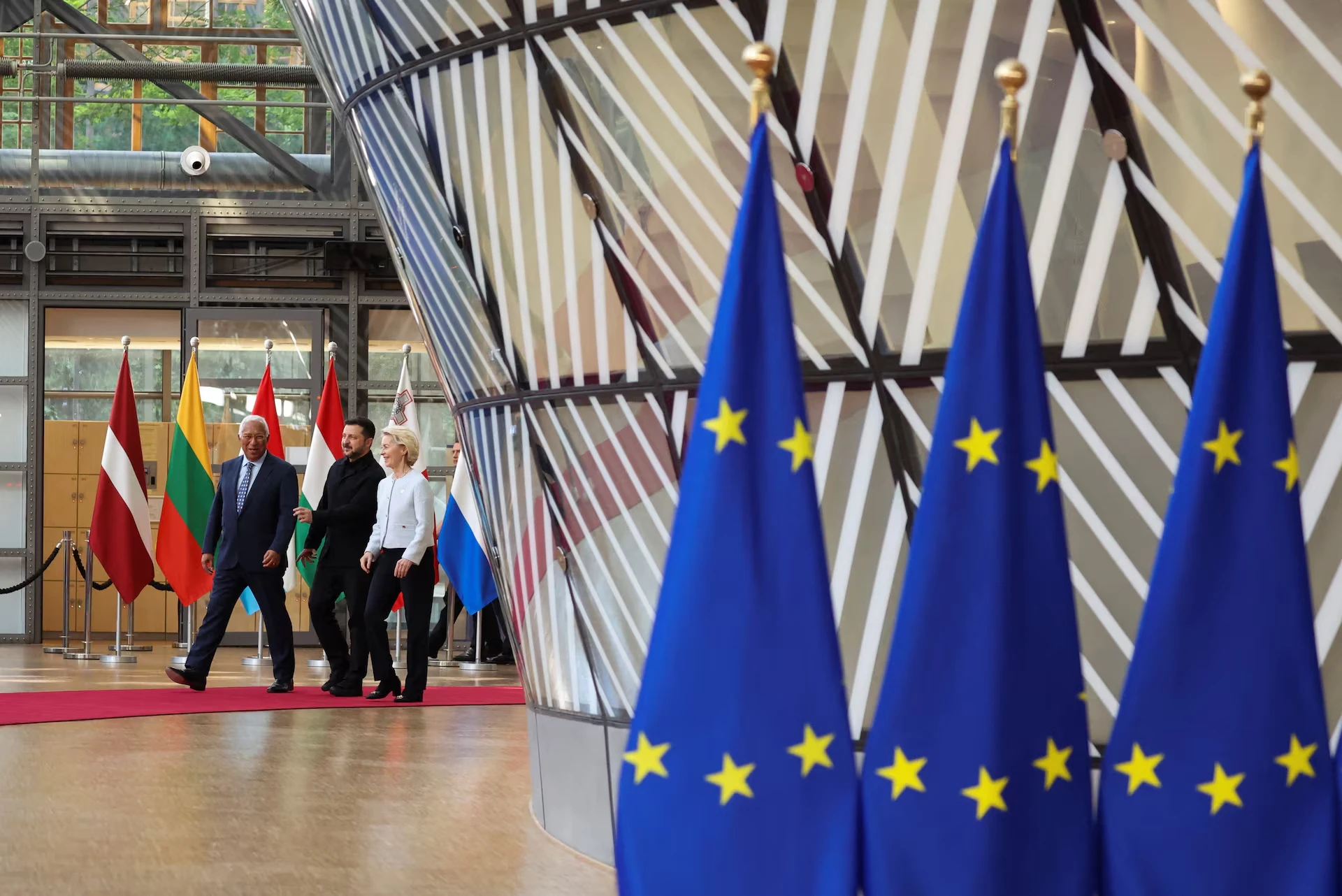
At the same time, Ukraine’s broader rhetoric remains consistent. Zelenskyy continues to argue that a summit involving himself, Trump, and Putin is the only way to untangle the interlinked questions of territory and guarantees. That suggests Kyiv is not closing the diplomatic window, but is trying to move the discussion to the highest political level, where either principles can be fixed or responsibility for pushing the talks toward a capitulation logic can be publicly exposed.
In practice, this story is not only about peace. It is about the model of peace. One version would mean an end to the war based on strong international guarantees, preservation of Ukrainian statehood, and long-term deterrence of Russia. The other would mean a quick deal in which territorial concession is presented as the price of a pause, while the risk of a new war is simply pushed into the future. That appears to be the central struggle now underway.
This is why Zelenskyy’s statement matters as more than a negotiating tactic. It is a warning that the formula of “security guarantees in exchange for Donbas” may prove not to be a path to stability, but a new source of instability. If security is purchased at the price of rewarding aggression, then it is no longer a guarantee of peace. It is only a postponement of the next crisis.