






















Diplomacy between the United States and Iran has entered a phase in which every sentence carries two meanings at once: an invitation to negotiate and a warning of further escalation. Washington projects confidence, Tehran answers with caution, and the region remains suspended between a pause and a wider war.
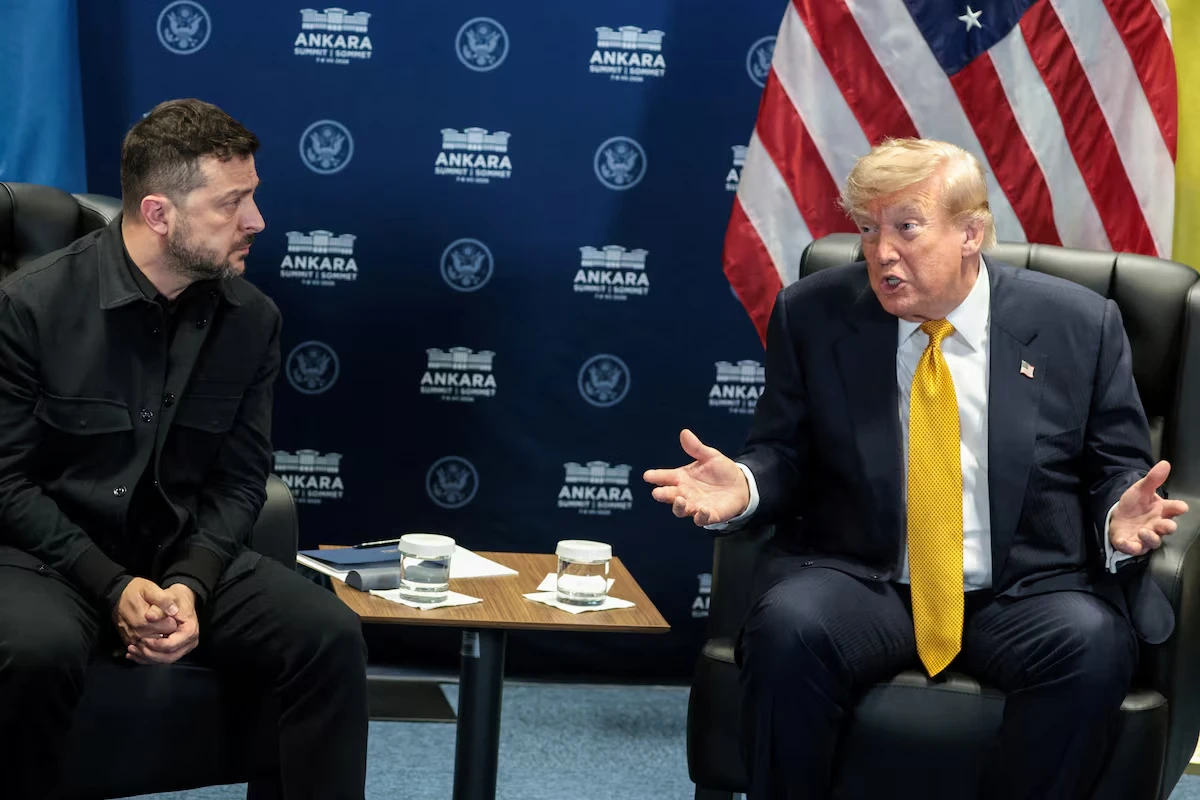
Donald Trump said his administration had held “very good talks” with Iran over the previous 24 hours. Yet he offered few details about what had actually been discussed. In the same remarks, he spoke of American victory, the possible end of the war and renewed bombing if Tehran failed to accept U.S. terms.
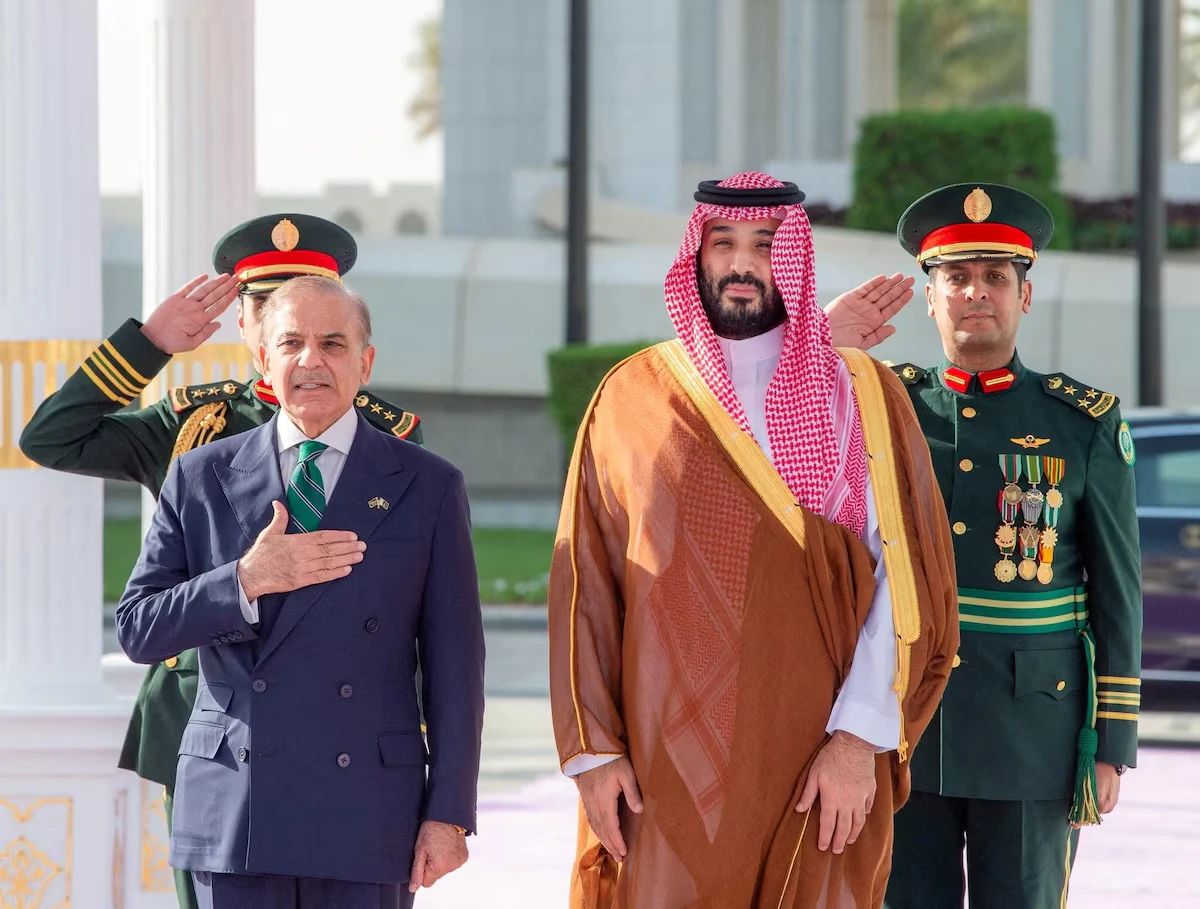
Iran chose a more guarded tone. Foreign Ministry spokesman Esmail Baghaei said Tehran was reviewing the American plan and would communicate its position through Pakistani intermediaries. At the same time, Iranian officials described the proposal less as a peace plan than as a list of Washington’s demands.
Diplomacy between the United States and Iran has entered a phase in which every sentence carries two meanings at once: an invitation to negotiate and a warning of further escalation. Washington projects confidence, Tehran answers with caution, and the region remains suspended between a pause and a wider war.
Donald Trump said his administration had held “very good talks” with Iran over the previous 24 hours. Yet he offered few details about what had actually been discussed. In the same remarks, he spoke of American victory, the possible end of the war and renewed bombing if Tehran failed to accept U.S. terms.
Iran chose a more guarded tone. Foreign Ministry spokesman Esmail Baghaei said Tehran was reviewing the American plan and would communicate its position through Pakistani intermediaries. At the same time, Iranian officials described the proposal less as a peace plan than as a list of Washington’s demands.
According to Daycom’s earlier analysis, the central gap is not only about the substance of a possible deal, but about the language each side uses to describe the same process. For Washington, this is nearly the final stage of pressure before an agreement. For Tehran, it is still a document under review, not a political commitment.
That distinction matters. When the White House speaks of major progress, it is trying to show control over the crisis, reassure allies and ease pressure on markets tied to the security of the Strait of Hormuz. When Iran stresses consultations and mediation, it preserves room to maneuver.
The Strait of Hormuz has become the nerve center of the conflict. It carries some of the world’s most sensitive oil and gas flows, and any prolonged disruption there would quickly turn a regional war into a global economic shock. That is why even a pause in U.S. naval operations around the strait reads as a political signal, not a technical adjustment.
Trump halted the U.S. operation to escort commercial ships, citing progress in negotiations. But he soon returned to the language of ultimatum: if Iran accepts what he said had already been agreed, the war will end and vessels will receive safe passage. If not, the strikes will resume.
That formula leaves more questions than answers. It remains unclear what Washington considers already agreed, what guarantees Iran is seeking, whether the nuclear issue is part of the package, how safe passage through the strait would be enforced and who would monitor compliance.
Secretary of State Marco Rubio’s statement that the war was “over” added another layer of confusion. If the war has truly ended, threats of new strikes look like an attempt to lock in terms after a de facto cease-fire. If it has not, such words become an effort to create a political reality before it exists on the ground.
For Iran, the ambiguity is no less dangerous than it is for the United States. Tehran cannot accept conditions that would look domestically like capitulation under bombardment. But a full rejection of talks could give Washington grounds for a new phase of military pressure.
Israel adds a separate layer of risk. Strikes near Beirut show that even a possible U.S.-Iranian compromise would not automatically stop the wider regional conflict. Israel is acting according to its own security logic, focused above all on structures linked to Hezbollah.
That makes the negotiations multilayered. Formally, they concern ending the war, restoring freedom of navigation and securing guarantees in the Strait of Hormuz. In practice, any agreement would have to withstand pressure from Lebanon, the Persian Gulf, Israeli operations, U.S. domestic politics and the cost of concessions in Tehran.
The weakest point of the current diplomacy is the absence of clearly defined terms. As long as both sides speak in hints, each is less interested in explaining the compromise than in shaping the interpretation of it. Trump wants to appear as the leader dictating final conditions. Iran wants to show that it is not accepting dictates, but negotiating through intermediaries from its own position.
In this war, words have become part of the battlefield. Promises of safe passage, threats of bombing, declarations of victory and references to “good talks” are not aimed only at diplomats. They are read by armies, markets, allies, adversaries and domestic audiences on both sides.
That is why the current pause is not yet peace. It could become the beginning of an endgame if the parties agree on a mechanism for halting attacks, restoring navigation and providing political guarantees. But it could just as easily prove to be a brief pause before the next strike, if diplomacy remains a language of hints rather than obligations.