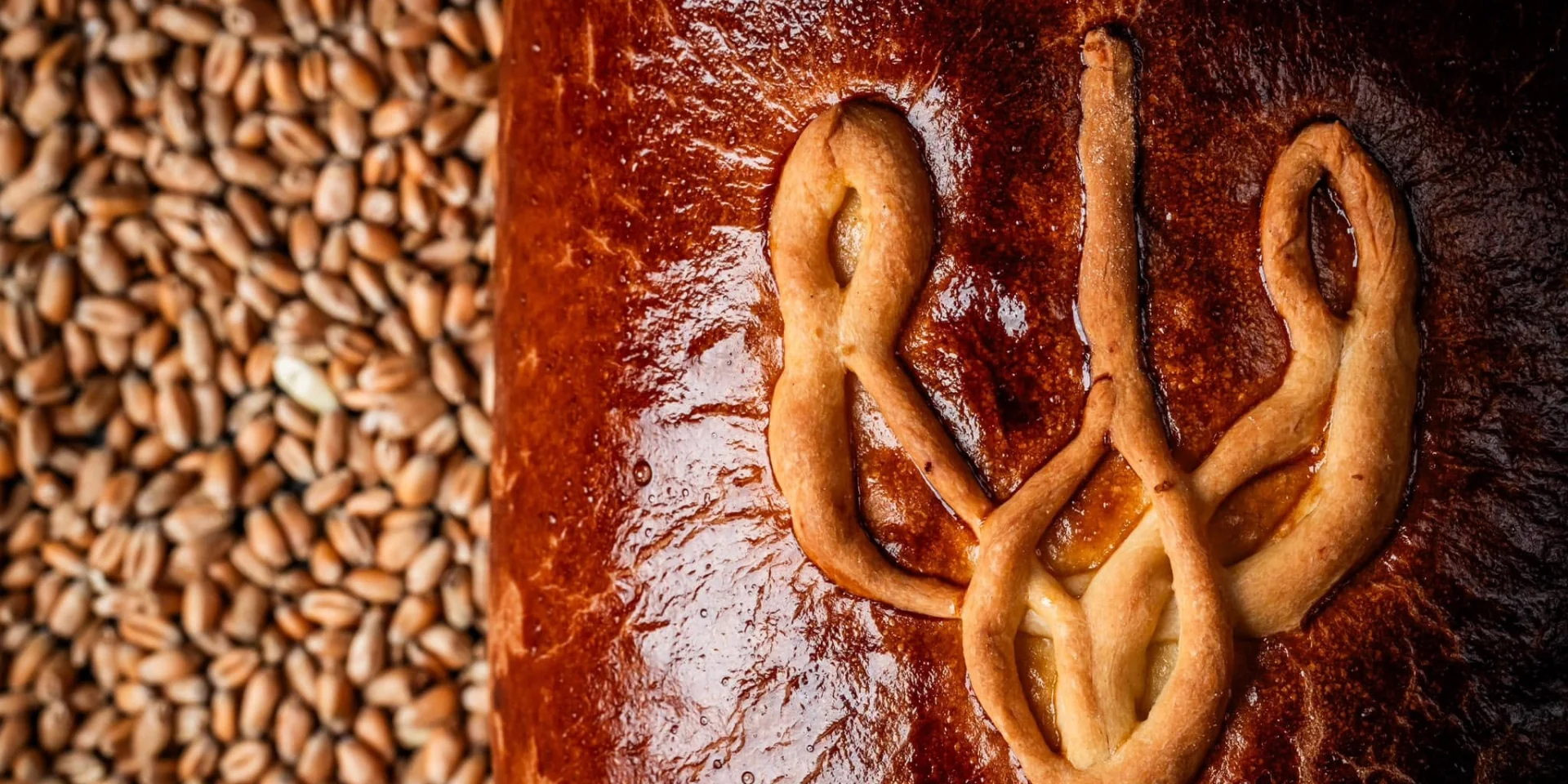


















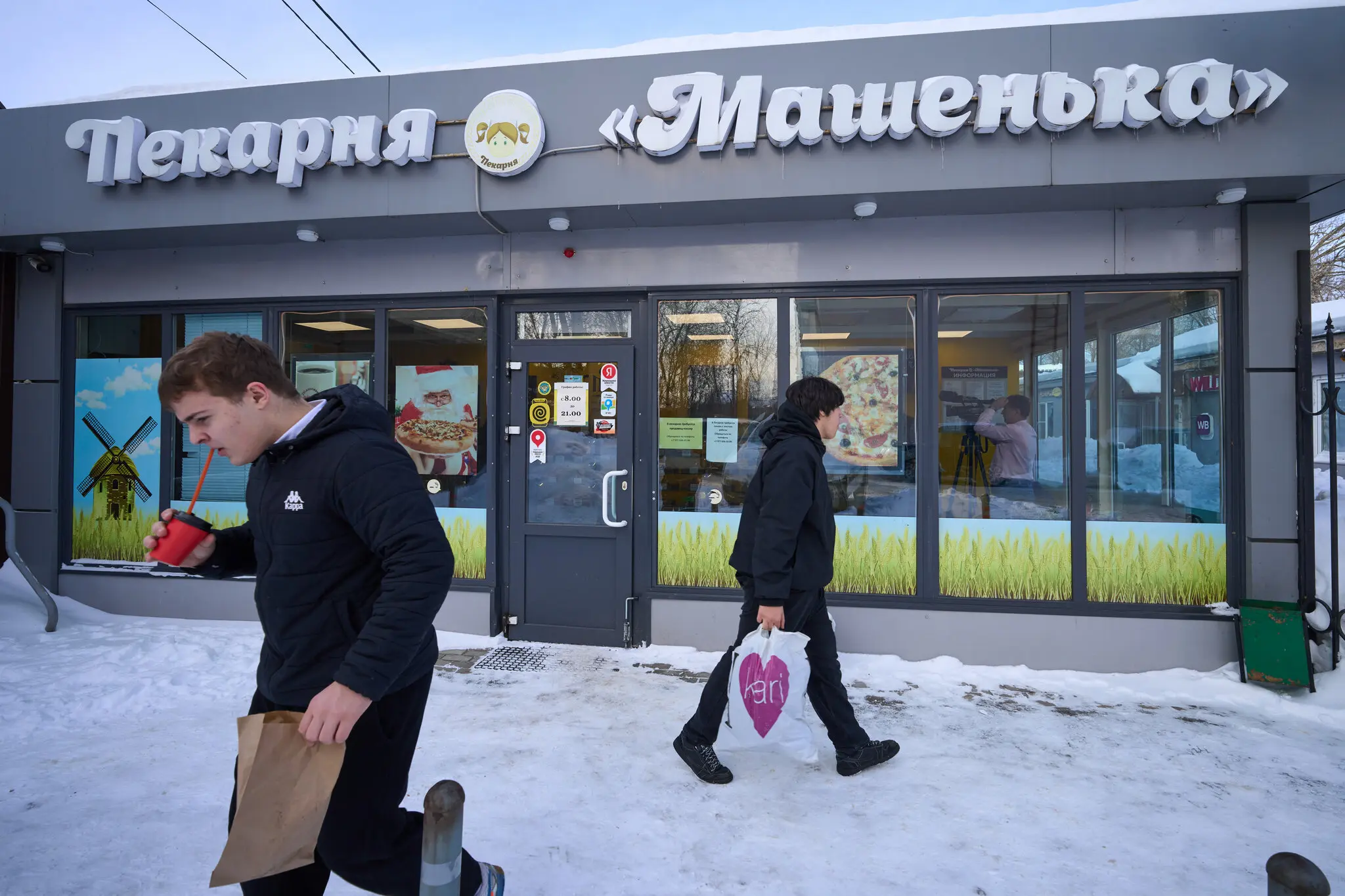
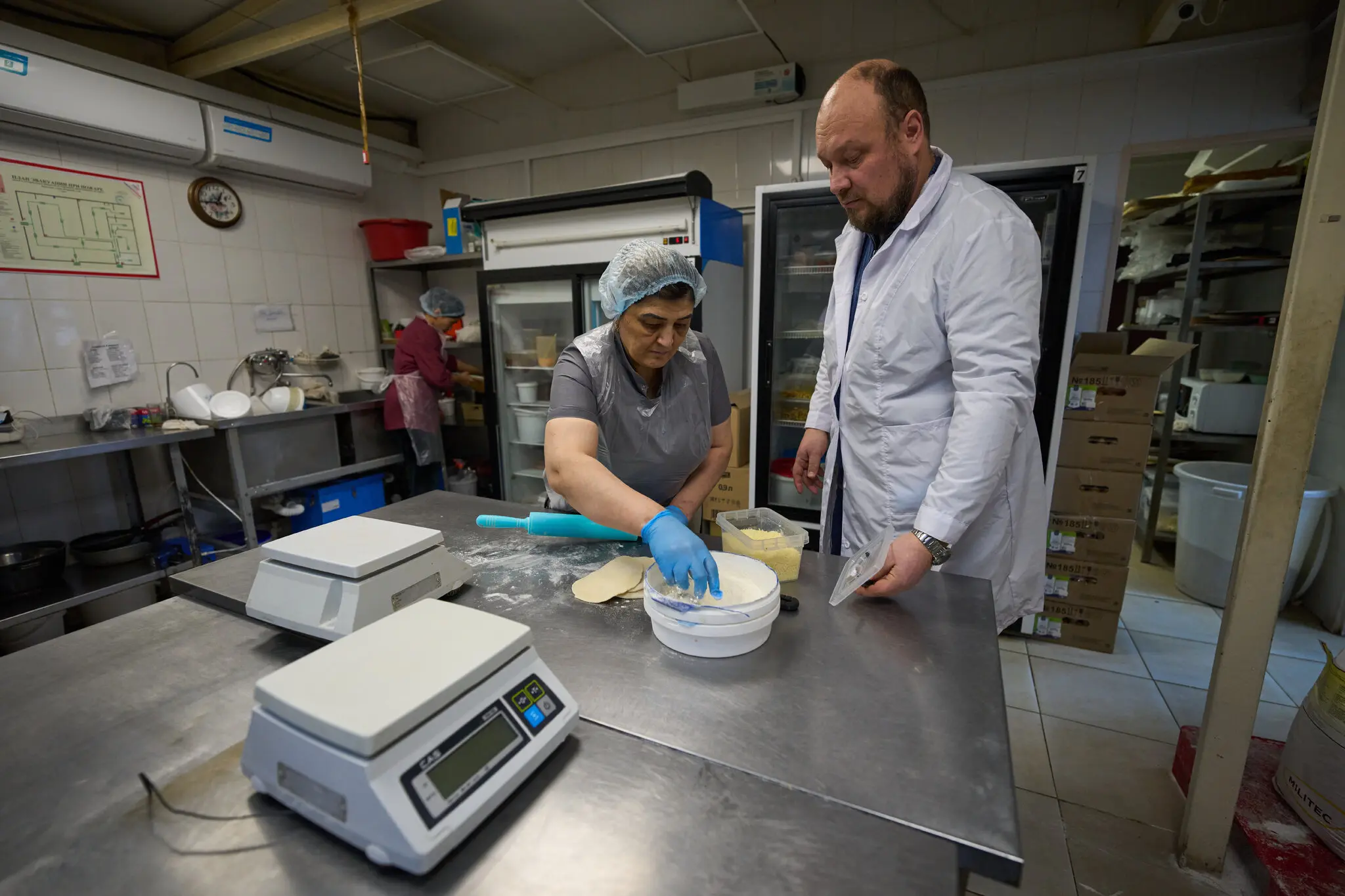
For Denis Maksimov, the owner of three bakeries in Kraskovo, just east of Moscow, the crisis is measured not in charts but in simpler questions: whether his business can survive the new tax regime, whether there is still enough revenue to support his family, whether shops that recently felt like stable parts of local life now have to be closed. In the source material you provided, he describes a 35-fold jump in his tax burden as the kind of shock a small business does not absorb so much as disappear under.
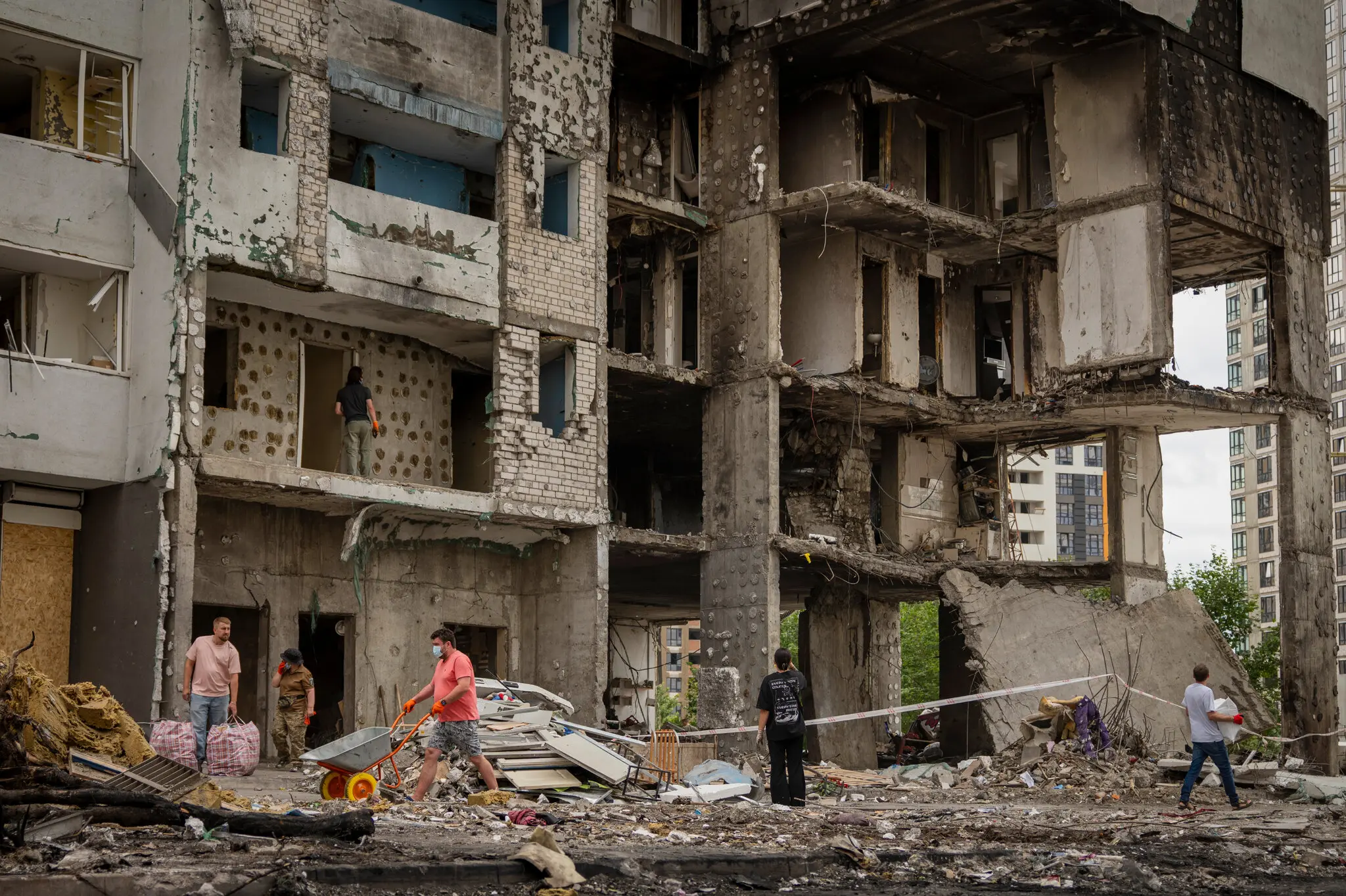
That is why this story matters. It is not only about one bakery, or even about taxes in the narrow sense. It is about the point at which a wartime economy the Kremlin tried for years to keep at arm’s length from ordinary Russians begins to press directly on the civilian sector, in places where the pressure is visible without any macroeconomic model: demand, rent, services, credit, staffing and everyday consumption.
The broader fiscal setting is stark. Russia’s Finance Ministry says the federal budget posted a deficit of 3.449 trillion rubles in January-February 2026, or about 1.5 percent of GDP. That is already close to the government’s full-year deficit target of 1.6 percent of GDP, meaning the budget began the year under much heavier strain than the Kremlin had planned for.
As Daycom sees it, the real significance is not that Russia has suddenly run out of money. It is that the Kremlin has entered a phase in which financing the war in Ukraine depends less on windfall earnings and more on direct extraction from the civilian economy. When the state can no longer rely comfortably on energy income and financial buffers, it comes for the bakery, the beauty salon, the café, the neighborhood service business.
The shift is easiest to see in the revenue structure. Reuters, as carried by The Moscow Times, reported that Russia’s oil and gas revenues fell nearly 50 percent year on year in January-February 2026. The same report noted that the budget deficit widened as those revenues weakened, underscoring how dependent the state remains on energy exports even after four years of war.
Yes, Moscow has received temporary relief from the jump in oil prices triggered by the Iran war. Reuters reported that the price spike gave Russia some breathing room and helped delay planned changes to the fiscal rule. But that only highlights the fragility of the model. If the state’s finances improve mainly because of an external geopolitical shock, not because the domestic economy has regained balance, then the underlying pressure has not been resolved. It has merely been postponed.
The scale of military spending makes the problem harder to hide. SIPRI estimates that Russia’s federal budget funding for the war and other military spending reached about 16 trillion rubles in 2025, or 7.5 percent of GDP. It also says planned military expenditure in the 2026 budget was reduced to 14.9 trillion rubles, but warns that the annual budget will probably be amended again, as it was twice in 2025. In other words, the civilian economy is not accidentally subsidizing the war. It is structurally built to do so.
Money is expensive, too. On March 20, 2026, the Bank of Russia cut its key rate by 50 basis points to 15 percent, saying the economy was approaching a more balanced growth path. But for small firms that do not live on state contracts, 15 percent is still a punishing cost of capital, especially when consumer demand is softening at the same time.
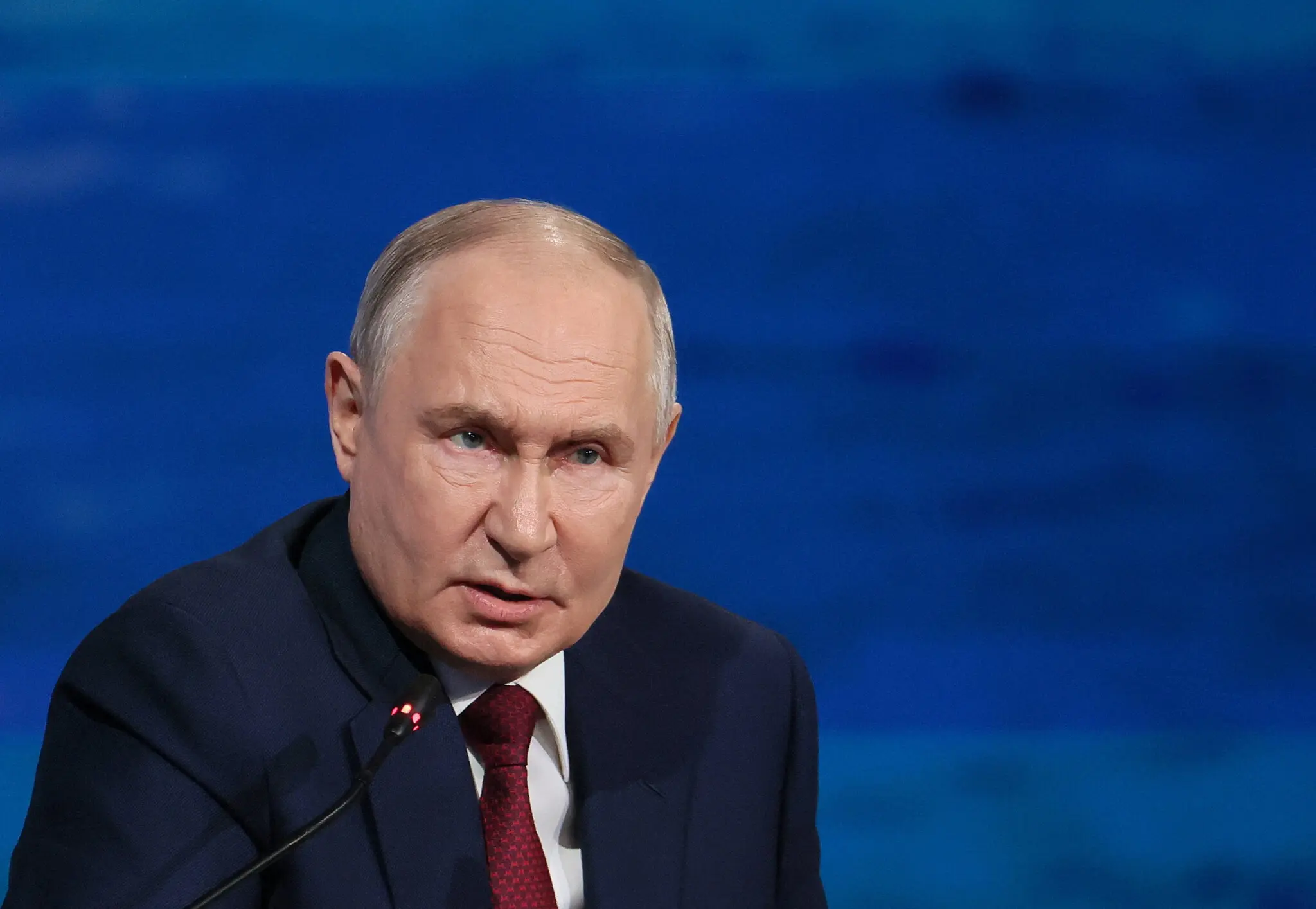
That is where Maksimov’s case becomes almost archetypal. After he appealed directly to President Vladimir Putin during the leader’s annual call-in show, he briefly received what in Russia often substitutes for policy: television exposure, official attention and a burst of customers. The Kremlin even publicized Putin eating pastries from his bakery. Yet once the publicity faded, so did the rescue. As the source text makes clear, the taxes remained, demand weakened again and the underlying economics of the business did not change.
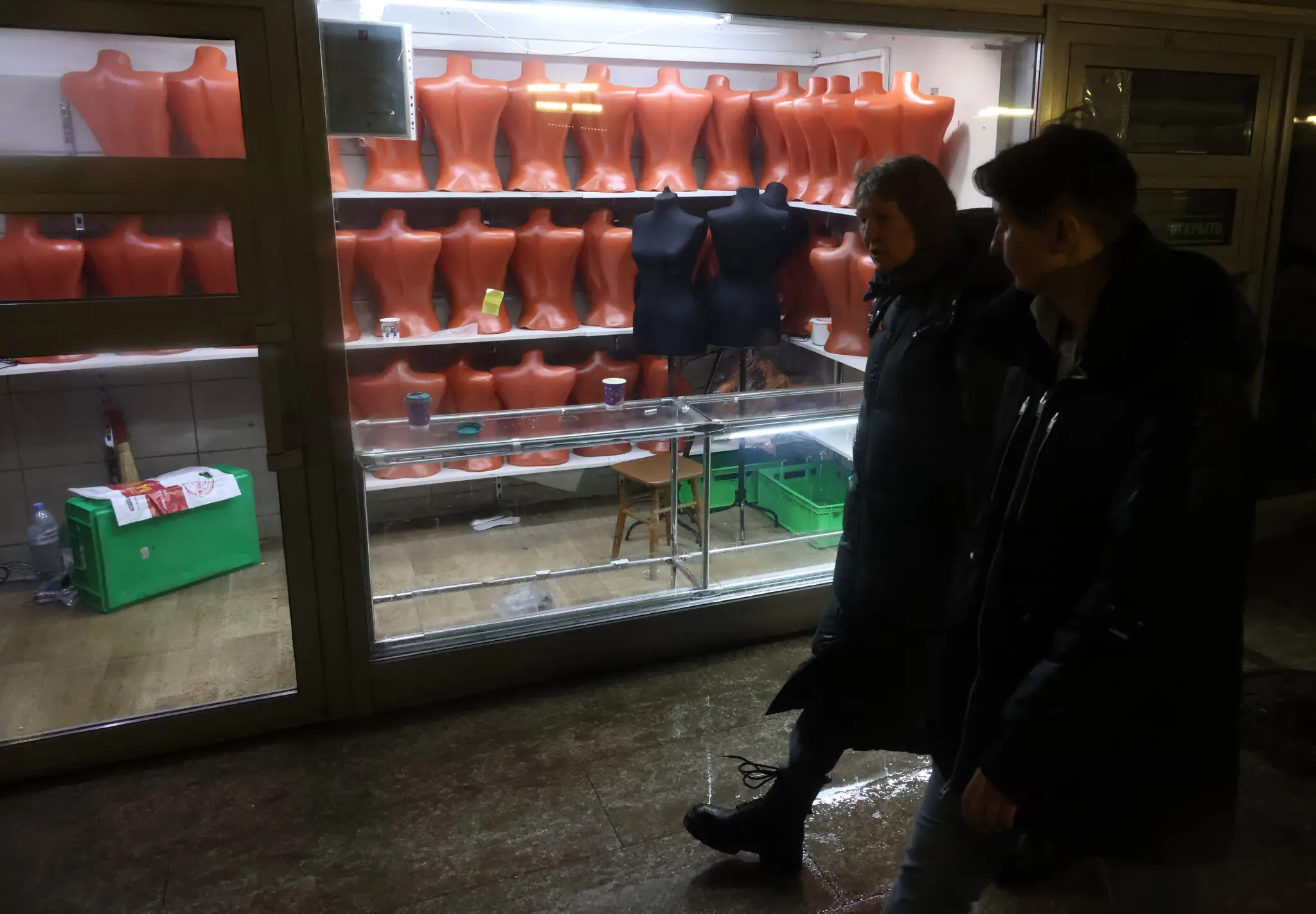 Манекени, виставлені в закритому магазині в Москві минулого місяця. Малий російський бізнес страждає від збільшення податкового навантаження, спричиненого майже чотирирічною війною з Україною — Getty Images
The pattern is familiar. The Russian system is often capable of saving a symbolic case after it becomes visible enough, especially when the president has taken notice. It is much less capable of addressing the conditions that made the case symbolic in the first place. A single bakery can be placed under political protection. An entire layer of small business cannot.
That is why the most useful way to read this episode is not as a sentimental story about a struggling bakery near Moscow. It is as a snapshot of a larger economic transition. Russia in 2026 does not look like a system on the edge of immediate collapse. It looks like a system slowly exchanging civilian vitality for wartime endurance. That is often more dangerous than dramatic breakdown. Decline arrives not as one great crash, but as a series of ordinary contractions — in income, in demand, in entrepreneurship, in urban life and in the ability to imagine a future outside the logic of permanent war.
In that sense, the bakery matters precisely because it is small. When a country can no longer fund war painlessly through reserves, oil and deferred risks, it begins paying for it in bread, beauty salons, local services and the nerves of people who once believed the “special military operation” would never make it all the way to their cash register.