























Donald Trump is trying to force Iran to give up a nuclear stockpile that became far more dangerous after his own decision in 2018. That year, the United States withdrew from the agreement that had limited Iran’s uranium enrichment and replaced it with sanctions, pressure and the expectation that Tehran would eventually yield.
It did not. Iran did not capitulate. It expanded its nuclear program faster than it could have under the earlier deal. The Trump administration is now dealing not with a theoretical threat after 2030, but with an actual stockpile of nuclear material that has already changed the balance of negotiations.
The problem is not limited to the half-ton of uranium enriched close to weapons-grade level. That stockpile is dangerous, but it is only the sharpest part of a wider picture. Iran now holds roughly 11 tons of uranium at various enrichment levels, which, if further purified, could be enough for dozens of nuclear warheads.
According to Daycom’s assessment, this is the central paradox of the current crisis: Trump wants an agreement that looks stronger than Barack Obama’s deal, but he is starting from a far worse position. In 2015, Iran shipped out nearly all of its uranium stockpile. Today, it uses the material it accumulated after the U.S. withdrawal as a political shield.
The 2015 nuclear agreement had obvious weaknesses. It did not permanently ban Iran from enriching uranium, did not resolve the problem of ballistic missiles and left many questions about Tehran’s regional policy unanswered. Its restrictions were time-limited rather than a final dismantling of Iran’s nuclear capacity.
But the agreement produced one concrete result: Iran had too little nuclear material to build even a single bomb. That is now the hardest achievement to reproduce. A promise of a “better deal” sounds persuasive only until the practical question arises: how to remove, dilute or neutralize the stockpile built up over years.
Trump often judges agreements by the force of their language. He is already saying that a new deal will be better than the previous one. But nuclear diplomacy with Iran is not measured in adjectives. It is measured in centrifuges, inspections, enrichment levels, uranium export routes, sanctions relief and the ability to verify every clause.
The most difficult U.S. demand is a full halt to further enrichment and the handover or neutralization of the material already accumulated. Iran resists both demands because they sit at the heart of its leverage. Giving up the uranium would mean giving up the bargaining power Tehran created after Washington left the deal.
Iran’s position rests on its claim to a right to peaceful enrichment under the nonproliferation regime. Formally, that still leaves room for compromise: not permanent surrender, but a long-term pause, moratorium or freeze under strict monitoring. Yet Trump’s language about an “unlimited” halt again narrows the space for a practical agreement.
For Iran, the nuclear stockpile is not only a technical asset. It is compensation for weakness after strikes on infrastructure, the killing of scientists, sanctions and pressure in the Strait of Hormuz. When a state cannot win economically, it raises the price of its concessions. Uranium becomes not fuel, but a language of negotiation.
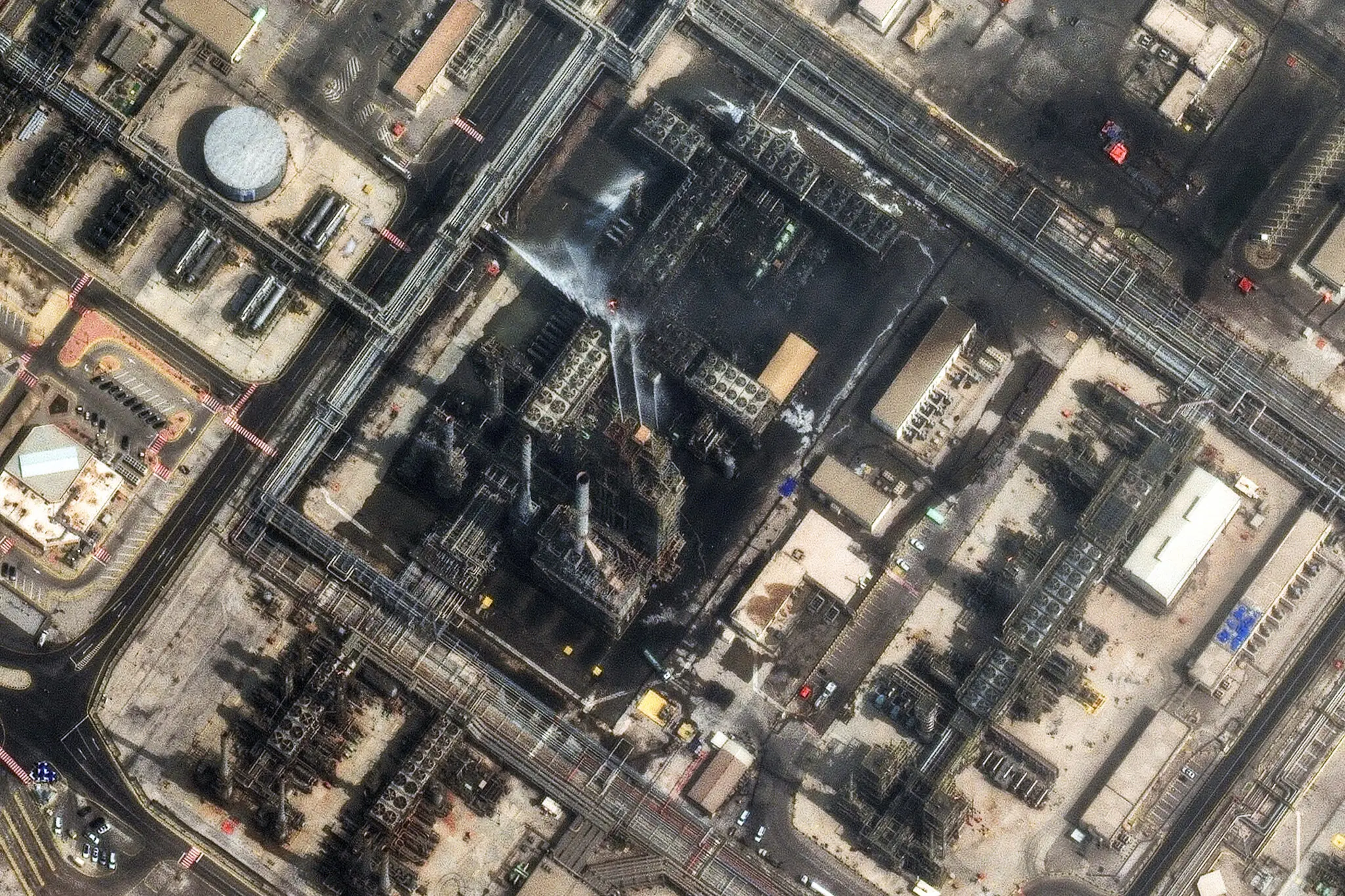
That is what makes this moment so dangerous. Even if U.S. strikes damaged facilities at Natanz, Fordow and Isfahan, knowledge cannot be destroyed by bombs. A nuclear program is not only concrete, tunnels and centrifuges. It is engineers, blueprints, production chains, underground sites and experience in evading control.
Trump has described Iran’s program as effectively destroyed. But setting a program back and removing the threat are different things. If a large share of the uranium stockpile survived, and if Iran has or can rebuild hidden enrichment capacity, military action delays the problem without solving it.
The question of location is especially troubling. The exact whereabouts of all uranium stockpiles remain uncertain. For the United States, this is an intelligence problem. For Iran, it is leverage. Uncertainty itself becomes a weapon: it forces Washington to account for what it cannot fully see.
This is one reason why simple military logic does not work here. A plant can be destroyed, but that does not guarantee that all material was inside it. A tunnel can be struck, but that does not prove the program lacks a smaller, deeper or newer node elsewhere. In a mountainous country, even a relatively compact facility can be hidden for a long time.
Trump’s negotiators are not dealing only with the nuclear file. They must fit missiles, sanctions, protection for protesters, the blockade of the Strait of Hormuz and guarantees for allies into one framework. That is an almost impossible set of issues if each demand is presented as an ultimatum rather than as part of a sequenced exchange.
Iran’s missile program is a separate knot. The earlier deal barely constrained it, and Tehran spent years developing delivery systems that could change the meaning of a nuclear breakout. Uranium without reliable missiles is one kind of threat. Uranium paired with effective delivery systems is another level of strategic pressure.
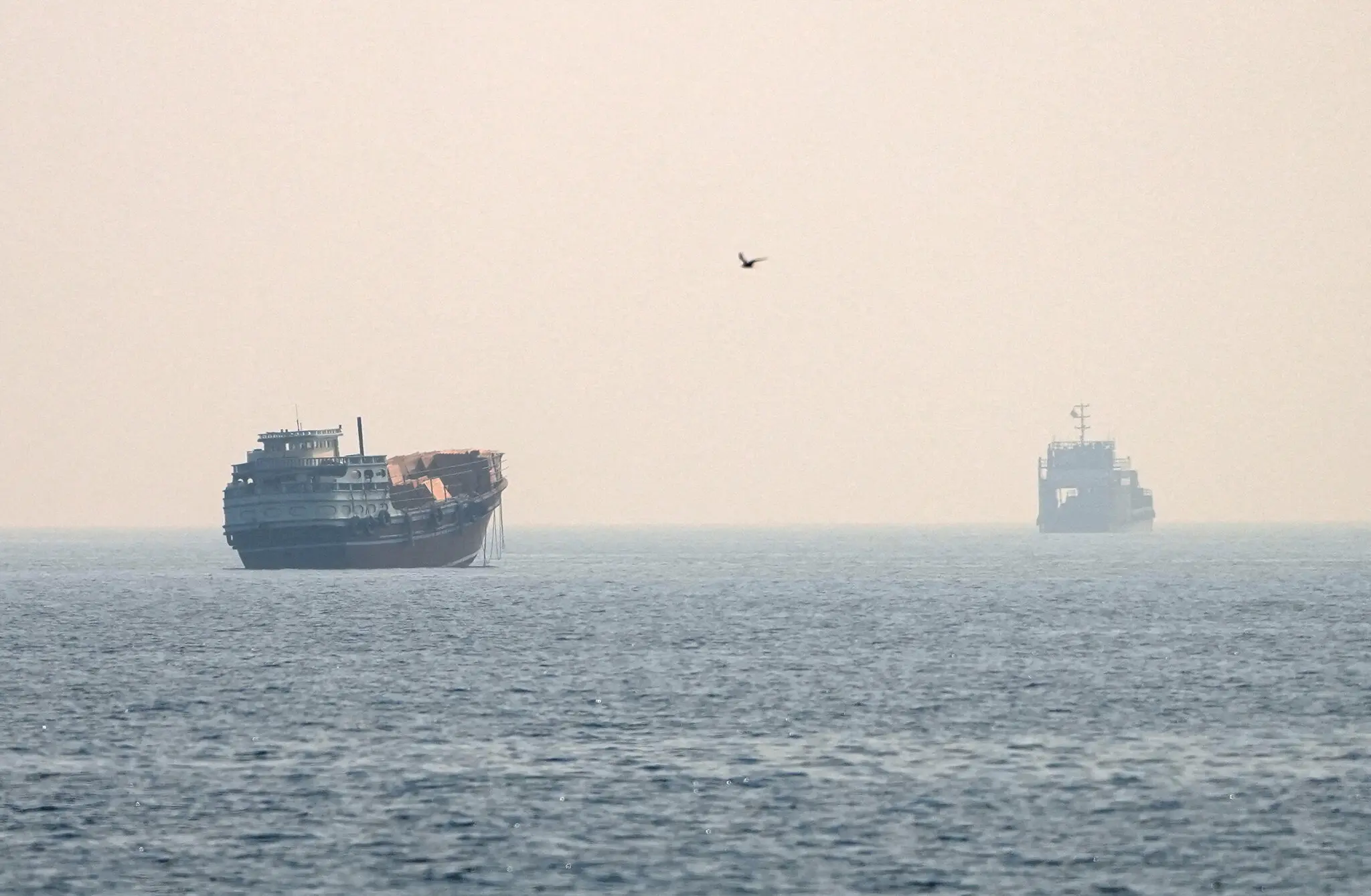
The Strait of Hormuz has become another Iranian lever. Tehran has learned that a few mines, threats to shipping and the ability to slow a global energy artery give it influence that does not require launching a missile. It is pressure on the world economy that can be turned up or down depending on the negotiating moment.
Trump is therefore facing a more complicated version of the same problem he once called a terrible deal. Then, he argued that the restrictions were insufficient. Now, he must seek restrictions in a situation where Iran has more material, more experience, more resentment and more reasons not to trust an American signature.
The most important question for any new agreement is verification. If inspections are not deep, continuous and technically credible, Iran will retain room to maneuver. If they are too humiliating for Tehran, no agreement may emerge at all. Between control and acceptability lies a narrow diplomatic corridor.
Sanctions relief will also be an unavoidable part of any bargain. Without tangible economic benefit, Iran has little reason to surrender its main source of leverage. But for Trump, that is politically dangerous: he spent years arguing that pressure was stronger than compromise, and now may be forced to pay for a return to containment.
The price of 2018 is now visible. Withdrawal from the deal did not destroy Iran’s program; it accelerated it. Sanctions did not force Tehran to accept better terms; they gave it a reason to accumulate uranium. Military force damaged facilities, but it did not erase knowledge or guarantee control over the stockpiles.
None of this means the earlier deal was perfect. It was temporary, incomplete and politically vulnerable. But it held the most dangerous element — the stockpile of nuclear material — at a level that prevented a rapid breakout. That safeguard now has to be rebuilt under far worse conditions.
For the United States, the current negotiations are not only an attempt to stop Iran. They are an attempt to regain control over the consequences of its own policy. Trump wants a deal that proves he was right. But nuclear diplomacy rarely allows the past to be rewritten. It forces payment in centrifuges, tons of uranium, inspection regimes and the risk of another war.
Iran’s nuclear program today is not one facility, one warehouse or one political slogan. It is a dispersed system of material, knowledge, underground infrastructure and strategic blackmail. It cannot simply be declared destroyed. It can only be limited slowly, rigorously and with exhausting precision.
That is why Trump’s hardest task is not to produce a “better” agreement on paper. It is to achieve what he once dismantled: real stockpile reduction, verifiable limits on enrichment and a monitoring regime strong enough to survive not one political season, but the next crisis of trust.