

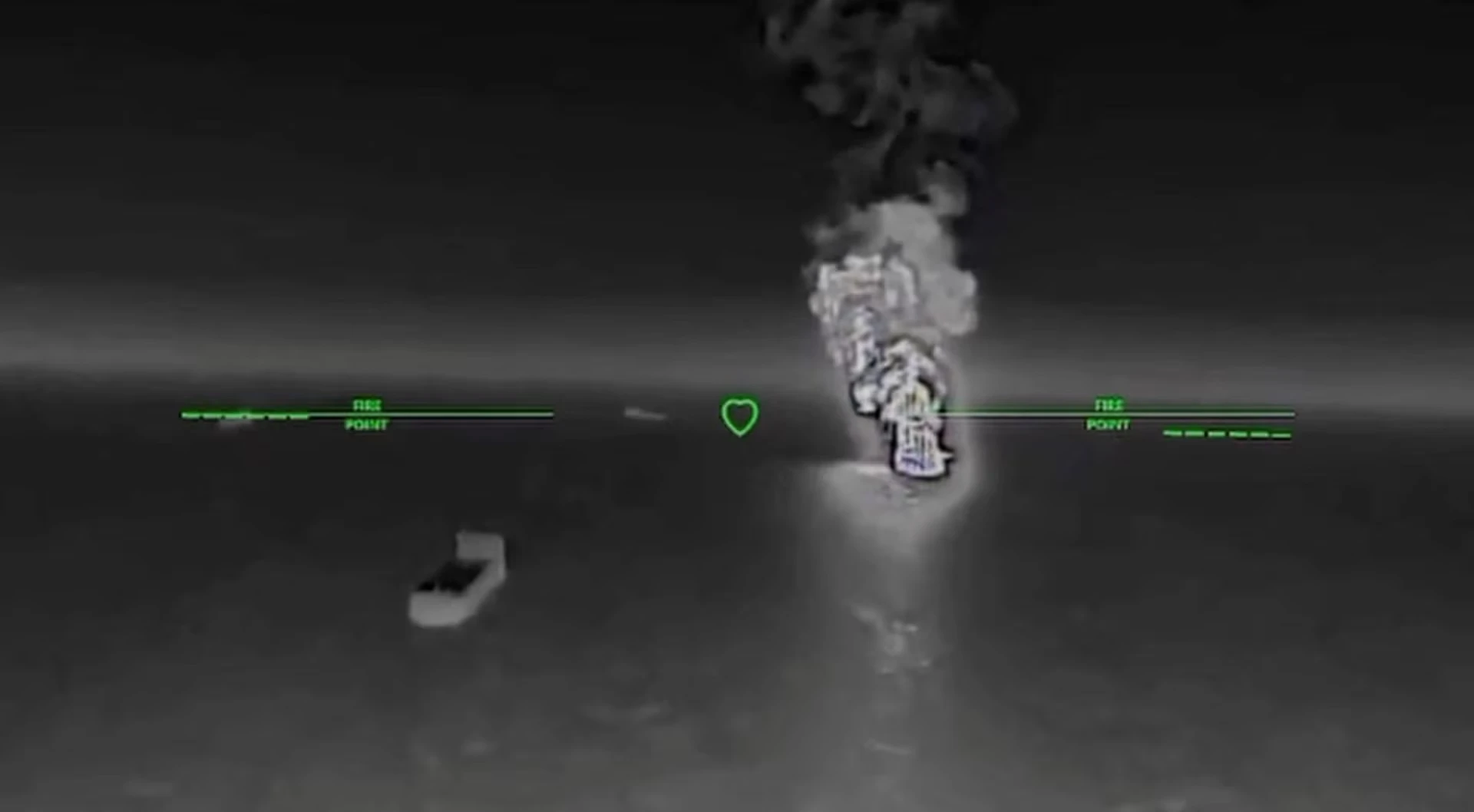




















Every major campaign reaches a moment when the official language of control collides with an event too visible to be absorbed by rhetoric. In this war, that moment came with the reported downing of an American F-15E over Iran. It was not just another operational setback. It was the first unmistakable sign that the air war itself may be entering a more dangerous phase.
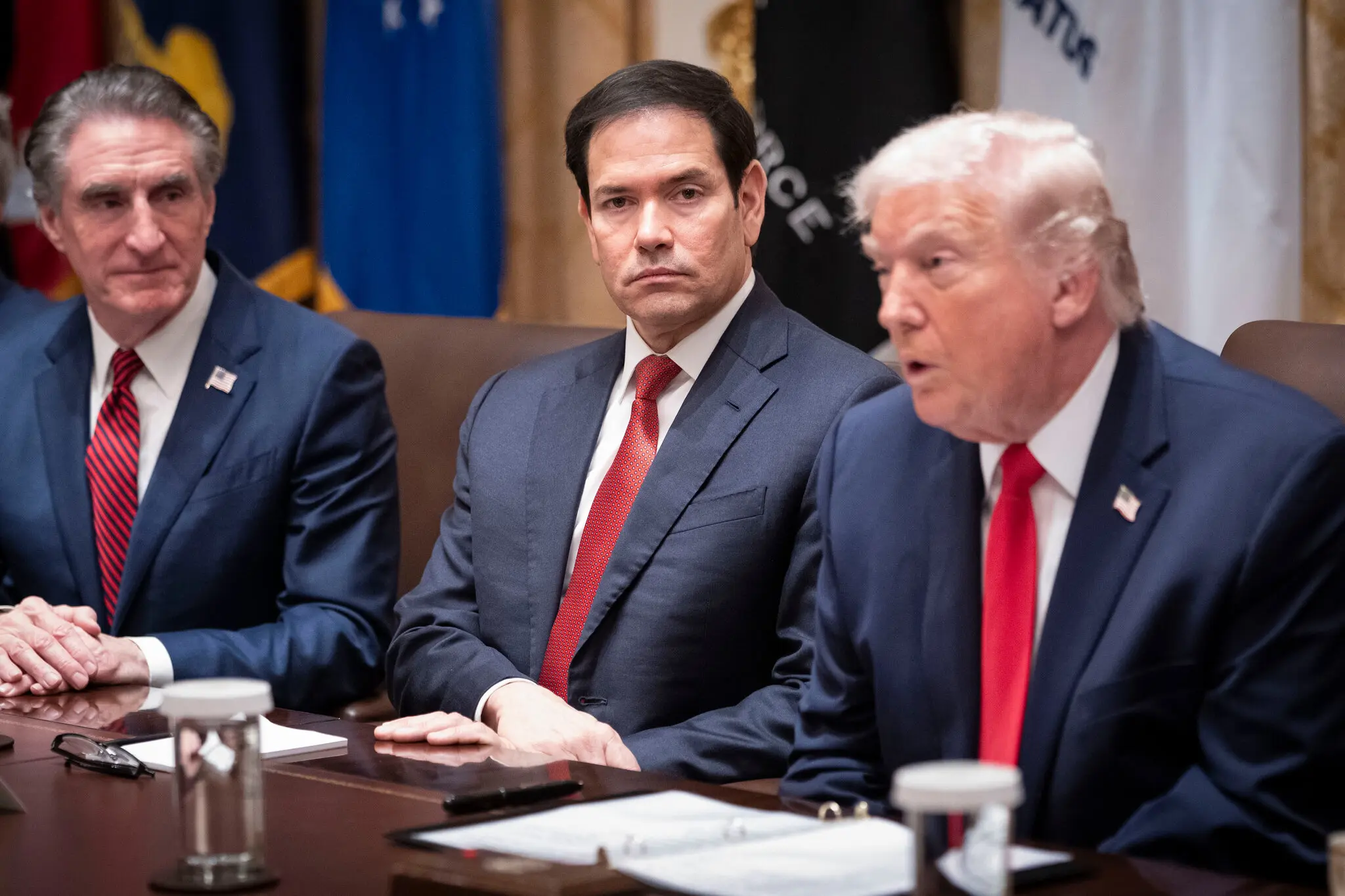
The timing matters as much as the loss. The aircraft went down as Donald Trump was publicly celebrating the U.S. strike on a bridge near Tehran and warning that more destruction would follow. A day earlier, he had promised weeks of intense bombing and threatened still broader attacks on Iranian infrastructure. The political script was meant to project momentum, inevitability and near-total control.
That is why the incident carries a significance far beyond one aircraft. It punctures the central image Washington has tried to impose on the conflict: that the campaign is nearing completion and that Iran can do little except absorb punishment. Once an American warplane falls inside hostile territory, the war stops looking like a one-sided exercise in coercion and begins to look again like a contest in reciprocal risk.
As Deykom sees it, the real meaning of the loss lies not in the airframe alone, but in the collapse of the illusion of a consequence-free sky. Until now, the American campaign had leaned heavily on the logic of technological dominance. Strikes on bridges, infrastructure nodes and strategic facilities were meant to show that the United States could set the tempo of war without paying a visible price. A downed F-15E is the first public event to challenge that formula directly.
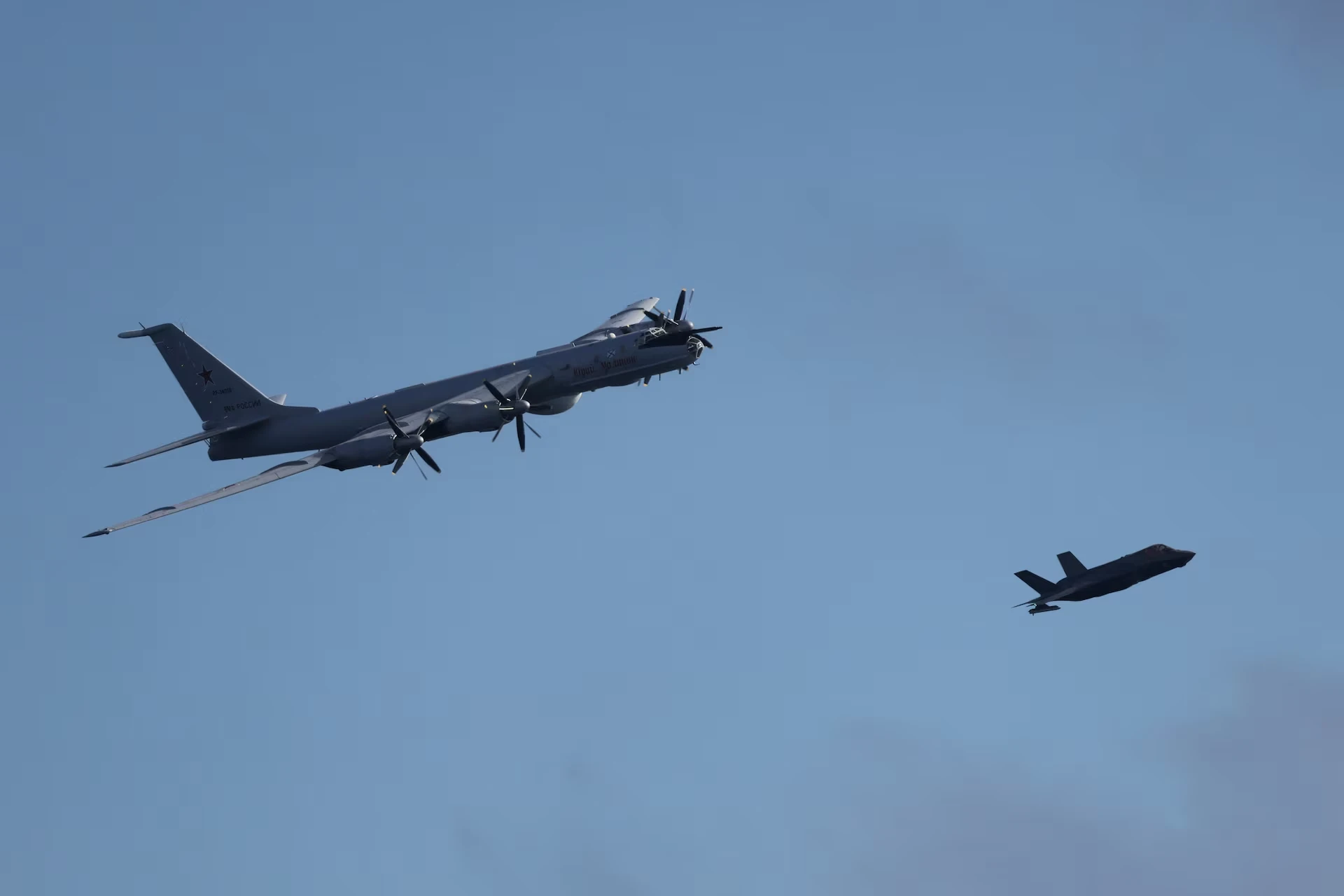
The type of aircraft matters here. The F-15E Strike Eagle is not a symbolic or marginal platform. It is a dual-seat strike fighter built for deep missions, precision attack and operations in demanding conditions. In practical terms, it represents one of the clearest expressions of America’s capacity to penetrate contested airspace and impose damage at distance. Losing such an aircraft over Iran is therefore more than a tactical embarrassment. It raises a strategic question.
That question is simple: after weeks of bombardment and repeated declarations that Iranian power has been broken, how intact is Iran’s ability to impose costs on American operations? If Tehran has shown that it can hit a platform like the F-15E over its own territory, then its defensive architecture remains more resilient than Washington’s public messaging has allowed. Even a single success can reshape the political interpretation of an air campaign.
The uncertainty surrounding the crew deepens the significance of the event. A strike aircraft like the F-15E carries two people, and any ambiguity over whether they survived, were recovered or fell into hostile hands immediately expands the meaning of the incident. In wars like this, uncertainty is not merely informational. It is psychological. It creates room for military pressure, propaganda value and political leverage all at once.
For the White House, this produces a problem that cannot be solved by escalation in tone alone. Threats to drive Iran “back to the Stone Age” rely on a particular image of American power: overwhelming, distant, insulated from serious retaliation. That image weakens the moment the adversary demonstrates that it can bring down high-value American aircraft and force Washington into urgent rescue calculations inside a hostile battlespace.
A deeper paradox is emerging as well. At the very moment when the United States is widening its list of infrastructure targets and using the destruction of bridges and threats against power plants as tools of coercion, its own air campaign is becoming more visibly vulnerable. The symbolism cuts both ways now. Damage on the ground no longer eclipses danger in the air.
Operationally, this is likely to push the United States toward greater caution, whether publicly acknowledged or not. More reliance on stand-off strikes, more intensive suppression of Iranian air defenses and greater reluctance to expose crewed platforms deep inside Iranian airspace would all follow naturally from such an event. That would not mean the air war is failing. But it would mean it is becoming more expensive, more deliberate and less politically clean.
For Tehran, by contrast, the incident carries value far beyond the immediate military result. After weeks of strikes on Iranian sites, infrastructure and transport links, even a single dramatic proof that American aircraft can be brought down serves an important strategic purpose. It tells the Iranian public that the state is not defenseless. It tells the region that U.S. superiority has limits. And in a war of attrition, that symbolic effect can matter almost as much as material damage.
The downing also changes the diplomatic atmosphere around the conflict. U.S. partners in the Gulf are reminded that this is not a sterile technology-driven campaign with predictable boundaries. America’s adversaries see evidence that the war remains contested. Markets, already unsettled by attacks on infrastructure and maritime risk, are given another reason to assume that the conflict may widen, harden and become less manageable.
This is why the incident should not be treated as a technical footnote to another day of war. It marks a shift in perception. A campaign built on coercion has suddenly received a highly visible answer: even the most powerful air force cannot strike indefinitely while preserving the political fiction of its own invulnerability. Once that fiction cracks, every threat sounds different, every escalation carries more weight, and every next mission enters a different kind of sky.
That is the real significance of the downed F-15E over Iran. It does not reverse the balance of force. It does something more subtle and, in some ways, more important. It restores danger to a war that Washington had tried to frame as controlled, linear and nearing conclusion. After this, the skies over Iran no longer look like a domain of unilateral power. They look like contested space again.