


























The U.S. House of Representatives has unexpectedly pulled Ukraine back into the center of American politics. After months of obstruction, party pressure and Republican leaders’ refusal to bring the issue to a vote, lawmakers approved a new package of support for Kyiv and sanctions against Russia’s war economy.
The measure passed 226 to 195. The decisive fact was that 18 Republicans broke with their party leadership and joined Democrats. Formally, this is not yet a final victory: the bill must still pass the Senate, and Donald Trump is almost certain to try to stop it.
But the political meaning of the vote has already landed. In a House where support for Ukraine had long been held hostage by Republican infighting and Trump’s will, a majority emerged to say that Congress is not prepared to hand foreign policy to the White House without conditions.
According to Daycom’s earlier analysis, this vote matters not only because of the money involved. It is part of a broader process in which Republicans are beginning to test the limits of Trump’s power — first over the war with Iran, now over Ukraine, sanctions and Congress’s right to shape the cost of American involvement in global conflicts.
The package would provide $8 billion in loans to Ukraine and another $1.8 billion in military and security assistance. That structure is not accidental. It partly reflects Trump’s demand for fewer outright grants and more mechanisms that can be presented as financially responsible support.
The loan format makes the vote politically stronger. Ukraine’s supporters showed they are willing to speak a language some Republican voters find more acceptable: not a “blank check,” but a tool that helps an ally fight while avoiding the image of limitless spending at the expense of American taxpayers.
The second part of the bill is sanctions. It targets not only Russian companies and officials, but also foreign entities helping Moscow evade restrictions. That matters because Russia’s war economy has learned to survive not without the West, but through detours: intermediaries, third countries, shadow supplies, financial buffers and logistics schemes.
For Moscow, that may be more painful than symbolic statements. Russia fights not only with tanks and missiles, but with imported components, energy revenues, access to technology and the ability to buy scarce goods through indirect channels. Sanctions aimed at intermediaries are designed to close precisely those gaps.
Yet the main drama unfolded not between Democrats and Republicans, but inside the Republican Party. Speaker Mike Johnson had denied the bill a normal route through committee and refused to bring it to the floor. Supporters were forced to use a rare procedural workaround — a discharge petition to force a vote.
That tool is almost always a sign of distrust toward leadership. It means that part of the House is no longer waiting for permission from above. In this case, Democrats and a small group of Republicans effectively took the Ukraine question out of the hands of the party apparatus and returned it to the voting floor.
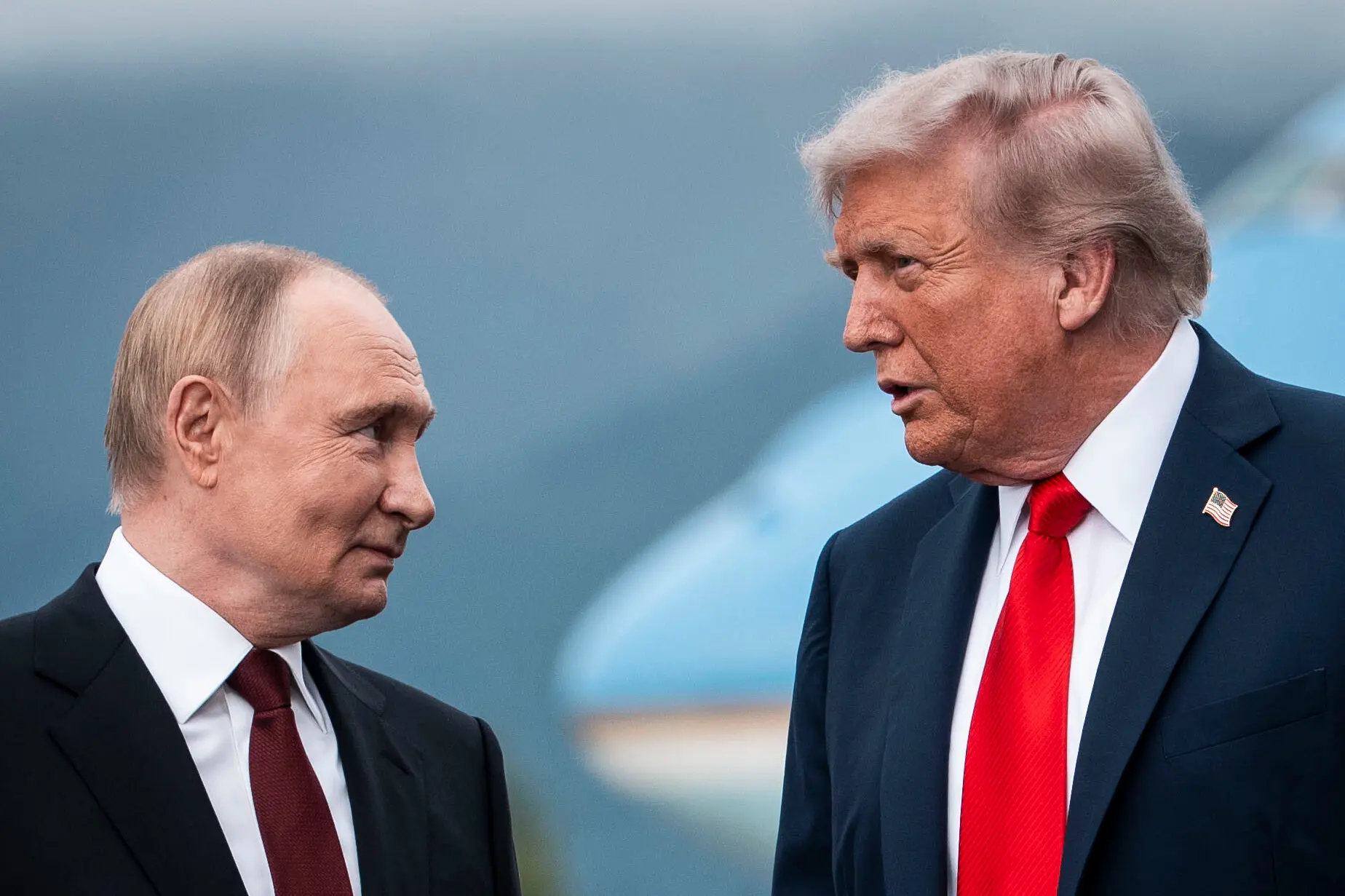
For Trump, this is the second foreign-policy blow in a week. Earlier, some Republicans backed an effort to limit his ability to continue the war with Iran without congressional approval. Now another group has effectively said that the president cannot freeze support for Ukraine simply because it complicates his negotiating formula with Putin.
Republican opponents of the package argue that new sanctions and aid could tie the president’s hands and make peace talks harder. This is the familiar logic of the Trump camp: any pressure on Russia is framed as an obstacle to peace, and any assistance to Ukraine as a continuation of war.
Supporters of the bill see it differently. Without weapons, money and sanctions, Kyiv enters negotiations weaker, while Moscow enters them more confident. If Russia believes American support for Ukraine is running out, it has no reason to compromise. If it sees that Congress can still act, its bet on Washington’s political fatigue becomes less reliable.
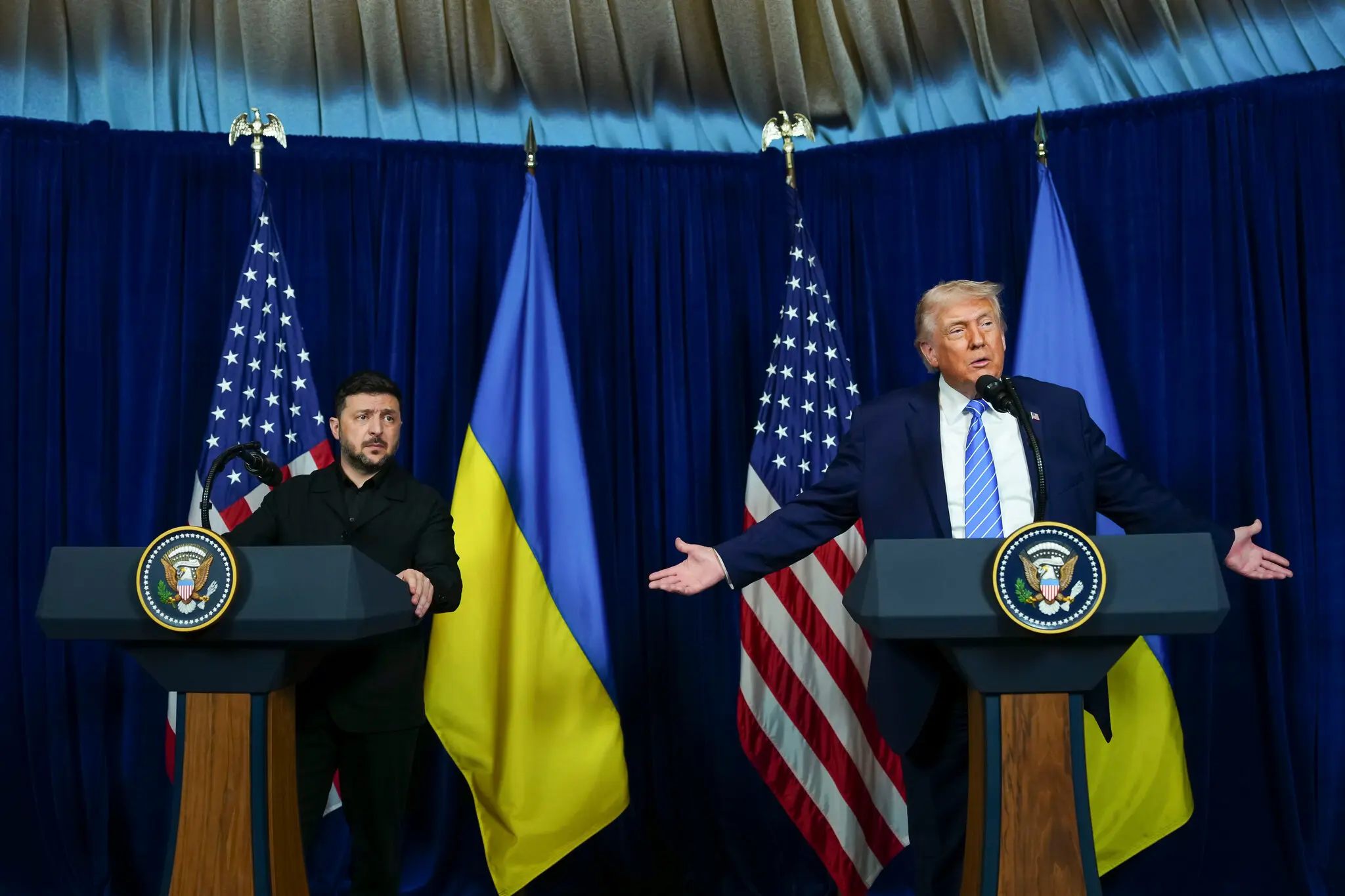
That is why the vote matters at this diplomatic moment. Zelensky has just publicly offered Putin direct talks, pairing the proposal with a display of Ukrainian long-range capability and sharp criticism of the Russian leader. In that context, an American signal of support strengthens Ukraine’s position: Kyiv is ready to talk, but not empty-handed.
For Ukraine, this is the first approval of significant financial support by the House in more than two years. The previous major package required Johnson to put his own position at risk. Since then, aid to Kyiv has become one of the central battlegrounds between traditional Republican hawks, MAGA isolationists and Democrats.
This vote does not fully restore the old consensus. That consensus no longer exists. But it shows that support for Ukraine in Congress has not disappeared. It has become more complicated, more costly and more procedurally exhausting — but it is not dead.
For the Republicans who supported the package, the vote carries risk. They are defying party leadership and a president who has repeatedly punished disloyalty in primaries. But their decision points to a different calculation: some lawmakers are beginning to fear not only Trump’s anger, but the possibility that unlimited loyalty to him could become a political and historical mistake.
In that sense, the Ukraine vote was not only about Kyiv. It was a vote about Congress itself. About whether the legislative branch can still act when the White House seeks to monopolize war, peace, sanctions and negotiations. About whether the House still has an independent foreign-policy will.
The road ahead will be harder. The bill may stall in the Senate. Trump can pressure Republicans, threaten a veto and present the measure as sabotage of his diplomacy. Even passage through both chambers would not guarantee that aid reaches Ukraine quickly.
But the political event has already happened. Eighteen Republicans and Democrats showed that the Ukraine question is not fully under Trump’s control. For Kyiv, it is a breath of air. For Moscow, an unpleasant signal. For Congress, a reminder that its power does not begin when the president allows a vote, but when lawmakers decide to use the authority they already have.