





















The Kremlin has described its latest mass strikes on Ukraine as evidence of a “new paradigm” in the war. There is more politics than military novelty in that phrase: Moscow is again trying to present its own escalation as a forced response, not as the continuation of a systematic campaign against Ukrainian cities.
Dmitry Peskov said the war had supposedly entered a different mode because of what the Kremlin called “inhumane acts of terror” by Ukrainian forces. He was referring to Moscow’s version of a strike on a dormitory in the occupied part of the Luhansk region, where Russia says 21 people were killed.
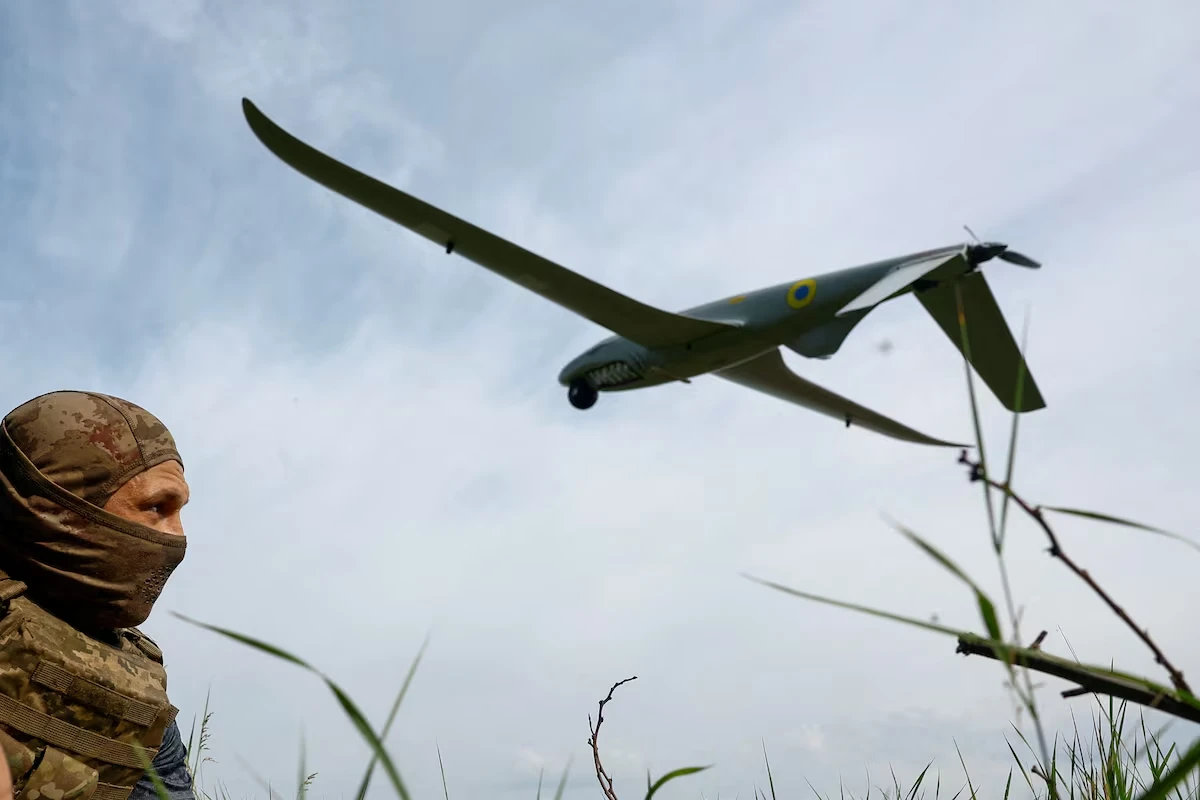
Ukraine rejects the claim that it struck a civilian dormitory and says the target was a drone command center near Starobilsk. Around that contested episode, the Kremlin is now building a political justification for new attacks on Kyiv, Dnipro, Kharkiv and energy infrastructure.
According to Daycom’s assessment, the word “paradigm” in Kremlin rhetoric functions as a screen. It is meant to create the impression of a strategic shift, although in practice Russia is doing what it has done before: launching drones, missiles and ballistic weapons, exhausting air defenses and trying to break Ukraine’s civilian endurance.
For Russia’s domestic audience, this language is useful because it explains why the war is now in its fifth year and why Ukraine is increasingly able to strike Russia’s rear. The Kremlin offers a simple frame: Russia is not stuck in a long war; it is supposedly entering a new stage because of Kyiv’s actions.
This is a classic structure of Russian wartime propaganda. First, an event is selected in territory controlled by occupation authorities. Then it is loaded with moral outrage. After that, strikes on Ukraine are attached to it, and responsibility for escalation is shifted onto the victim of aggression.
The danger of this rhetoric is that it blurs the line between a real investigation and political permission for new violence. Where independent verification is impossible, the Kremlin quickly creates a finished story: who is guilty, why Russia is “responding” and why new destruction should be accepted as inevitable.
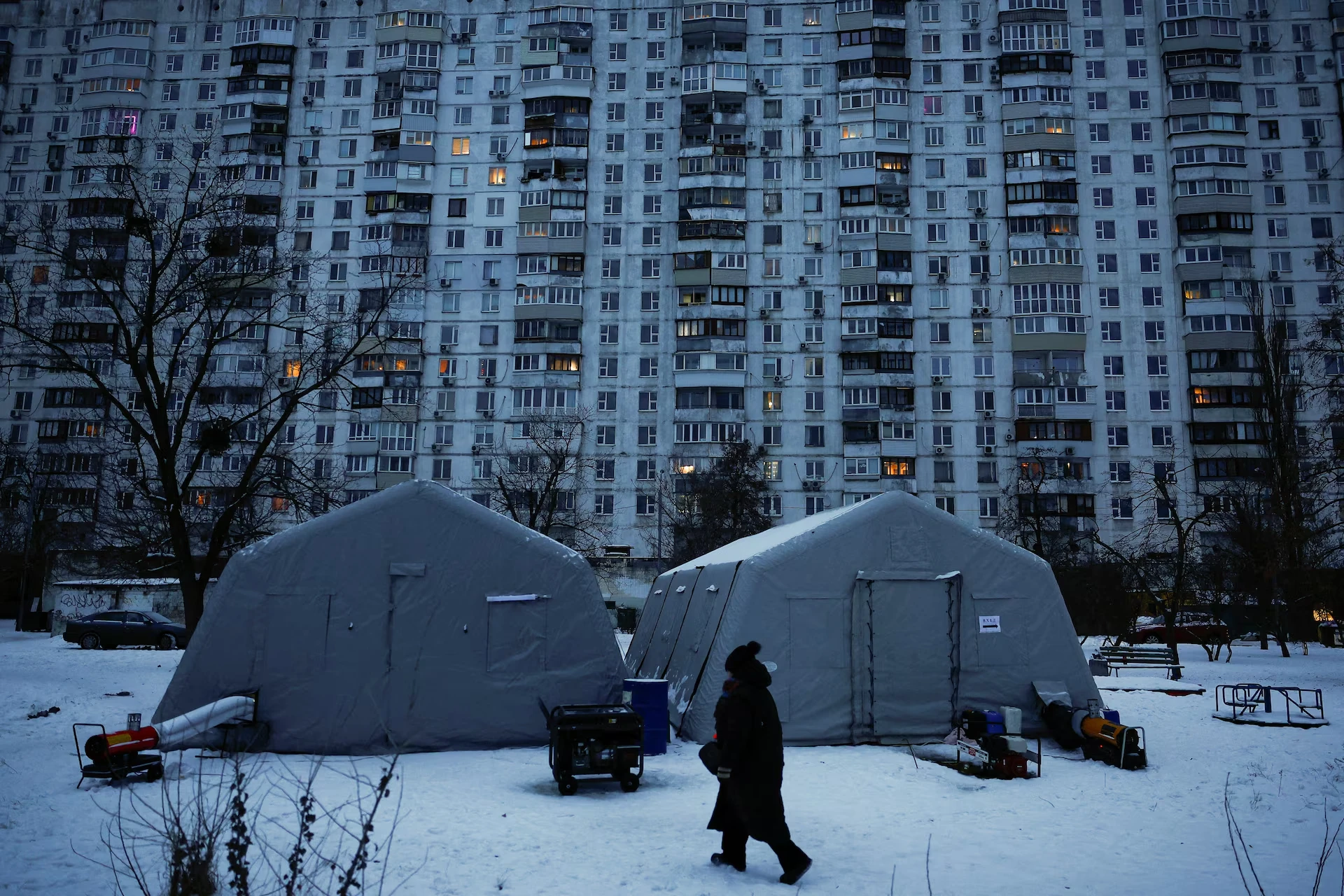
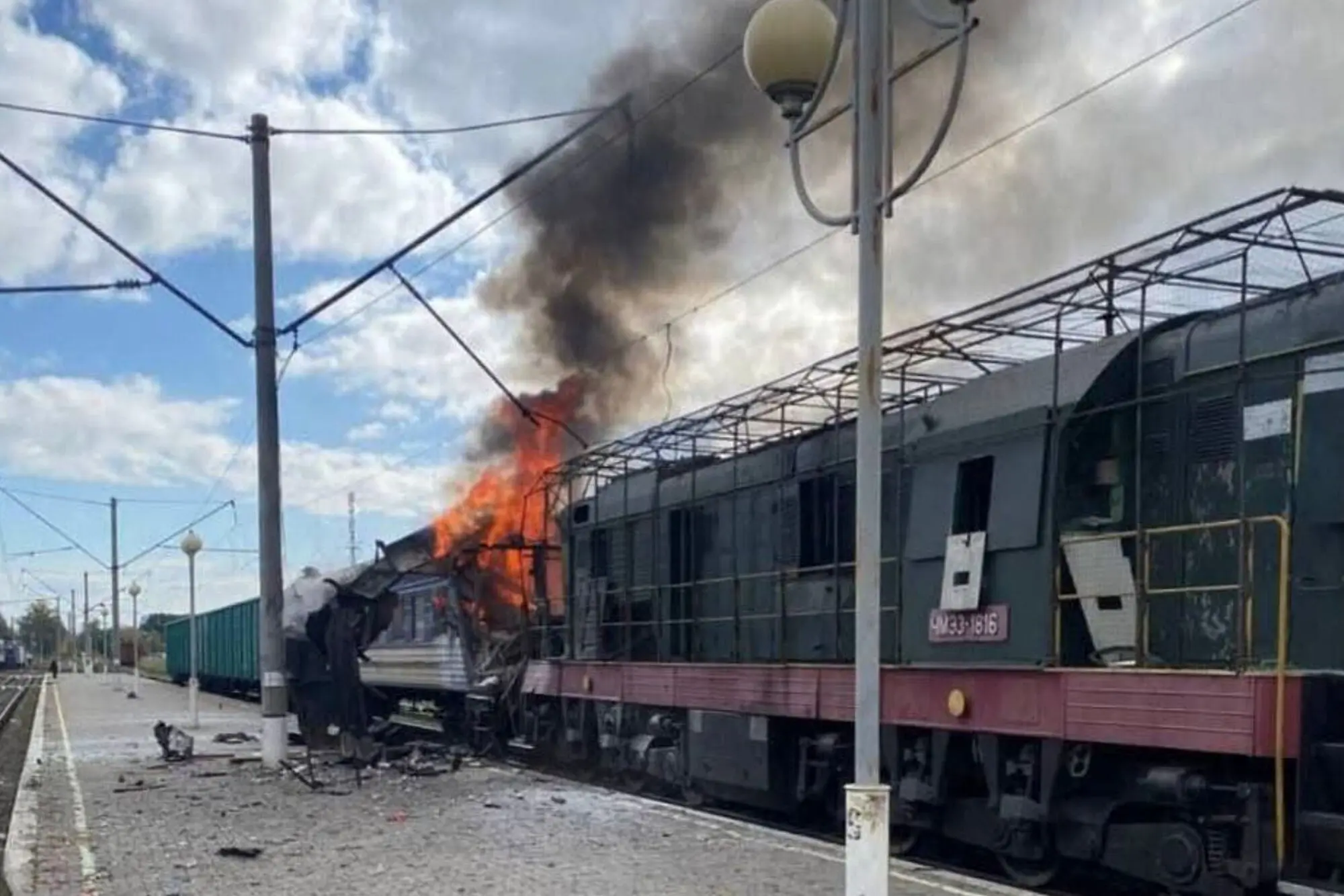
In practice, Russia’s “response” again struck civilian space. After the overnight attack, the number of dead and wounded rose; children were among the victims in Dnipro, while apartment buildings and urban infrastructure were damaged in Kyiv. That sits poorly with the language of precise military retaliation.
Mass strikes follow a different logic. Russia is trying to maintain constant pressure on Ukraine’s skies, force air defenses to work without pause, drain scarce interceptors and keep the population in a rhythm of night alerts. This is a war not only against facilities, but against society’s ability to recover.
That is why Peskov’s formula about a “new paradigm” sounds like preparation for continued strikes. It does not explain a completed action; it opens space for the next attacks. The Kremlin is effectively signaling in advance that any new level of intensity can now be called part of a new phase.
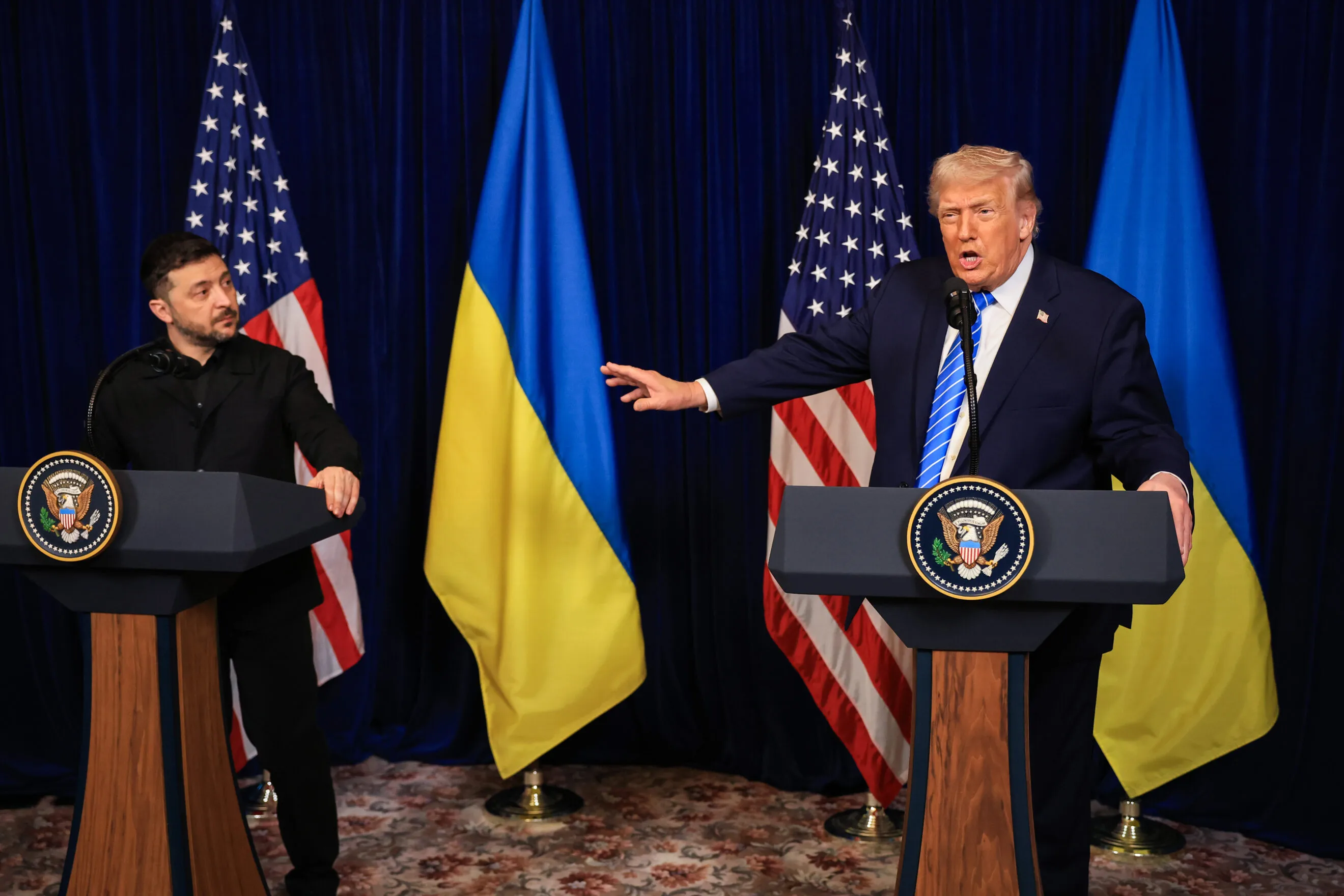
Another important detail is the statement that the peace process has been paused, while contacts between Russia and the United States on Ukraine continue. This is a double signal: Moscow is demonstrating hardness on the battlefield, but keeping open channels through which it can bargain over conditions, tempo and the political frame of future talks.
For Ukraine, this means military and diplomatic pressure will move in parallel. Russia attacks cities, speaks of “terror” by Kyiv, declares the peace process frozen, yet keeps contacts with Washington as a tool in the wider political game.
It is also an attempt to influence Ukraine’s partners. Moscow wants every Ukrainian strike on Russian military nodes or occupied territory to be viewed in the West as a risk of new Russian escalation. In this way, the Kremlin tries to turn fear of retaliation into a constraint on Ukrainian defense.
That approach matters especially as Ukraine needs Patriot systems, interceptors and broader anti-ballistic protection. If Russia increases mass attacks while the West hesitates on deliveries, the Kremlin gains exactly the space it wants: more time to strike and more chances to exhaust Ukrainian defenses.
At the same time, Peskov’s words reveal the weakness of Russia’s position. When the state that launched the full-scale invasion must constantly prove that it is merely “responding,” it means it needs moral cover for actions that otherwise look exactly like continued aggression.
Ukraine cannot allow the Kremlin to fix that frame. A strike on a military command center, if that was indeed the target, cannot automatically become justification for attacks on residential neighborhoods. Russia’s claim of a “new paradigm” does not erase the fact that Russia was the state that brought the war onto Ukrainian territory.
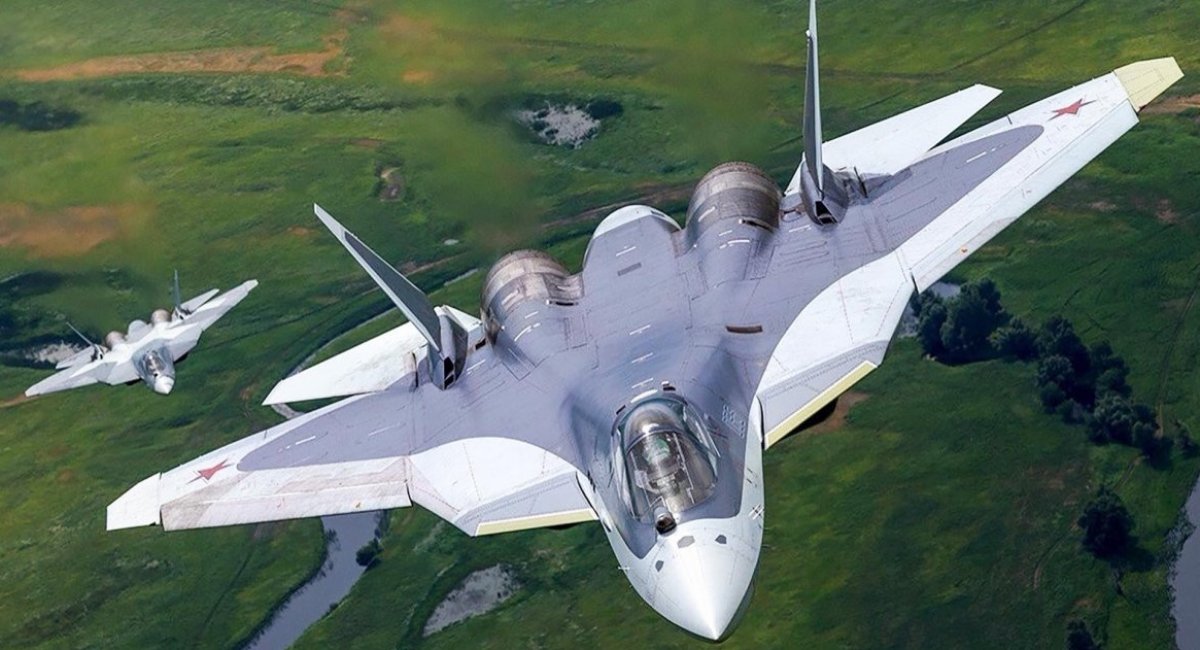
What is actually new is not the paradigm, but the scale of aerial exhaustion. Russia is combining hundreds of drones, dozens of missiles, ballistic weapons and hypersonic systems to search for weak points in Ukrainian defense. But the strategic goal remains old: to make Ukraine pay for resistance with civilian lives and destroyed cities.
The answer must therefore be both military and political. Ukraine needs air-defense systems, long-range capabilities against the infrastructure of war, steady allied support and clear international language that does not allow Moscow to rename aggression as “response.”
The Kremlin can change its vocabulary, but not the nature of its war. Peskov’s “new paradigm” is an attempt to give an old tactic a new sound. Behind it are the same drones, the same missiles and the same attempt to break Ukraine through fear and exhaustion. That is why the phrase should be read not as a description of reality, but as a warning of the next wave.