


















Ukraine’s presidential office has asked the country’s top prosecutor to assess whether there are grounds for criminal proceedings against Alexander Lukashenko. The allegations concern possible complicity in war crimes, the forced transfer of Ukrainian children and acts described as state terror.
The request originated with the Belarus Democratic Forum, an opposition group operating in exile. Its representatives argue that Minsk was not merely a passive neighbor of Russia, but provided territory, infrastructure and political cover for the invasion of Ukraine.
Forwarding the appeal does not mean that a case has been opened or charges filed. Prosecutors must first determine whether sufficient evidence exists to establish Lukashenko’s personal responsibility and whether Ukrainian law permits proceedings over specific episodes.
In Daycom’s assessment, the significance of the move extends far beyond the prospect of a courtroom appearance. Lukashenko is unlikely to submit voluntarily to Ukrainian justice, but a criminal case could transform him from a politically toxic autocrat into a legally pursued accomplice to the war.
Belarus became one of the principal staging grounds for Russia’s full-scale invasion in February 2022. Russian troops advanced toward Kyiv from Belarusian territory and used the country’s airfields, roads, military bases, communications systems and training grounds.
The Belarusian army, however, did not formally enter the war. Lukashenko has repeatedly said that he would not send his soldiers to fight in Ukraine. That distinction allowed him to deny being a direct belligerent while continuing to provide Moscow with practical support.
Kyiv may now challenge that construction. Between personally commanding combat operations and bearing responsibility for enabling aggression lies a broad legal field that includes the provision of territory, military infrastructure, intelligence assistance and logistics.
Ukrainian investigators would need to prove not only that Russia used Belarus, but also the degree of control Lukashenko exercised over the relevant decisions. His decades of personalized rule make the political inference easier, but a criminal charge requires specific orders, documents and a demonstrable chain of causation.
The most sensitive allegation concerns Ukrainian children. The opposition points to at least 2,442 children transferred to Belarus through organized programs. Minsk has described the initiative as temporary recuperation for children traumatized by war.
The legal assessment would depend on the circumstances of each transfer: whether parents or guardians consented, whether children were free to return, whether documents were altered, what kind of political instruction they received and whether there were efforts to sever their connection to Ukraine.
The forcible transfer of children from occupied territory may constitute a war crime. Under certain conditions, the systematic transfer of children from one national group to another may also fall within the legal framework of genocide. Such a charge, however, requires proof of a specific intent to destroy the group in whole or in part.
The opposition’s appeal is therefore only a starting point. The political clarity of Lukashenko’s alliance with Vladimir Putin cannot substitute for the legal standard of proof. Prosecutors must separate public accusations from episodes that can be documented and personally linked to the Belarusian leader.
For Lukashenko, the immediate danger is less the prospect of arrest than the accumulation of legal restrictions. A domestic warrant, an international notice or evidence submitted to foreign courts could narrow the number of countries he can safely visit and make diplomatic engagement more difficult.
Criminal proceedings could also become an argument against easing sanctions. Lukashenko has been trying to negotiate with the administration of Donald Trump over the gradual removal of U.S. restrictions in return for the release of political prisoners.
That arrangement allows Minsk to turn repression into diplomatic currency: the regime first imprisons opponents and then releases some of them in exchange for concessions. A war-crimes case would make such a bargain more politically costly for Washington.
The release of political prisoners remains an important humanitarian outcome. It does not erase possible responsibility for assisting the war or transferring children. Otherwise, the regime would receive a dangerous message that domestic repression can be traded for immunity over external aggression.
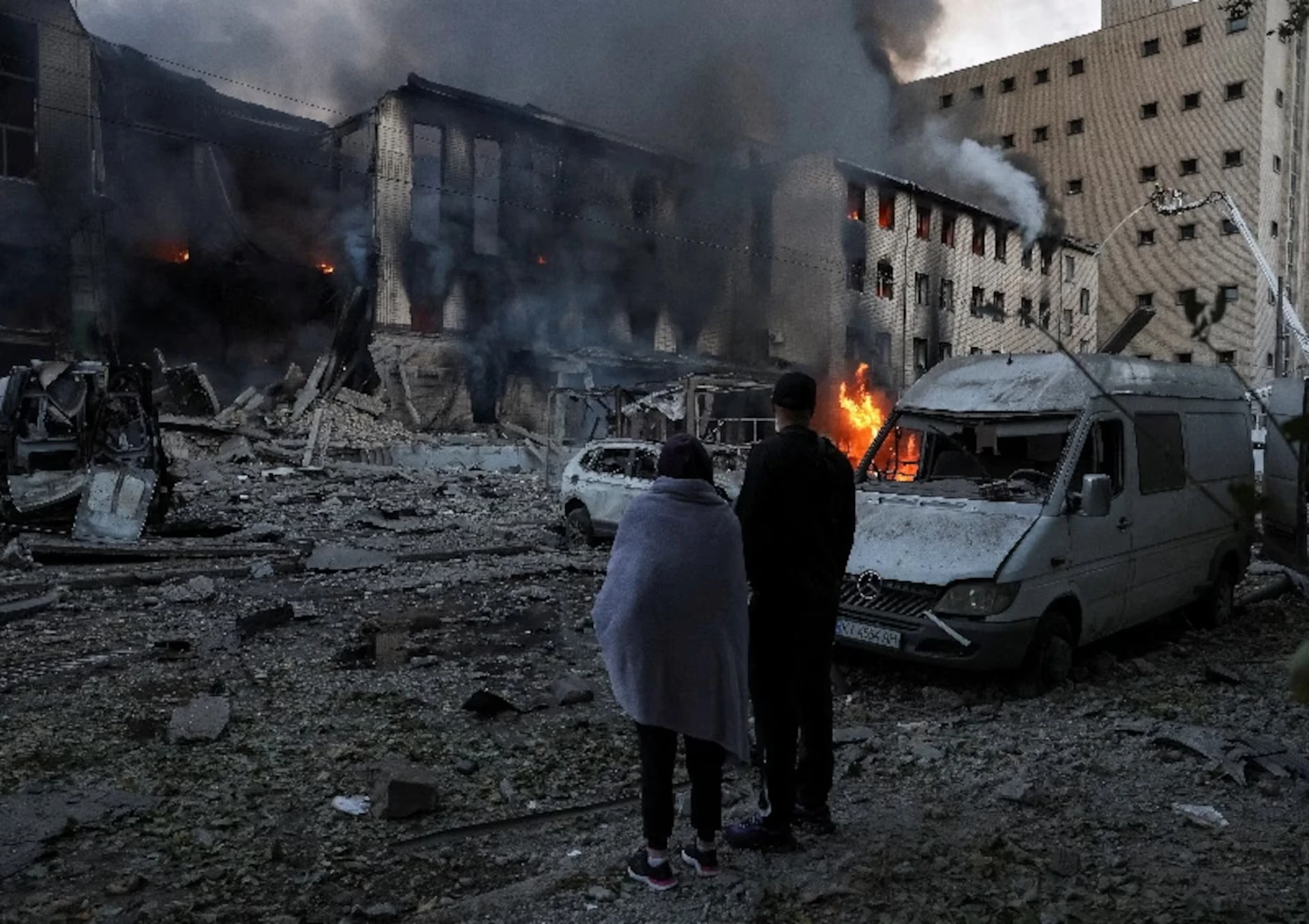
Kyiv has recently adopted a harder line toward Lukashenko. Ukraine demanded the removal of signal relay stations that it said were helping Russian attack drones navigate during strikes. The move reflected a shift from restrained diplomacy toward openly treating Belarusian infrastructure as part of Russia’s war system.
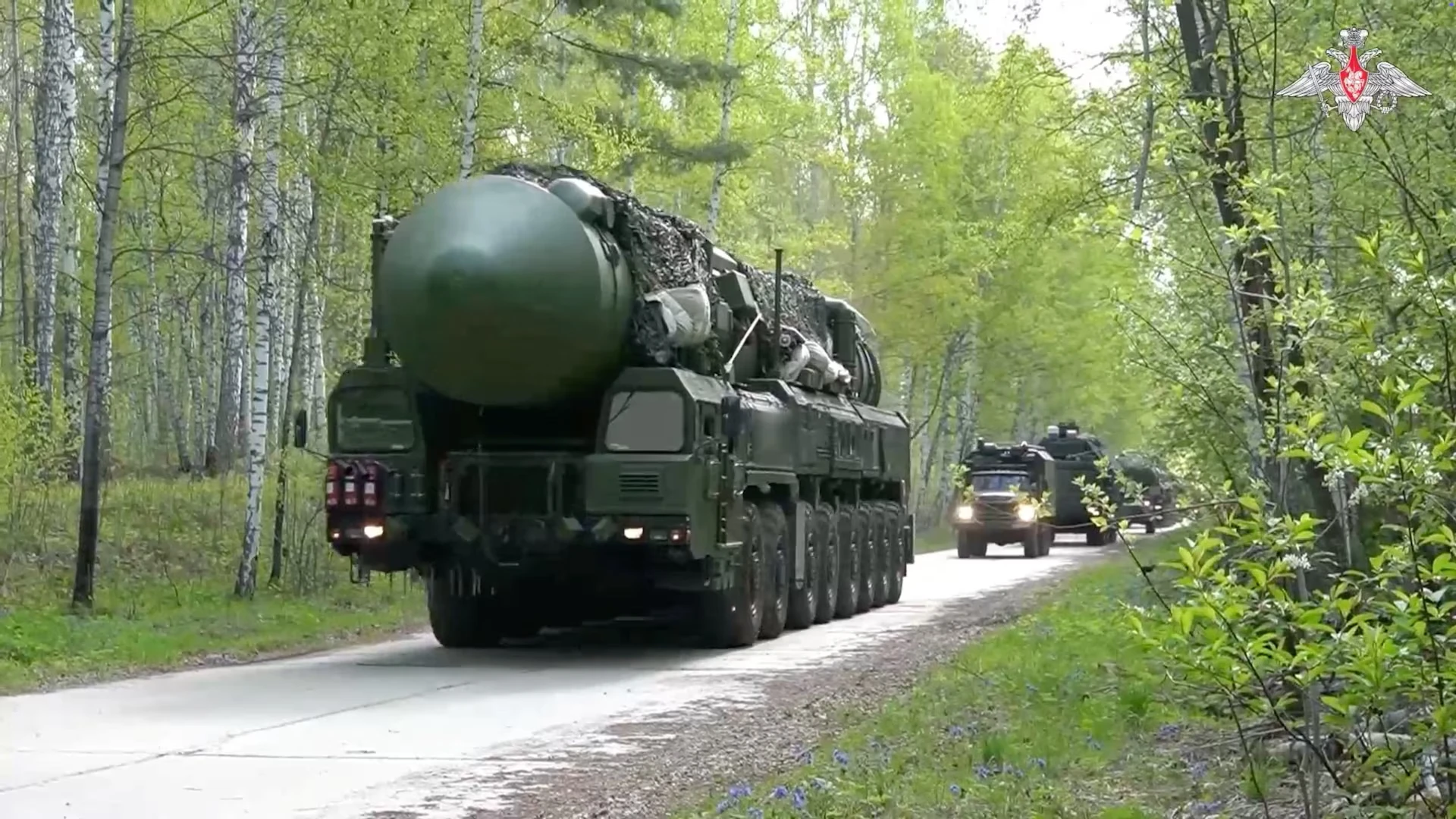
Belarus has also allowed Russia to deploy tactical nuclear weapons on its territory. Even if final control remains in Moscow, the presence of those weapons makes the country part of Russia’s nuclear pressure against Ukraine and NATO’s eastern flank.
Lukashenko is trying to preserve three identities at once: Putin’s reliable ally, the leader who keeps Belarusian soldiers out of the war and a pragmatic interlocutor for the West. Criminal prosecution could make that ambiguity increasingly difficult to sustain.
For the Belarusian opposition, a Ukrainian case would carry another meaning. It would undermine the regime’s claim that its foreign policy is separate from domestic repression. A state built on suppressing its own society became a useful military instrument for a neighboring autocracy.
Kyiv must nevertheless avoid equating Lukashenko with Belarus as a whole. A substantial part of Belarusian society does not support the war, and volunteers from the country are fighting on Ukraine’s side. Responsibility should be personalized rather than converted into a collective accusation against an entire people.
That distinction also matters for the region’s future. A democratic Belarus could become a source of security between Ukraine, Poland and the Baltic states. Under the present system, its territory functions as an extension of Russia’s military infrastructure.
The prospect of an actual trial remains remote. Lukashenko controls the state apparatus, enjoys Russian protection and avoids jurisdictions where he might be detained. Yet international cases against political leaders often operate on a long timeline.
They preserve evidence, limit opportunities for political rehabilitation and keep accountability alive after a leader loses power. What appears symbolic today can become the foundation of a real prosecution after a change of regime.
For Ukraine, the case would also broaden the legal record of the war. Russian aggression was never purely bilateral. It relied on the territory of an allied state, cross-border logistics, financial arrangements and networks of officials who made the invasion possible.
If prosecutors find sufficient grounds, proceedings against Lukashenko would mark Kyiv’s first attempt to personalize responsibility at the highest level of the Belarusian leadership. Their impact would be measured not by the speed of a verdict, but by the ability to turn documented complicity into a permanent political and legal liability.
For decades, Lukashenko built a system in which the state depended on one man. That concentration of power may now work against him: the fewer independent institutions a regime possesses, the harder it becomes for its leader to shift responsibility onto subordinates.
A Ukrainian case would not bring Lukashenko to court tomorrow. It could, however, deny him what he is seeking today — a return to international politics as an acceptable intermediary without answering for Belarus’s role in the largest European war of the twenty-first century.