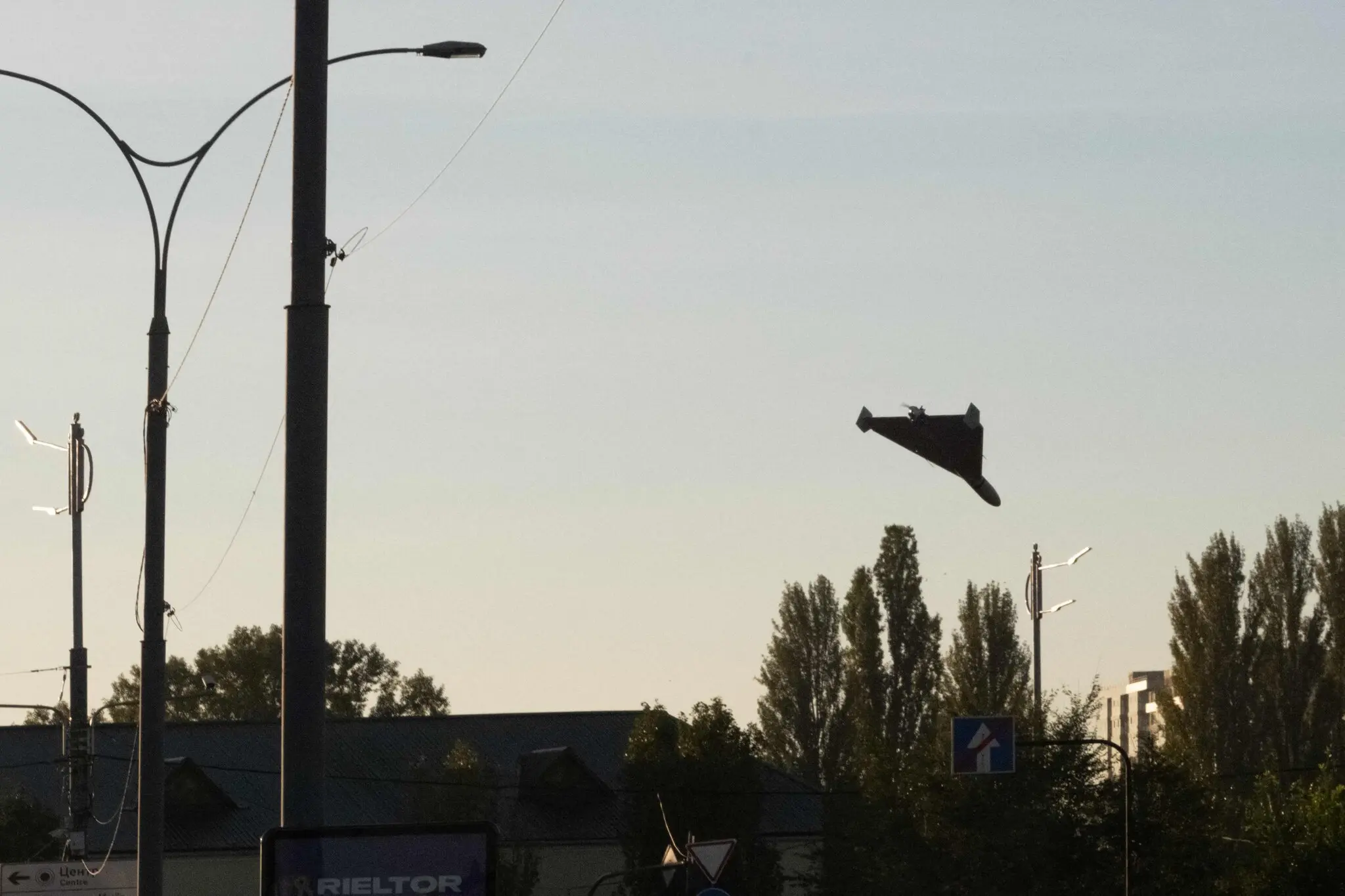



















The Netherlands has announced a new €500 million military support package for Ukraine, worth about $580 million. Half of the money will go toward purchasing drones from Dutch defense companies. The other half will fund U.S.-made weapons through the PURL mechanism.
At first glance, this may look like another line in the long ledger of Western aid. In reality, the decision matters beyond the size of the package. It shows that support for Ukraine is increasingly moving into a long production cycle: not simply transferring what remains in warehouses, but ordering, manufacturing, integrating and repeating.
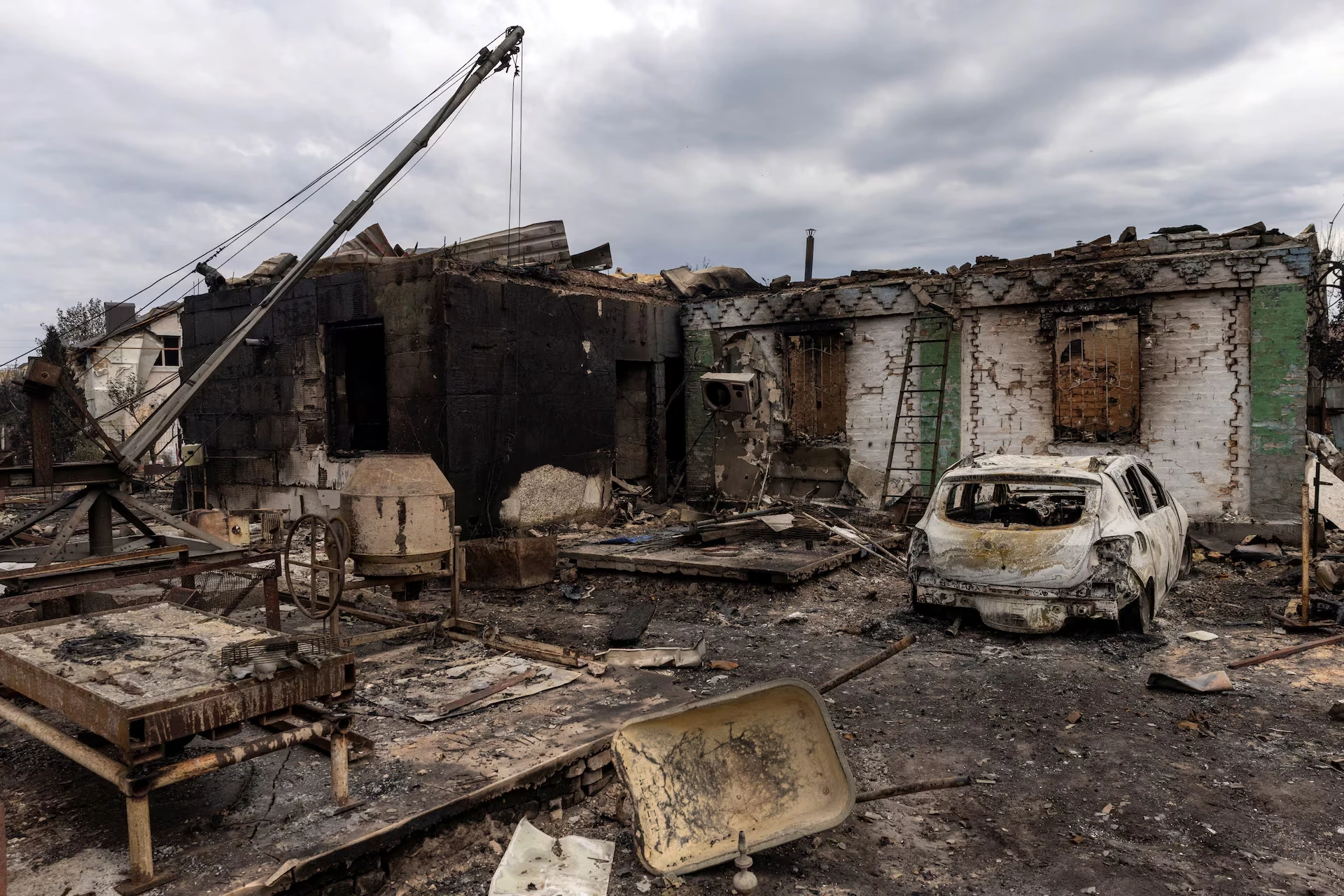
That is exactly what a war of attrition requires. Russia continues mass attacks with missiles and drones, keeps pressure on the front, and strikes energy facilities, cities and rear infrastructure. Ukraine is responding not only through defense, but by expanding its own drone warfare, where the speed of production has become almost as important as the number of tanks.
For Daycom, the Dutch package is revealing because it connects two central pillars of modern Ukrainian defense: the sky and drones. Air defense protects cities, power plants, air bases and logistics. Drones force Russia to pay a rising price for every offensive, every convoy and every depot in the rear.
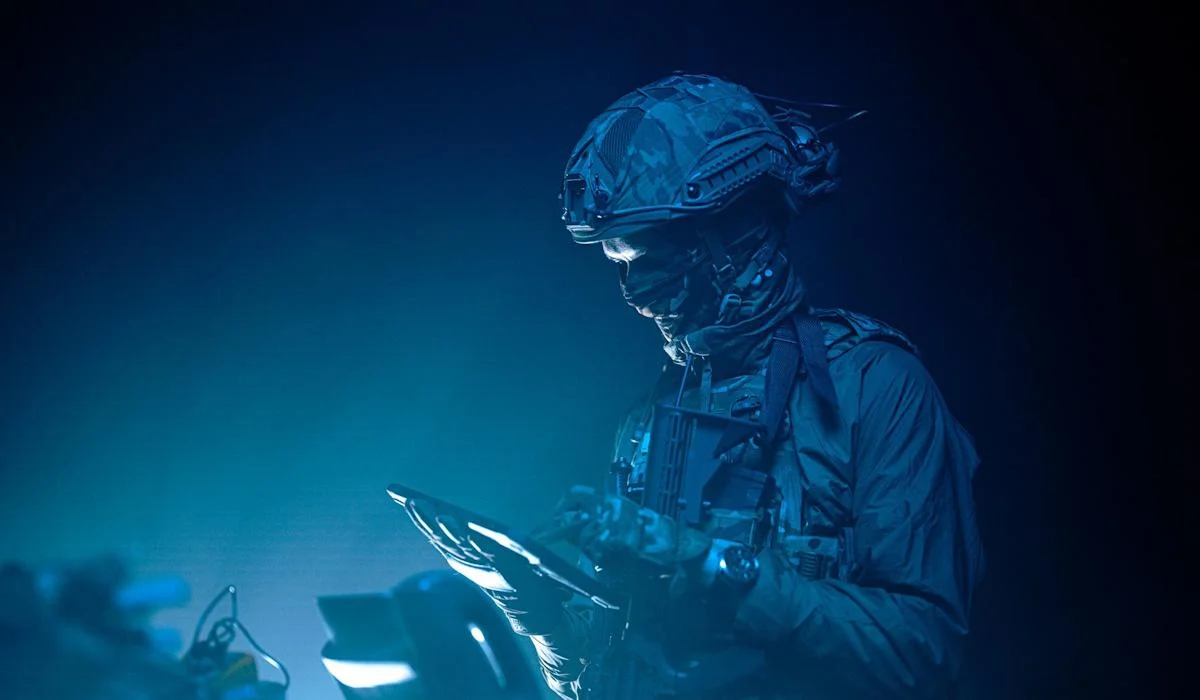
The €250 million allocated for unmanned systems from Dutch companies is not just a purchase of equipment. It is the integration of Europe’s defense industry into Ukraine’s combat cycle. Ukraine provides the experience of real war; the Netherlands provides production capacity, technology, financing and access to NATO’s industrial base.
This exchange has already become one of the major lessons of the war. Ukrainian units test systems quickly on the battlefield, adjust designs, software, communications channels and tactics. European manufacturers receive experience that cannot be simulated on a training ground. In this connection, the front becomes a laboratory and the factory becomes an extension of defense.
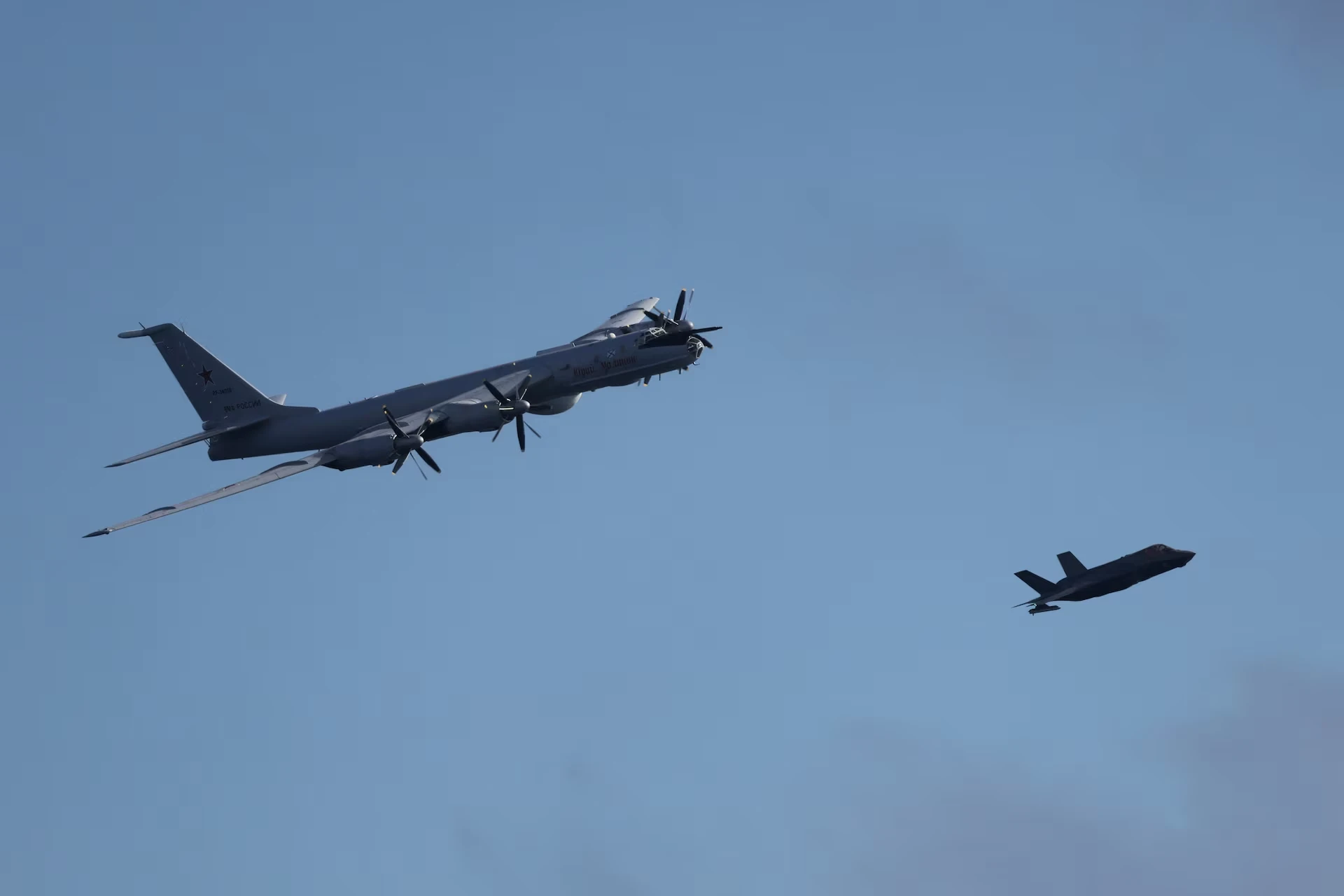
The second part of the package — €250 million through PURL — follows a different but equally important logic. The mechanism allows allies to finance the purchase of American weapons for Ukraine. This includes air-defense systems and missiles, ammunition for F-16 fighter jets and other equipment without which Ukraine cannot hold the sky.
The fact that the Netherlands’ total contribution to PURL is rising to €1 billion makes The Hague one of the key European participants in this format. That matters not only for Kyiv. It gives the Netherlands a clear role as a country that does not merely support Ukraine politically, but finances a concrete bridge between American arsenals and Ukrainian defense.
There is a subtle but essential point here. Europe often speaks about strategic autonomy, but the war in Ukraine has shown that autonomy begins not with grand concepts, but with invoices, contracts and production. If the European Union wants weight in the security architecture, it must not only call on the United States to act decisively, but also pay for the systems that keep Ukraine in the fight.
The Netherlands has done this consistently. Its role in the transfer of F-16s, its support for Ukrainian air defense, its contributions to PURL and now its purchase of drones form a coherent profile: a medium-sized country using financial discipline, technological capacity and political will to influence the course of a major war.
For Ukraine, this assistance is especially valuable because it addresses several vulnerabilities at once. Air defense is needed to protect cities and critical infrastructure. Ammunition for F-16s is needed to gradually strengthen the aviation component. Drones are needed for the front, reconnaissance, strikes on logistics, the destruction of Russian equipment and pressure deep in occupied territory.
These areas increasingly cannot be separated. F-16s need protected airfields. Airfields need air defense. Air defense needs interceptor missiles. Drones need production, communications, programming and constant upgrades. Modern defense is not a collection of platforms, but an ecosystem in which the failure of one element weakens all the others.
That is why the letter of intent on cooperation in defense innovation may have a longer effect than the package itself. If Ukraine and the Netherlands can turn battlefield experience into joint development, production lines and rapid scaling, this will create not a one-time advantage, but a new defense culture.
Russia is betting on mass in this war: more people, more shells, more drones, more missile strikes, more pressure on the rear. Ukraine’s answer cannot be symmetrical only in quantity. It must be faster, more precise and more technological. The Dutch package works precisely in that direction.
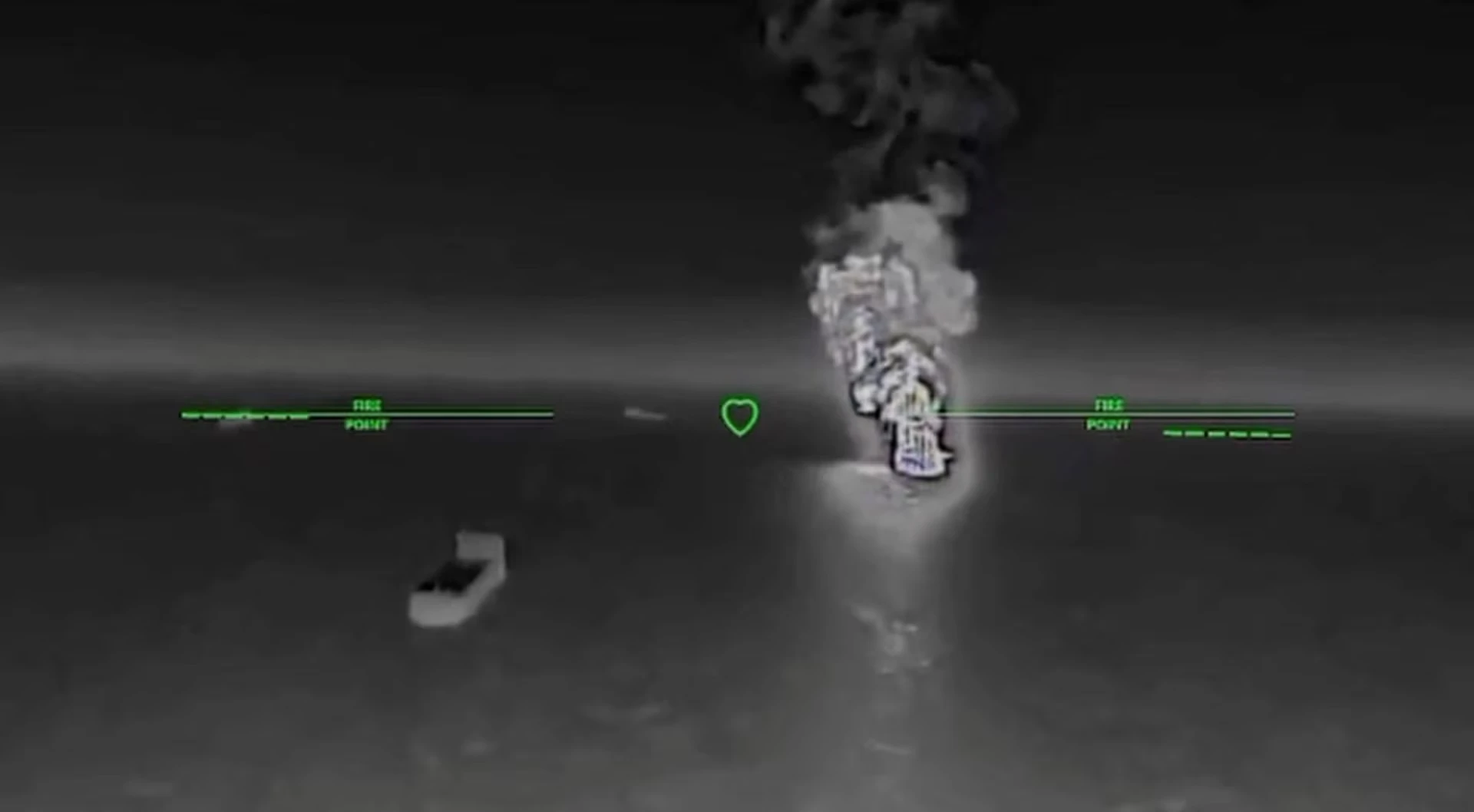
This is especially true of drones. They have become weapons that have changed the front, logistics and the psychology of war. A drone can stop an armored vehicle, find a depot, disrupt a rotation, conduct reconnaissance, attack a fuel truck or force a Russian convoy to move at night and along longer routes. Each of these effects accumulates.
In a war of attrition, accumulation often matters more than a single breakthrough. Hundreds and thousands of drones do not promise instant victory, but they change the cost of Russia’s presence at the front. If every stretch of road, every dugout and every vehicle can be seen from the air, an occupying army loses the feeling of a safe rear.
Air defense performs a different but related function. It does not only shoot down missiles. It preserves the economy, energy systems, urban life, production, railways and the morale of society. When Ukraine’s sky is better protected, Russia has fewer chances to turn terror against cities into political pressure.
That is why the Dutch package should be read as part of a broader Western shift. Allies are gradually recognizing that Ukraine needs not just another tranche, but a long defense conveyor. That conveyor includes American systems, European money, Ukrainian battlefield experience, joint production and new technological solutions.
It is also an answer to Russia’s central bet: fatigue. The Kremlin expects Western governments to tire faster than the Ukrainian army, and voters to begin seeing aid to Kyiv as an endless financial burden. The industrial model of assistance breaks that logic: support becomes not a donation, but an investment in Europe’s own security.
For the Netherlands, this is especially clear. Ukraine today is holding back an army that directly threatens the entire European security system. Drones, air defense, F-16s and defense innovation for Kyiv are at the same time training, modernization and insurance for Europe itself.
The new package will not change the war overnight. But it gives Ukraine something of strategic value: rhythm. The rhythm of procurement, production, deliveries and technological renewal. In a long war, rhythm often determines who is exhausted first.
The Netherlands has not simply allocated €500 million. It has backed the model Ukraine will need to survive the next phase of the war: more drones for the front, more air defense for cities, more ammunition for aviation and more joint innovation for the future. This is no longer just a gesture of support. It is part of a larger European defense transformation.