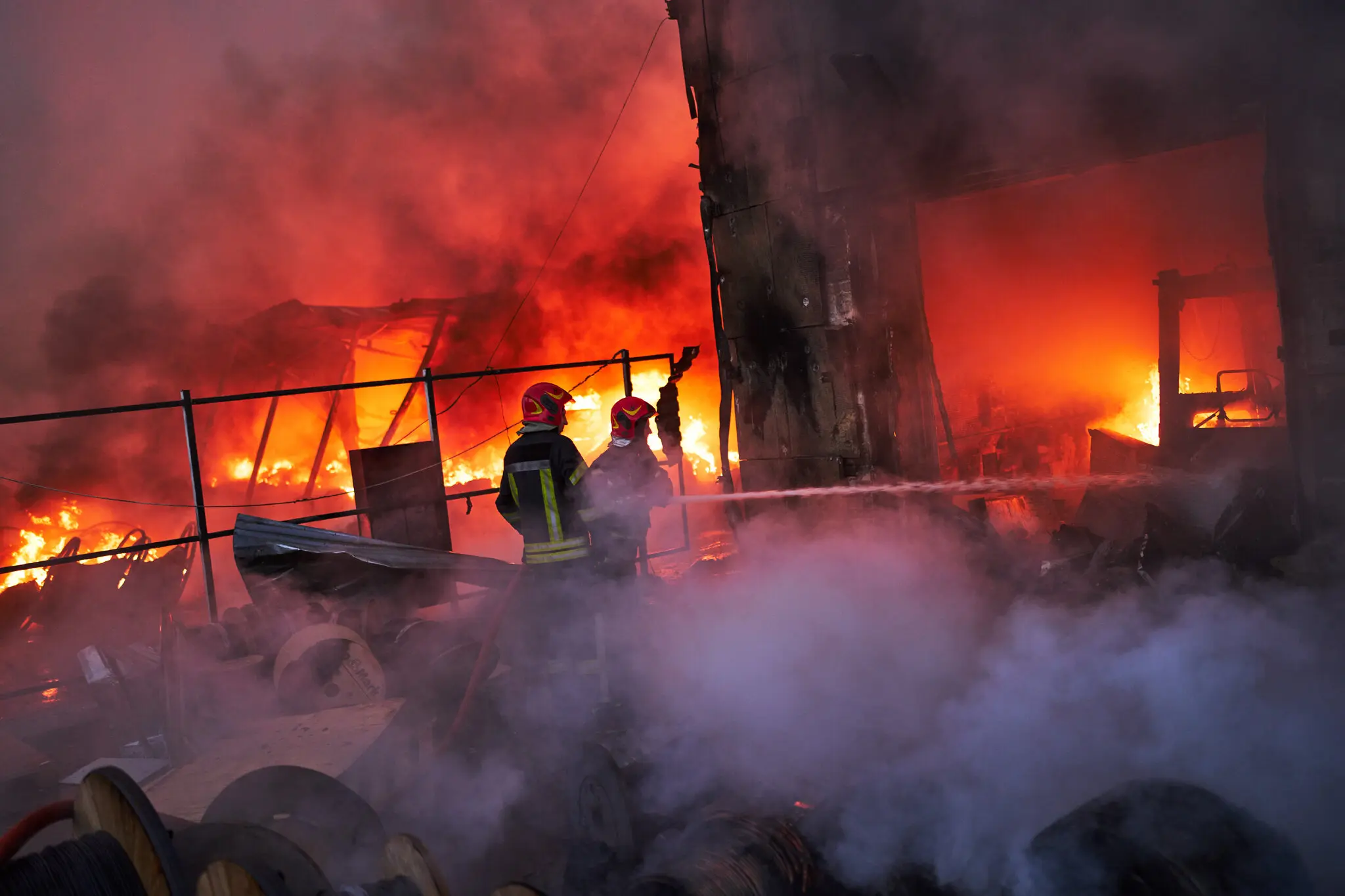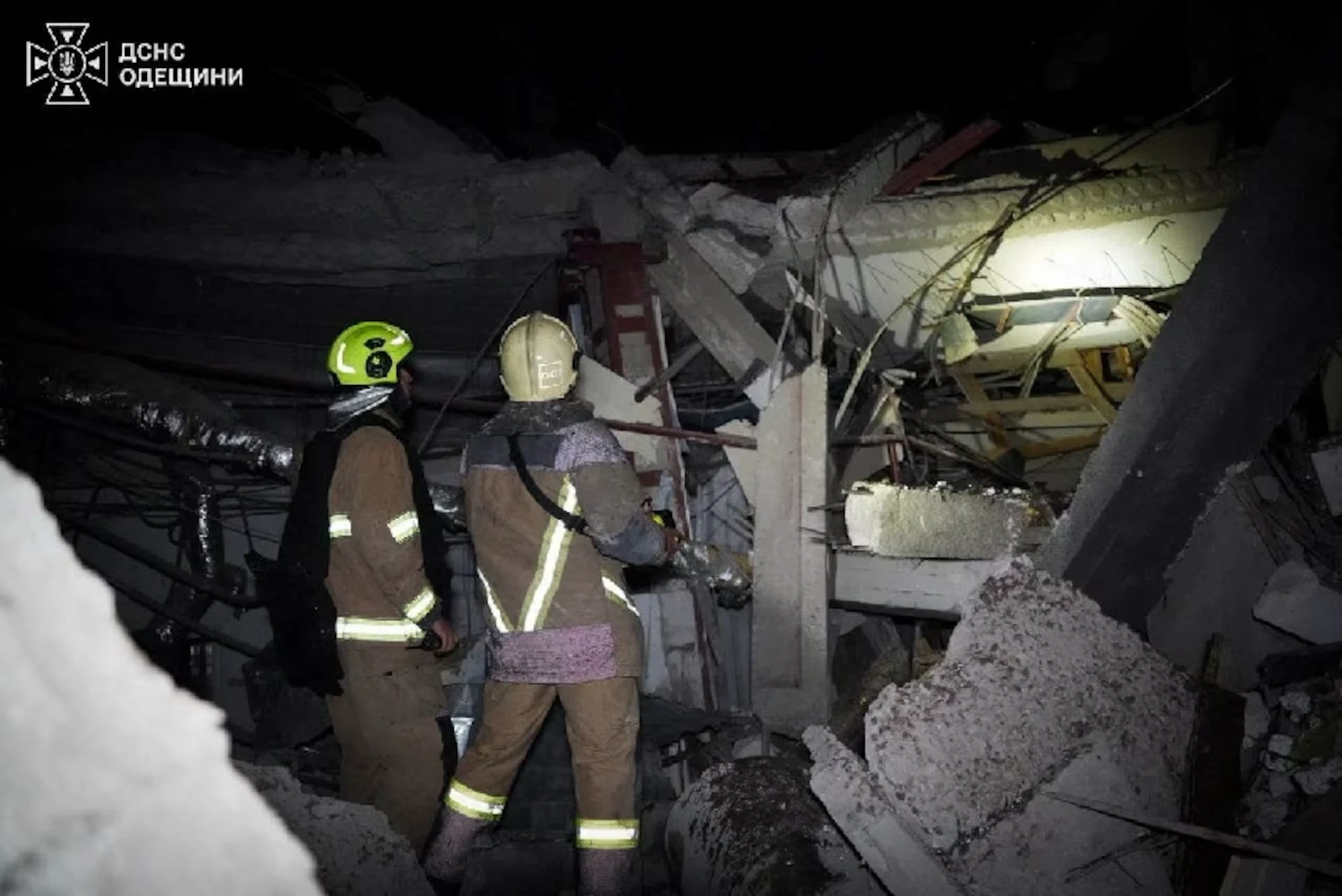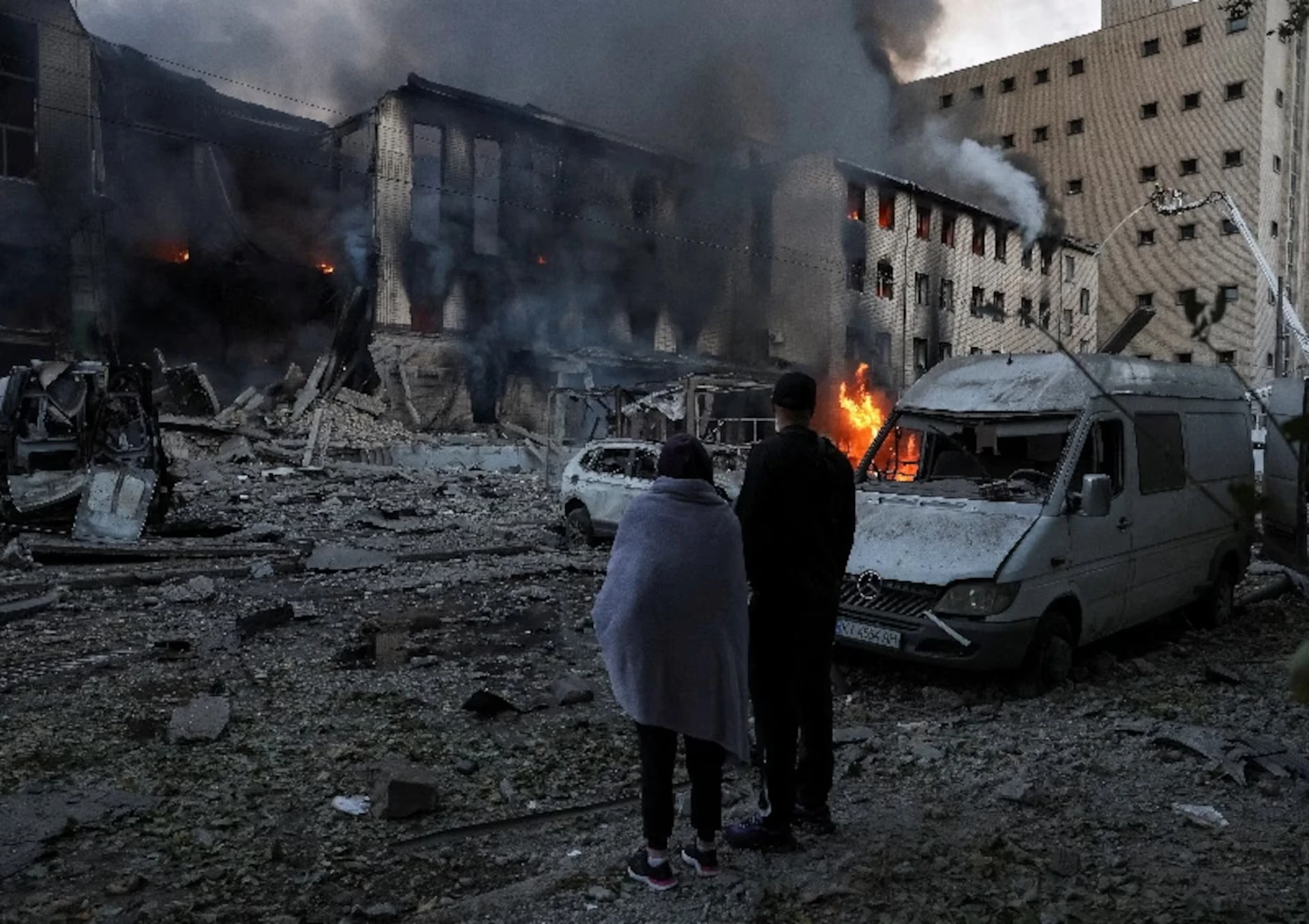
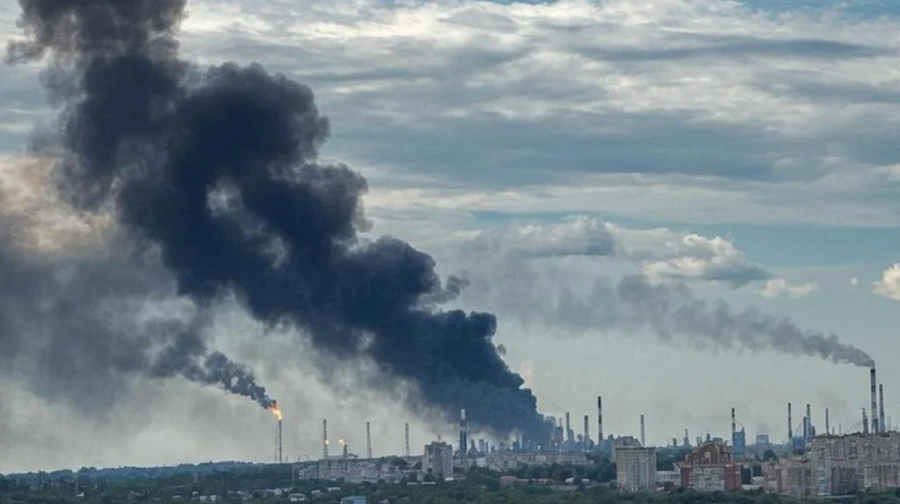


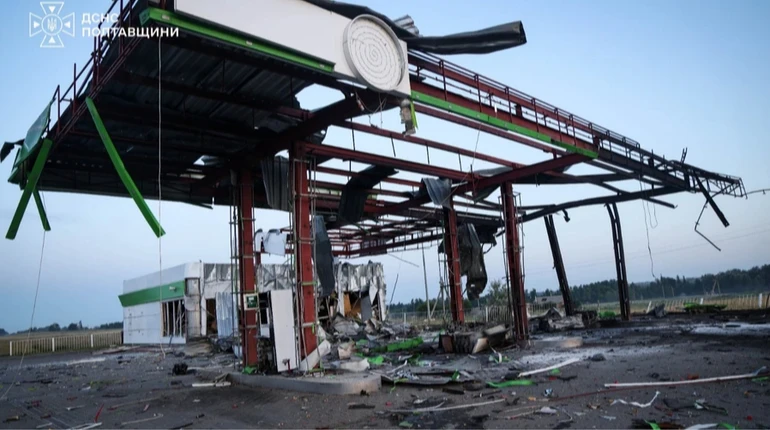




















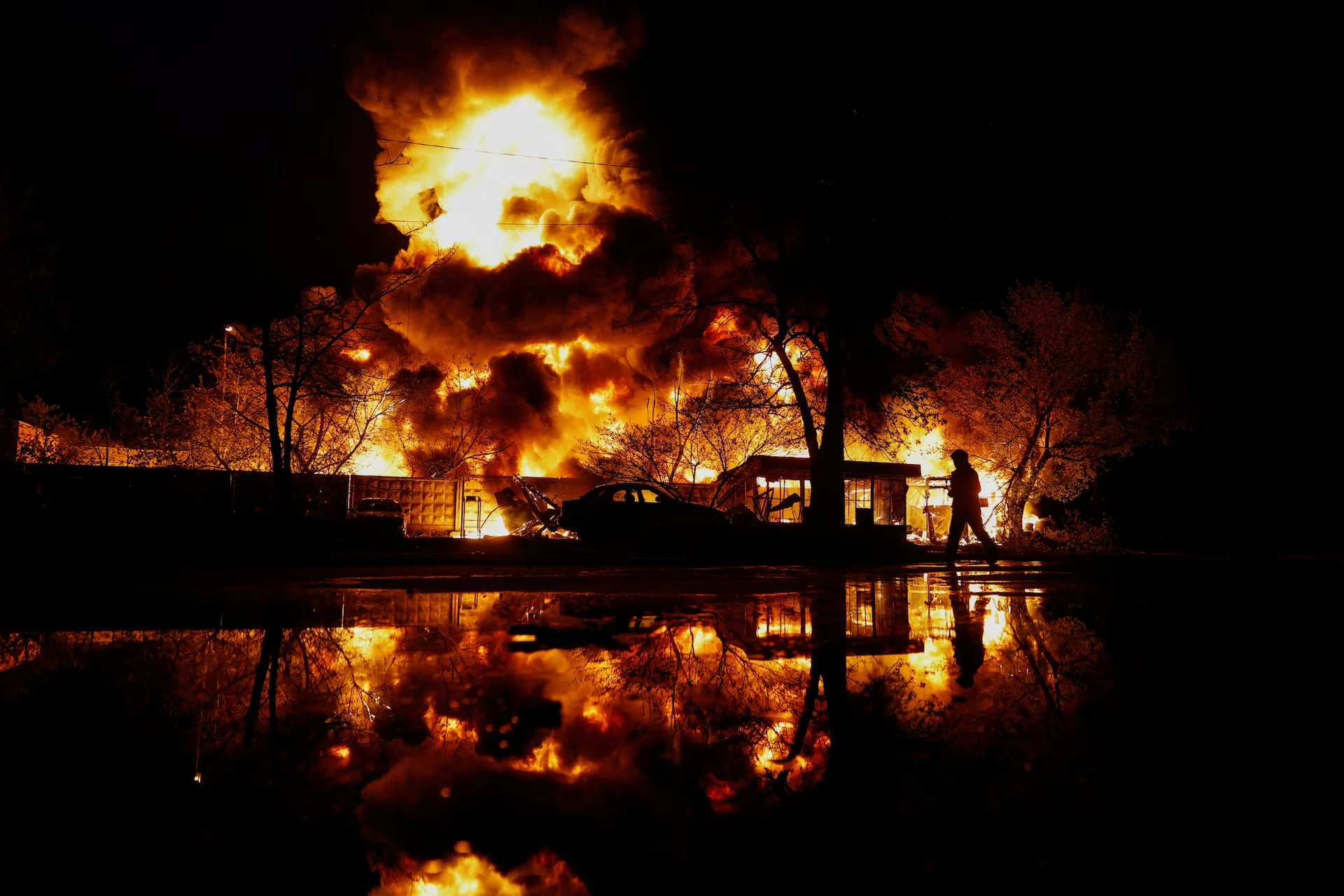
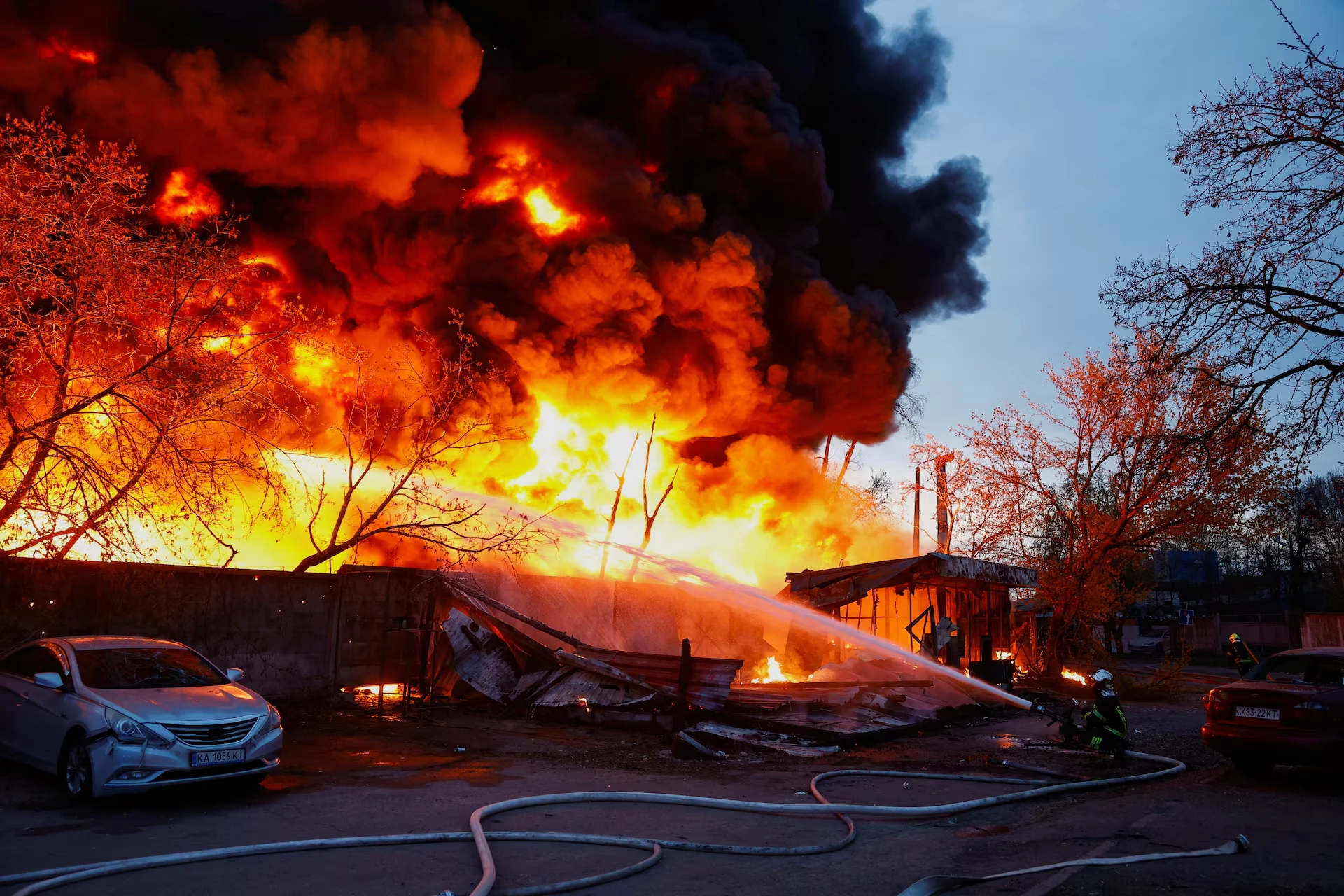
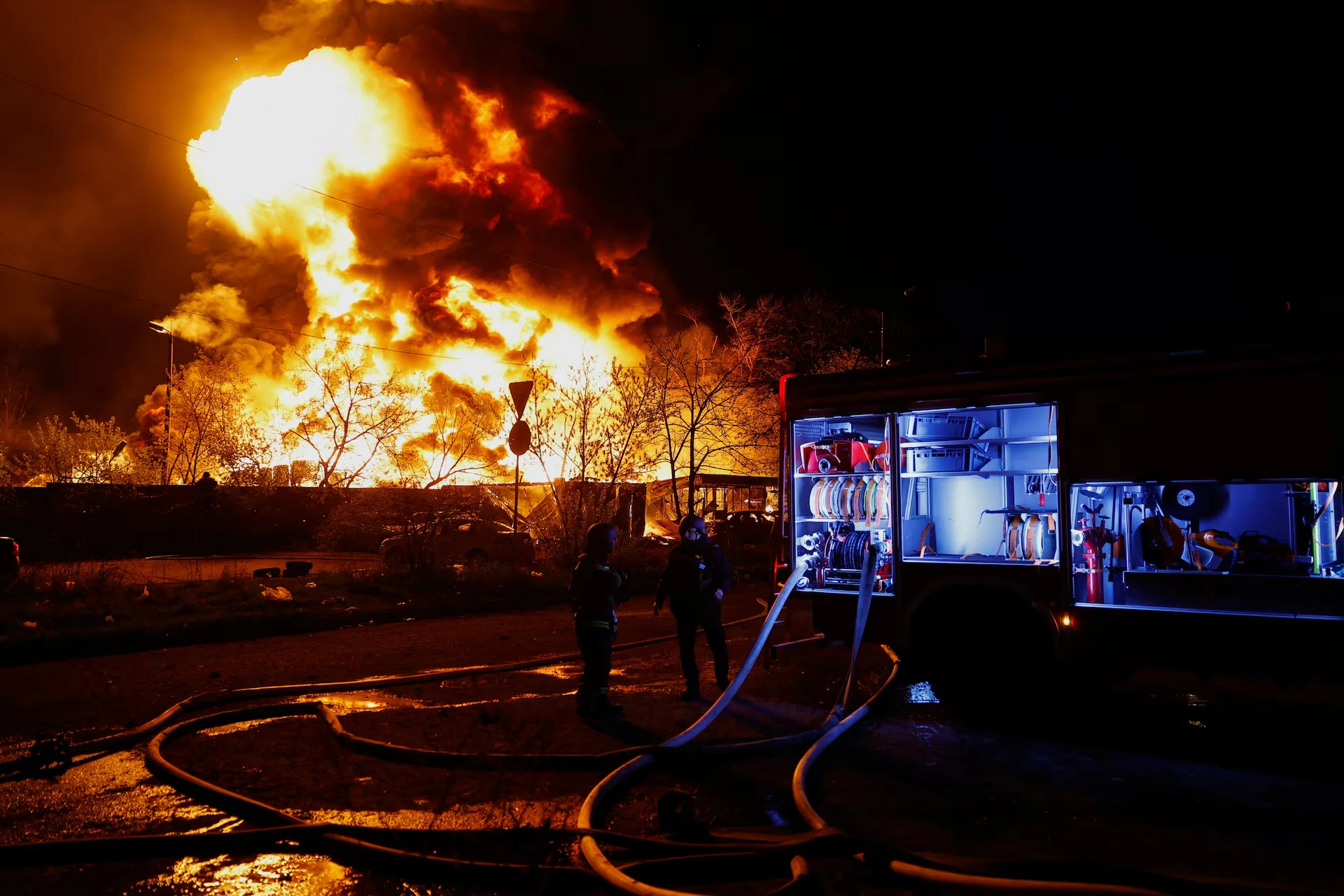
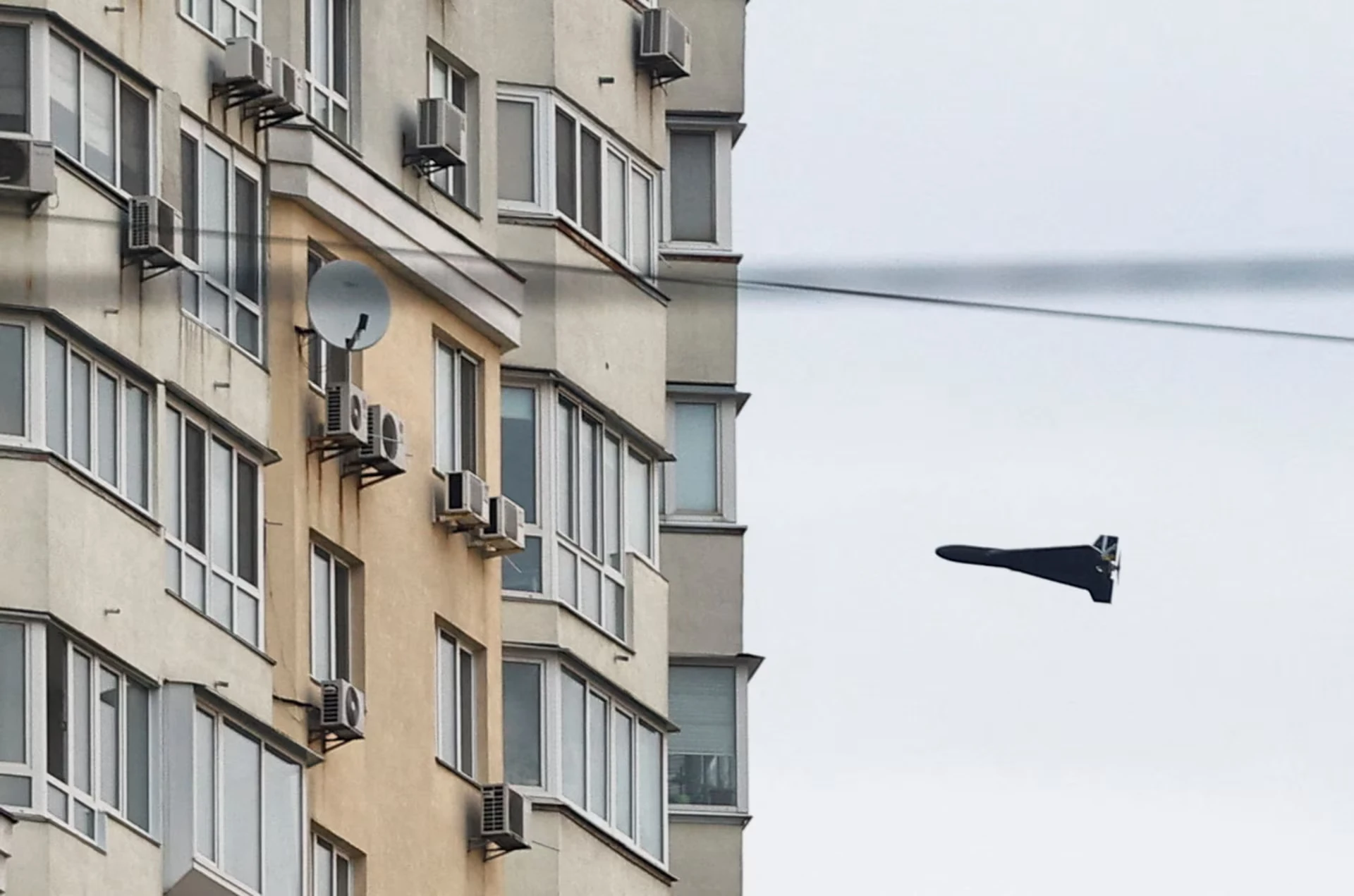
On the night of April 16, Russia launched one of its heaviest air assaults of the year against Ukraine. At least 16 people were killed and more than 100 were injured. Kyiv, Odesa, Dnipro and other cities came under attack as nearly 700 drones and dozens of missiles were combined into a single operation designed not simply to strike, but to exhaust.
The most important fact about that night was not only the death toll. It was the logic of the attack itself. Russia is testing Ukrainian air defense less through isolated waves and more through saturation. When hundreds of drones, cruise missiles and ballistic missiles enter the same airspace at once, even a high interception rate no longer translates into real security for cities.
Ukraine is still capable of destroying most incoming targets. But a new phase of the war begins when the word “most” stops sounding reassuring. A country can intercept the majority of drones, a large share of missiles, and still wake up to fires, shattered apartment blocks, ruined warehouses and fresh casualty lists.
According to Daycom’s earlier analysis, that is the new mathematics of Russia’s air war. Moscow is no longer relying only on the terror effect of a single spectacular strike. It is building a system of penetration in which quantity becomes a weapon in itself and the overloading of air defense becomes a separate military objective.

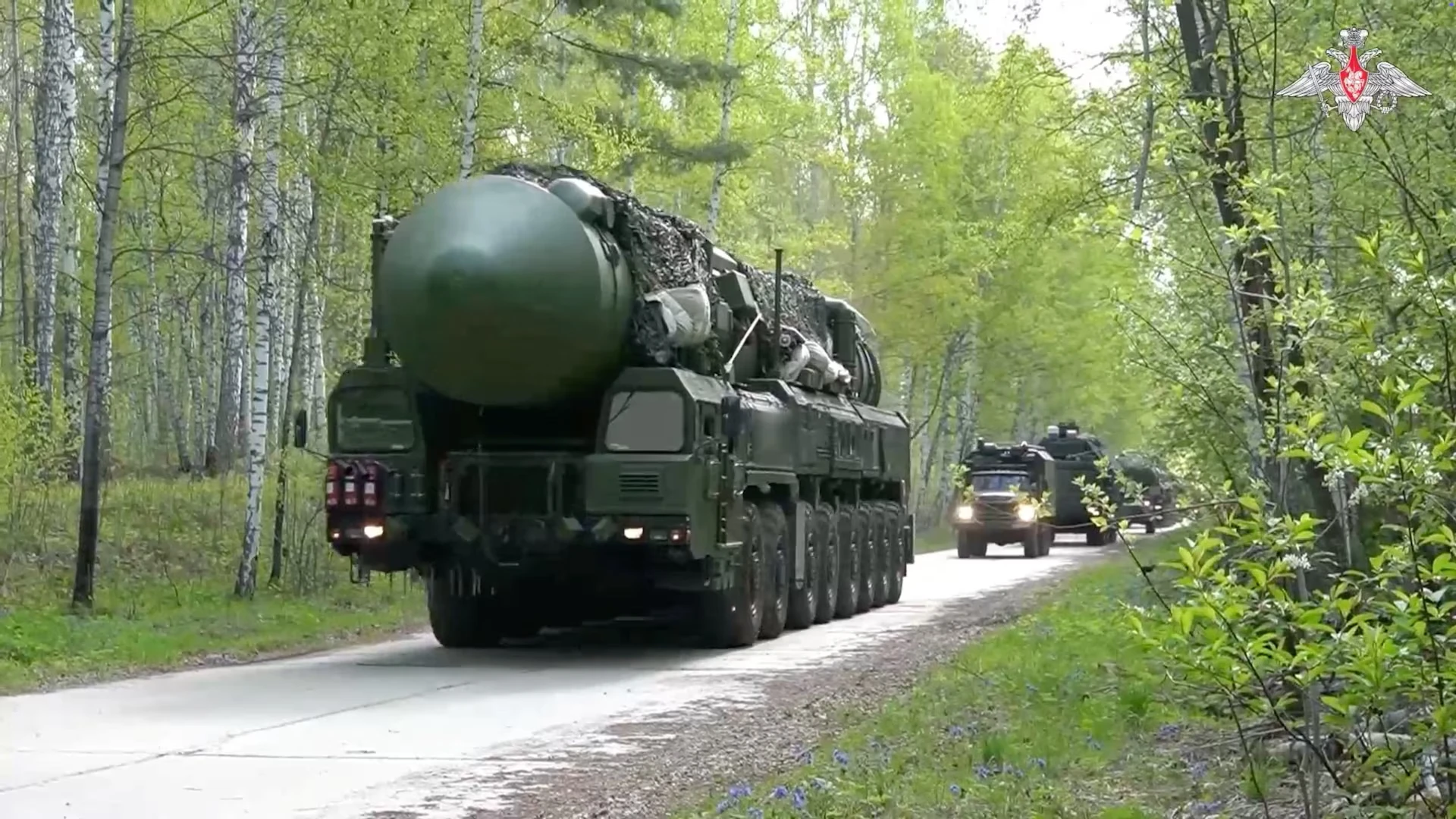
The key vulnerability in that equation is well known. It is not the drones alone, but the ballistic segment of the attack. Ukraine remains highly effective against many unmanned systems, but anti-ballistic defense depends on scarce interceptors and Western supplies. That is exactly where Russia is pressing hardest — against the rarest, most expensive and hardest-to-replace layer of protection.
This is the real meaning of such attacks. Drones are not used only to destroy targets directly. They stretch defensive resources, force interceptor expenditure, overload crews, saturate the sky with real and false threats, and create corridors for the weapons that are hardest to stop. This is no longer only a war of attrition against people and cities. It is a war of attrition against missile stockpiles and defensive endurance.
That is why the latest strike is both a military and a political signal. Ukraine is once again pushing the issue of delivery speed back to the center of the conversation: more Patriots, more interceptor missiles, more anti-ballistic capacity, and the fulfillment of promises that have already been made. On paper, delays can look like bureaucracy. In reality, every delay is quickly converted into destroyed floors, burned-out sites and more dead civilians.
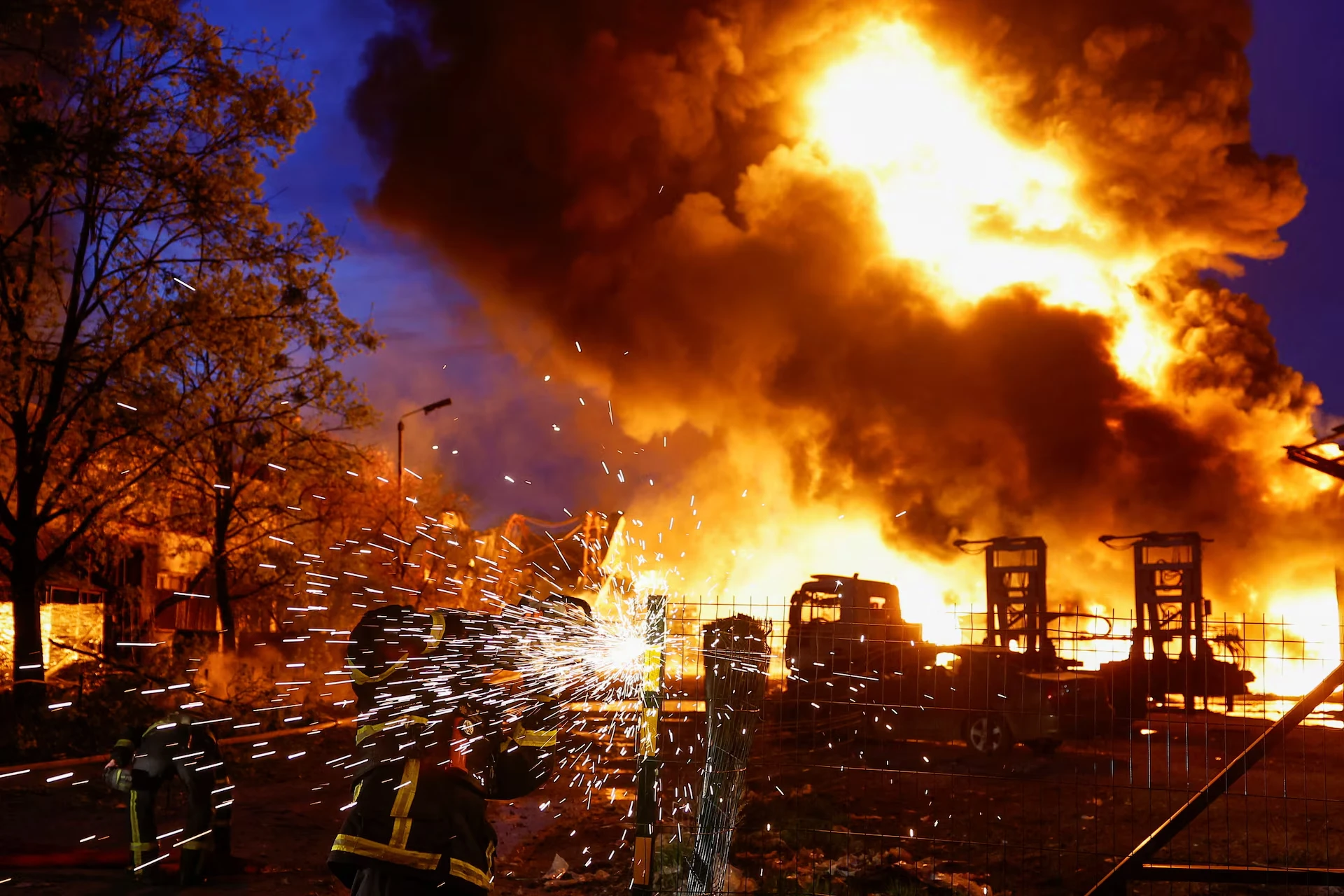
The attack also destroys another convenient illusion — the idea that Russia is gradually losing the capacity for large-scale strikes and is being reduced to localized terror. In fact, it is learning to combine volume, timing and weapons types with growing precision, forcing even a strong defensive system to operate in a state of permanent lag. And the longer that model continues, the more expensive the defense of Ukrainian skies becomes.
After April 16, the central conclusion can no longer be hidden behind dry morning summaries. Ukraine can shoot down a great deal. But Russia is trying to win in a different space — the one in which even “a great deal” is still not enough. That is why Ukraine does not need more expressions of sympathy. It needs a faster rhythm of decisions: more anti-ballistic defense, more missiles for existing systems, more localized counter-drone solutions, and fewer pauses between promise and delivery.