




















The Middle East is once again suspended between war and peace, but this time the line between them has become almost invisible. The United States and Iran have exchanged fire for a second consecutive day, and what was recently described as a cease-fire increasingly resembles a diplomatic shell with little practical content left inside.
The latest escalation coincided with a moment of maximum symbolic tension for Tehran. Iran was completing a week of farewell ceremonies for its slain supreme leader, Ali Khamenei, whose body was buried in Mashhad, the city of his birth. The state tried to project unity, control and defiance. Instead, war again entered the center of the political ritual.
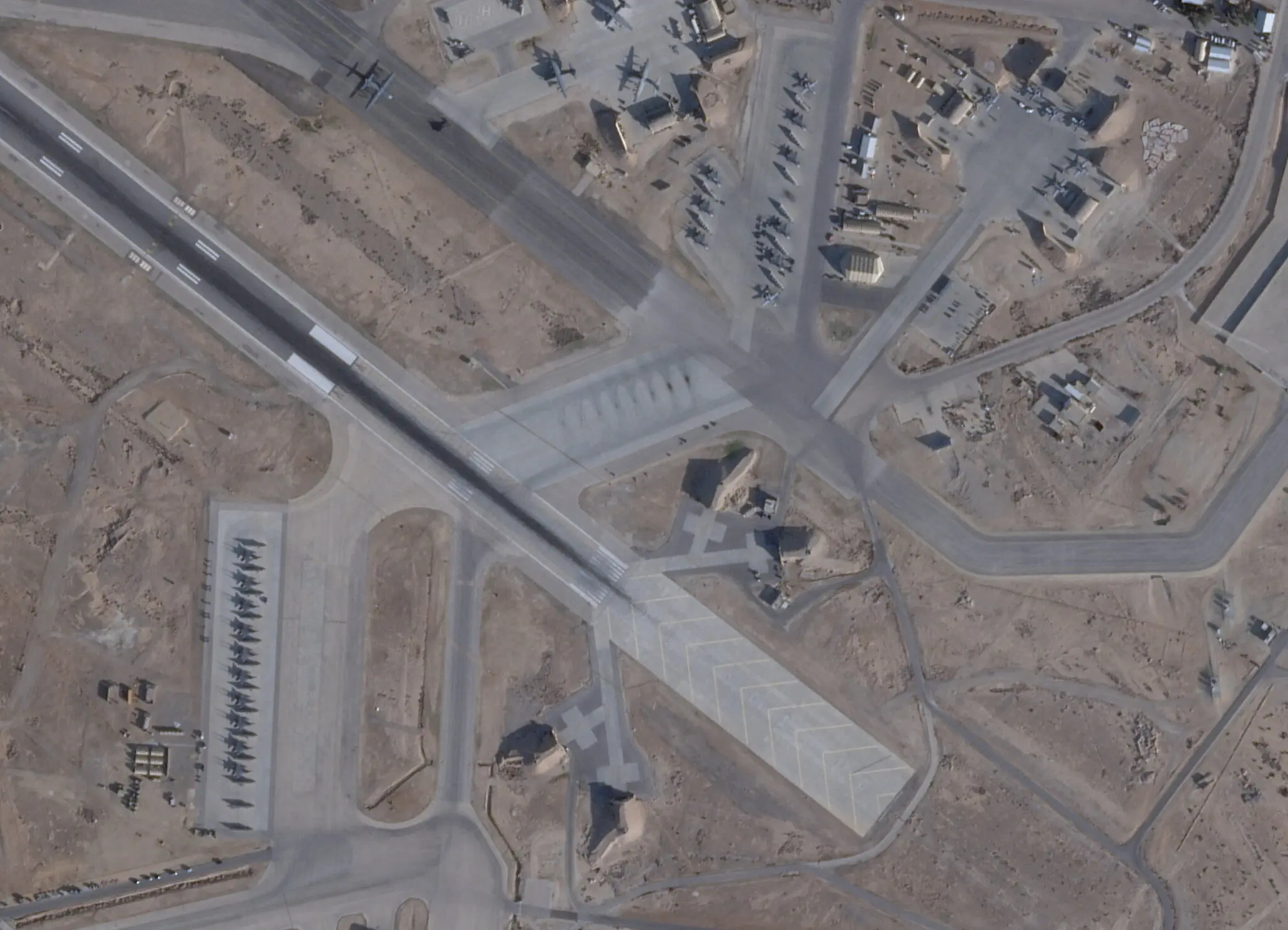
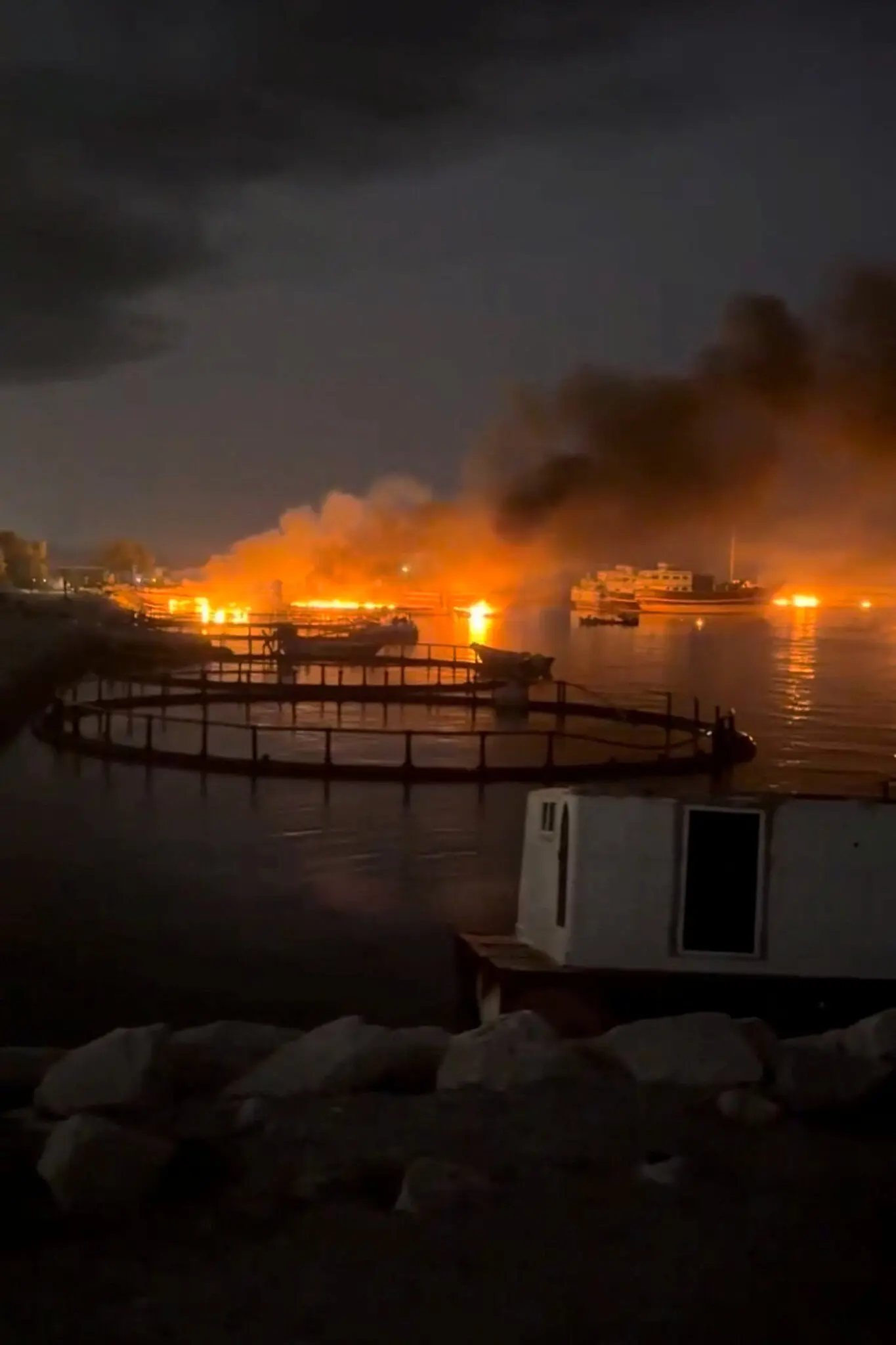
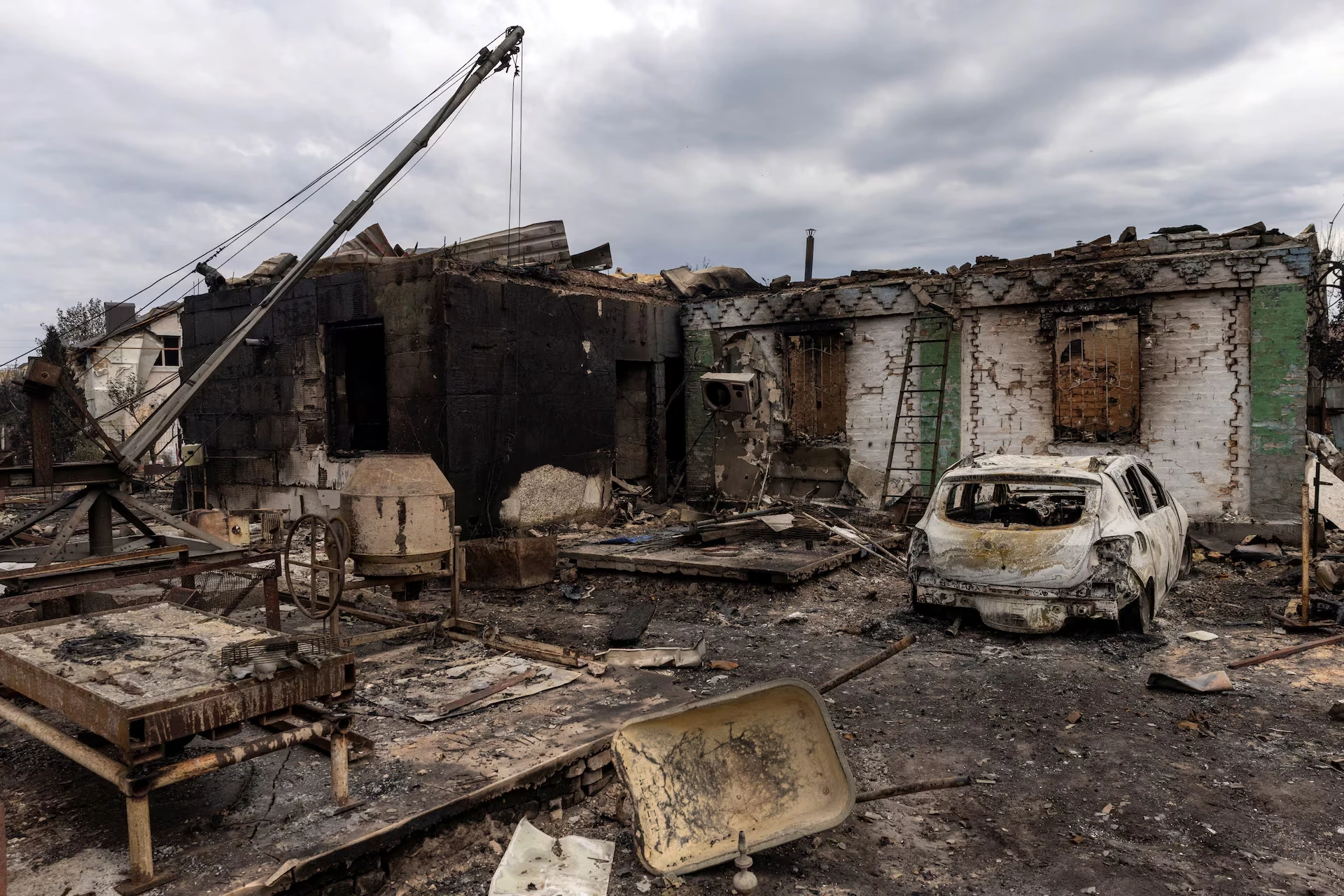
Over the previous 48 hours, American forces struck more than 170 targets inside Iran. This did not look like a limited warning shot. The scale of the operation showed that Washington had moved toward systematically degrading the military infrastructure that can support Iranian pressure on the Strait of Hormuz.
According to Daycom’s earlier analysis, the conflict has entered a phase of dangerous momentum: both sides still leave the possibility of peace in their public rhetoric, but their military actions are pushing them faster toward a wider confrontation. In such a situation, diplomacy does not disappear entirely, but it loses the ability to control the tempo of events.
The official American logic is centered on the security of shipping. U.S. strikes targeted military sites along Iran’s coast to reduce Tehran’s ability to threaten commercial vessels in the Strait of Hormuz. That narrow maritime corridor has once again become Iran’s principal lever and the central anxiety for global energy markets.
Iran has not directly accepted responsibility for the ship attacks that triggered the latest round of confrontation. At the same time, Tehran insists that vessels must follow a designated route through its territorial waters. Embedded in that position is not only a military claim, but a political one: Iran is trying to impose its own rules of movement through the strait.
For the United States, that claim is unacceptable. If Washington effectively accepted an Iranian order in the strait, it would amount to a loss of one of the central principles of American regional policy: freedom of navigation under the protection of U.S. naval power. That is why strikes on Iran’s coast matter not only as retaliation, but as a demonstration of control.
Tehran responded by widening the geography of the conflict. Iran said it had attacked American targets in Qatar, Kuwait and Bahrain. Jordan, which had not previously been the main direction of Iranian retaliation, reported intercepting missiles in its airspace. This is a significant shift: the conflict is no longer confined to two states and a maritime corridor.
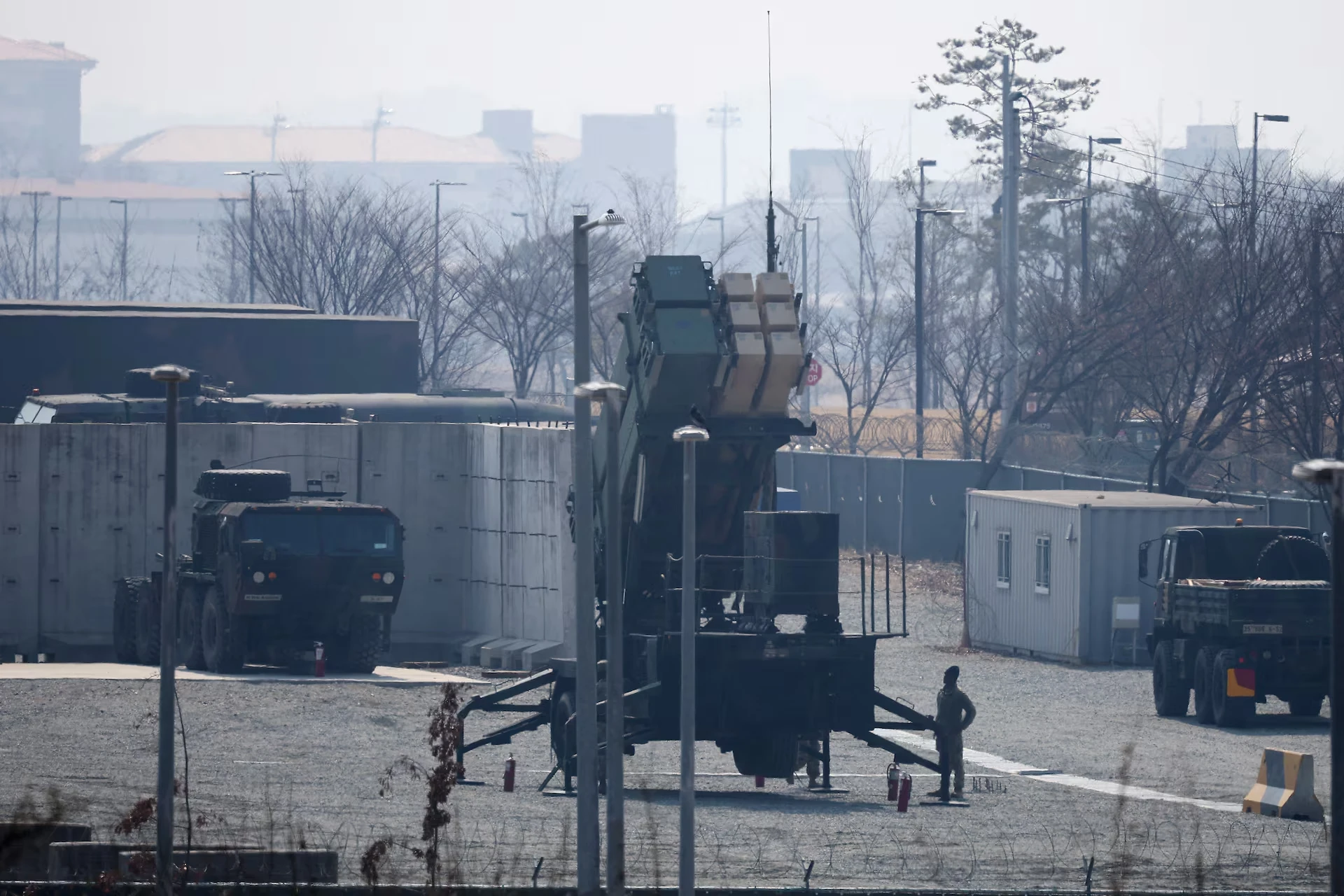
Countries across the region are caught in a difficult trap. They depend on American security guarantees, but the very presence of U.S. forces makes their territory a potential target. Bases, airfields, ports, gas infrastructure and airspace are becoming parts of a single field of risk, even when governments in the region are trying to stay outside a direct war.
Iran reported 14 dead and 78 injured after the latest round of reciprocal strikes. For Tehran, those numbers carry a double meaning. They register the physical cost of American attacks, but they also become political material for forces demanding a harder response and treating negotiations with Washington as weakness.
Particularly sensitive was the report of a strike on a stretch of railway between Tehran and Mashhad. Even if the military significance of that episode remains unclear, its symbolic effect is obvious. On the day of Khamenei’s burial, any strike on routes connected to the city of his funeral is likely to be perceived in Iran not only as a military action, but as an affront to state dignity.
Khamenei’s funeral was carefully organized as a major display of national unity. Ceremonies across several cities were meant to show that the death of the supreme leader had not shaken the system or broken Iran’s will. But the war that overlapped with that display exposed the vulnerability of the moment: the regime was trying to project strength precisely as its strategic position became less stable.
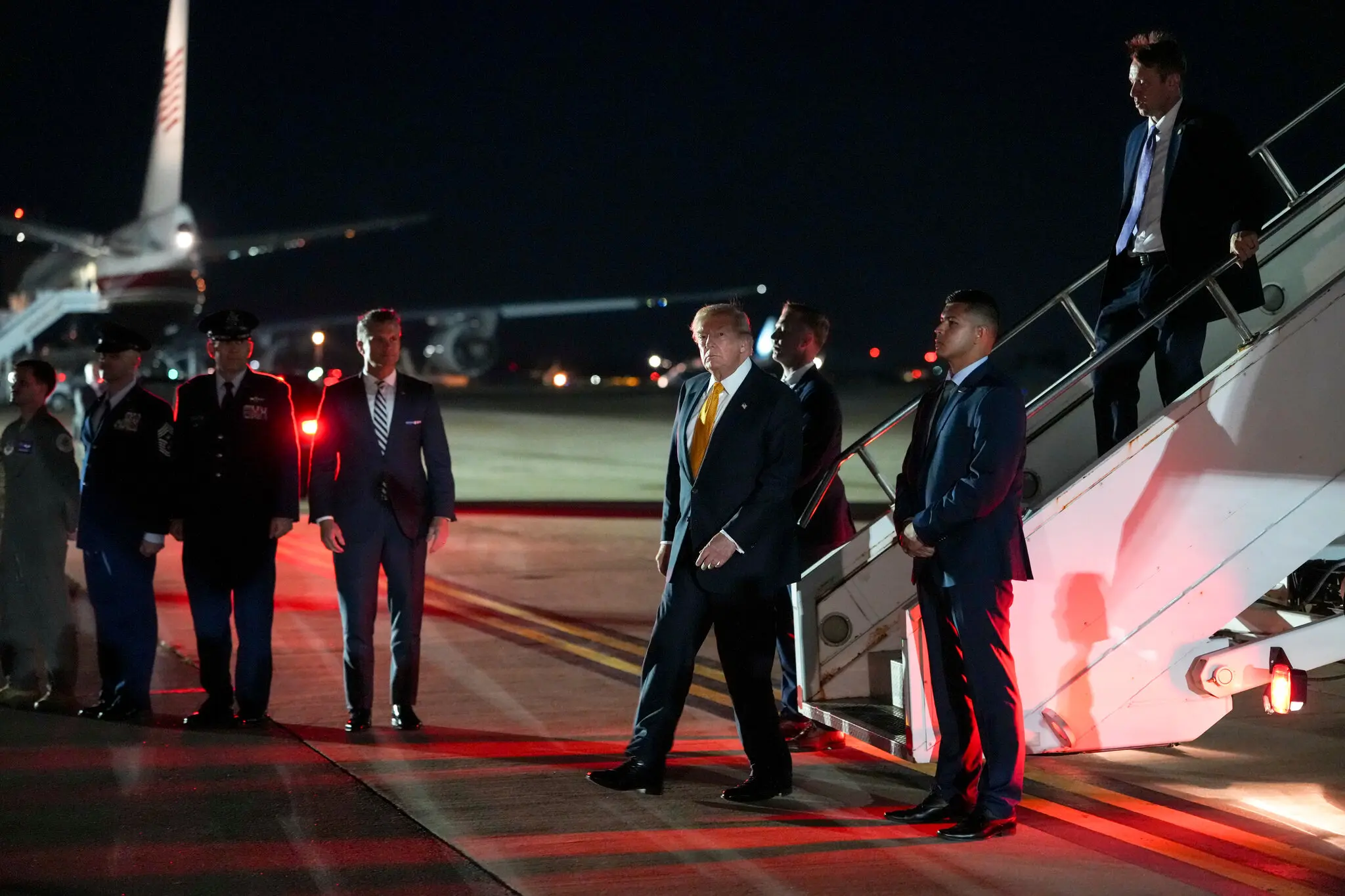
In Washington, the rhetoric also hardened. Donald Trump said he considered the cease-fire effectively over and described further talks on a long-term peace agreement as a waste of time. At the same time, he left open the possibility of a deal, saying Iran wanted one. That duality gives room for maneuver, but it does not stop the military escalation.
In Tehran, the answer has sounded just as direct. Iran’s top negotiator, Mohammad Bagher Ghalibaf, put the position bluntly: hit, and you will be hit back. This is not the language of diplomacy, but of mutual coercion. It works well for mobilizing a domestic audience, but it leaves little space for an exit without loss of face.
That is where the central danger of the current cycle lies. The United States strikes Iranian sites and explains this as the protection of shipping. Iran responds against American targets and explains this as self-defense. Each side presents its actions as forced, but the cumulative result looks like the steady destruction of any remaining limits.
The earlier cease-fire is no longer performing its basic function: reducing the risk of direct confrontation. It may still exist in statements, but not in the behavior of the militaries. When more than a hundred targets are hit in two days and missiles are crossing the airspace of neighboring states, the peace framework becomes a political decoration.
The Strait of Hormuz remains Iran’s main instrument of asymmetry. The United States has far greater firepower, aviation, naval capacity and precision. Iran cannot respond symmetrically, but it can create danger where even a small incident has global consequences: along the route of oil, gas, insurance, maritime logistics and market expectations.
That means military statistics do not tell the whole story. The United States may land most of the blows and destroy more targets. But Iran is trying to move the war from the realm of direct force into the realm of dependencies. If traders, shipowners and Gulf governments begin to recalculate risk, Tehran has already achieved part of its effect.
For the region, this is especially dangerous. Kuwait, Bahrain, Qatar, Jordan and other countries do not want to become a battlefield, but the logic of the conflict is gradually pulling them into it. The more American facilities in the region become potential targets, the more every country must think not only about its alliance with Washington, but also about its own vulnerability to Iranian retaliation.
The prospects for a long-term peace agreement are dimming not simply because the two sides distrust each other. They are now producing a new reality on the battlefield, in the air and at sea. Every next strike changes the political price of compromise, strengthens domestic hard-liners and makes stepping back look like weakness.
The immediate risk is not only that either side may consciously decide to widen the war. An error may be even more dangerous: a missile that gets through air defenses; a strike that kills more people than intended; an attack on a base that causes American military deaths; an incident in the strait after which markets decide the route is no longer safe.
The United States and Iran may still speak of peace, but those words now sound weaker than the explosions. Khamenei’s burial was supposed to be Tehran’s moment of demonstrating endurance. Instead, it coincided with the moment when the war began accelerating itself again. And as long as both sides describe their own strikes as responses rather than choices, the Middle East remains in its most dangerous condition — between a war that has not yet been fully declared and a peace that almost no longer works.