






















This spring, a Defense Ministry employee noticed an error that could have cost Ukraine critical battlefield capacity. Thousands of artillery shells in a Danish aid package were short-range rounds, unsuitable for striking Russian positions and logistics deep behind the front.
Instead of allowing the problem to move through months of correspondence, she began calling partners, explaining the consequences and pressing for the shipment to be changed. Within weeks, Ukraine secured 15,000 long-range shells. The official who made it happen had only recently graduated from university.
Her supervisor, Oleksii Antoniuk, is 24. After studying abroad, he returned to work inside Ukraine’s defense establishment, where young officials negotiate with foreign governments, examine military aid packages and correct decisions whose consequences are measured directly on the battlefield.
According to Daycom’s analysis, this is not a staffing anomaly but one of the most consequential changes produced by the full-scale war. Ukraine’s defense sector is gradually passing to a generation that does not remember the Soviet military, does not confuse paperwork with order and treats speed as a weapon in its own right.
They arrived from technology companies, universities, civic groups and start-ups. They lacked decades of service inside government institutions, but brought foreign languages, analytical discipline, fundraising experience and the ability to test ideas quickly — and discard those that failed under battlefield conditions.
War turned those qualities into strategic assets. Ukraine cannot indefinitely match Russia in manpower, ammunition or heavy equipment. Its advantage depends on a shorter cycle: identify a problem, build a prototype, test it in combat, refine it and begin production before the enemy adapts.
That is how Himera was born. In the first months of the invasion, a soldier called his friend Mykhailo Rudominski with a problem. Ukrainian units relied on inexpensive commercial radios that Russian forces could jam and intercept. Rudominski, already experienced in hardware start-ups, set out to create a secure and affordable alternative.
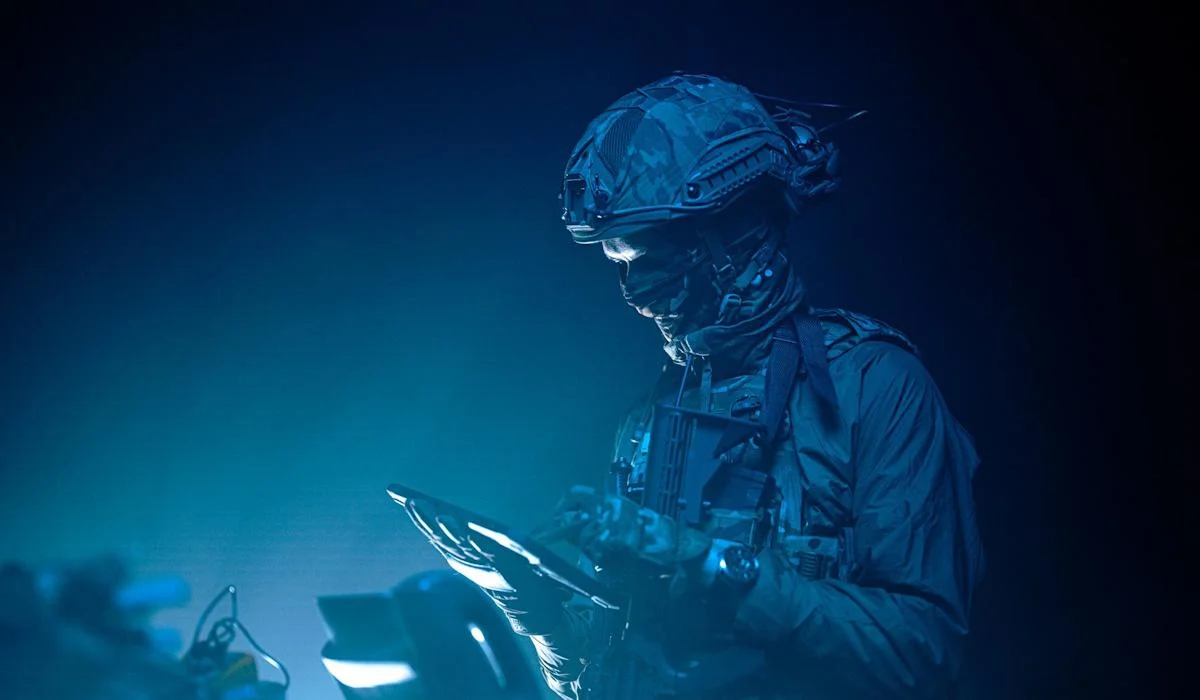
The company followed the logic of a technology venture, except that soldiers became its beta testers. Engineers brought prototypes to the front, collected feedback, rewrote software and modified the hardware. Eventually, thousands of Ukrainian troops began using Himera radios, and the technology attracted interest from the United States Air Force.
The hardest part was not building the device but persuading the state to buy it. Procurement officials were accustomed to established contractors with long histories and fixed catalogs. A young company whose product changed every few weeks looked risky, even after its equipment had demonstrated its value in combat.
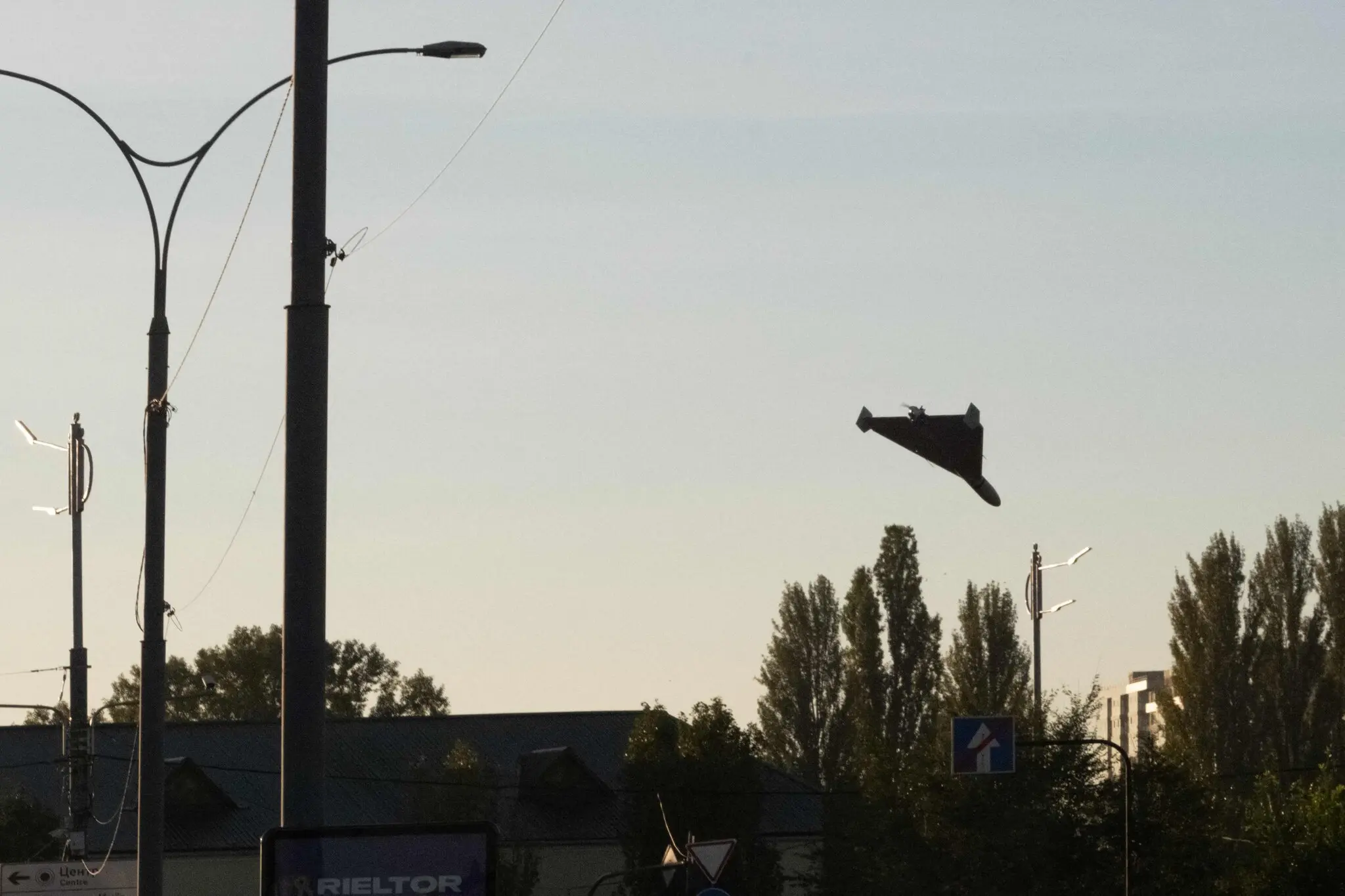
Drone manufacturers encountered the same resistance. At the beginning of the full-scale invasion, much of the state still thought in terms of artillery, tanks, aircraft and missiles. Drones were treated as auxiliary tools even as they were becoming scouts, targeting systems, bombers and long-range strike weapons.
Young producers did not wait for the bureaucracy to write a doctrine around them. They raised money, sourced components, opened production lines and delivered their first batches directly to military units. Later, dozens of firms joined forces to demand clearer rules for Ukraine’s private defense industry.
Kateryna Mykhalko became one of the most visible figures in that generation. At 22, she led the Technological Forces of Ukraine, an association that grew to represent roughly a hundred defense companies. Her age became a target of public skepticism, exposing an older habit of measuring competence by seniority rather than performance.
Mykhalko later moved into a broader European role with New Age Defence, an alliance of unmanned-systems companies. Her career illustrates how Ukraine’s defense ecosystem has begun exporting not only technology but also a model of wartime management in which innovation cycles contract from years to months.
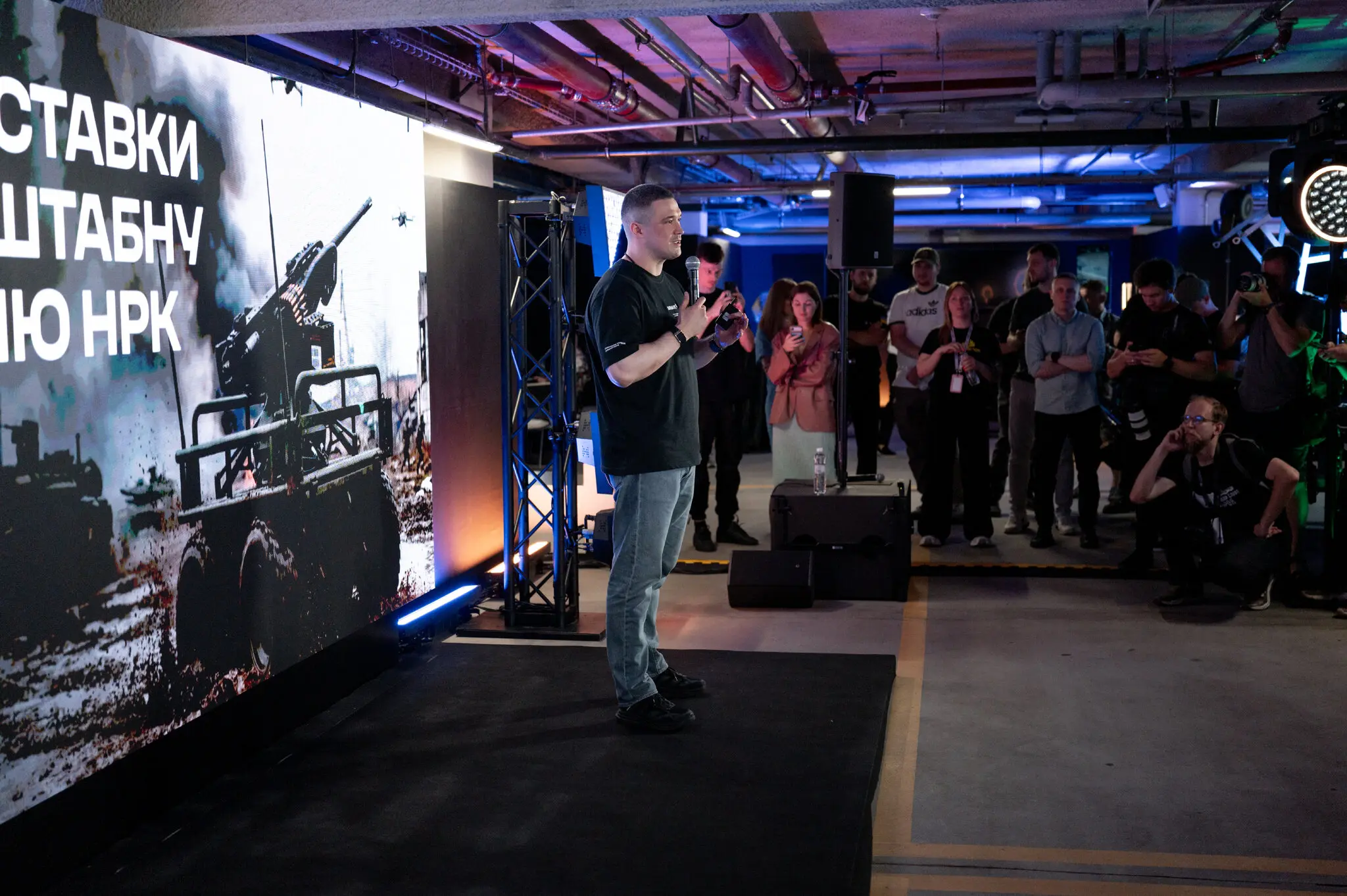
Mykhailo Fedorov became the political patron of this world. First as minister of digital transformation and later as defense minister, he brought the culture of a technology company into government: compressed timelines, measurable objectives, digital platforms, competition among developers and constant feedback from soldiers.
Its most visible instrument was Brave1, a state-backed ecosystem connecting engineers, investors, military units and officials. The platform helped projects move from prototype to certification, mass production and operational use across the Defense Forces.
Traditional military procurement begins with government requirements, followed by tenders, contracts and years of development. Ukraine’s wartime model emerged from the opposite direction: soldiers report a specific threat, engineers offer several rapid solutions, and the battlefield selects what works.
This transformation also changed the appearance of the defense industry. At exhibitions, large weapons now stand beside small tables covered with drones, antennas, sensors and software. Founders arrive in T-shirts rather than uniforms, while conversations about combat effectiveness increasingly use the language of data, updates and scaling.
But the technological revolution did not replace the old hierarchy. It brought the two systems into direct conflict. For young reformers, procedure is useful only when it helps deliver a weapon to a soldier. For parts of the traditional establishment, procedure remains a source of authority, control and institutional security.
That contradiction gives Fedorov’s dismissal its political significance. His supporters did not see an ordinary personnel change. They saw the return of a system willing to use drones, digital platforms and private innovation, but unwilling to let their creators rewrite the rules.
Fedorov left the Defense Ministry after several months in which technological modernization had become central to his public agenda. Yevhenii Khmara, associated with combat and special operations, was chosen to succeed him.
The protests that followed showed that defense technology has become a political value in its own right. Demonstrators treated the pace of reform not as an administrative matter but as a condition of survival. To them, a return to the previous model would mean not caution, but more casualties.
Romanticizing the younger generation would still be a mistake. Age does not guarantee competence, a Western degree cannot replace experience, and start-up culture is not always suited to managing multibillion-dollar budgets. Defense institutions require auditing, security standards, data protection and accountability for failed decisions.
The real divide, however, is not between young and old. It runs between a system capable of learning and one designed to protect itself from change. In the first, experience becomes the basis for a new solution. In the second, it becomes the argument for preserving the old one.
Ukraine has already shown that it can produce secure communications, naval drones, strike systems, electronic warfare tools and digital military services faster than many wealthier states. That advantage did not come from abundant resources. It came from allowing people whom the old system considered too young to enter the war effort.
The question now is whether this experience will become the foundation of a new defense state or remain a temporary exception permitted only at the moment of greatest danger. The dismissal of one minister will not erase a generation that has already built companies, professional networks and reputations of its own.
But the state can slow that generation by restoring permission-based bureaucracy, closed decision-making and the monopoly of old institutions over the definition of professionalism. In a war where a technological advantage may last only a few months, delay is measured not in paperwork but in lost opportunities.
Twentysomethings do not run the whole Ukrainian war machine. They have, however, changed its operating principle. Orders are no longer the only source of initiative, and battlefield experience now travels from the trench to the laboratory and back again. That cycle has become one of Ukraine’s most important advantages.
The conflict, therefore, is larger than Fedorov’s career. It concerns whether a new generation will be allowed not only to supply an old system with modern weapons, but to rebuild the system itself. The answer will determine whether Ukraine can continue fighting the war of the future without returning to the management culture of the past.