






















Donald Trump prefers victories that fit into a single frame: a bomber taking off at night, a signed document, released hostages, a loud declaration that a war is over. His political style has always leaned toward instant effect, where power looks simple and the result appears final.
But international politics rarely follows television’s dramatic rhythm. In Ukraine, Gaza and now around Iran, the U.S. president has encountered the hardest obstacle for his method: conflicts do not end after the first strike, the first deal or the first promise.
The early phase of his interventions gave him the image he values most: decisiveness, scale and speed. Airstrikes on Iranian nuclear sites, attempts to dictate terms after combat, mediation in Gaza and the promise to quickly end Russia’s war against Ukraine all looked like demonstrations of American will.
According to Daycom’s assessment, the current moment shows not the weakness of force itself, but the limits of force without sustained political follow-through. The United States can destroy a target from the air. It is far harder to make a state, an army, a movement or a dictator accept a new reality and live within it.
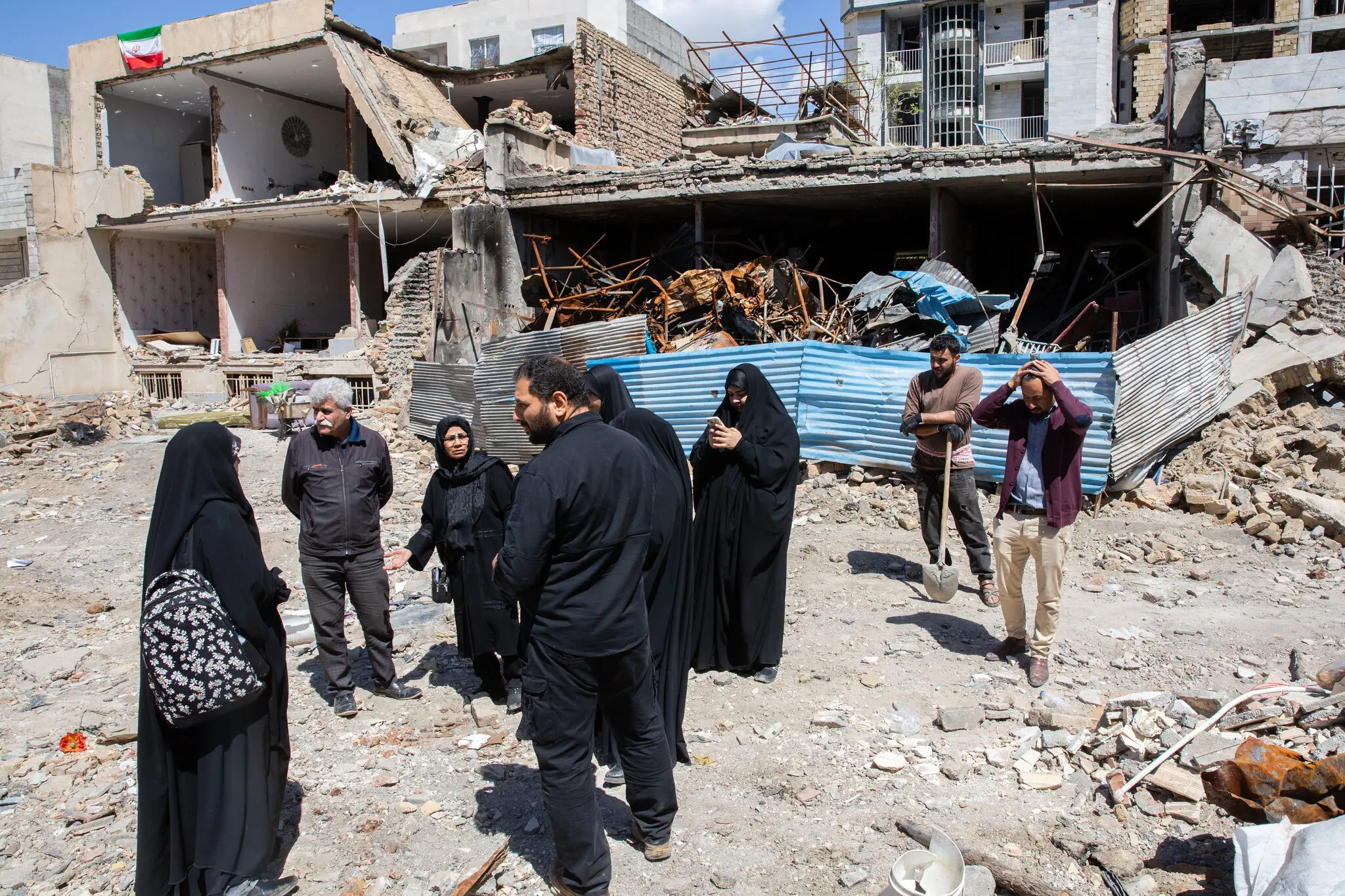
This is most visible on the Iranian track. Trump presented the cease-fire as the beginning of a major settlement: the reopening of the Strait of Hormuz, new arrangements over Iran’s nuclear and missile programs, and a return of control over the situation. But the war quickly turned into the thick mud of negotiations.
Tehran understood the central point: the American president does not want another large military operation, especially one that is unpopular at home. That gives Iran room for an old tactic — stretch time, accept frameworks, dispute details and turn 60 days of talks into months or years.
A military strike may damage infrastructure, but it does not answer the basic question: whether Iran is prepared to abandon enriched uranium, its missile program and the very logic of strategic bargaining. This is where air power meets the political endurance of an adversary.
Ukraine has become another example of the same limitation. Trump promised to end the war in 24 hours, but sixteen months after returning to the White House, the conflict has not ended. It has entered a more complex phase. The front line has hardened, and negotiations still lack a stable structure.
Moscow is increasingly uninterested in episodic visits by special envoys and private channels. The Kremlin wants a process it can manage: working groups, regular meetings, diplomatic architecture and an American ambassador in Russia. For Vladimir Putin, the form of negotiations is also part of the war.
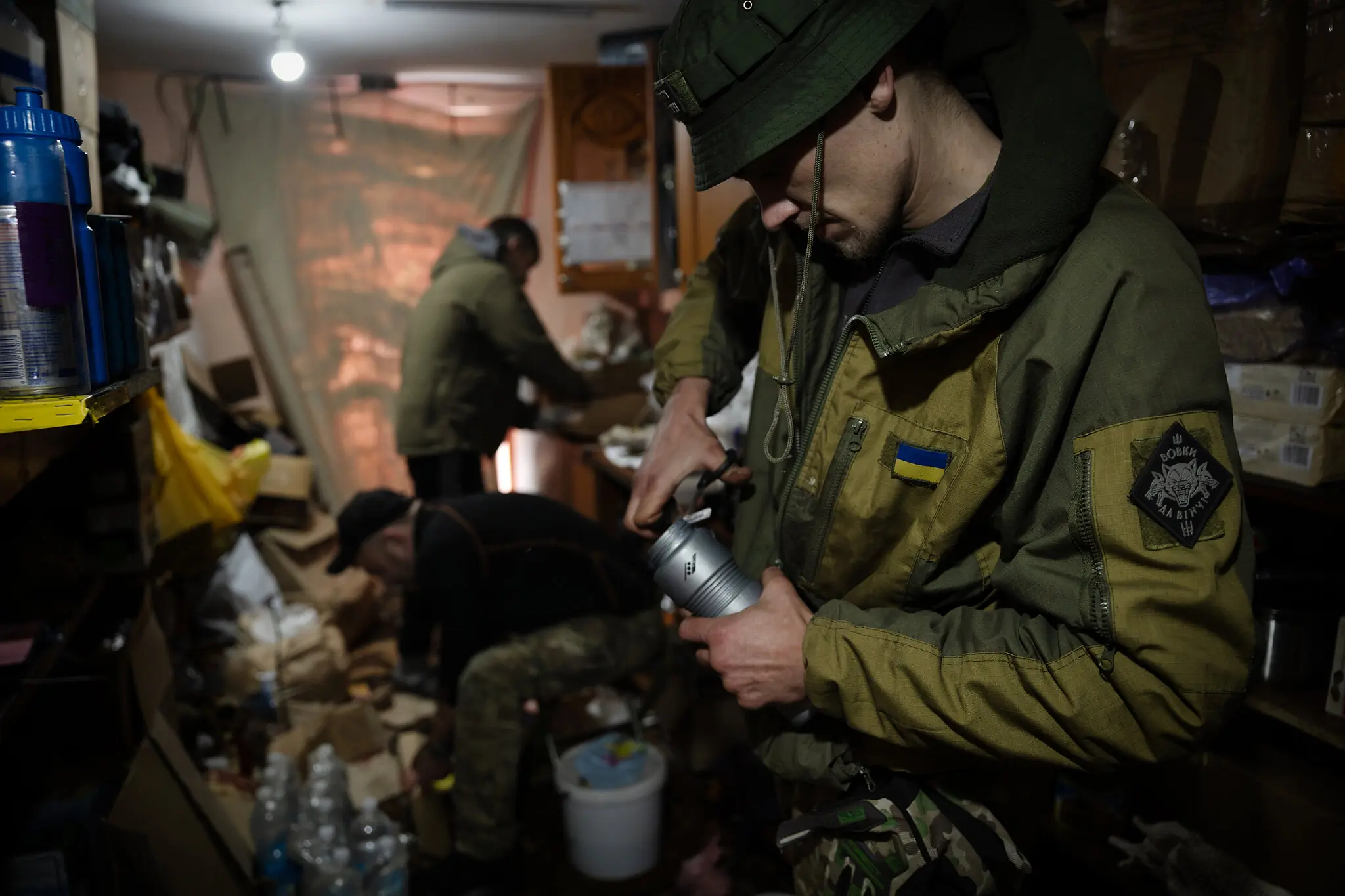
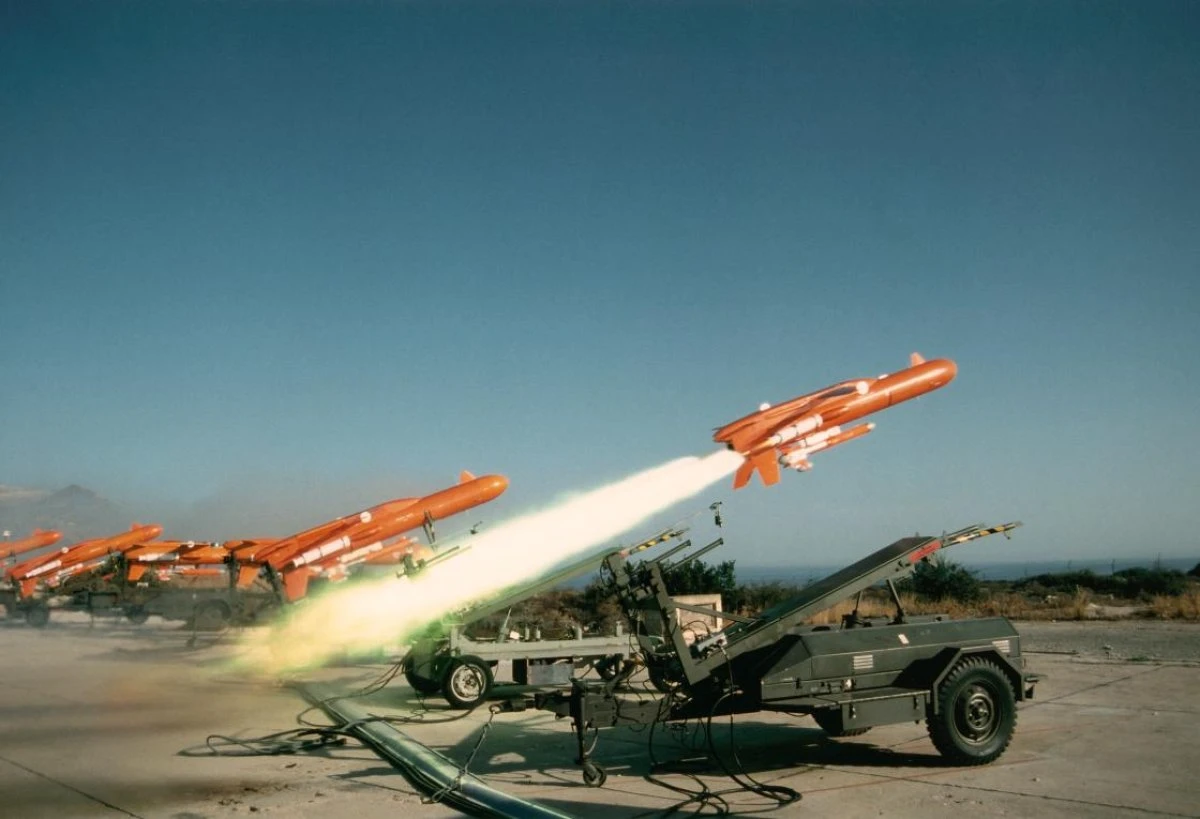
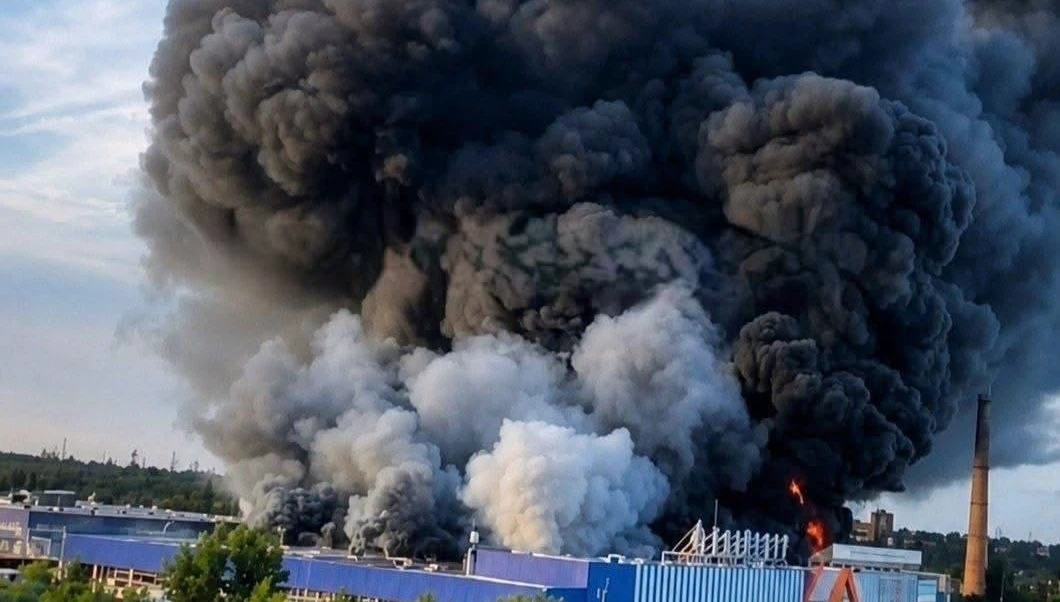
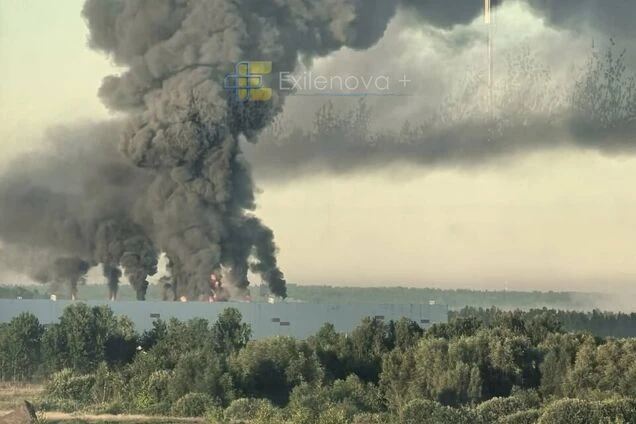
Ukraine, meanwhile, feels more confident than it did in the first months of renewed American pressure. Its long-range drones and missiles are reaching Russian energy facilities, factories, laboratories and logistical nodes more often. Kyiv is showing that time does not necessarily work only in Moscow’s favor.
That is why the simple formula of “putting both sides at the table” does not work. Ukraine does not want a deal that turns occupation into the price of silence. Russia does not want peace without a political reward for aggression. Washington has not built a permanent mechanism capable of applying daily pressure and keeping negotiations moving.
Trump sometimes admits that he underestimated the complexity of the Ukraine war. But his style still seeks breakthrough rather than sustained work. He looks for a moment when leaders suddenly accept a deal. Wars like this, however, end not only through moments, but through accumulation: military exhaustion, economic pressure, diplomatic framing and guarantees.
In Gaza, the pattern was similar. Trump attached himself to an important symbolic success — the release of hostages and a truce between Israel and Hamas. But everything that was supposed to follow proved much harder than the ceremony.
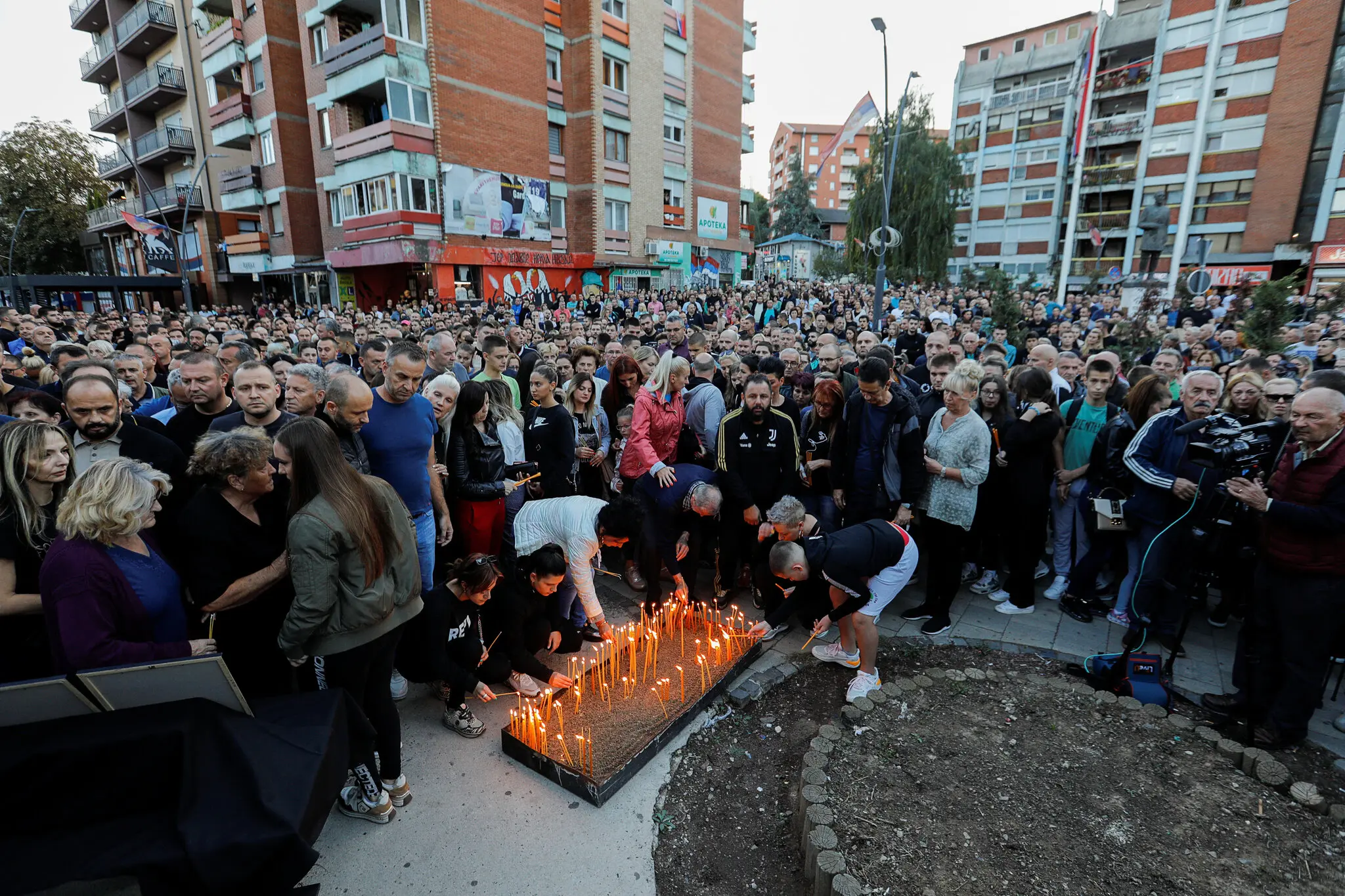
Hamas has not disarmed. An international stabilization force has not materialized. A new Palestinian administration has not entered the territory to take charge of reconstruction. The promised image of a future Gaza with office towers, resorts and investment has run into rubble, tents, mistrust and continuing Israeli operations.
For Benjamin Netanyahu, prolonged uncertainty also creates space. The Israeli military is expanding control over a large part of the enclave, while the political structure for postwar governance remains undefined. Trump got the scene of hostage release, but not a manageable peace.
This is where the difference between a cease-fire and the end of a conflict becomes clear. The first can be announced. The second must be administered: security, authority, borders, money, accountability, disarmament, reconstruction and legitimacy. These are dozens of unglamorous decisions without which a grand plan remains a poster.
Trump’s problem is not that he uses force. The problem is that he often overestimates force’s ability to replace political engineering. A strike on a facility, pressure on an ally, a threat to an enemy or a high-profile summit can open a door. But beyond that door begins the hardest work: managing consequences.
American power works best when the task is specific: destroy a target, intercept a threat, make an opponent calculate risk. It works less well when the objective is to change another state’s motivation, rebuild authority in a shattered territory or force enemies to accept the same agenda.
This is not a flaw unique to Trump. American presidents have often believed that complicated international problems can be solved quickly if only there is enough resolve. But Trump made speed part of his own political mythology, which is why the stalemate phase now cuts so sharply against him.
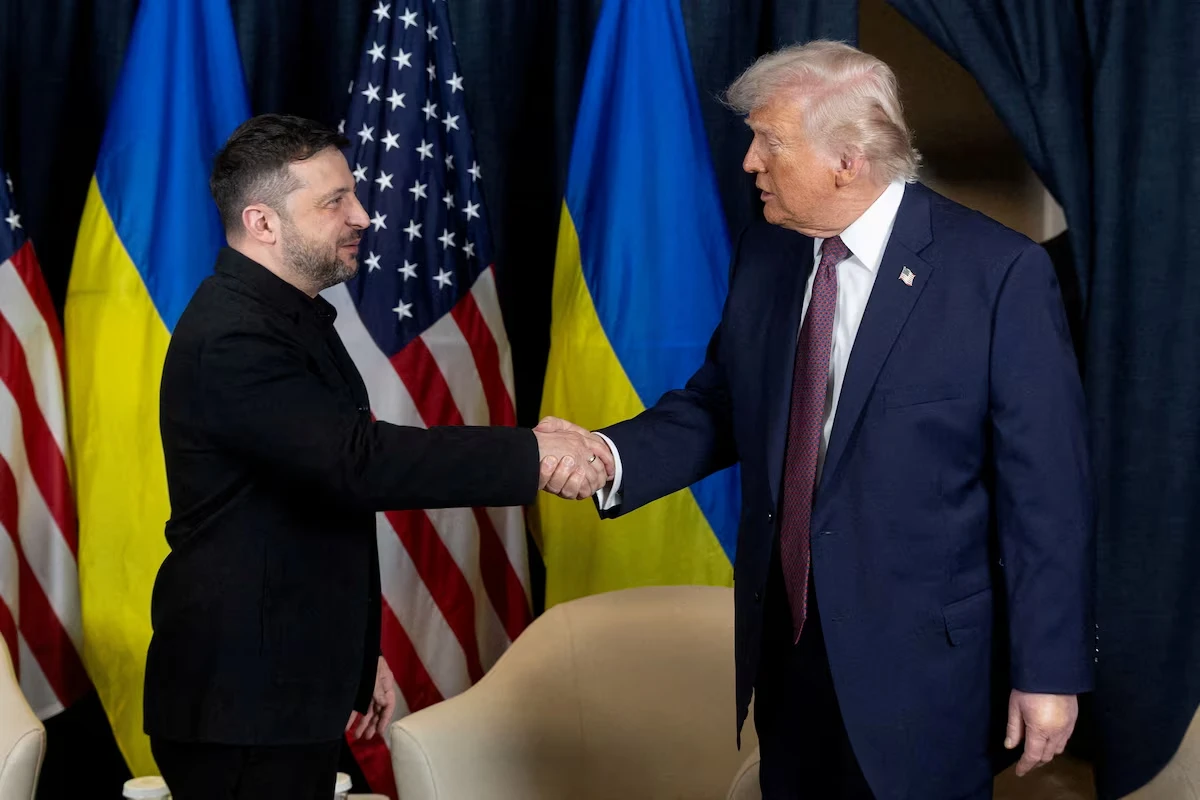
He has tried to turn foreign policy into a sequence of announced breakthroughs. The White House backdrop, the signatures, the smiles, the claims of historic moments — all of it creates the image of a leader who “closes deals.” But wars do not always close like deals. They can return, spread or settle into a gray zone.
That gray zone has now become the defining feature of his international interventions. Iran has not capitulated. Russia has not accepted a peace that Kyiv could live with. Hamas has not disappeared as an armed force. Gaza is not being rebuilt. The war in Ukraine did not become shorter because of an American promise.
For allies, this creates its own problem. They see a Washington capable of sharp action, but not always willing to hold a process over time. In Europe, that deepens fear of American fatigue over Ukraine. In the Middle East, it raises doubts about whether the United States can sustain a complex postwar architecture. In Asia, it prompts questions about how America would behave in a crisis that does not end quickly.
For adversaries, it creates an incentive to wait. Iran can drag out negotiations. Russia can test the limits of Western patience. Hamas can hide inside the debris of an undefined postwar order. If they believe Trump grows tired of managing long crises, time becomes their instrument.
The largest paradox is that Trump wants the image of a peacemaking president, while peace almost always requires what he likes least: slow diplomacy, institutional memory, technical negotiations, gradual pressure, private compromises and a willingness to spend months on details.
The stalemate phase does not mean all his moves have failed. It means the first effect has been exhausted. Each arena now needs not a new slogan, but a system: in Ukraine, a real negotiation mechanism and a military balance; in Gaza, authority, security and reconstruction; in Iran, an agreement that cannot be stretched into infinity.
For a president who built his politics on the force of the moment, this is the hardest lesson. In international crises, what matters is often not who announces victory most loudly, but who can keep working after the cameras are gone. That is where Trump’s American strategy hurts today.