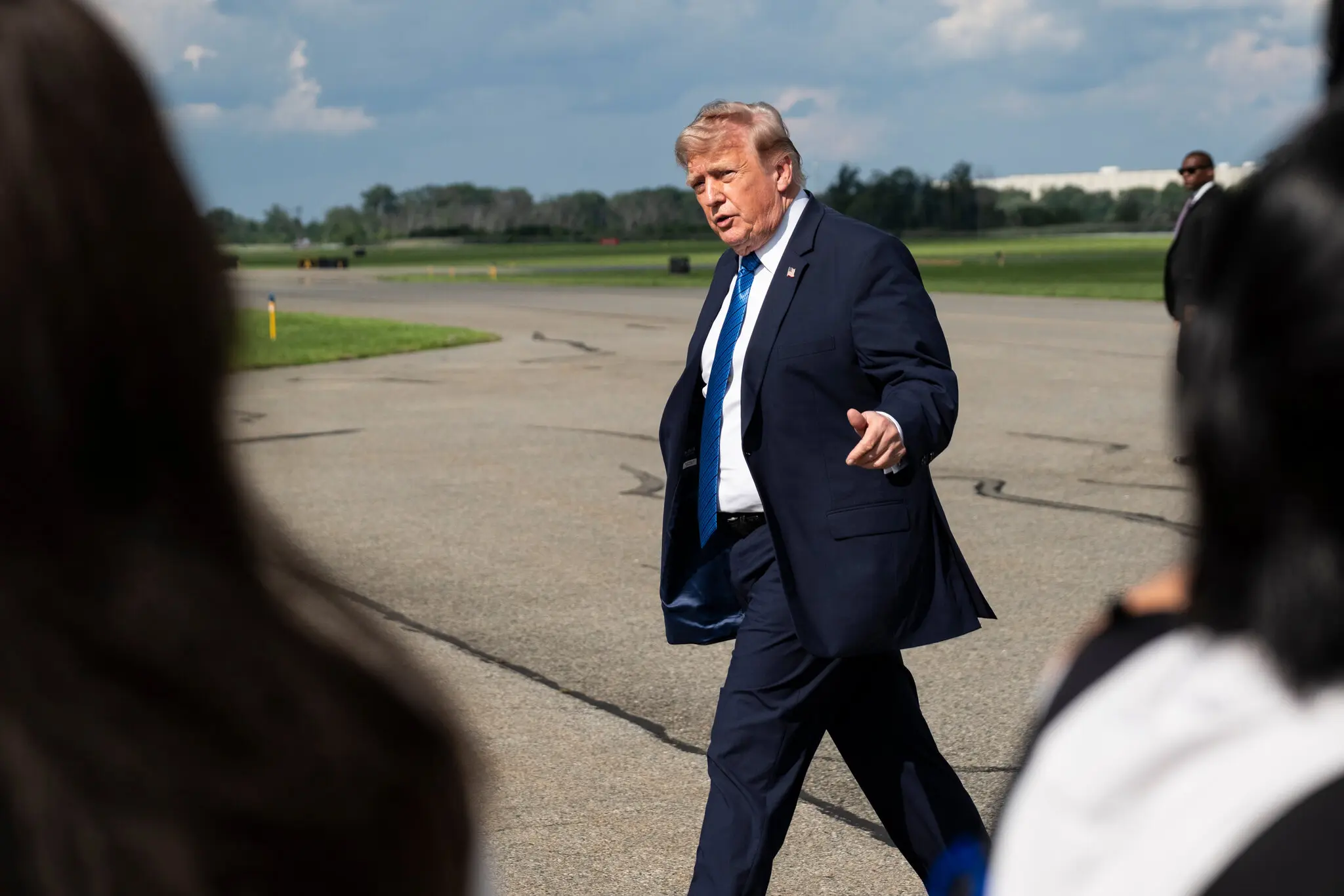





















Donald Trump has backed away from a pledge that could have significantly altered the structure of Ukraine’s air defense. In early July, he publicly suggested that Kyiv would be allowed to produce missiles for Patriot systems. By the end of the month, however, he said no such agreement had been reached.
For Ukraine, the reversal is more than another change in White House rhetoric. Patriot remains its most reliable defense against Russian ballistic missiles, while interceptor stocks are limited. As attacks on Ukrainian cities intensify, the question of missile production is no longer about a future military advantage. It is about the daily survival of civilians.
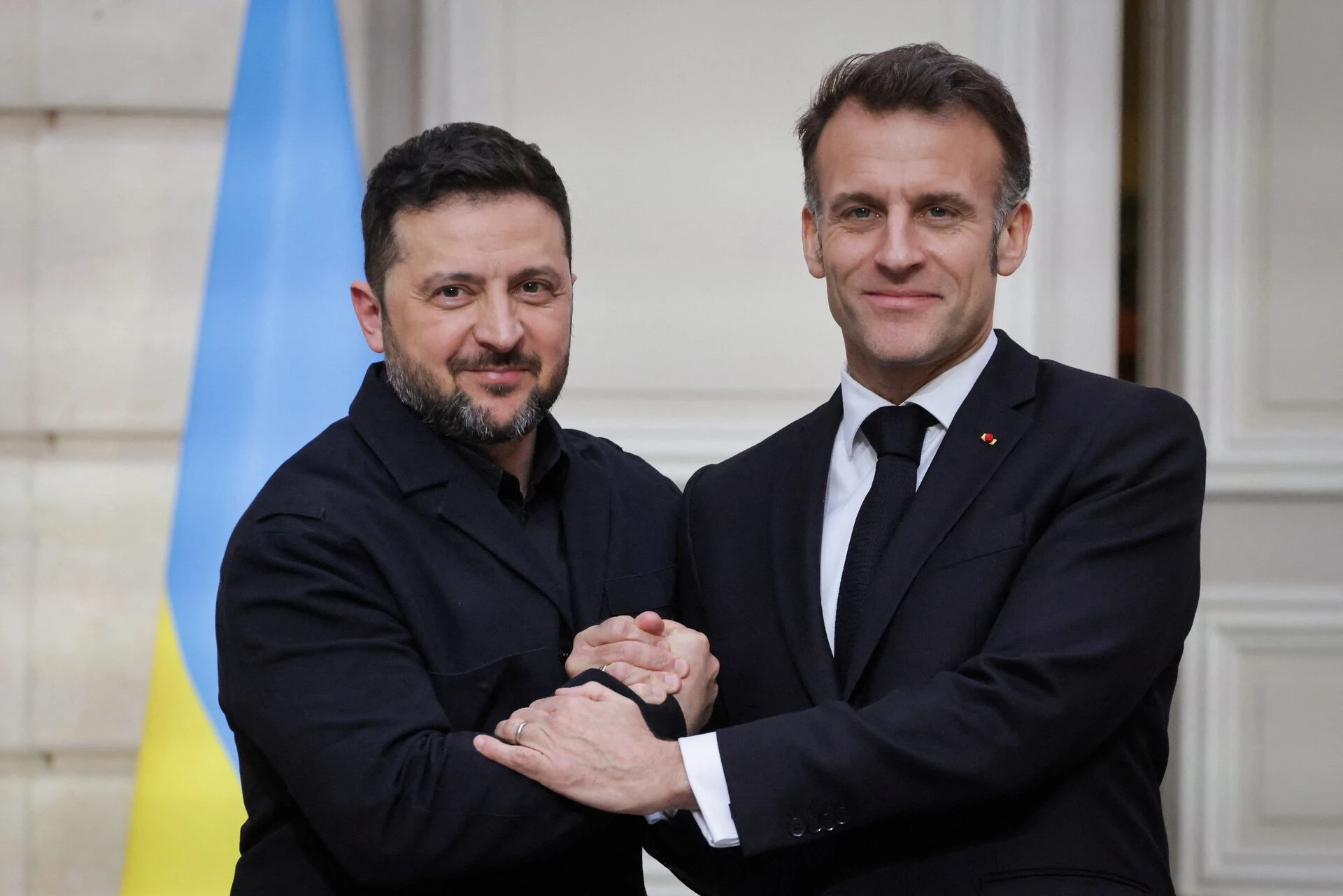
On July 8, during a meeting with Volodymyr Zelensky on the sidelines of the NATO summit in Ankara, Trump said the United States would give Ukraine the right to make Patriot missiles and would explain how to do so. His words sounded like a political commitment rather than a tentative proposal.
As Daycom previously assessed, the real significance of the episode lies in the gap between that public promise and the later retreat. Ukraine was given a signal that the United States might move from one-off deliveries toward deeper defense-industrial cooperation. Less than a month later, that signal was effectively withdrawn.
At a cabinet meeting, Trump insisted that Washington had not agreed to transfer the technology. He justified his caution by citing the danger of giving away military secrets and the possibility that a country considered a partner today might become an adversary in the future.
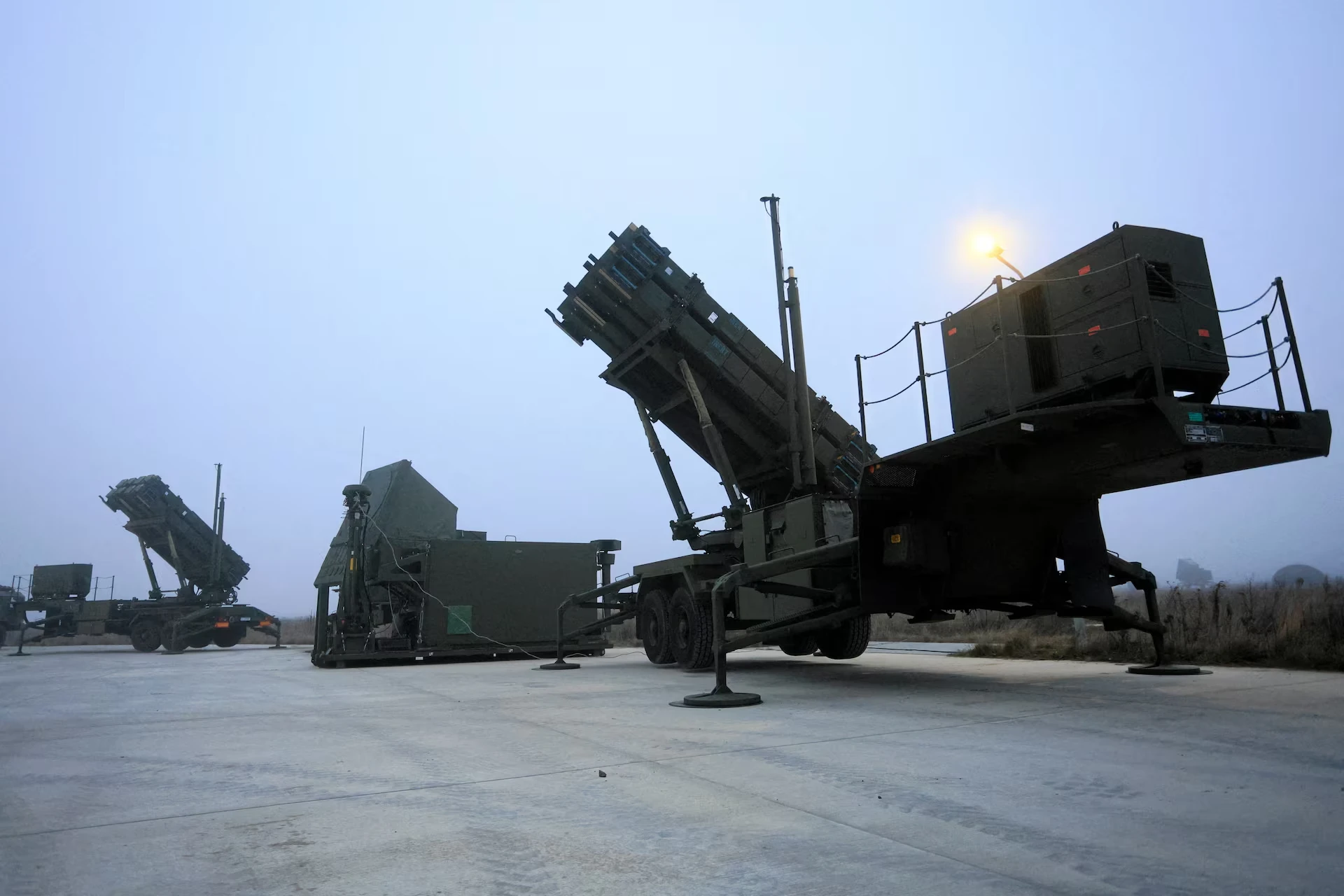
That argument reflects a longstanding concern in Washington about control over sensitive defense technology. Patriot is not simply a missile or a launcher. It is a complex system combining radar, software, command modules, logistics and several types of interceptors.
A licensing agreement would require the involvement of the U.S. government, Raytheon, Lockheed Martin and Ukrainian manufacturers. Even with political approval, production would take months or years to establish, demand heavily protected facilities and immediately create high-priority targets for Russian strikes.
Yet the long timeline did not diminish the project’s strategic value. Ukraine is increasingly dependent on how quickly allies can replenish interceptor stocks. Licensed or joint production could gradually reduce that dependence and give Kyiv greater freedom in long-term defense planning.
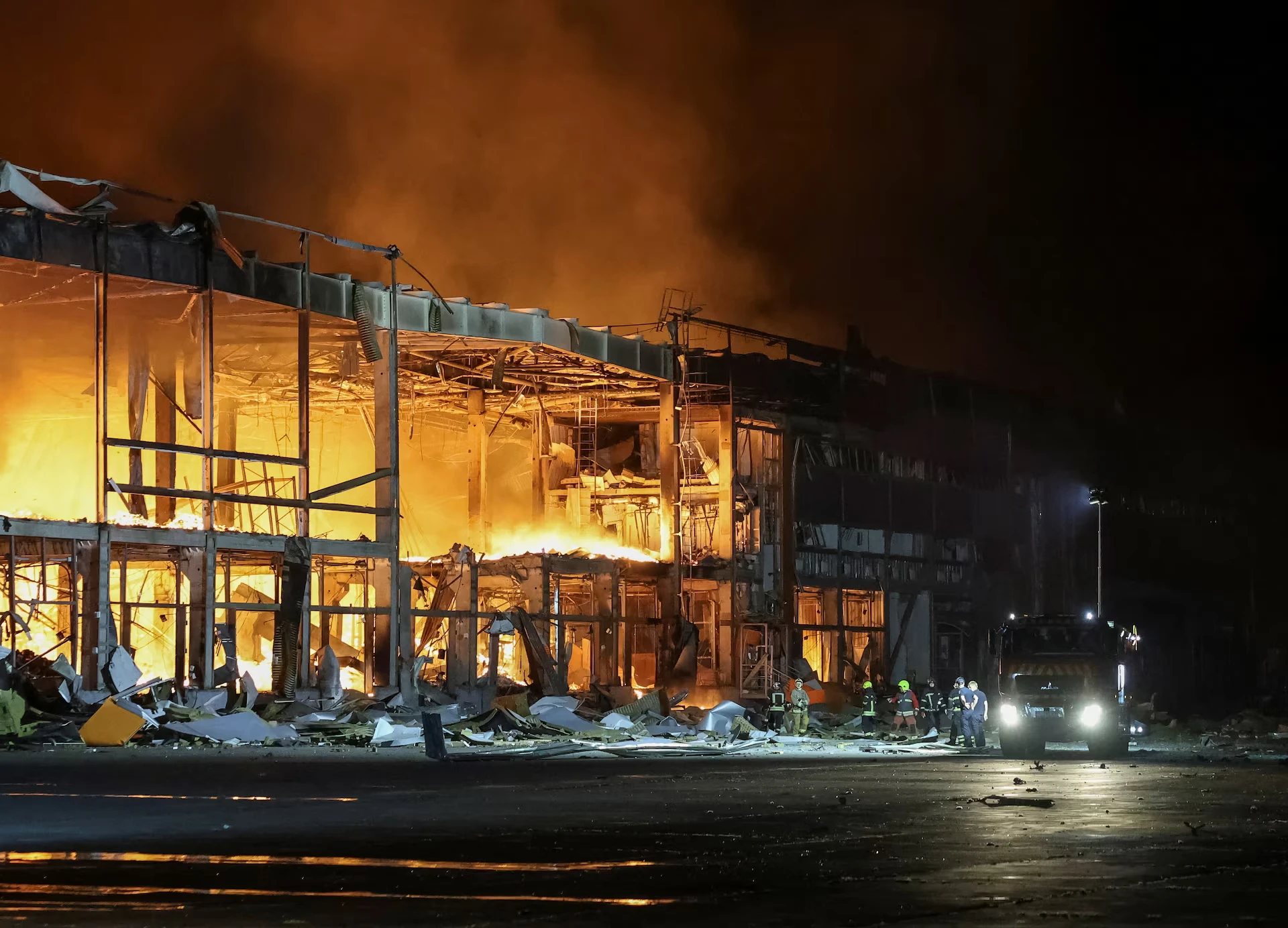
Trump’s reversal came as Russian ballistic attacks were intensifying again. Hours after his remarks, Kyiv was struck in a new assault that killed at least nine people and wounded dozens. The sequence does not establish a direct causal link, but it starkly illustrates the cost of delay in missile defense.
Ballistic missiles leave defenders very little time to react and follow trajectories beyond the reach of most air-defense systems. That is why Patriot is so important: it is not merely another weapon in Ukraine’s arsenal, but one of the few systems capable of addressing the most dangerous part of Russia’s air campaign.
Zelensky has repeatedly warned that Ukraine’s stock of interceptors is shrinking. After a closed-door meeting with Trump, he said they had discussed licenses for Patriot production and other ideas that could strengthen the country’s air shield. The White House’s public position showed that those discussions had not become binding commitments.
Ukraine’s problem is not only the shortage of missiles. It is also the unpredictability of decision-making in Washington. Defense planning requires long timelines, contracts, trained personnel, secure production sites and stable access to components. When the position of a key ally changes within weeks, even a promising project becomes another source of uncertainty.
Trump has shown similar volatility throughout the war. At times, he has emphasized the need to support Ukraine and pointed to the role of Javelin missiles in the first stage of the invasion. At others, he has stressed excessive costs, the danger of losing weapons and the risks of sharing technology.
That inconsistency is shaping a new model of American policy. Military aid may continue, but without any guarantee of deep, long-term integration between the Ukrainian and U.S. defense industries. Washington may be prepared to supply finished weapons while remaining far more cautious about steps that would make Ukraine a more independent producer of advanced systems.
For the Kremlin, that uncertainty is an advantage. Russia’s strategy is based not only on mass strikes, but also on exhausting Ukraine’s air defenses. Every interceptor is expensive, while Western production cycles remain slow. As long as Kyiv lacks its own or a guaranteed source of missiles, Moscow retains an ability to dictate the pace of the air war.
The rejection of licensed production does not mean an end to U.S. support. Washington can still deliver ready-made interceptors, place additional industrial orders and coordinate transfers from allies. But that leaves Ukraine dependent on political shifts, factory backlogs and changes in domestic American priorities.
The dispute over Patriot therefore goes far beyond one unfulfilled promise. It reveals the limit of how far Washington is willing to support Ukrainian defense autonomy. Delivering missiles helps Ukraine survive the next strike. Sharing the technology would change the balance of dependence for years.
Trump has not taken that second step. For Ukraine, that means returning to emergency deliveries, difficult negotiations and chronic shortages. For Europe, it is another reminder that joint interceptor production is no longer a distant industrial ambition, but a condition of its own security.