





















Donald Trump says an agreement with Iran is “largely negotiated” and could open the way to reopening the Strait of Hormuz, one of the narrowest and most consequential passages in global energy. After three months of war, this is the first signal markets are reading not as a pause in the crisis, but as a possible beginning of its political rollback.
The emerging framework looks simple only on the surface: end the fighting, lift the blockade on Iranian shipping, reopen Hormuz and move the most difficult issue — Iran’s nuclear program — into a separate negotiating window. That sequence is precisely what makes the deal attractive to markets and dangerous for politicians.
For Washington, it is a chance to contain an energy crisis that has already pushed up fuel, fertilizer and food costs. For Tehran, it offers a path to restore part of its oil revenues, ease sanctions pressure and avoid appearing to capitulate under American and Israeli force.
According to Daycom’s earlier analysis, the central meaning of this deal is not the reopening of the strait itself, but the attempt to separate three explosive questions in time: the war, maritime traffic and the nuclear file. That approach may bring quick relief to markets, but it does not guarantee durable peace.
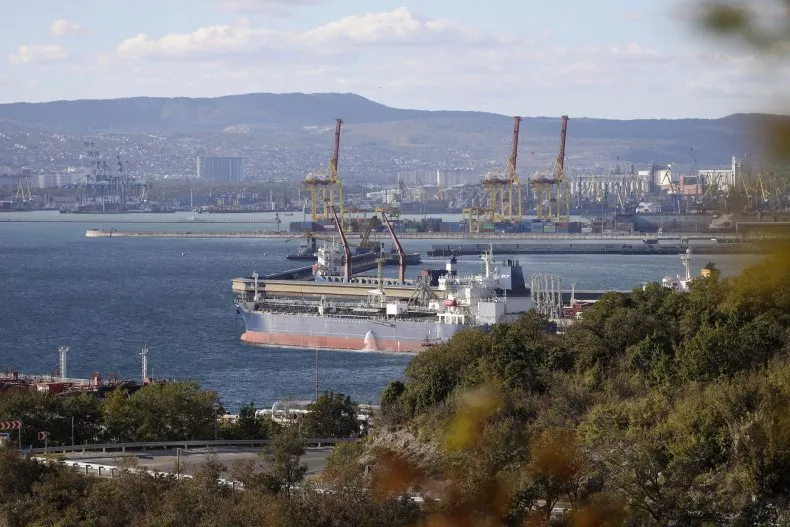
The Strait of Hormuz has become the point where the war turned into a global economic problem. A major share of oil flows from the Persian Gulf passes through it, which means any threat to shipping immediately affects Brent prices, insurance rates, logistics and the budgets of importing countries.
Even if the agreement is announced soon, full flows will not return overnight. Markets respond to political signals faster than tankers, insurers, ports and route operators. Trust in maritime trade, once damaged, is restored more slowly than a memorandum is signed.
That is why the current optimism has limits. Brent’s sharp rise since the start of the U.S. and Israeli campaign against Iran reflects not only shortage, but fear. Traders are pricing in both the risk of a closed Hormuz and the possibility that the emerging arrangement could collapse.
Pakistan’s mediation has become an unexpectedly important part of the process. Islamabad now serves as a channel able to speak to Tehran without the tone of a Western ultimatum, while remaining acceptable to Washington and Arab capitals. In this architecture, Pakistan is not a decoration. It is a mechanism for reducing tension.
The problem is that a memorandum is not yet peace. Iranian signals remain cautious: some provisions still need approval, and changes in navigation through Hormuz are tied to U.S. commitments. Tehran also wants to preserve control over the strait as an instrument of sovereign leverage.
The nuclear question remains the hardest block. Washington wants guarantees that Iran will not move toward nuclear weapons. Tehran insists on its right to civilian uranium enrichment. The framework deal is unlikely to resolve that contradiction; it may only postpone it into a separate 30- to 60-day negotiation track.
That is where the main risk lies. If Hormuz reopens before the nuclear dispute is resolved, Trump will gain a fast political result and a chance to reduce pressure on American prices. But critics will argue that Washington is giving up sanctions leverage before securing strategic concessions from Tehran.
The Israeli factor makes the picture still more complicated. Even if the United States and Iran agree on a framework, Jerusalem may not treat it as a limit on its own actions. Lebanon, Hezbollah and Israel’s claimed freedom to act against threats could become the point where formal de-escalation with Iran collides with regional reality.
For the Gulf monarchies, the deal has a different meaning. Saudi Arabia, Qatar, the United Arab Emirates and their neighbors are less interested in one side’s victory than in ending chaos that threatens exports, investment and domestic stability. They need an open Hormuz, a more predictable Iran and a United States that does not push the region into another cycle of strikes.
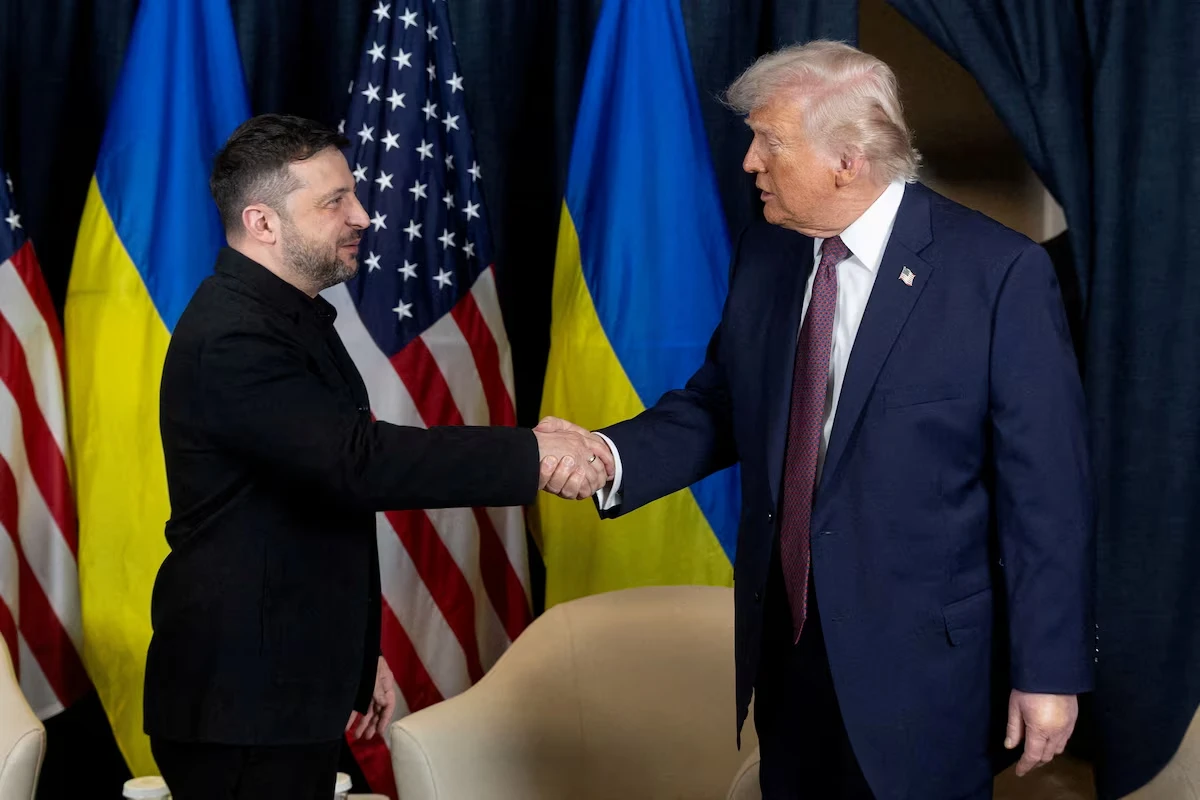
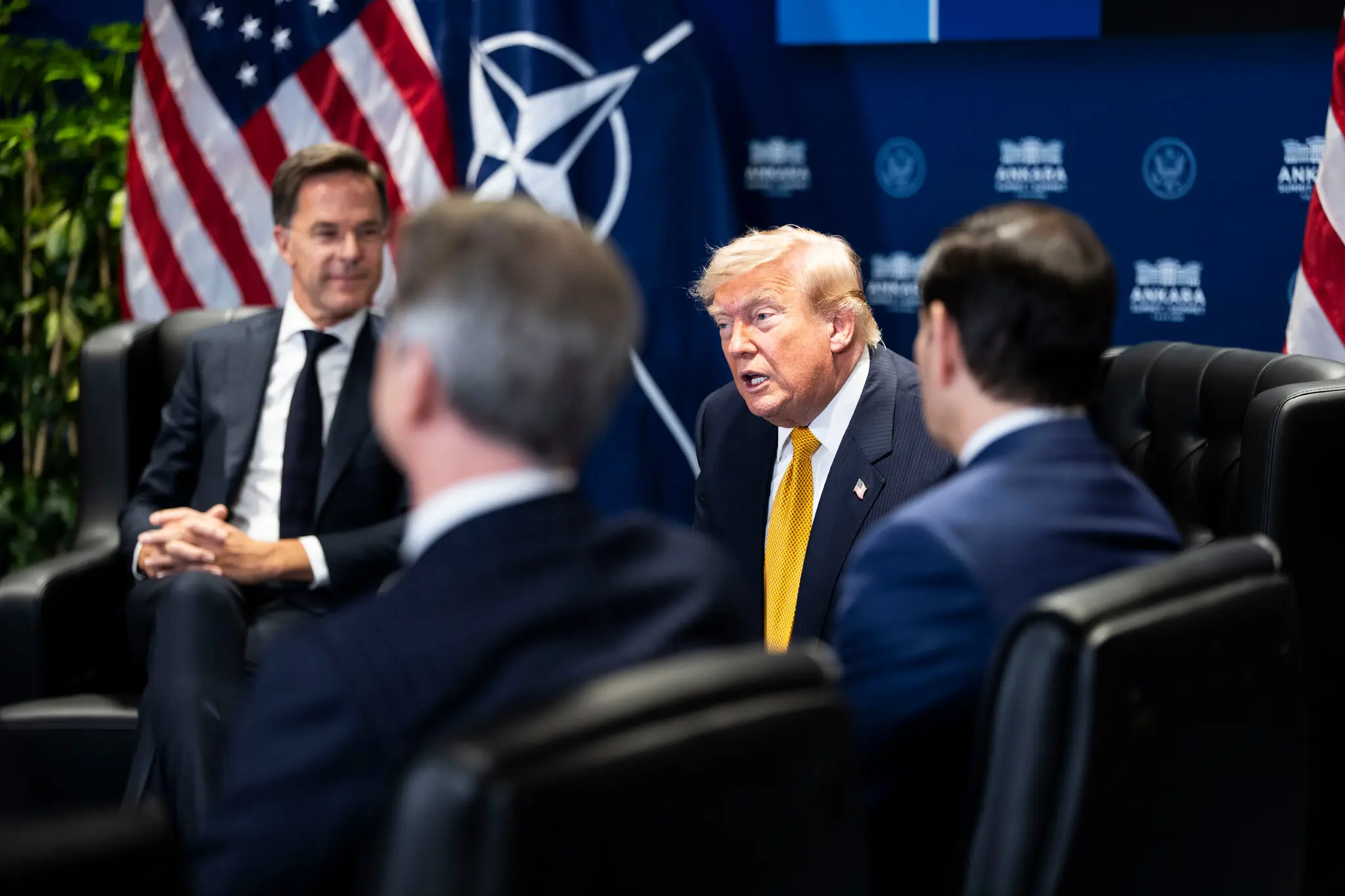
Trump is presenting the possible agreement as a diplomatic breakthrough. Its real value, however, will be measured not by the announcement, but by the first phase of implementation: whether the blockade on Iranian ports is lifted, whether shipping resumes without new tolls, whether frozen Iranian funds begin to move and whether the ceasefire holds.
The agreement also does not solve the problem of trust. Iran warns that if the war resumes, its response will be harsher. The United States retains sanctions pressure and military power. Israel does not want to lose freedom of action. All sides speak of peace, but each is trying to preserve a tool of coercion.
That is why this moment should be read not as the end of the war, but as an attempt to move it from the military phase into controlled bargaining. The Strait of Hormuz may reopen faster than the sides can settle the future of Iran’s nuclear program. Markets may breathe earlier than the region becomes safer.
If the memorandum is signed, it will be the largest diplomatic shift since the war began. But its success will depend on whether Trump can turn a short energy pause into a stable political structure — and whether Iran agrees to reopen Hormuz not merely as a gesture, but as the beginning of a new equilibrium.
For now, the deal looks less like peace than a narrow bridge over a deep fault line. On one side are a global energy crisis, fear of renewed strikes and the nuclear dispute. On the other is a chance to restore shipping, ease prices and buy time. In the Middle East, time itself is often the most valuable currency of diplomacy.